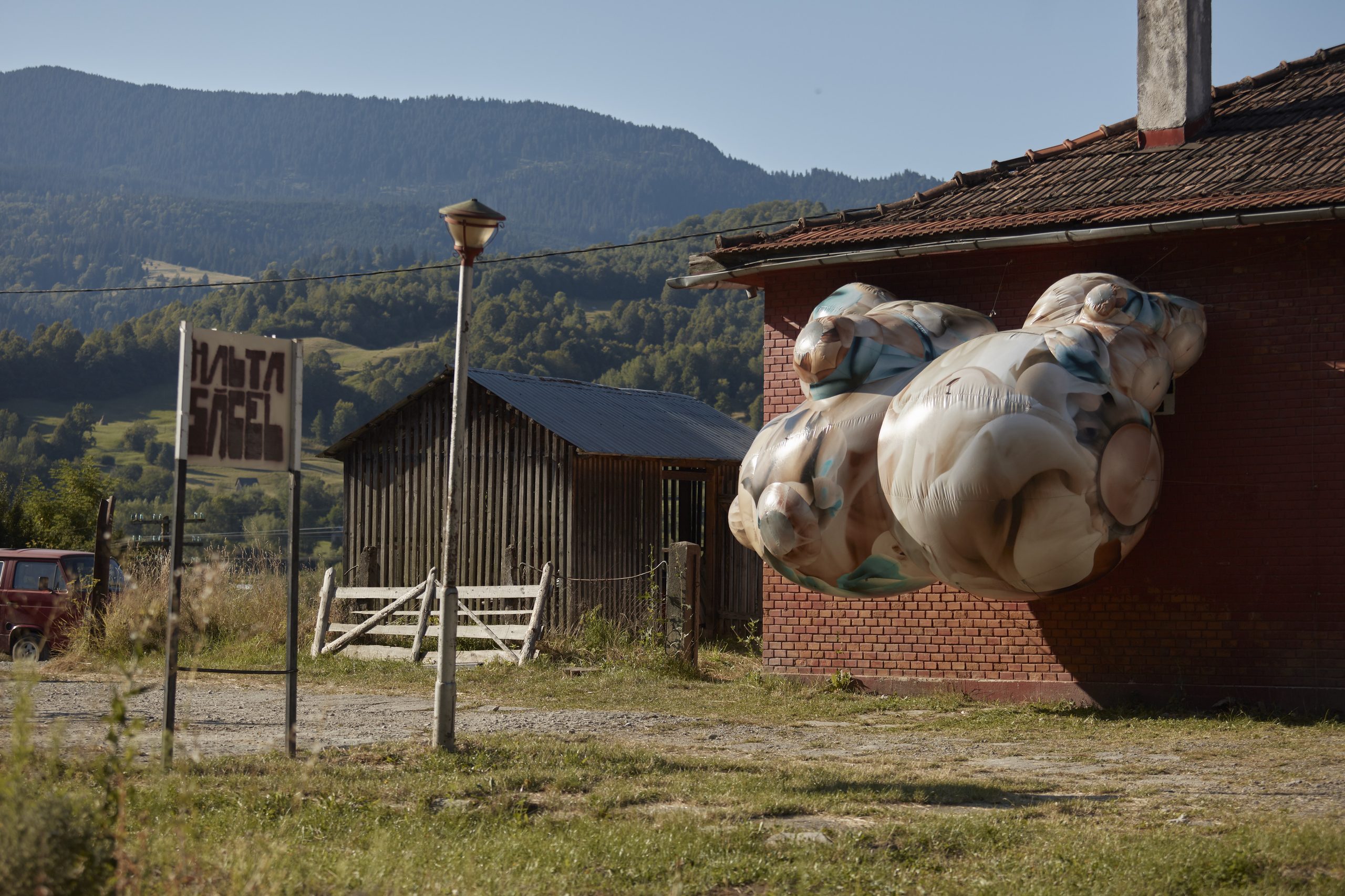
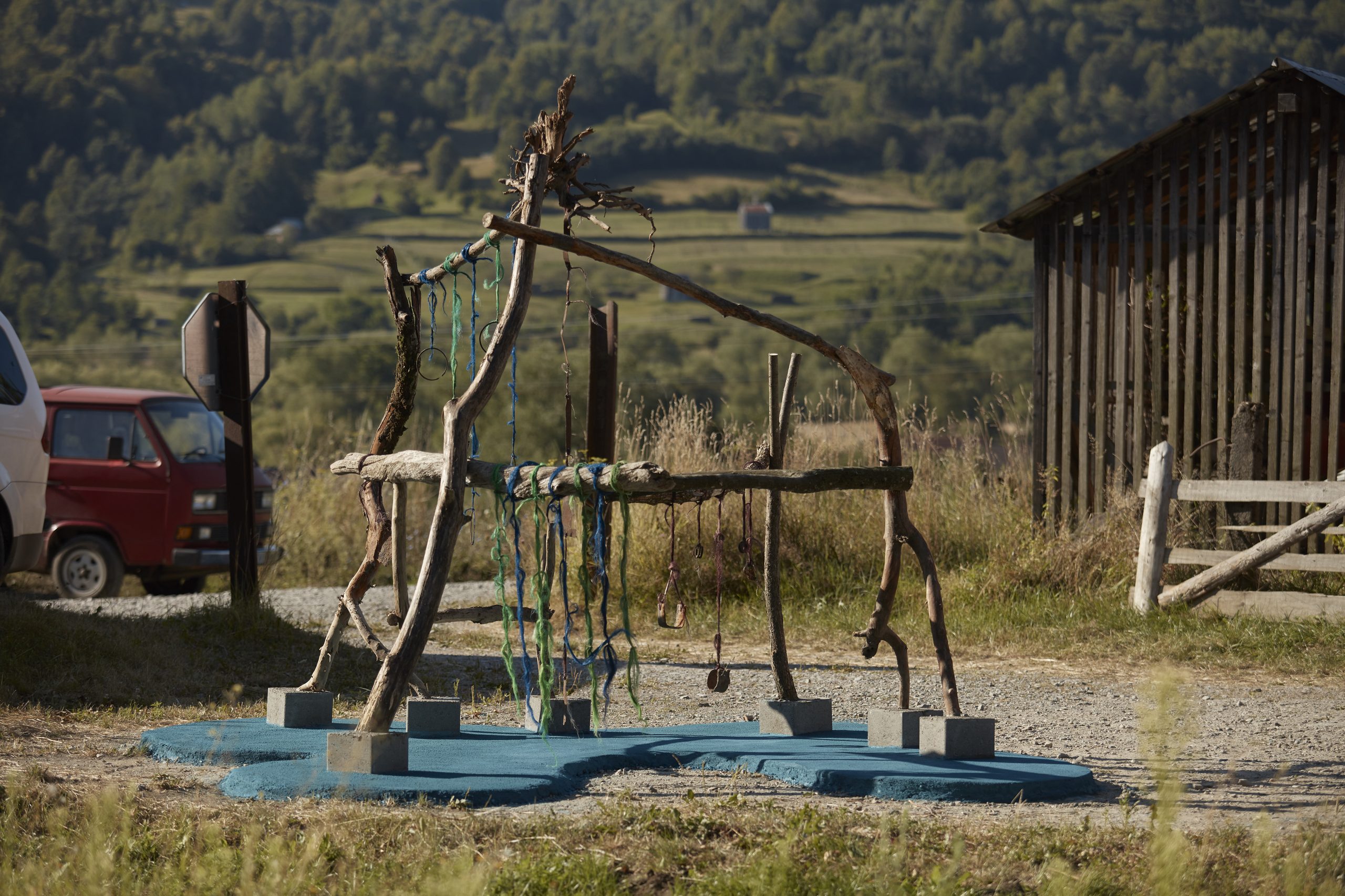
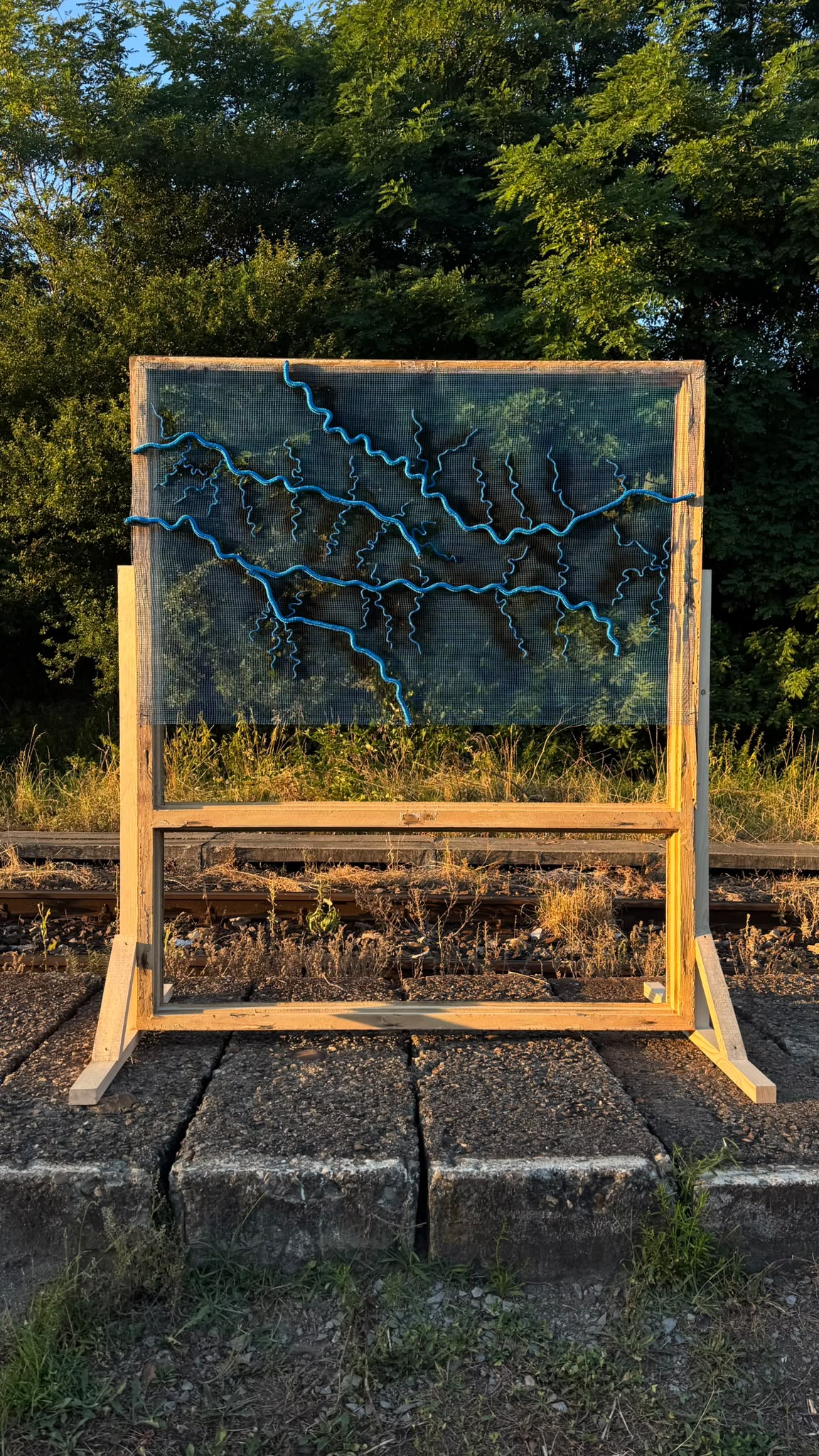
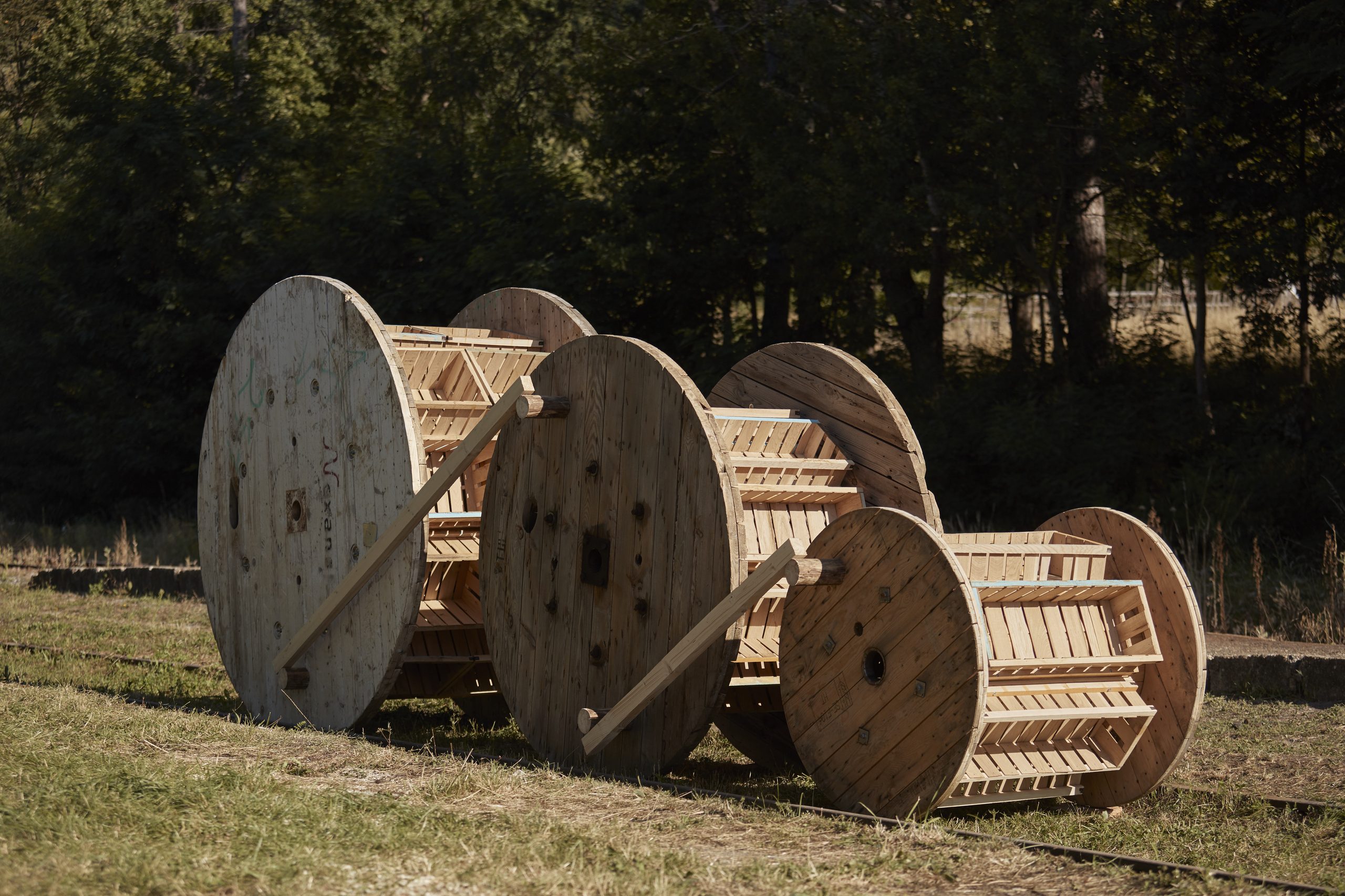
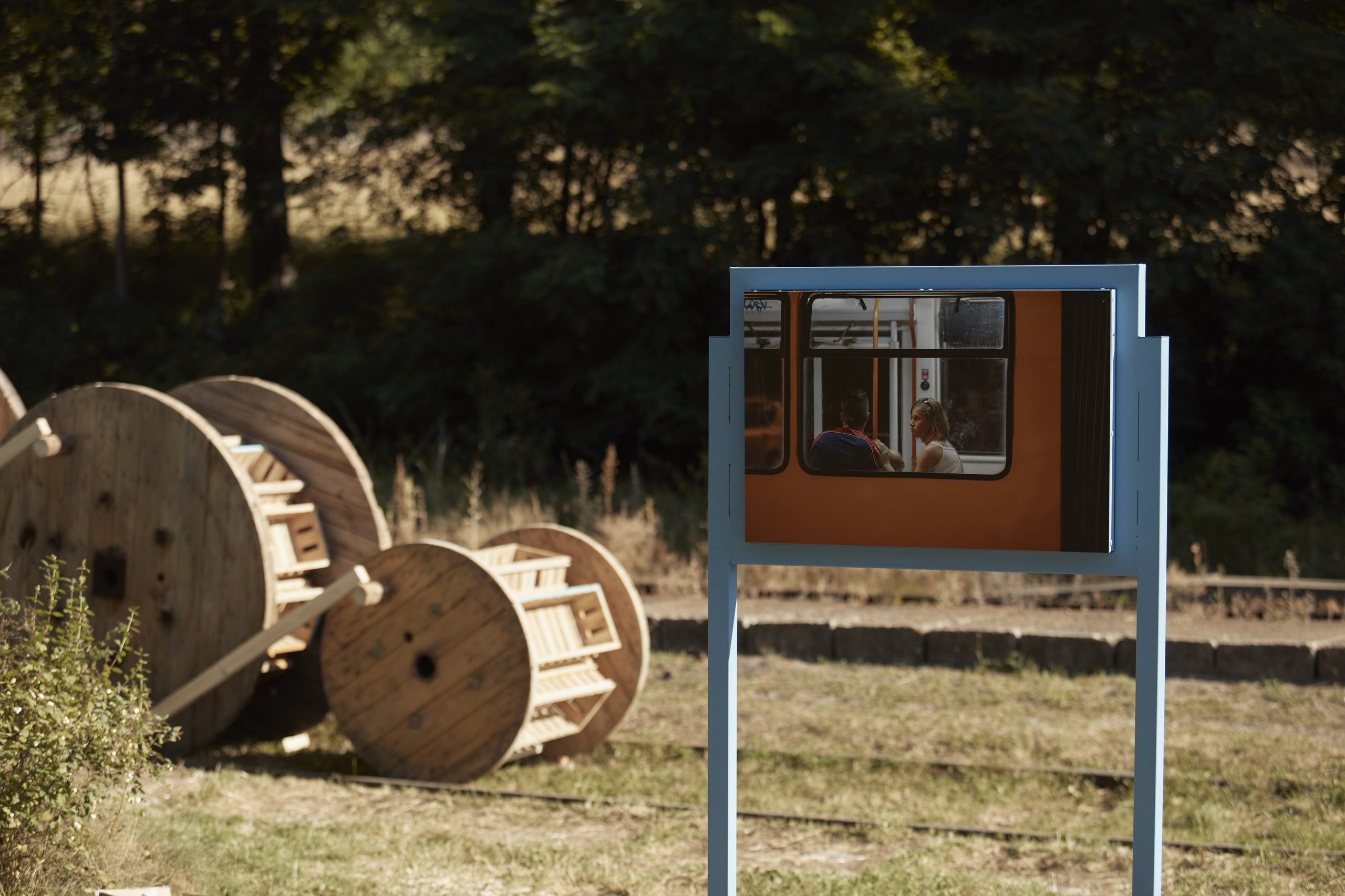
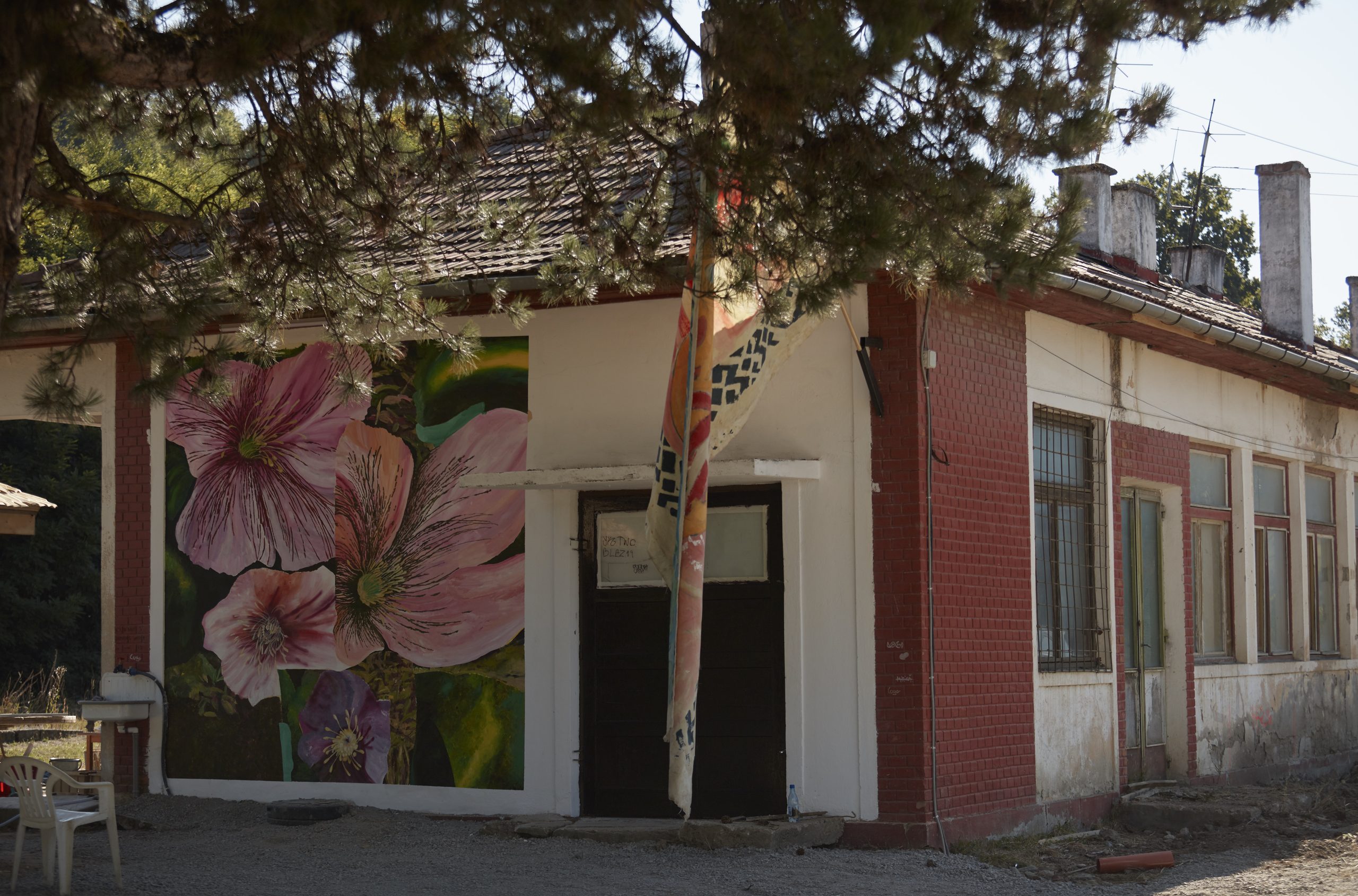
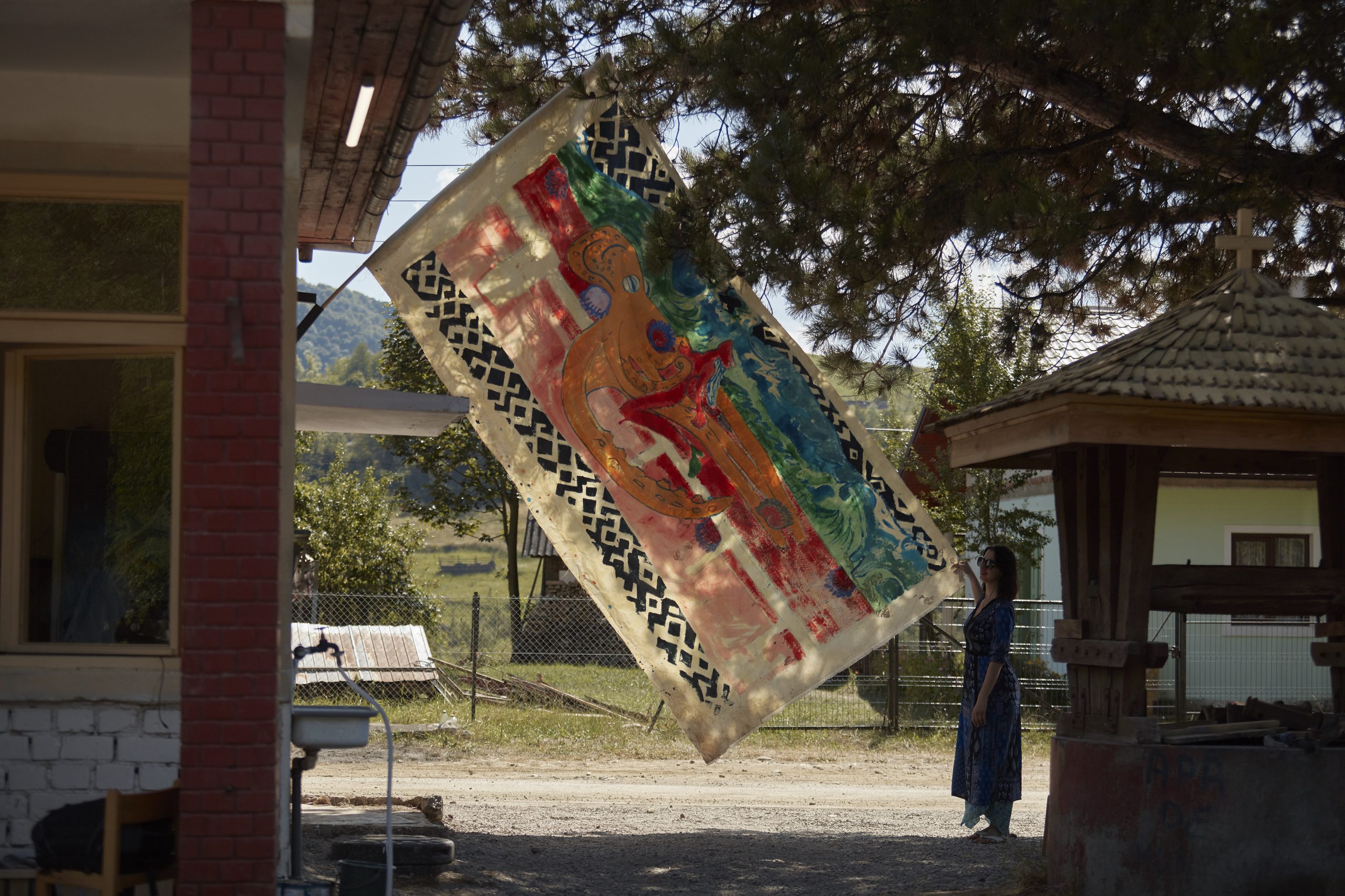
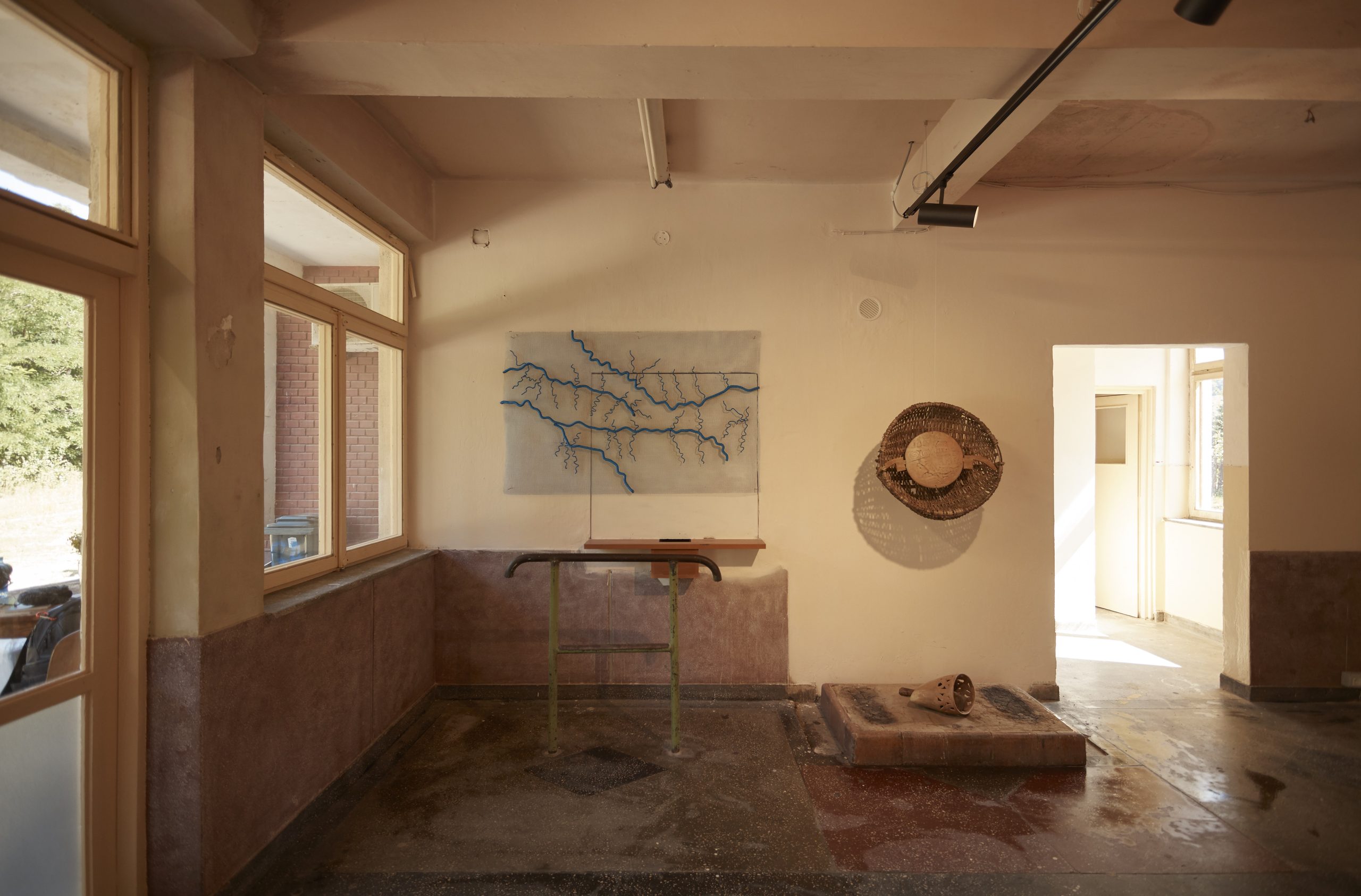
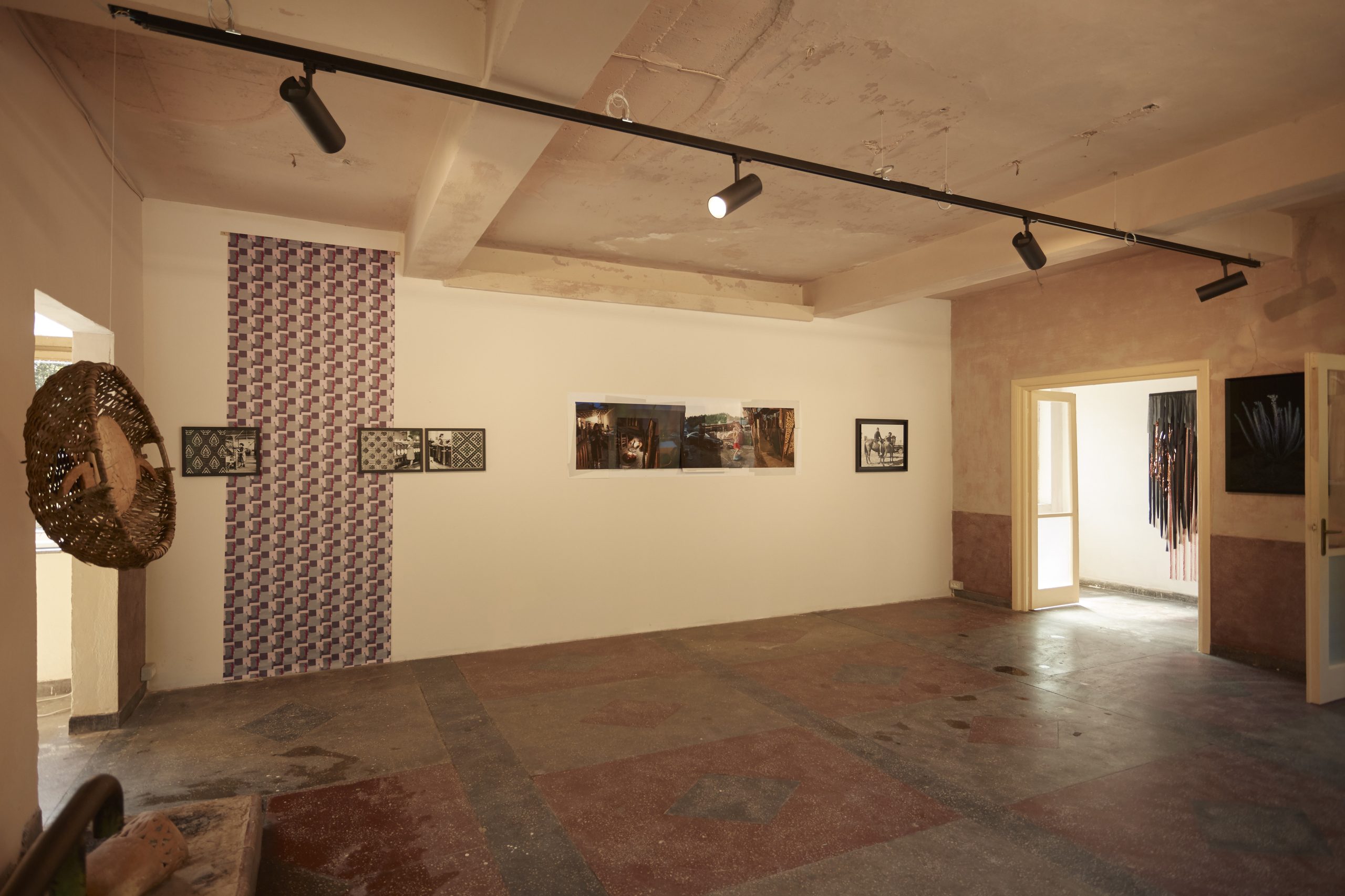
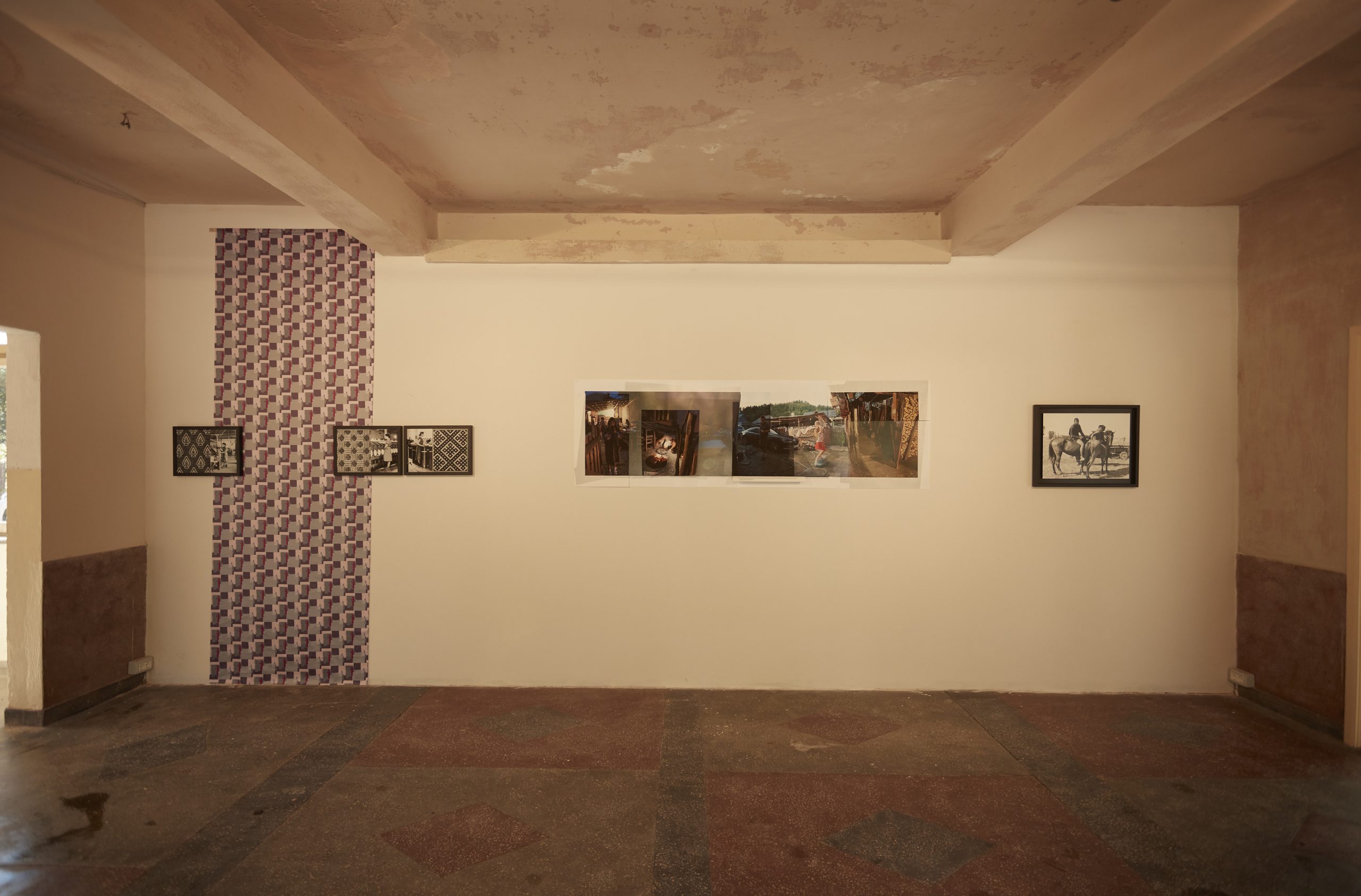
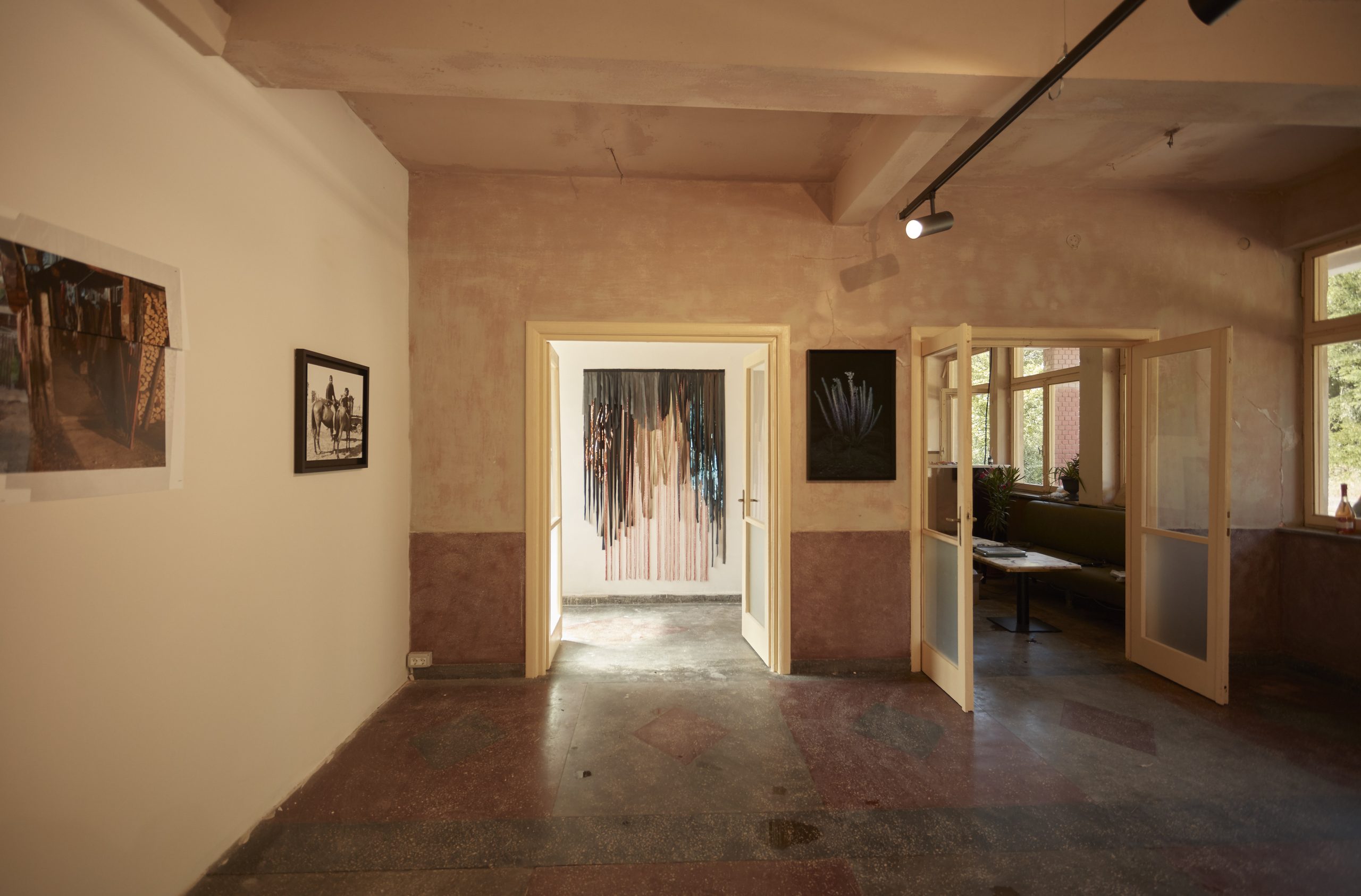
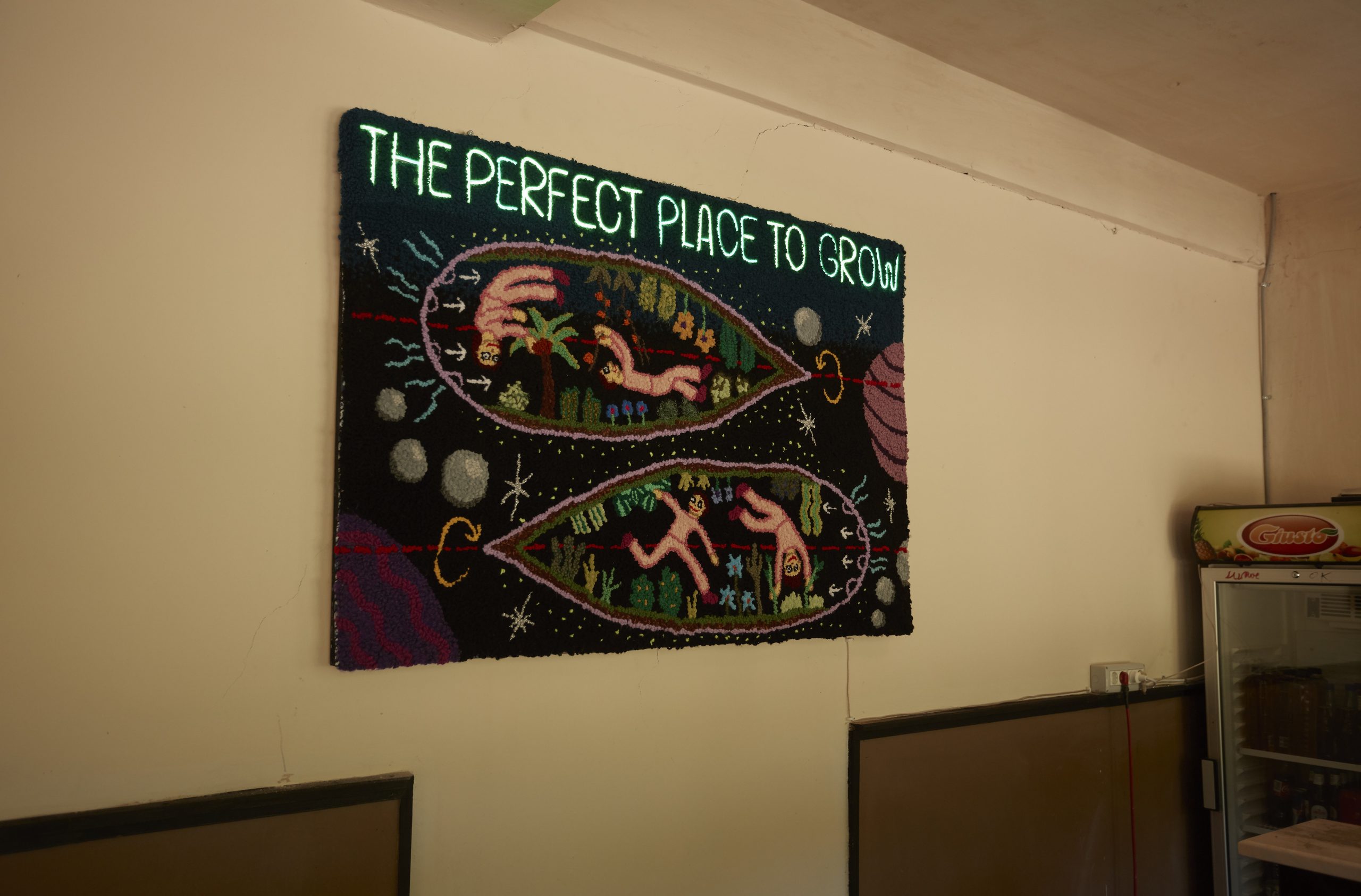
The third edition of “Linia Izei” takes place in 2026 in Săcel, in the Iza Valley, bringing together 12 artists — Matei Bejenaru, Iosif Király, Aurora Király, Ioana Cîrlig, Megan Dominescu, Iulian Bisericaru, Mihaela Moldovan, Dan Vezentan, Radu Marțin, Anton Király, Ilie Mihali, and Anetta Mona Chișa — around the theme “Rhythms of Continuity.” Initiated by ARAC (Romanian Association for Contemporary Art), the project aims to transform the former Săcel railway station in Maramureș into a contemporary art center.
On September 3, the opening of the “Rhythms of Continuity” exhibition will take place, accompanied by a conference. The exhibition will remain open to the public until October 31.
Starting from the former railway stop in Săcel, the Iza River’s hydrological system, and local practices related to water, wool, wood, ceramics, and agricultural rhythms, the exhibition explores how infrastructures, crafts, and community knowledge are transmitted and transformed over time. At the same time, the program critically examines the history of extraction and the industrial infrastructures that have shaped the valley, as well as the relationship between water, territory, and borders. The works are developed and produced as part of an artistic residency in Săcel, in dialogue with local craftspeople and collaborators, whose contributions are explicitly acknowledged and credited by name. The project thus seeks to understand continuity not as the mere preservation of the past, but as a living process shaped by work, repair, memory, and the transmission of knowledge.
“This edition starts from this condition and from the geographical coincidence of the source, reading them through a hydro-political and hydro-feminist lens, in the sense proposed by Astrida Neimanis, of bodies interconnected through flows of water. The perspective extends toward the proximity of the Mara and Tisa river systems, the latter carrying a particular transnational resonance through its invisible connection to Ukraine. Water thus becomes a unit of measurement for a territory that borders have attempted, without fully succeeding, to stabilize.
In this landscape, the fulling mills still operating in the village, at Moara Mecleș and Moara Burnar, place the force and continuous movement of water at the service of community practices. They demonstrate how natural flows become infrastructures of care and labor.
The Iza’s hydrological system, wool textiles spun and felted in the fulling mills, and the valley’s seasonal agricultural rhythms enter the program as working methodologies. These are further reflected in some of the material choices made by the invited artists: wool, wood, water, and ceramics.
The same landscape also bears the traces of extraction. The railway reached this valley in the service of timber and ore, while the watershed it crosses is mapped as a mining basin. The rivers served both as transportation arteries and as recipients of industrial discharges.
Continuity in Săcel therefore also encompasses what cannot be celebrated. It becomes legible in the terms Susan Leigh Star uses to describe infrastructure, becoming perceptible only at the moment of breakdown. The disused railway stop makes visible a system that remained invisible for as long as it functioned. The attention to repair, described by Steven J. Jackson through the concept of broken world thinking, is closer to the everyday practices of this valley than any current discourse on resilience.
Here, continuity also functions as a question of cultural policy, in very concrete terms: what is passed on in a region defined by economic migration, through which structures it circulates, and who remains credited for the knowledge put into practice.”
(curatorial text)