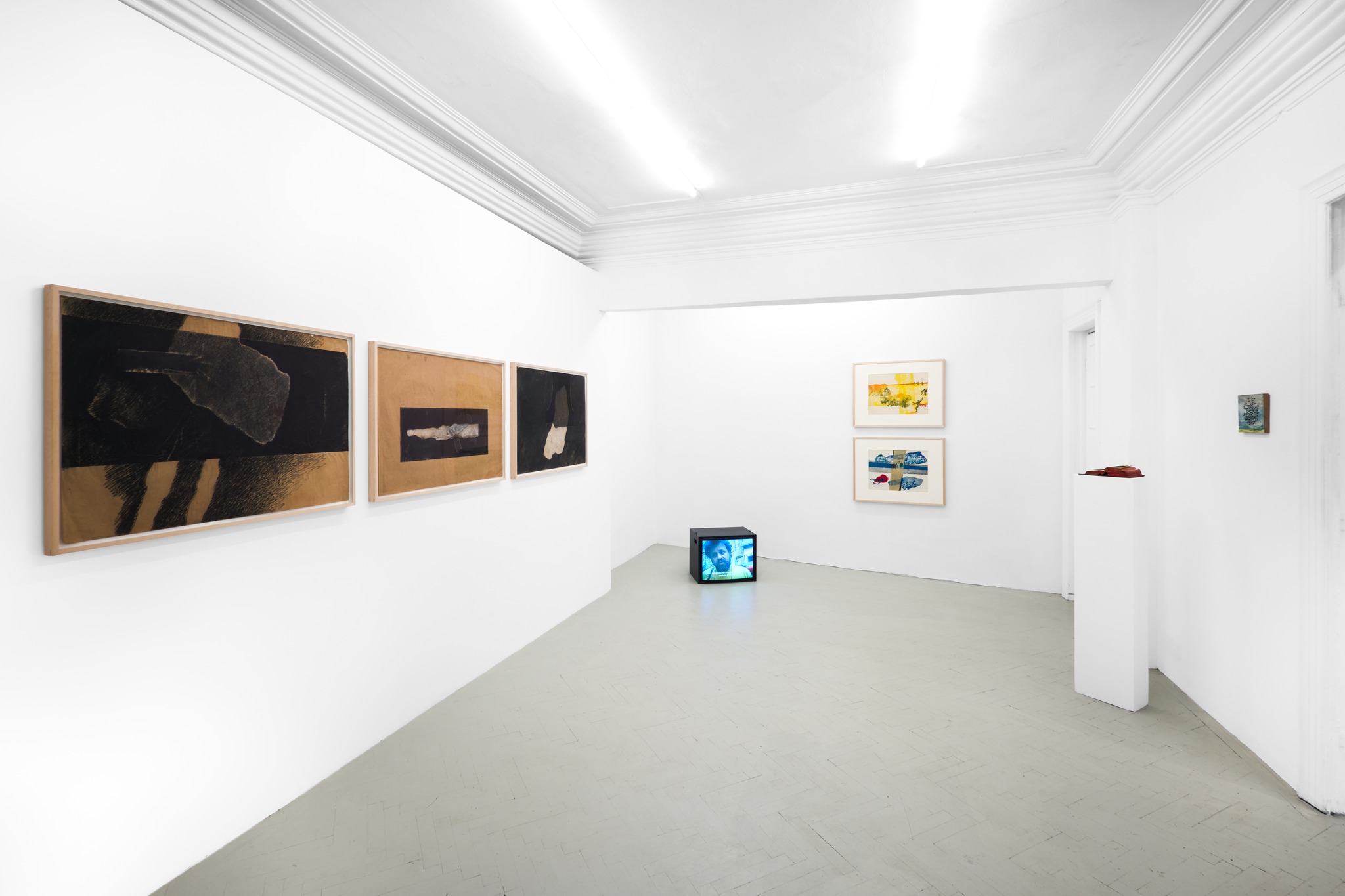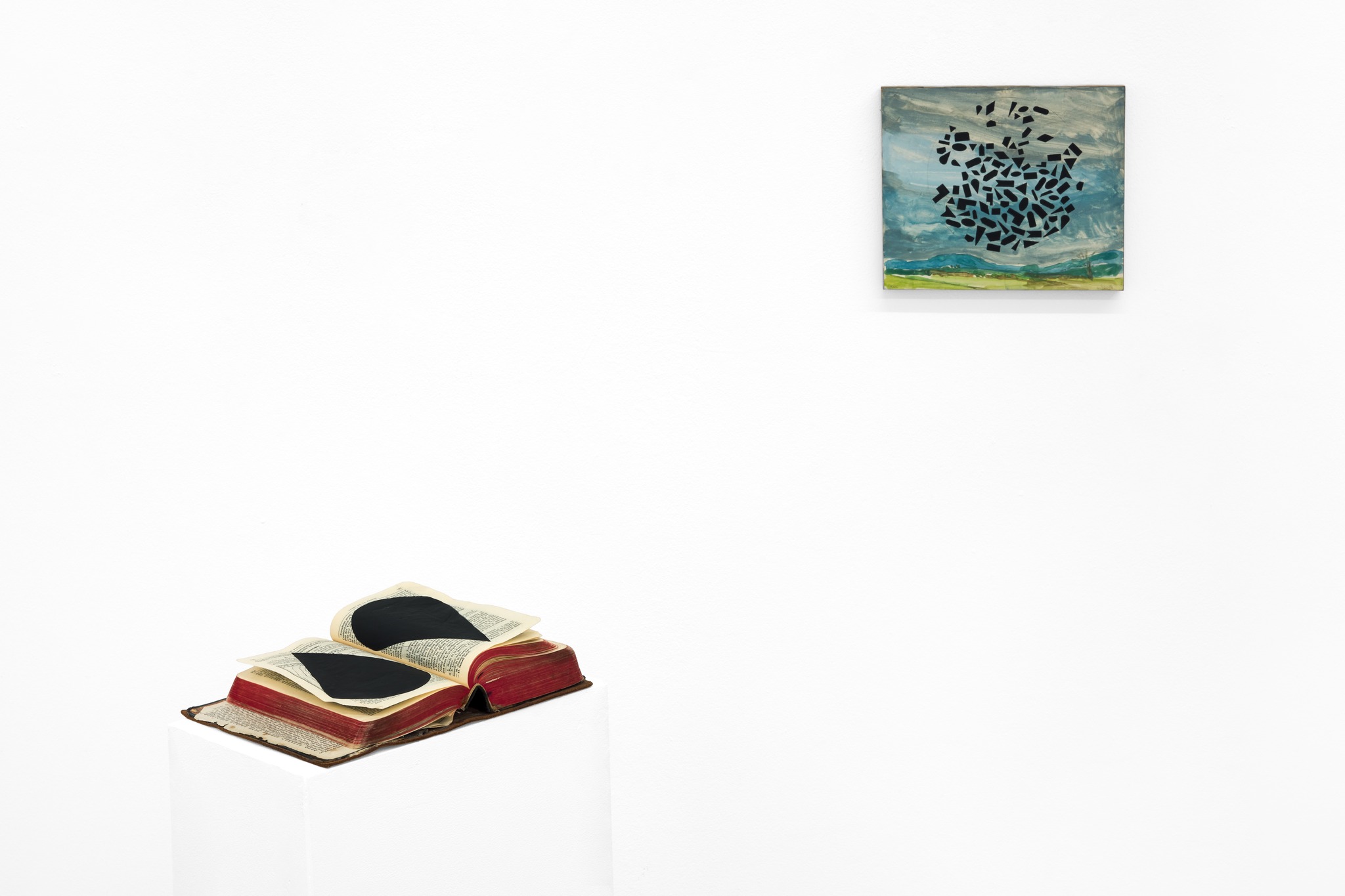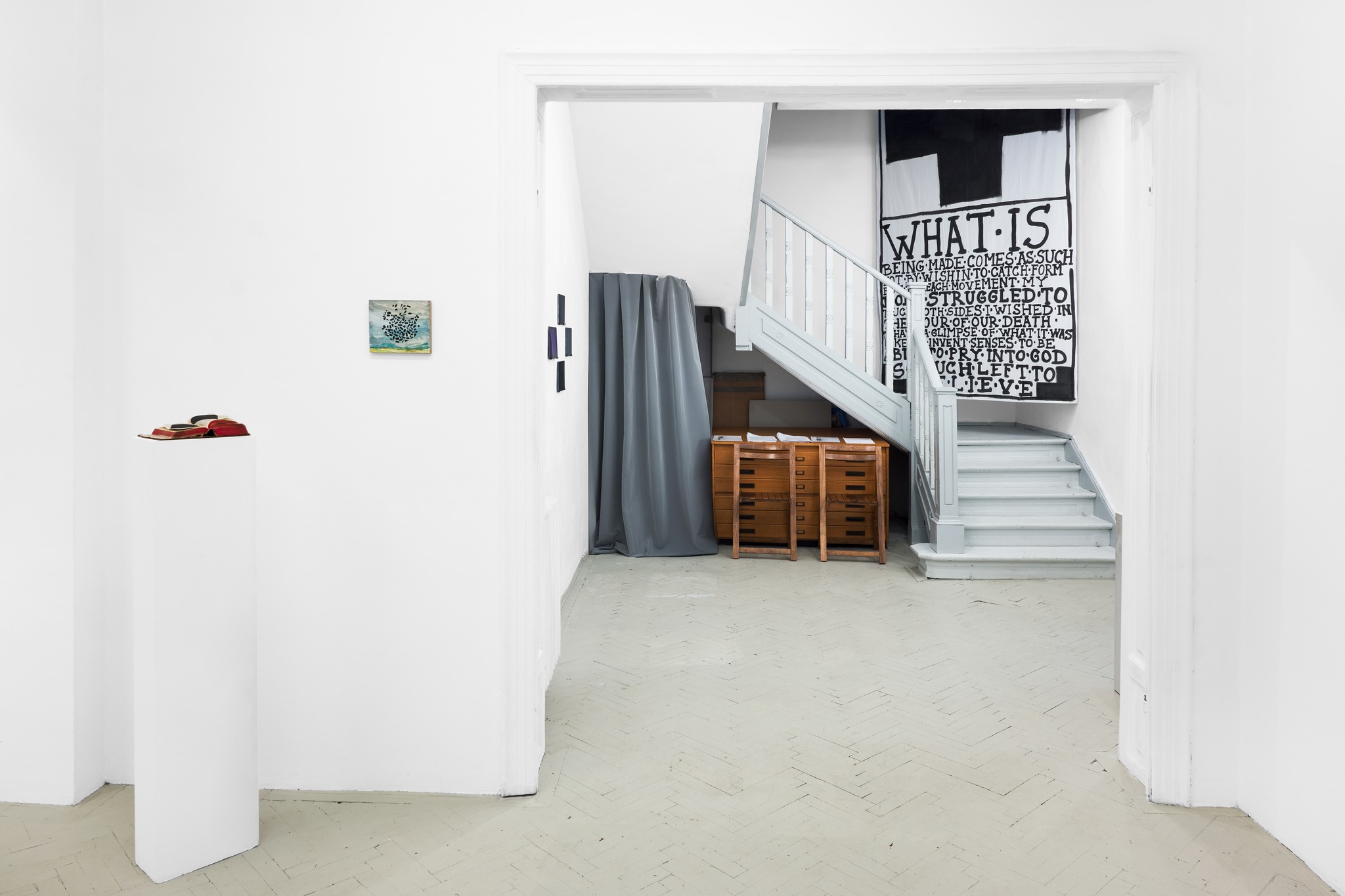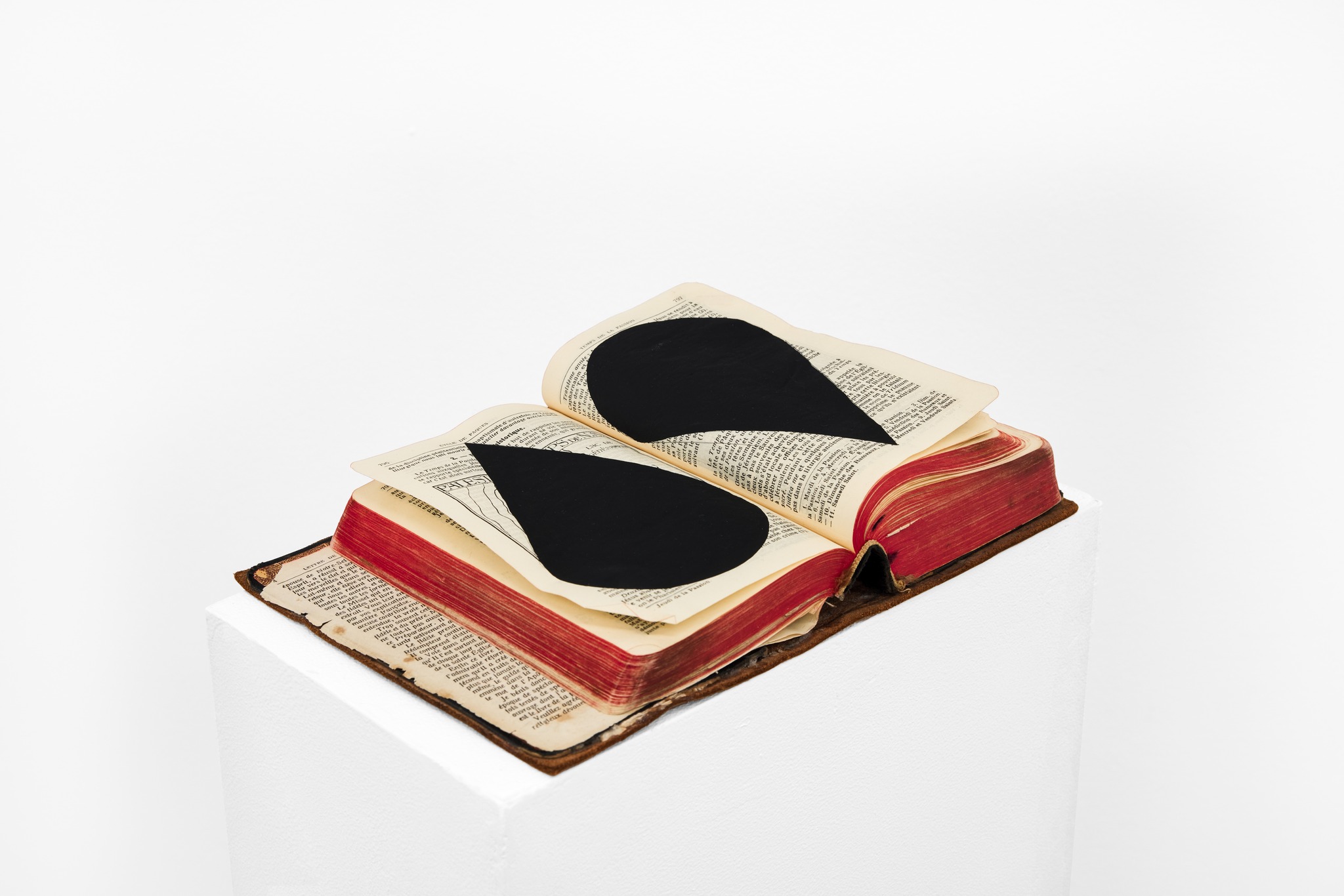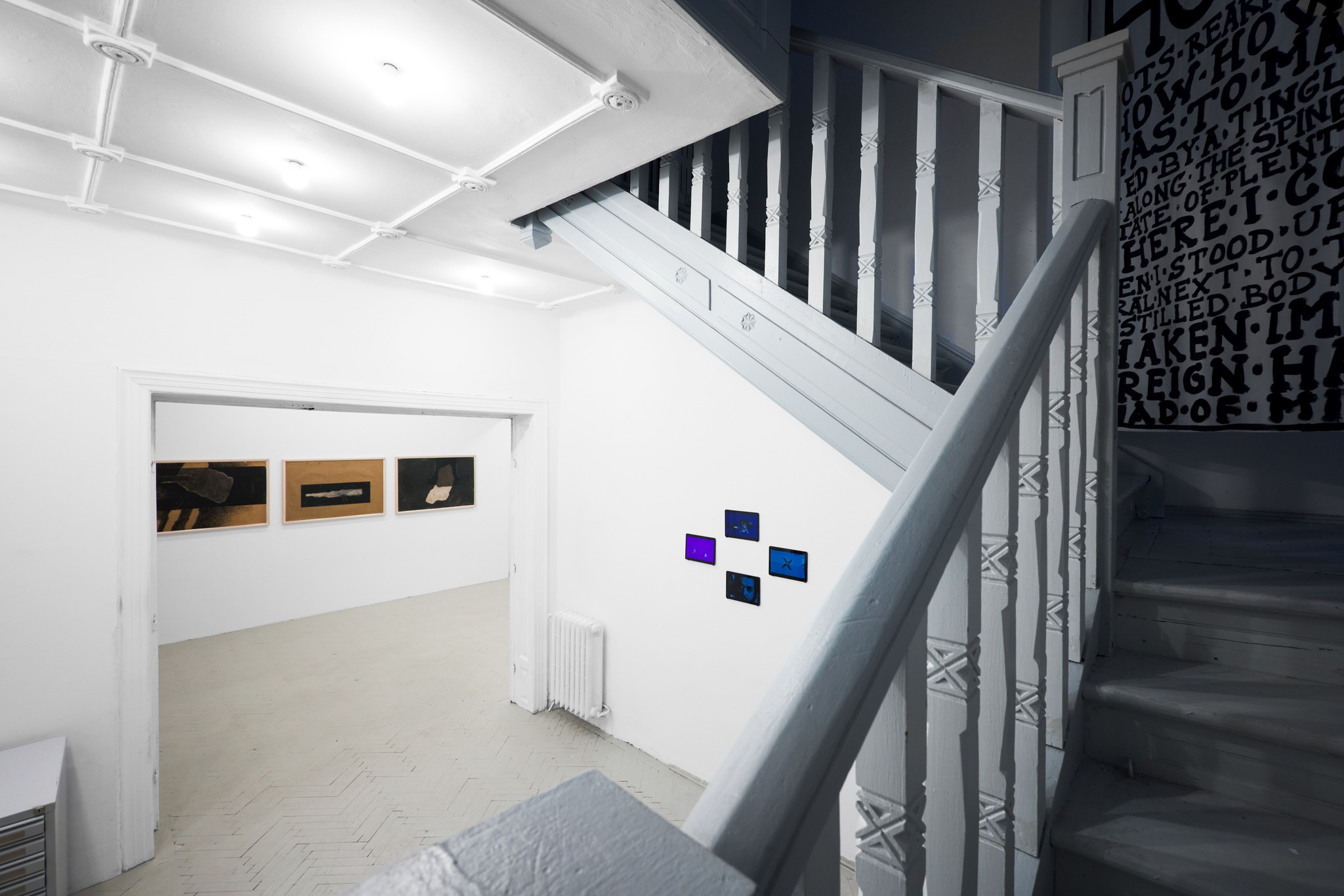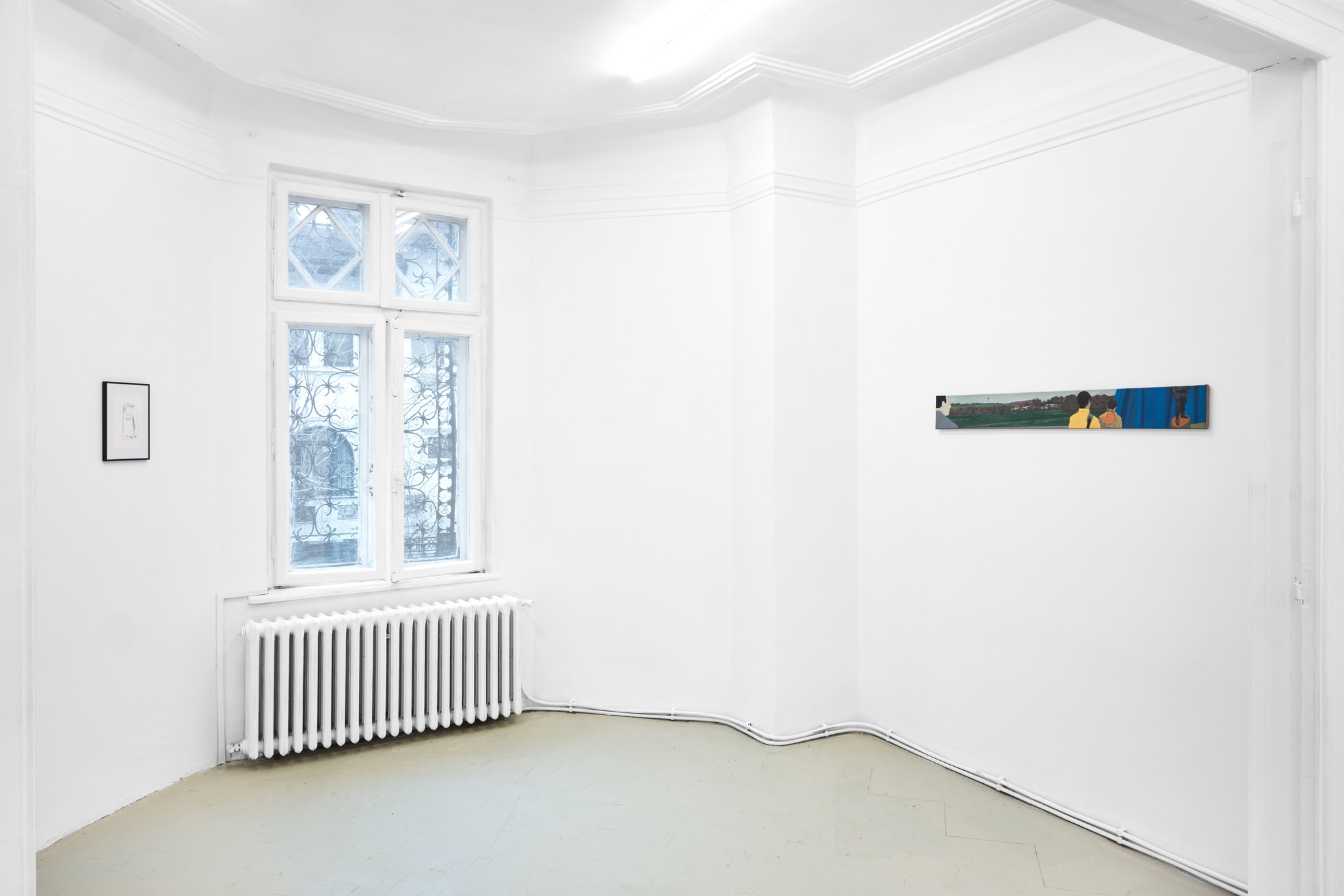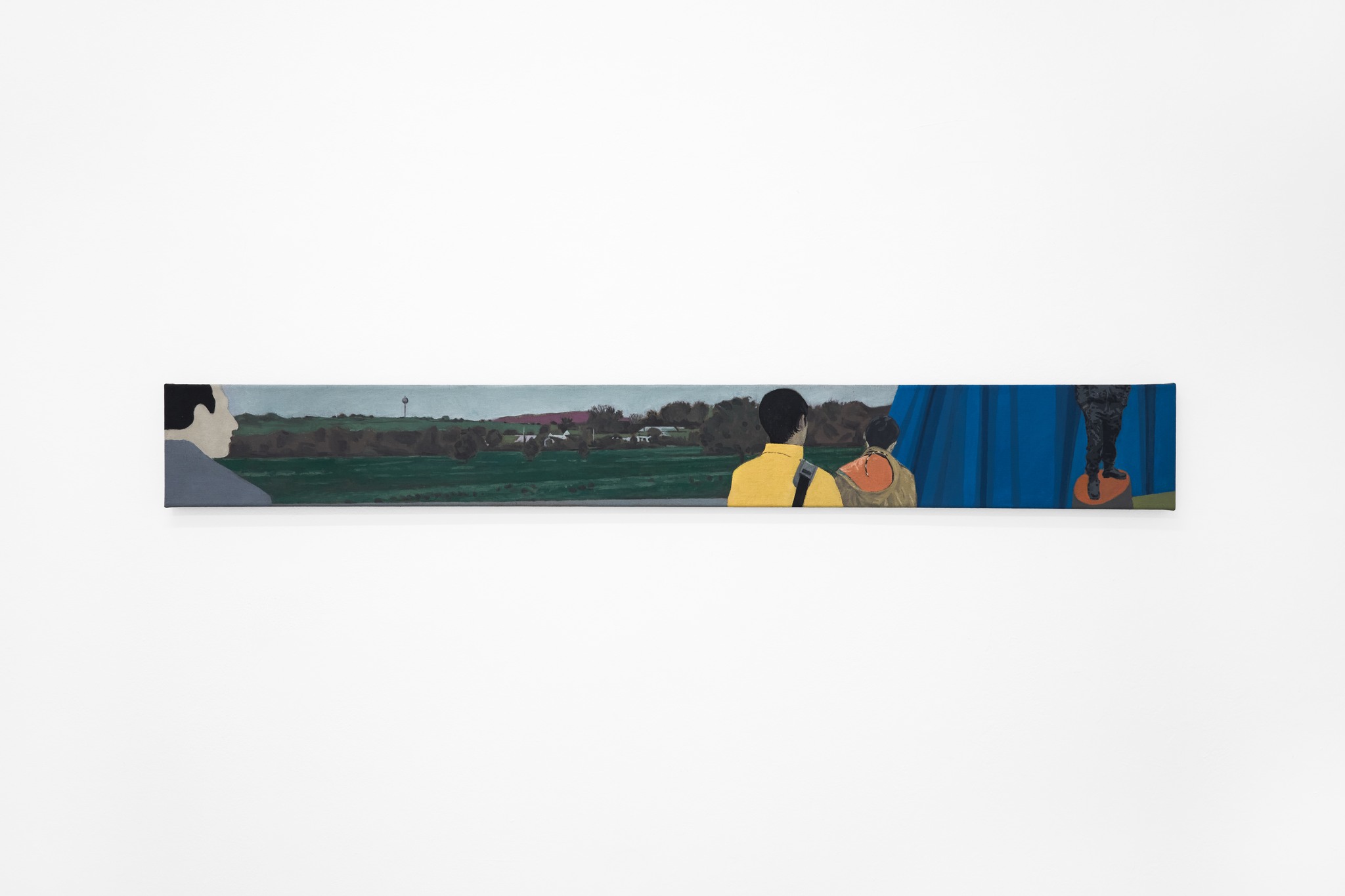
The group exhibition “Before a Warning (Then as Now)” at Galeria Ivan brings together works by Sándor Bartha, Geta Brătescu, Florina Coulin, Ion Grigorescu, Gavril Pop, and Iulia Toma, proposing a visual dialogue that traverses generations and diverse artistic practices.
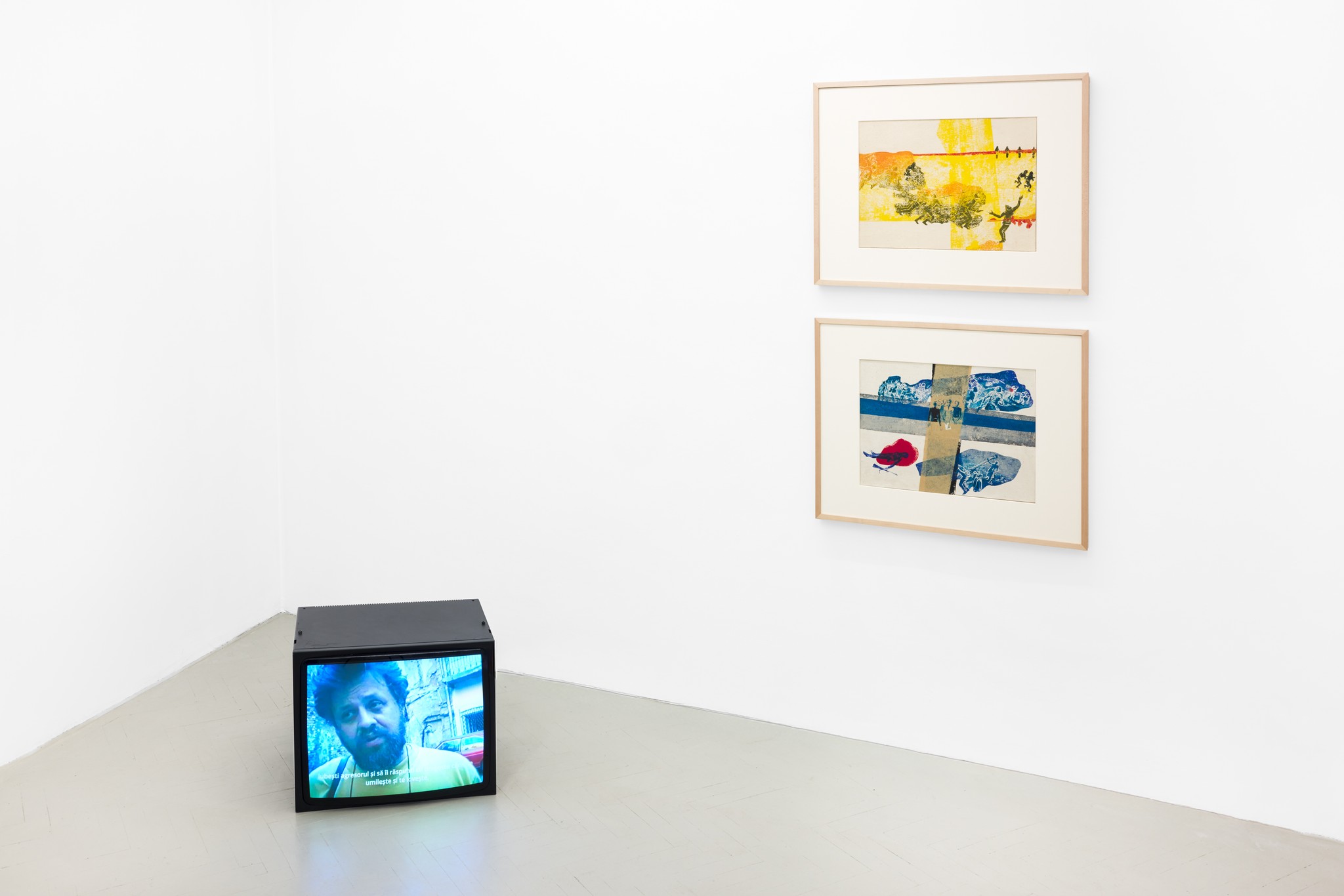
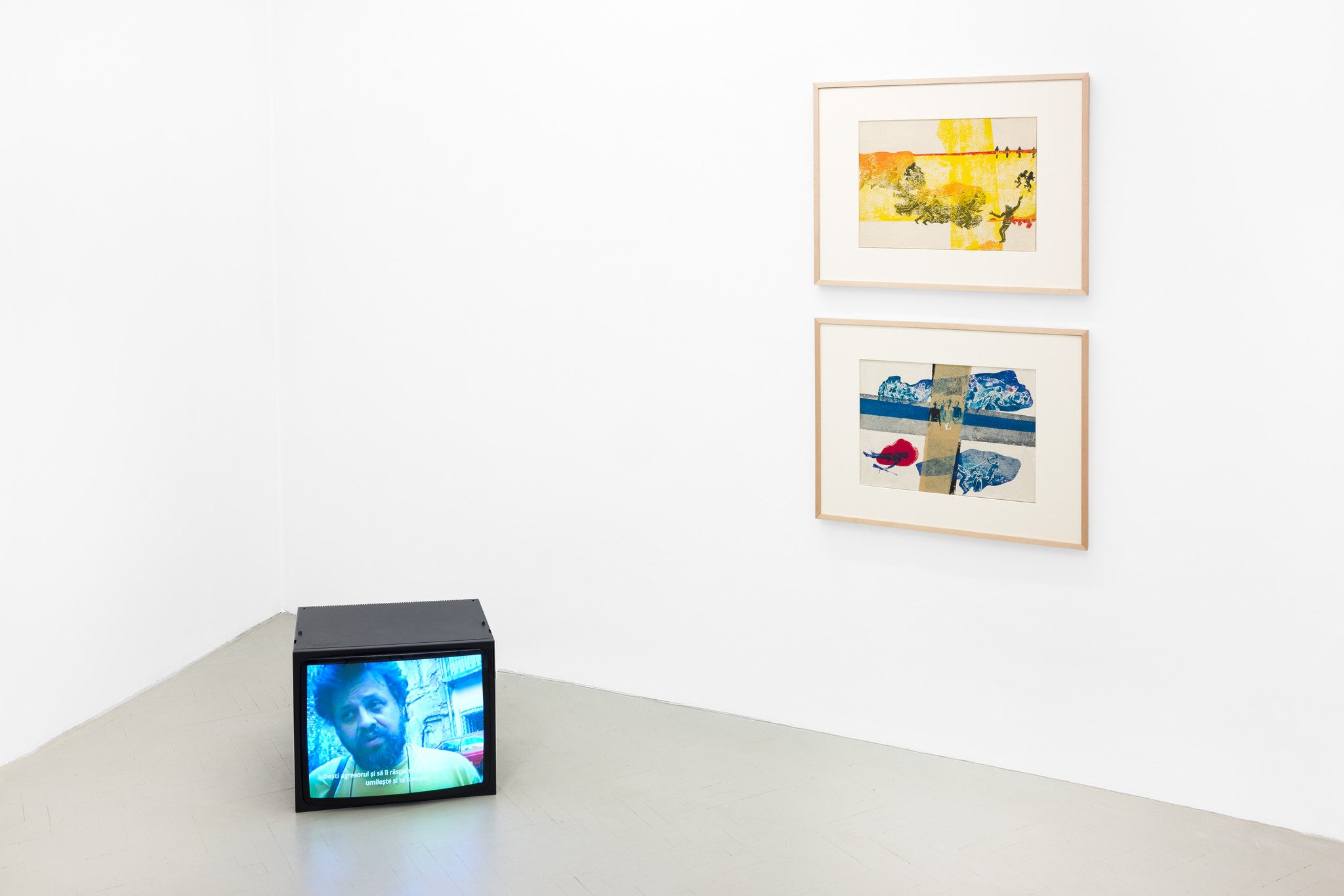
The exhibition originates from a video performance created by Ion Grigorescu in 1994 in Timișoara, for the exhibition “Orient, Occident”, curated by Ileana Pintilie. The work is presented here for the first time, as it was not exhibited at the moment of its creation. In this video performance, Ion Grigorescu interviews his peers, raising questions around conflict and violence. Then, as now, tensions were pushing society into a strained state of anticipation, marked by uncertainty. Thirty-two years after the making of this video, we find ourselves in a similar situation: a war at the border, a divided society, and a succession of conflicts that have either already erupted or are about to erupt in multiple parts of the globe.
Ion Grigorescu’s film thus becomes the zero point of the exhibition “Before a Warning (Then as Now)”, a space in which—much like in the video itself—discussion, reflection, and questioning are encouraged. Against the backdrop of an increasingly suffocating and unpredictable global security crisis, the accelerated collapse of the old order makes the need to speak about the present open up instinctively.
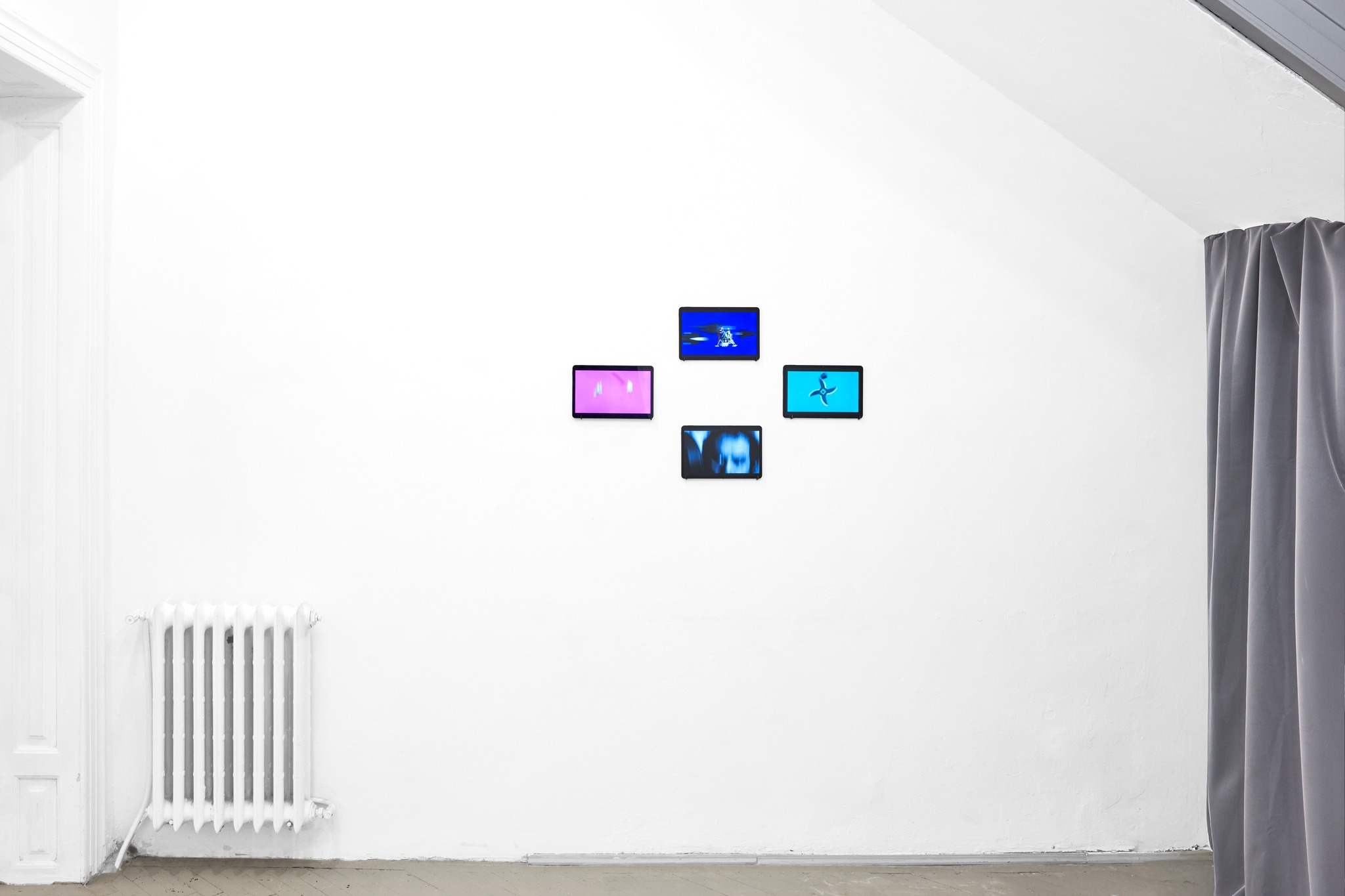
The issue of hierarchy is addressed by Sándor Bartha in the animation series “VIP”, which is based on the October 12, 1940 issue of the newspaper Székely Közélet. The festive edition, published after the Second Vienna Award, features on its front pages the visit of Governor Miklós Horthy and his wife to Odorheiu Secuiesc. In contrast, on the last page, a few lines announce the opening of the permanent workshop of Sándor Bartha (the artist’s grandfather), a master grinder, in the same city. Drawing from this document, the artist creates characters inspired both by statesmen and by craftsmen, critically interrogating the institution of the VIP and the criteria that define “very important people.”
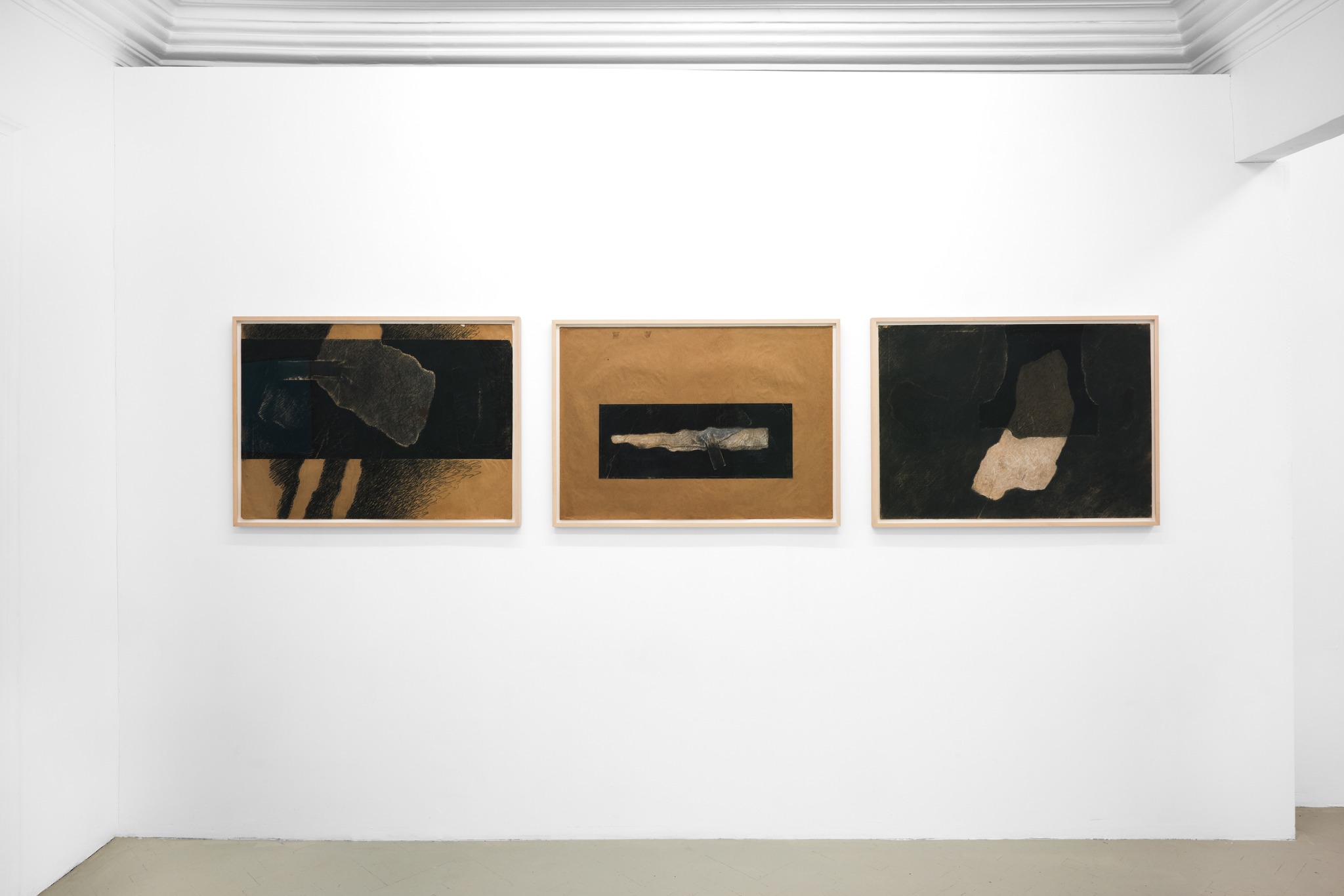
For Geta Brătescu, the experience of war was a direct one, recalled in the volume “Atelier Vagabond”, published in 1994 (pp. 36–37, Cartea Românească), where she recounts how the Despina Doamna girls’ high school building was turned into a hospital for the war wounded, while senior students supervised the wards. The series Pre-Medeic Forms (1975–1977) originated from the image of a military convoy drawn by Geta Brătescu in a composition structured as a mass of conflicting forces, still bearing faint traces of a contemplative archaeology: canvas, wood, straw, iron. From this series, the Medeic form later develops, detached from the mass of opposing tensions.
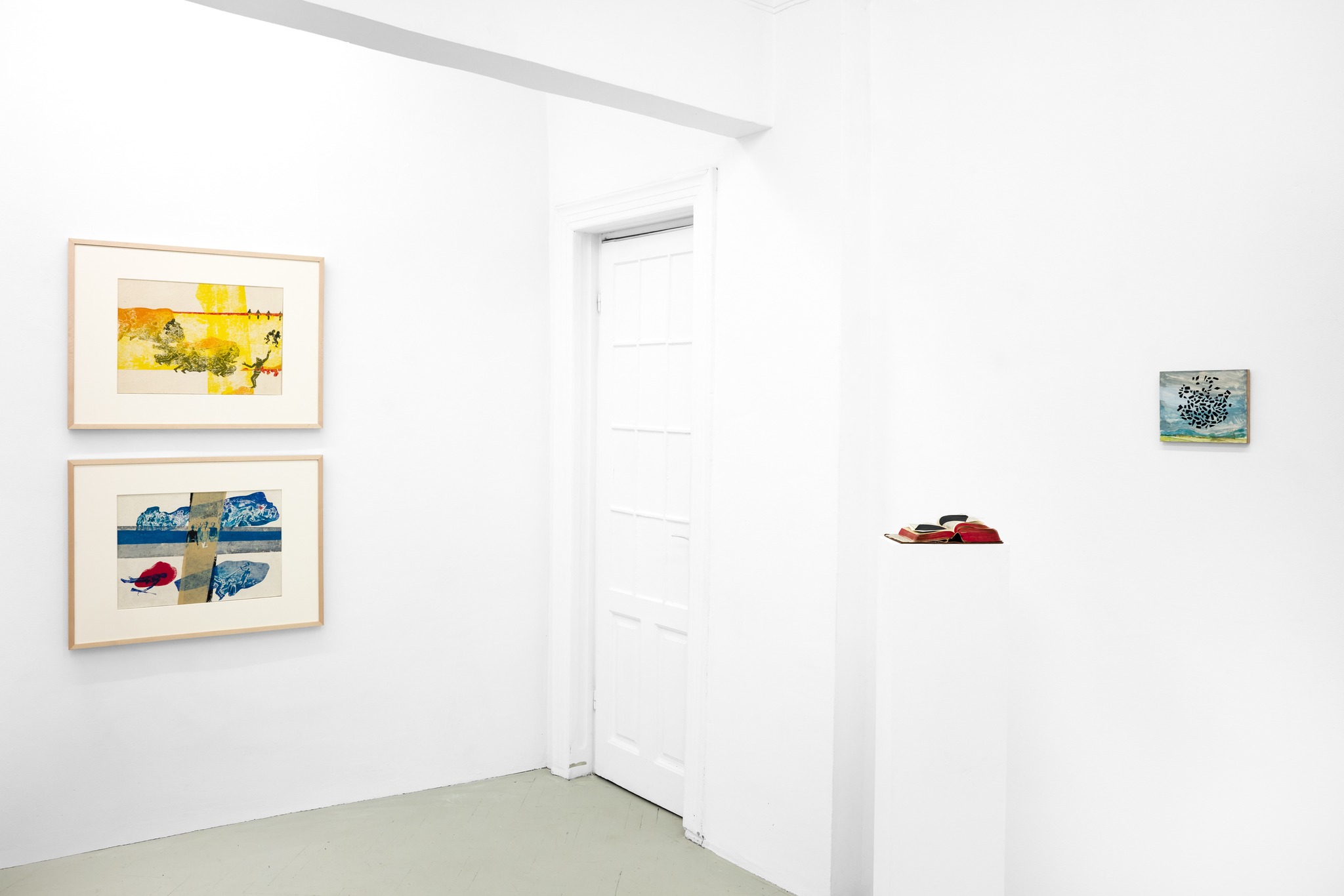
War appears in the works of Florina Coulin as a presence of her time, filtered through informational pressure and the tension that permeates everyday life. The Vietnam War is one of the reference points of this context, shaping the way reality is perceived and represented. In her works, Florina Coulin explores this tension through gestures and visual structures that reflect the uncertainty and fragility of the world she inhabits. Her practice becomes a space for articulating personal impressions and emotions, probing the limits and possibilities of thought from the perspective of a “young person, among young people.”
Gavril Pop is attentive to the uncertainty and anticipation that define the preparatory moment we currently inhabit. The fall into the abyss is preceded by the step taken at its edge. The imminence of falling and the observation of a limit situation generate a sense of confusion, against which the artist raises questions about violence and the way language sustains conflict. Tension becomes a state of being that, over time, leads to self-destruction. In his artistic practice, the recycling and reuse of materials acquire a meaning that transcends the factual, becoming a method of regeneration and reconfiguration of the object.
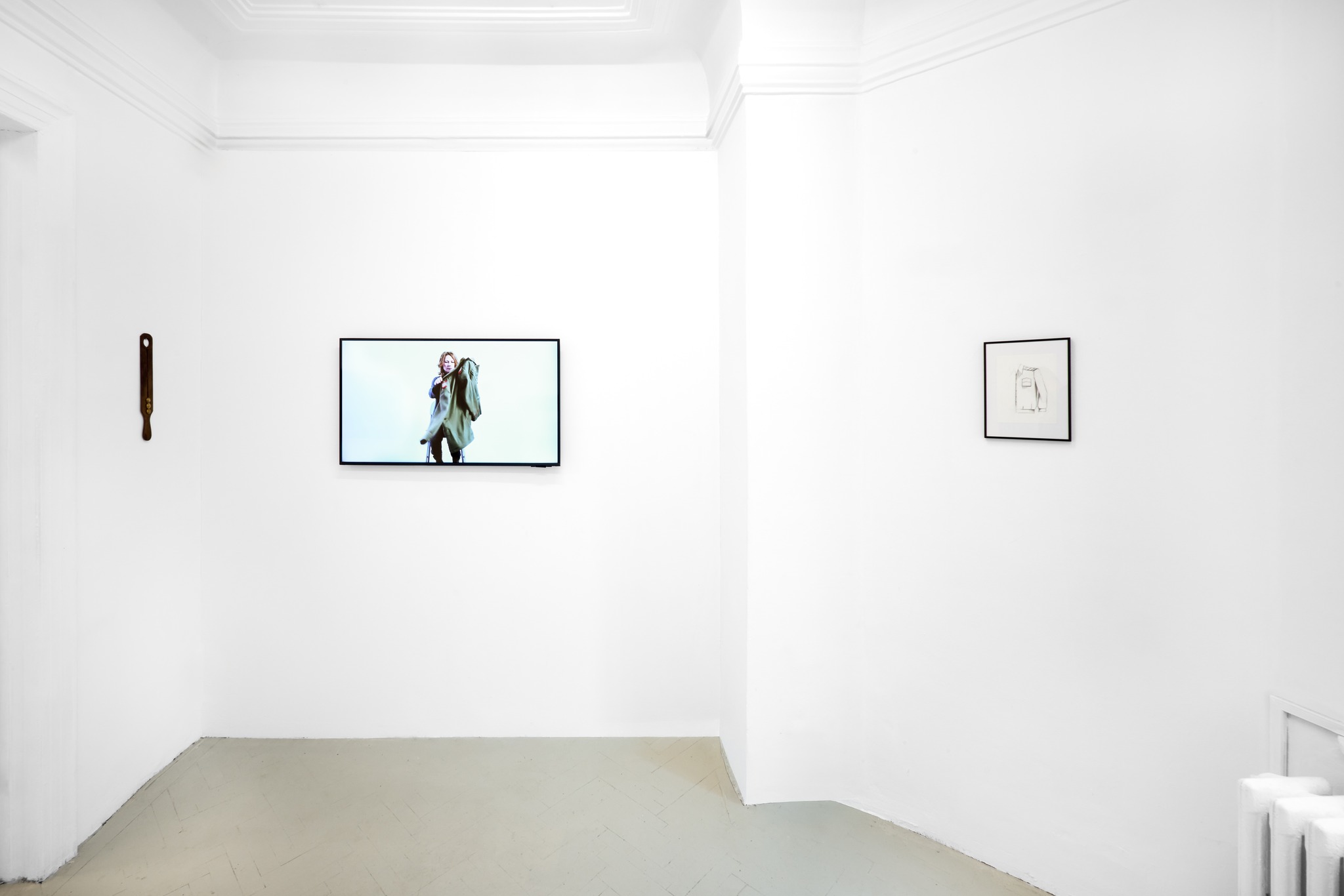
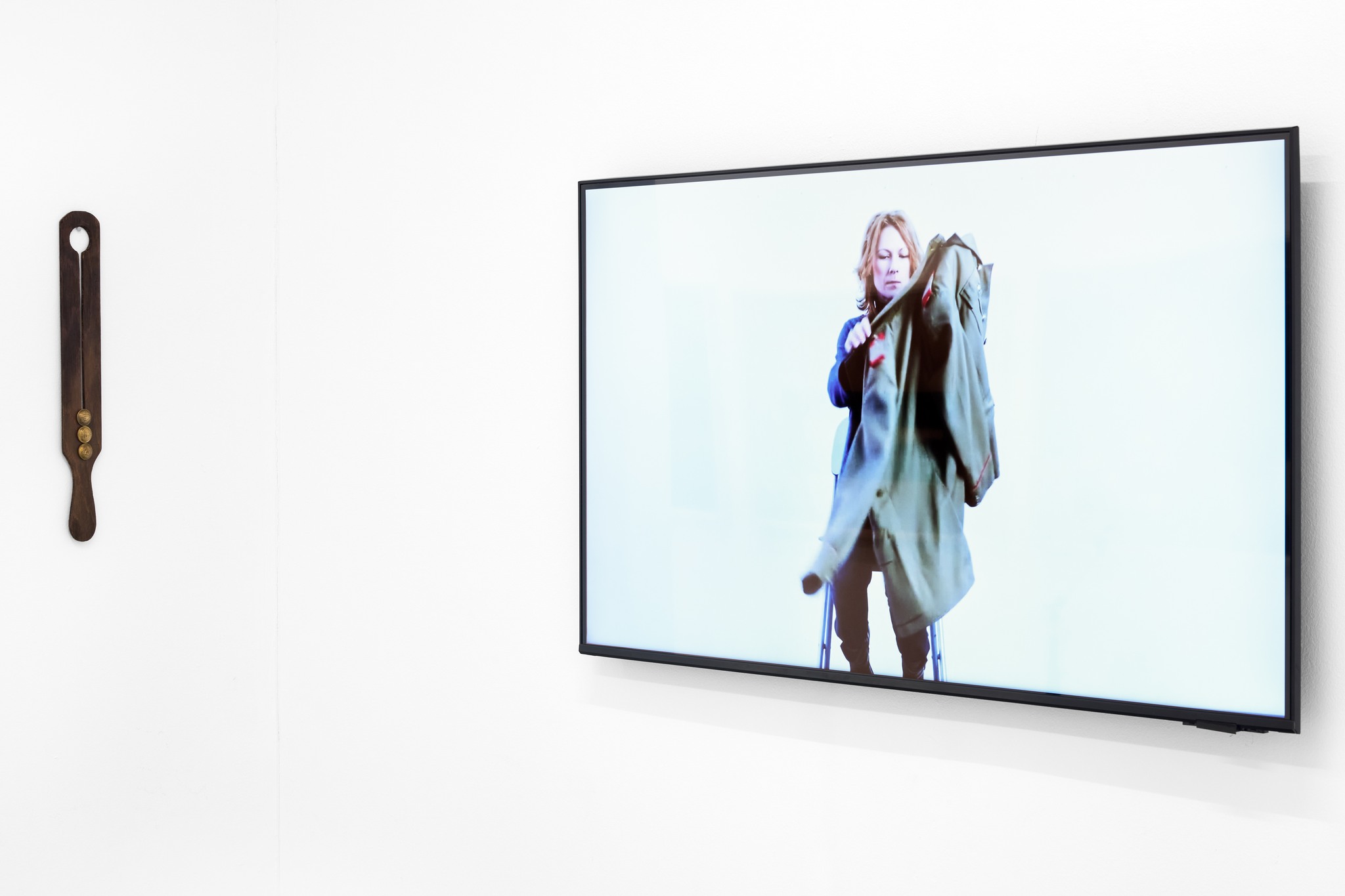
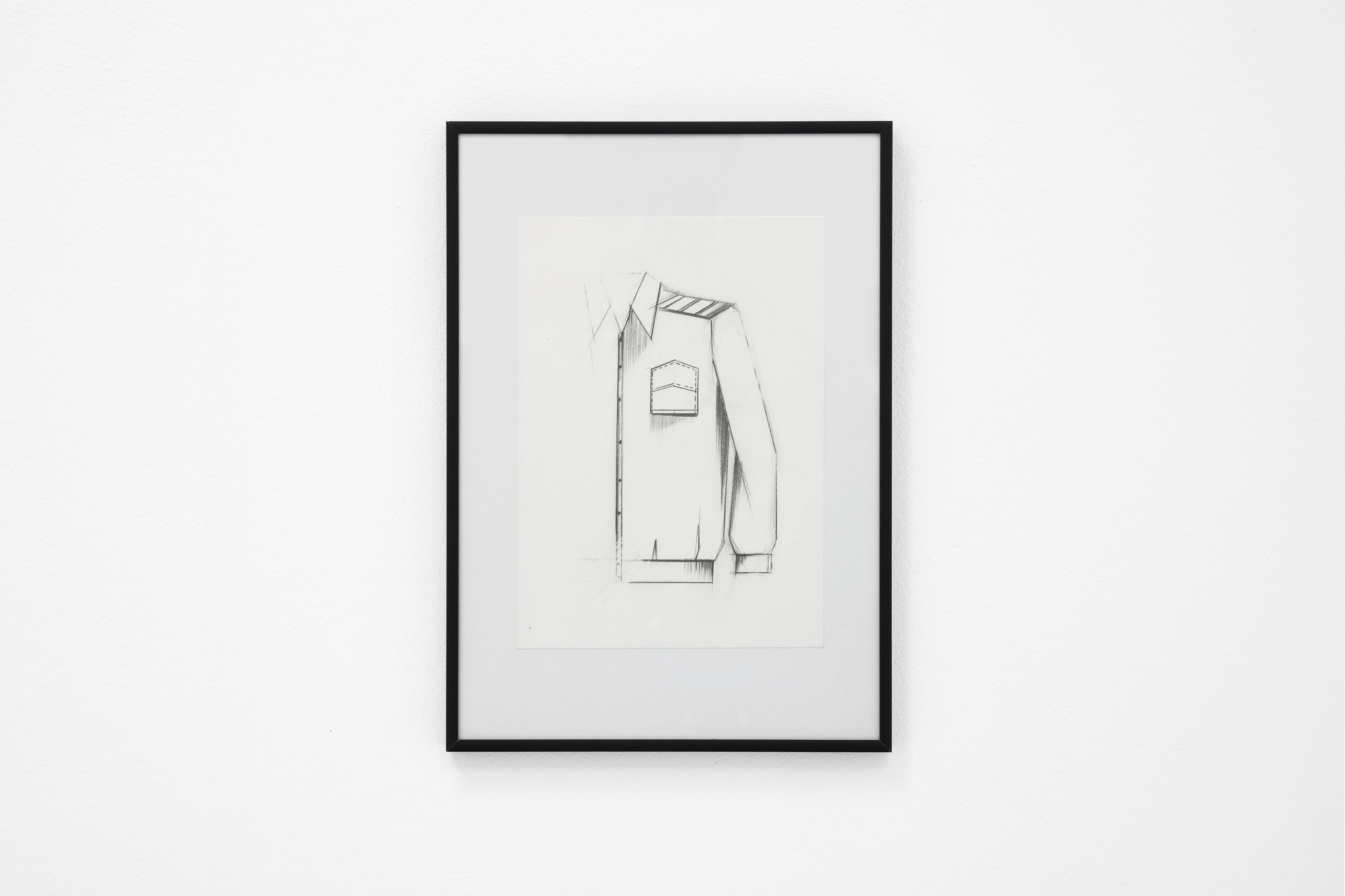
The video Perfect by Iulia Toma is built around a repetitive, hypnotic gesture. Polishing the buttons of a military uniform becomes a channel of communication and remembrance of the daily ritual practiced by the artist’s father. The relationship of presence–absence with the paternal figure is rendered through rigor and attention to detail, meant to construct the image of a perfect outfit associated with respectability. Thus, an apparently rigid gesture is transformed into an intimate moment of reconnection with the past. The memory of the father also reappears in the work The Pocket Turned Home, where the recollection of the ritual of waiting for him is reflected in the detail of the uniform. (curatorial text)
The exhibition can be visited at Galeria Ivan in the Cotroceni district, 13 Profesor Doctor Dimitrie Grecescu Street, until March 8, 2026, from Wednesday to Saturday, 2:00–6:00 PM, or by appointment.