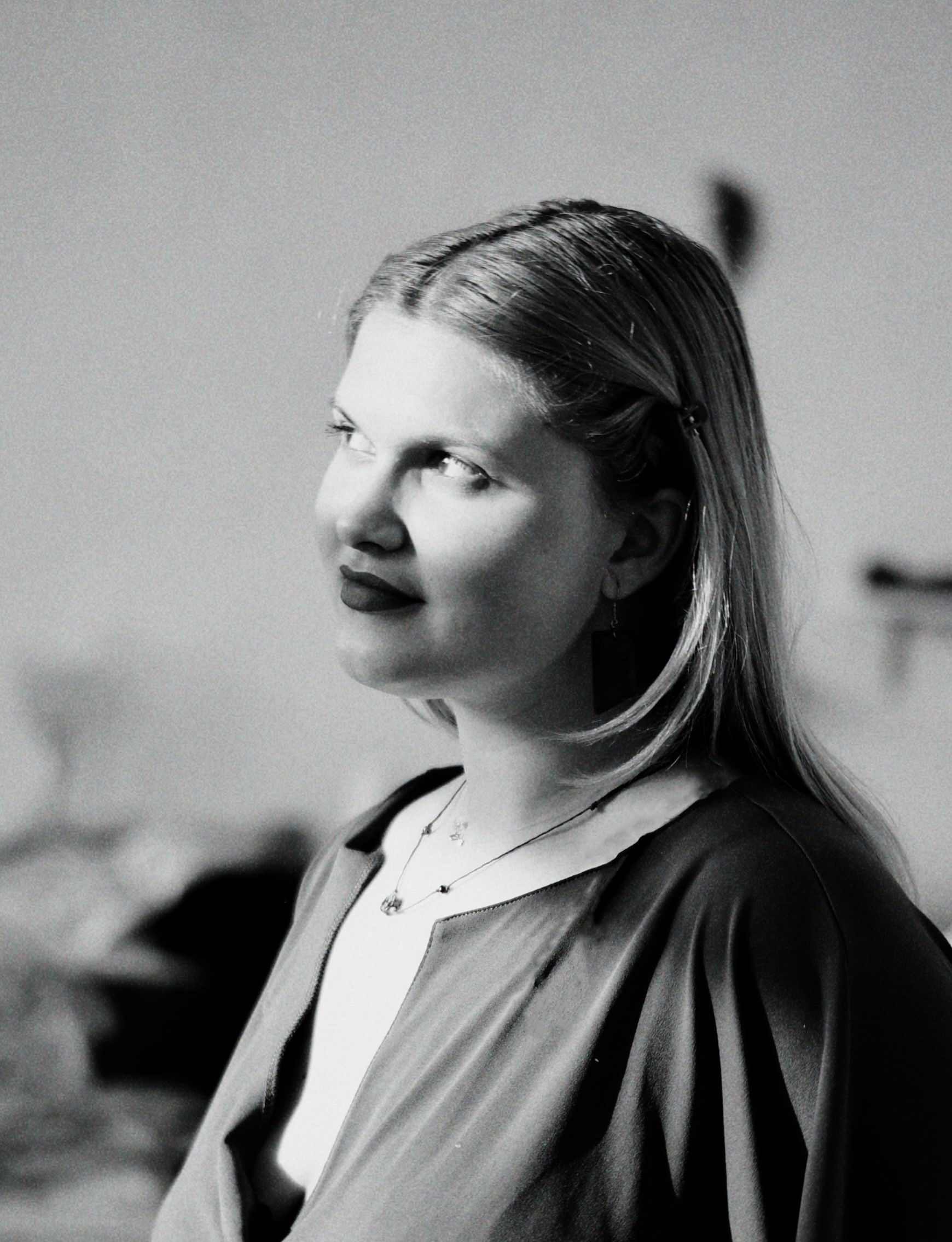
Artist Miruna Copăcel speaks to us about the themes that are relevant to her practice, the materials she works with, and her creative process. The interview explores her experience studying at the University of Art and Design in Cluj-Napoca, her relationship with the local art scene and the importance of community, as well as her direct encounter with the work of Constantin Brâncuși, in the context of the exhibition “Imaginary Dialogues with Brâncuși: Expanding the Limits of Artistic Expression,” organized to mark the 150th anniversary of Constantin Brâncuși’s birth. A conversation about process, influences, support, and what it means to build an artistic career today.
Was there a particular moment or event that influenced your decision to become an artist?
Miruna Copăcel: I studied at “George Apostu” National College of Arts in Bacău, the city I come from. Although I had been doing various things in the visual arts field since middle school, I was still preparing for medical school from the 10th grade onward. I think the moment that comes to mind is when my teacher, Ionela Lazureanu, a visual artist also specializing in sculpture, sent me to the national art olympiad, joking that she was doing it “by force” because I was good at it and she wasn’t going to send anyone else. I went to Bucharest and took the tests. I wasn’t looking forward to the drawing exam at all, and that showed in the result, but I was genuinely excited about the modeling exam, and it was clear in the end that I had put a lot of energy into it. Together, the two grades earned me third prize at the olympiad. It felt like a big deal to me, considering that I wasn’t really dedicating myself to art at all. Somehow, I think that was the turning point, because after I returned from Bucharest, I abandoned my preparation for medical school and turned toward sculpture. What I did know was that I wanted to study art, and that it had to be in Cluj.
You studied sculpture at the University of Art and Design in Cluj-Napoca. How useful was the academic experience in developing your own style and preparing you for an artistic career?
M.C.: I completed both my bachelor’s and master’s degrees in the Sculpture Department at the University of Art and Design in Cluj-Napoca. The first two years were a bit strange. We were somehow in a semi-pandemic period. Although the stricter regulations were gradually easing, you could clearly feel the impact the whole situation had on us. We had a lot of online classes; at the department, we worked two meters apart from one another and then went home. It wasn’t much fun. Things only really started moving toward the end of the second year. In my third year, during the first semester, I went on Erasmus. I had a great time and learned a lot. I saw many interesting things that I think influenced me and laid the foundations for what came later. The master’s program and the way it was structured helped me define a direction for myself. The projects suited me really well, and I researched many more things than I had during my bachelor’s degree.
What drew you to sculpture? Have you been tempted to explore other media as well?
M.C.: During Erasmus, I took several different courses, so I also painted, made film and animation, and even did performance. I still like testing new media. I would never say that I work exclusively in sculpture, but I think it comes most naturally to me. I like putting my hands on something and seeing how that material, that object, changes after I’ve touched it. I like to observe and act on impulse.
How would you describe your debut on the art scene, as well as the first few years after graduating? What were the biggest challenges you faced?
M.C.: I don’t think I can point to a single exhibition or a single work that brought me closer to the art scene. I think every time I presented my work publicly had some kind of influence on my journey, and each time I learned something. The logistics of transporting and storing works seem to me like the things that cause sculptors the most trouble. Either way, you depend on other people and on how much space you have. If you don’t have space, you can’t store your work. In a way, that also constrains you, because you can’t always make works the way you would like to, simply because you have nowhere to put them.
Could you tell us a little about your artistic practice?
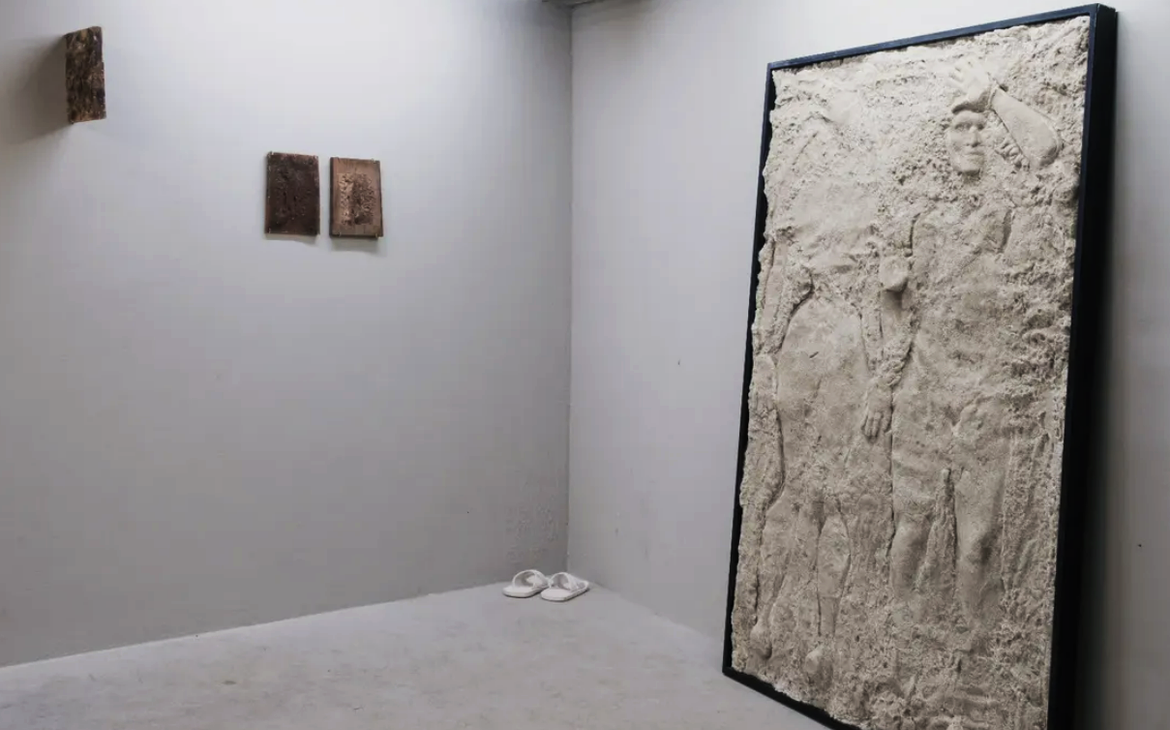
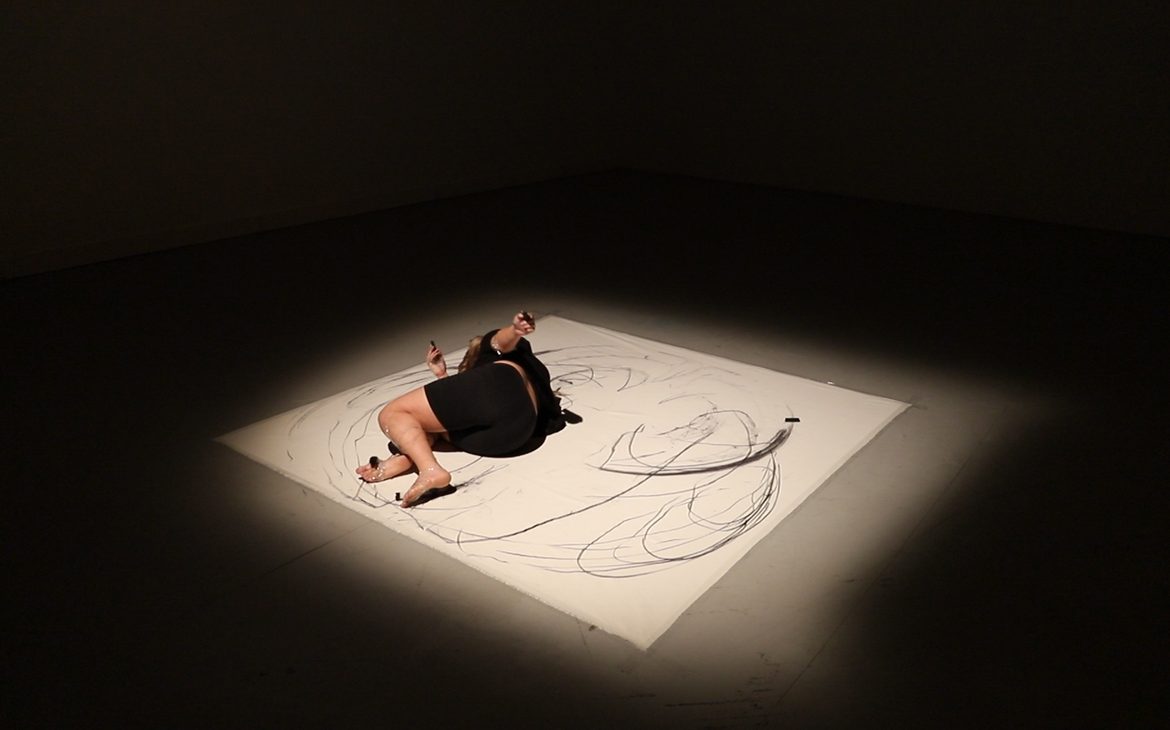
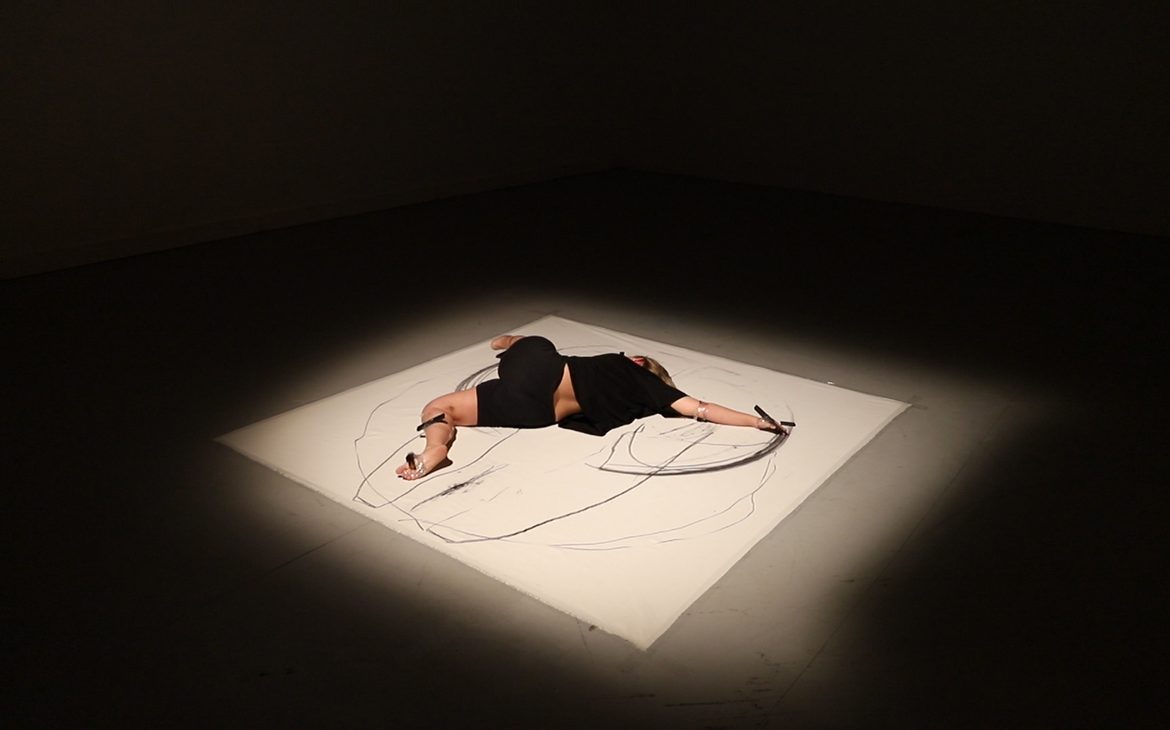
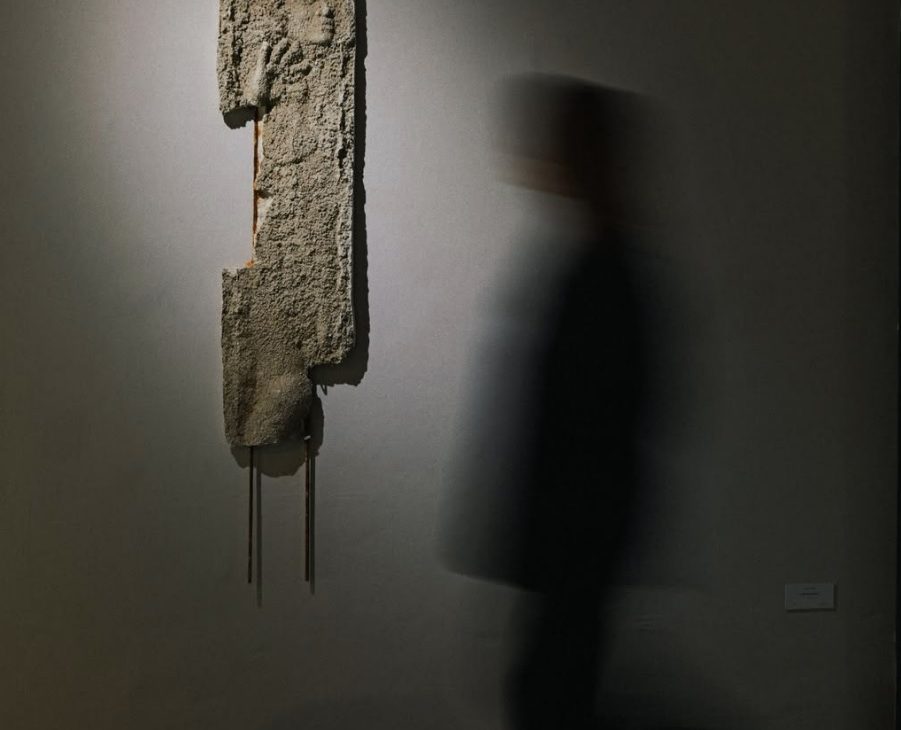
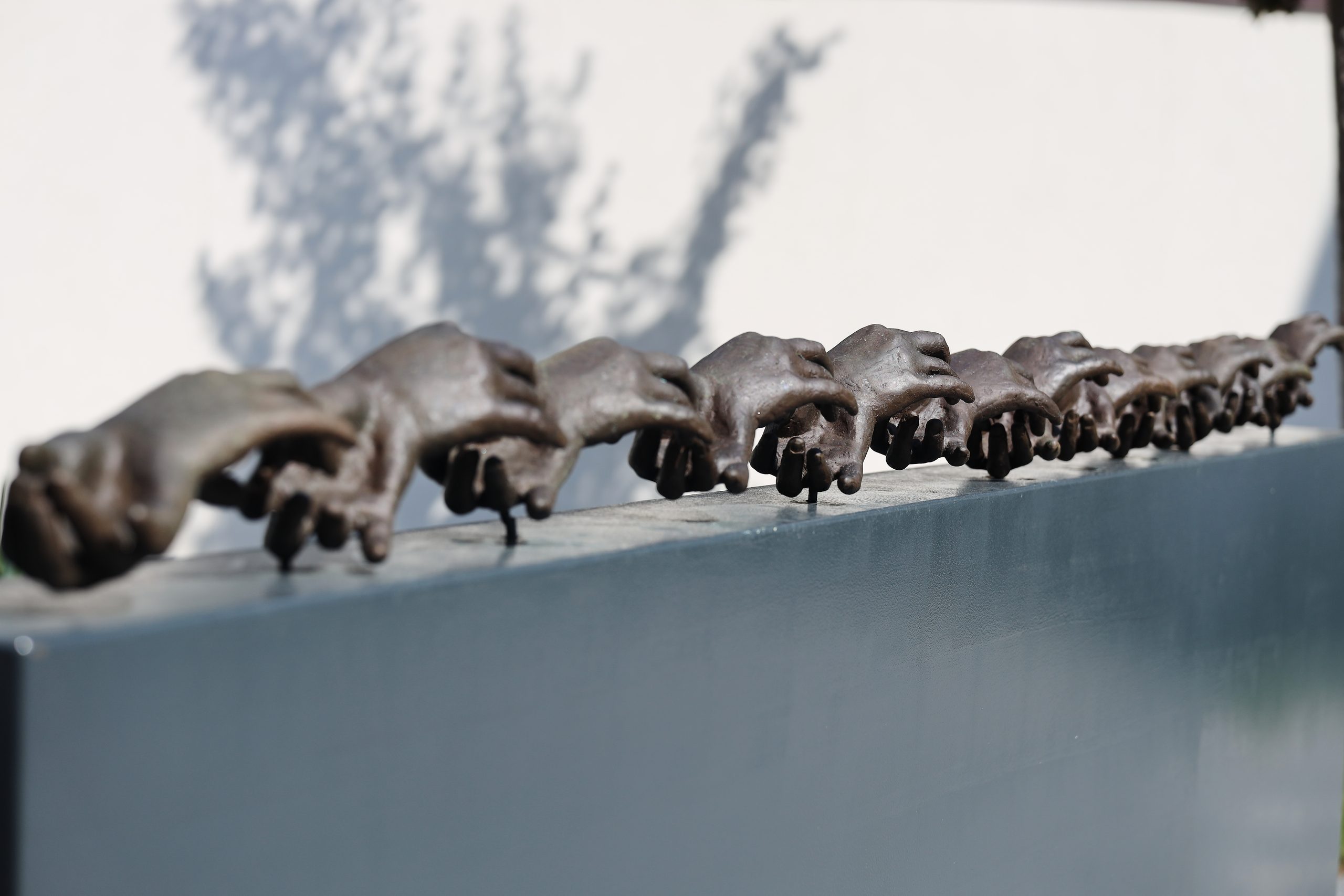
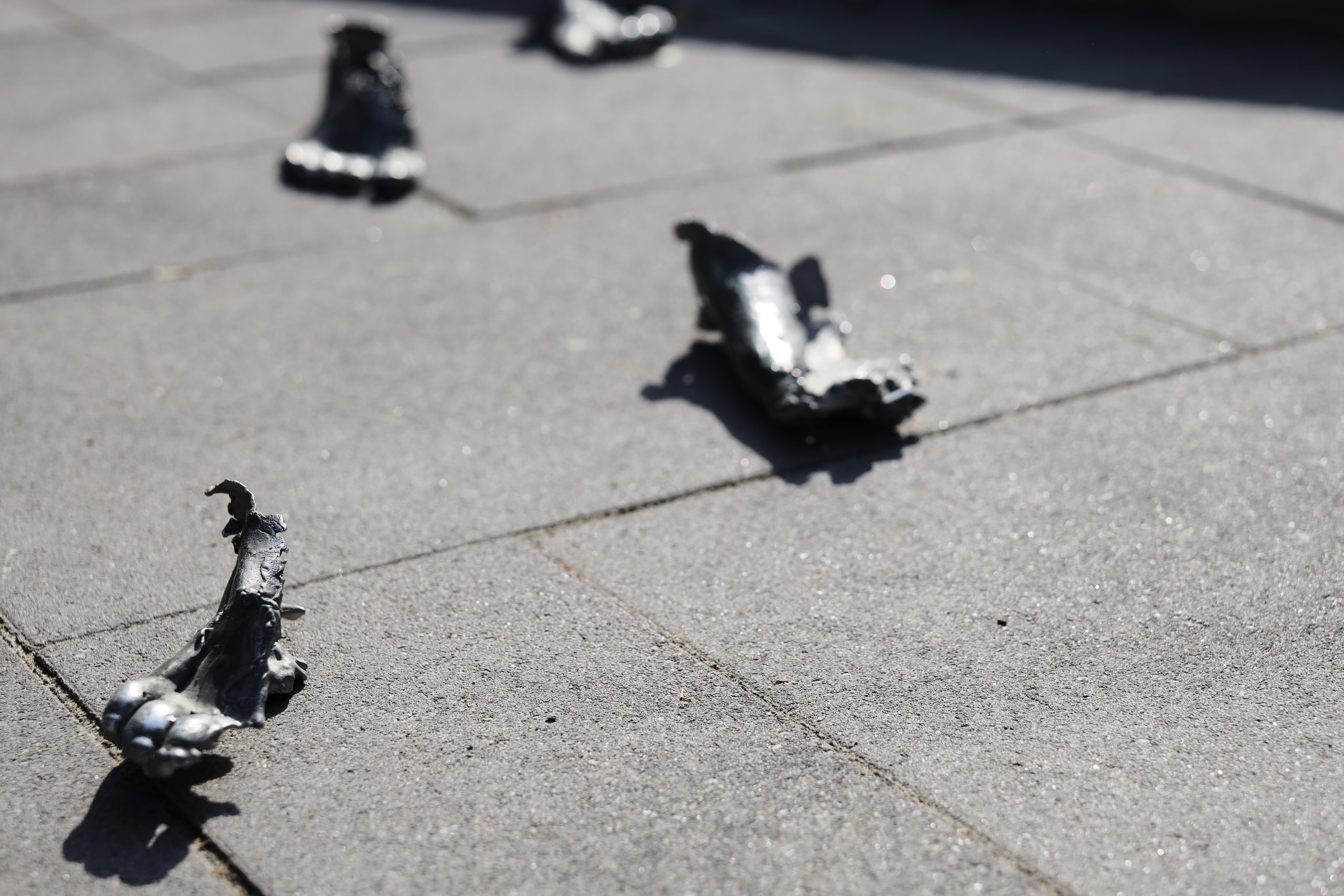
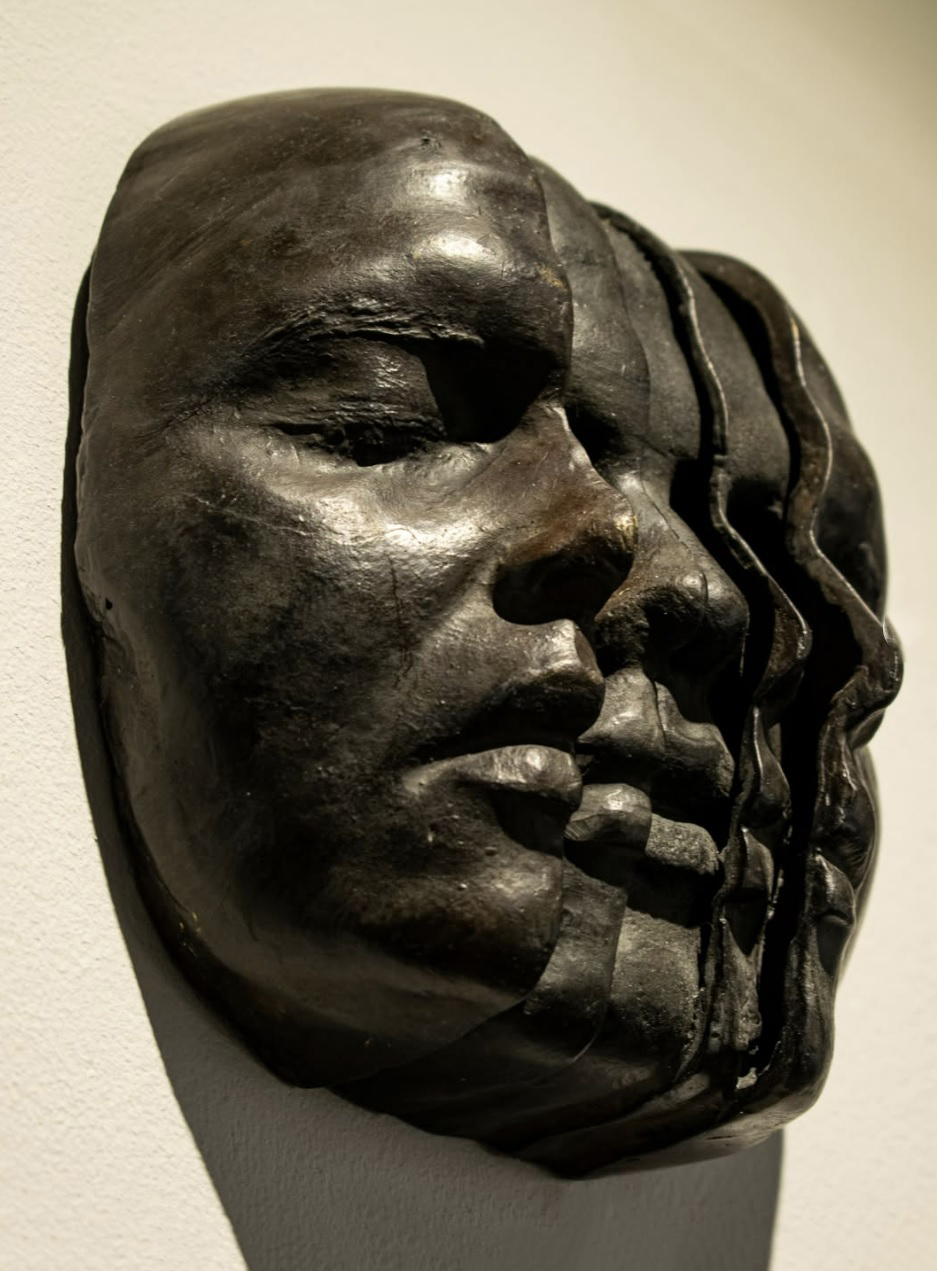
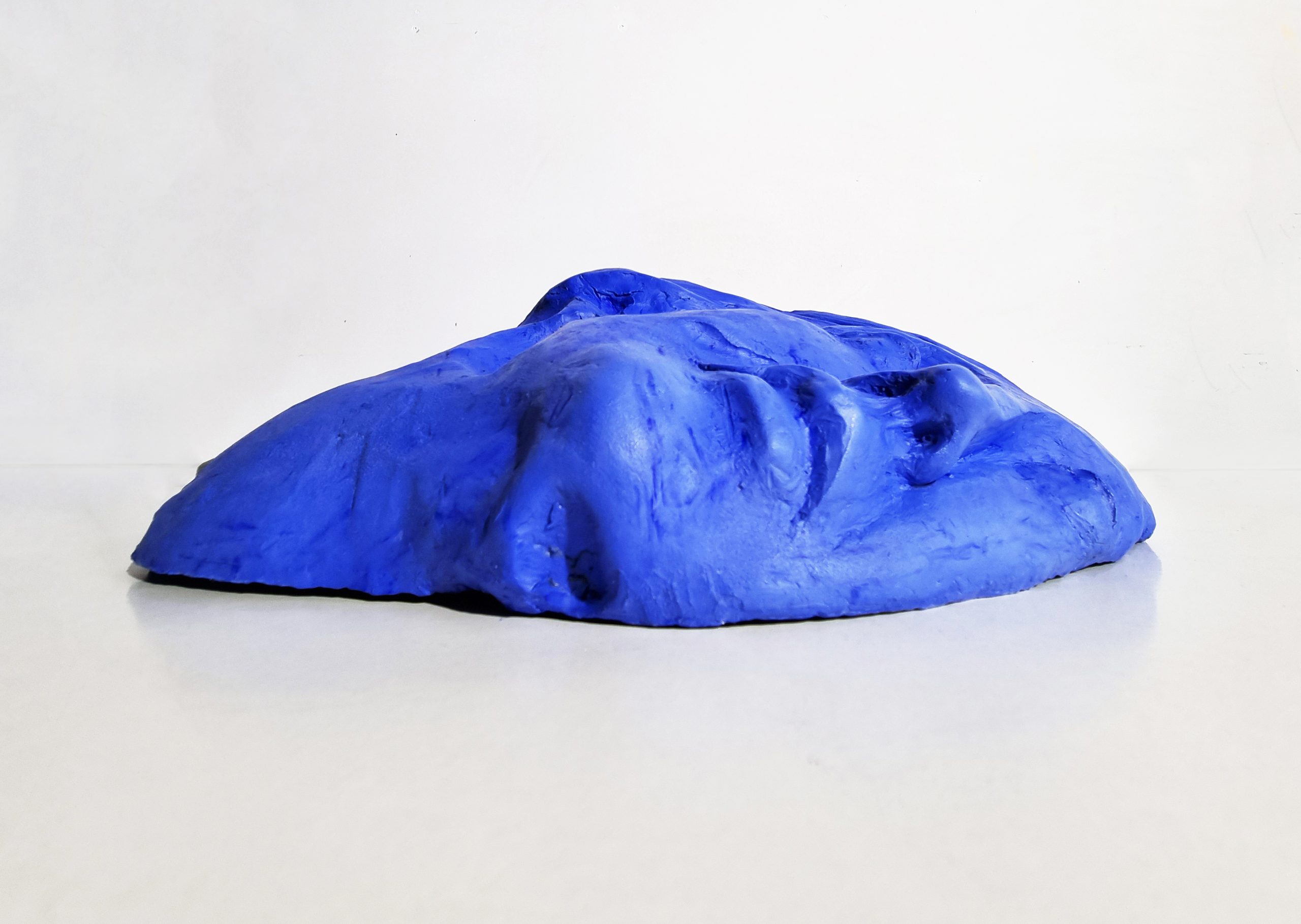
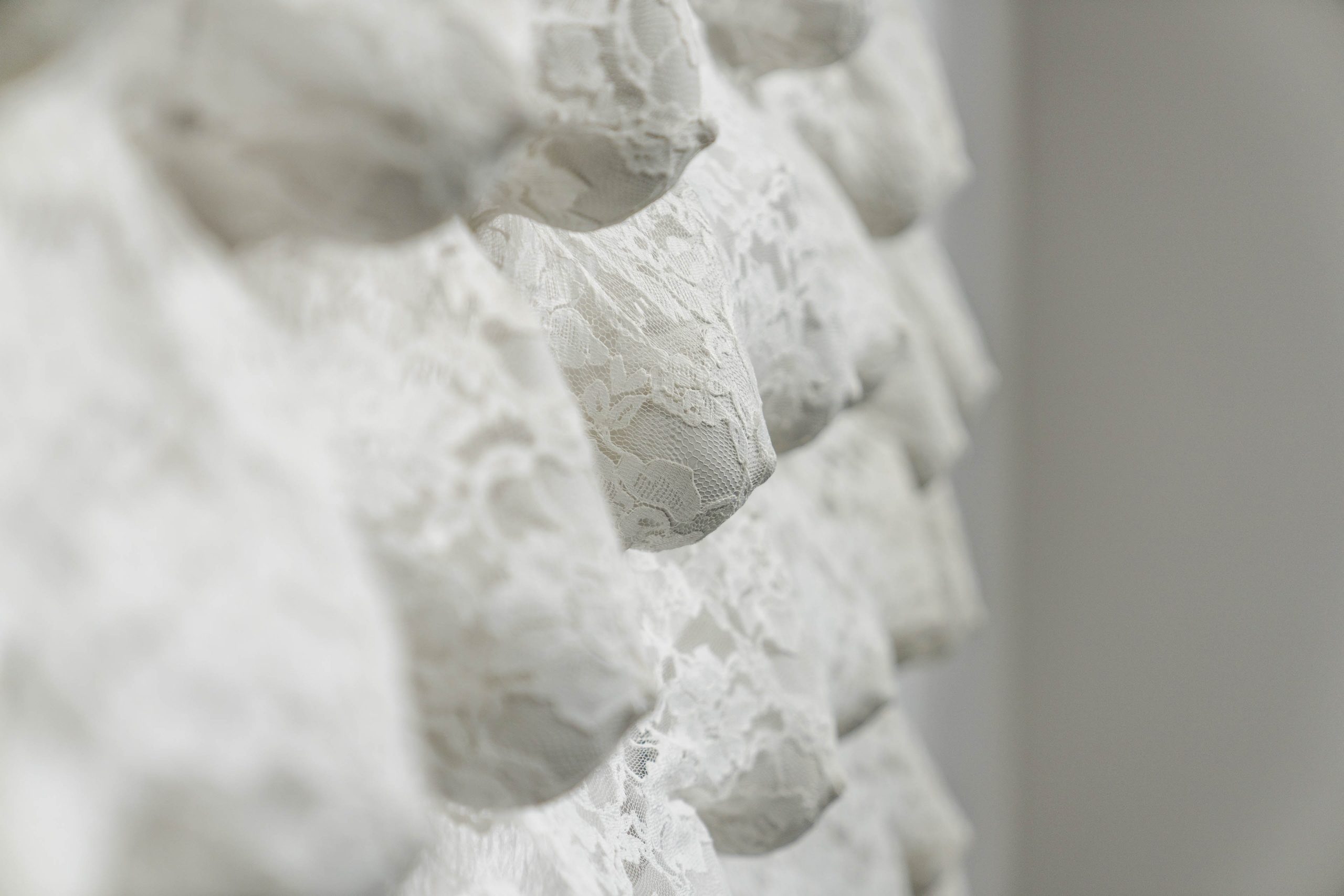
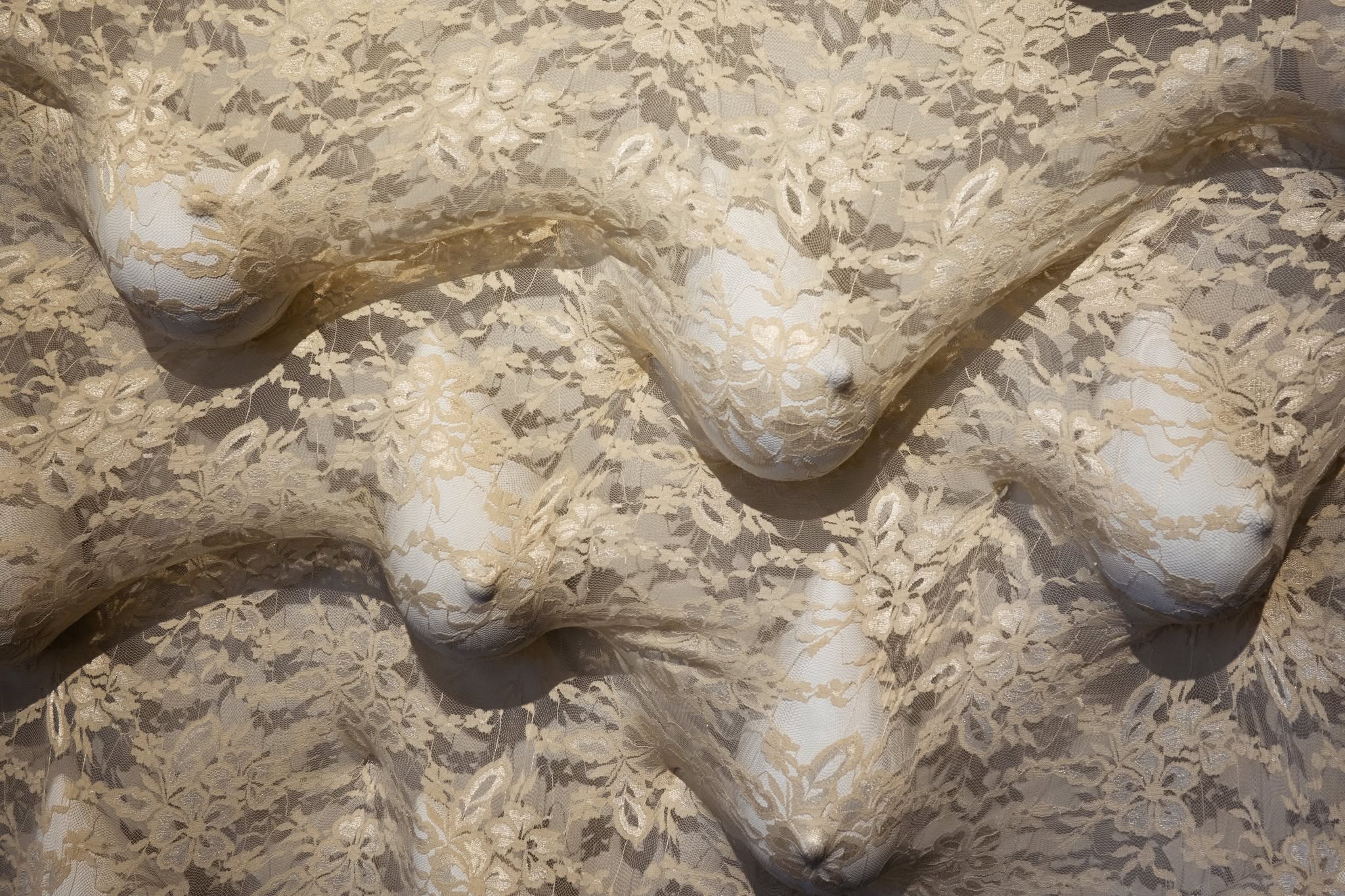
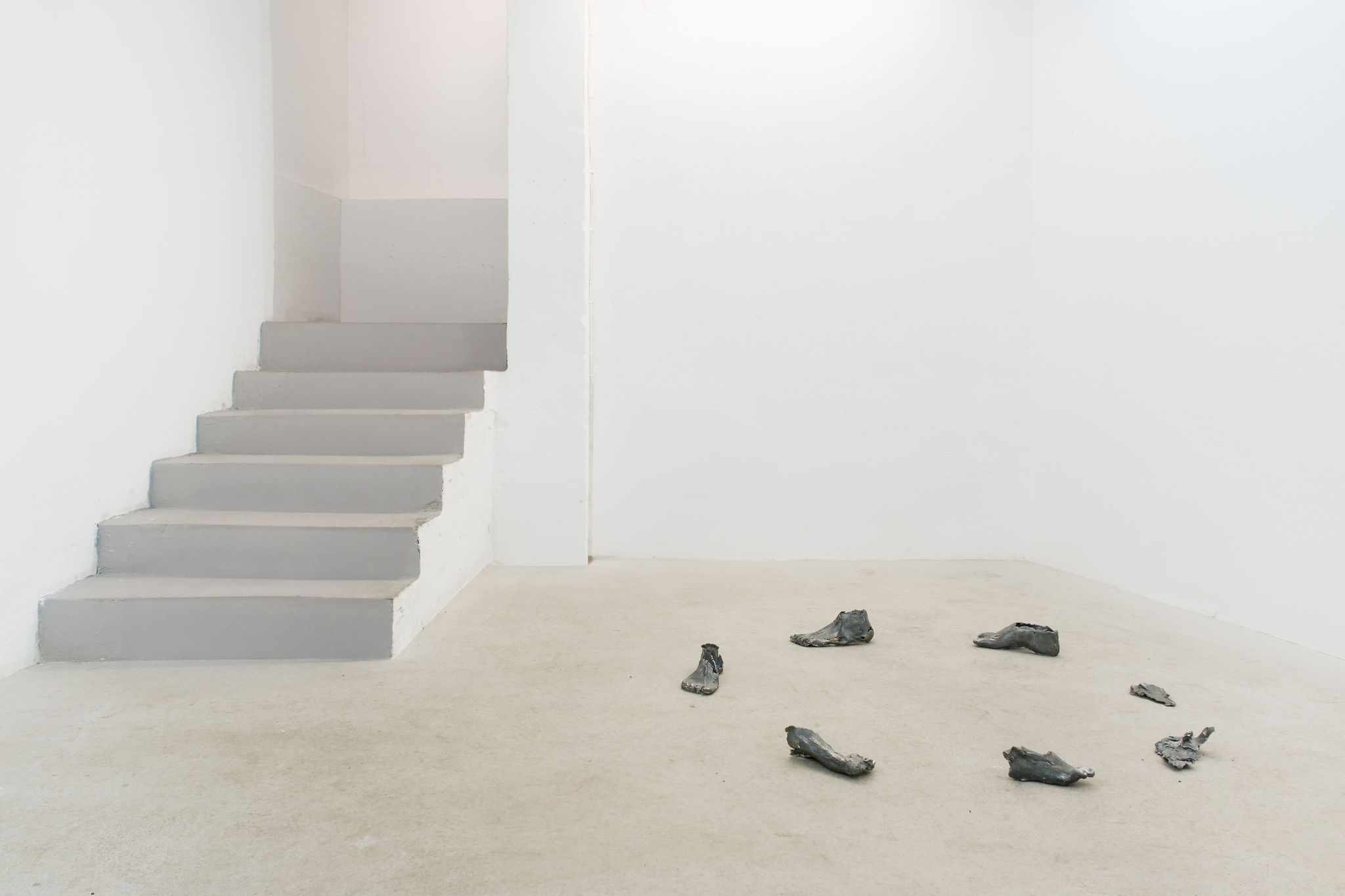
M.C.: The body is the main theme, and around it I have various sub-themes that concern me, such as rhythm, repetition, and movement. Fragility and the human essence interest me greatly, as does the idea of the self. When it comes to materials, I’m very open. I love traditional ones such as wood, bronze, and glass because I find it satisfying to tame them, but I’m also drawn to silicone, latex, wax, and plaster because they offer me different forms of artistic expression.
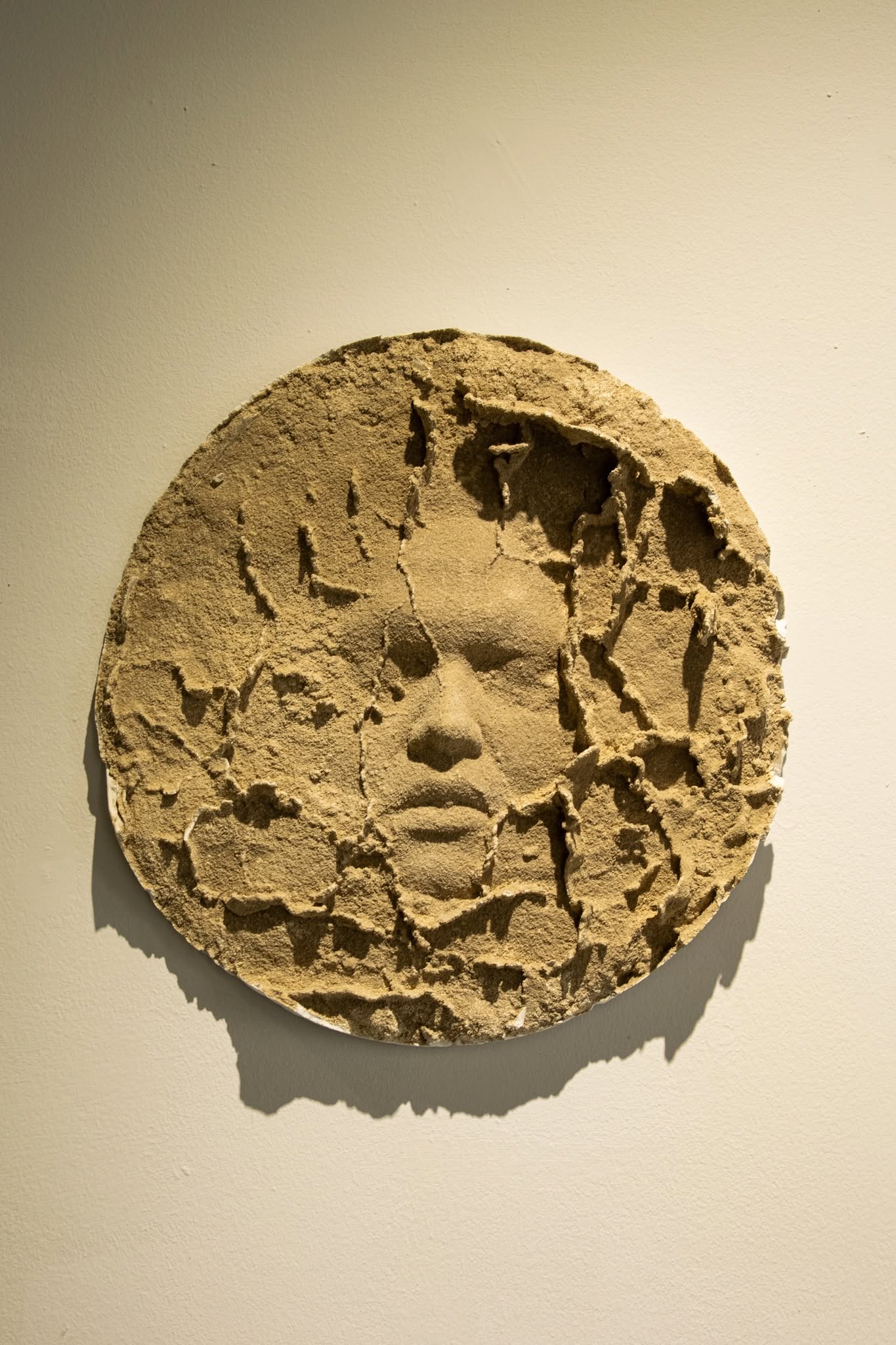
My creative process varies depending on what I decide to make. If I’m working with wood, for example, I need a more organized plan because there are certain steps I have to follow, and I know what they are. You can play around with them, but they exist, and everyone knows them. But if we’re talking about materials like sand, what do we actually know? Not that much. So I sit there and wonder: what happens if I do this? What remains if I put my finger into it? What about my face? Does my face remain, or does it become something else? Somehow, these are unwritten things that I try to discover and write down for myself, as a kind of recipe, so to speak.
How would you define the local art ecosystem? How should cultural institutions—including art schools, museums, galleries, and collectors—get involved in supporting the new generation of artists?
M.C.: It seems to me that things are moving in Cluj. There are different situations, of course, but people are making an effort. The university, for example, applies for all kinds of projects and tries to involve as many students as possible who are genuinely working and committed to art. The same goes for galleries: there are various open calls and residencies aimed at both local artists and curators, precisely to get them out of the studio and show them the rest of the world, which I think is really nice. At the same time, there are also guided tours organized by ArtCrawl, through which we get to see what I would call a more authentic side of Cluj.
What is your relationship with the artistic community?
M.C.: I go to exhibitions quite often, both as a participant and as a member of the audience. I like seeing what’s new or what someone has been working on. Sometimes I also like organizing gatherings with my circle of artists, where we discuss things and help one another. I also organized an open studio, for now, which was inaugurated with an exhibition by Batiscaf. I can say it was a success, both in terms of the overall impression and the number of people interested in this kind of event.
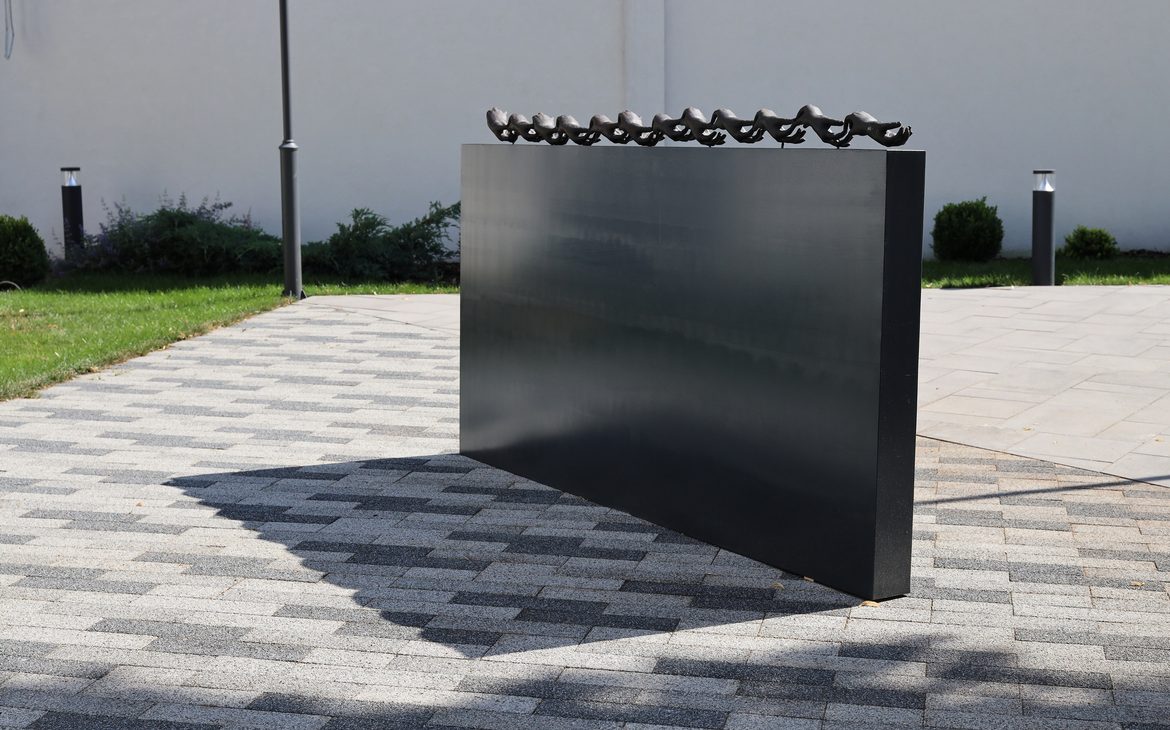
You are currently exhibiting in Craiova as part of the group exhibition “Imaginary Dialogues with Brâncuși: Expanding the Limits of Artistic Expression,” organized in the context of the 150th anniversary of the birth of sculptor Constantin Brâncuși. The project included a series of research visits to Craiova and Târgu Jiu, which offered the opportunity for a direct encounter with some of Brâncuși’s most important works, from Calea Eroilor monumental ensemble to “The Kiss,” exhibited at the Craiova Art Museum. Was this your first encounter with these works? How did you experience it, and what did direct contact with Brâncuși’s work convey to you beyond what you already knew from photographs or art history?
M.C.: I was very happy to find out that I had been selected for the exhibition in Craiova, organized in the context of the 150th anniversary of the birth of sculptor Constantin Brâncuși. The research visits really appealed to me, since it was my first time in that area and, more importantly, my first time seeing the great sculptor’s works in person. I’ve said it before and I’ll say it again: what you see in a digital reproduction of a work cannot compare to the work itself. When you see it in front of you, you can see all of Brâncuși’s work, all the time he invested in it. During the visit, I also learned the stories behind the works—who supported him and helped him. I saw an archive that only the guides in Târgu Jiu have access to. I’d love for us to start a petition to make it public. It looks wonderful and perfectly documents the process and the hands behind the creation that made the “Endless Column” stand.
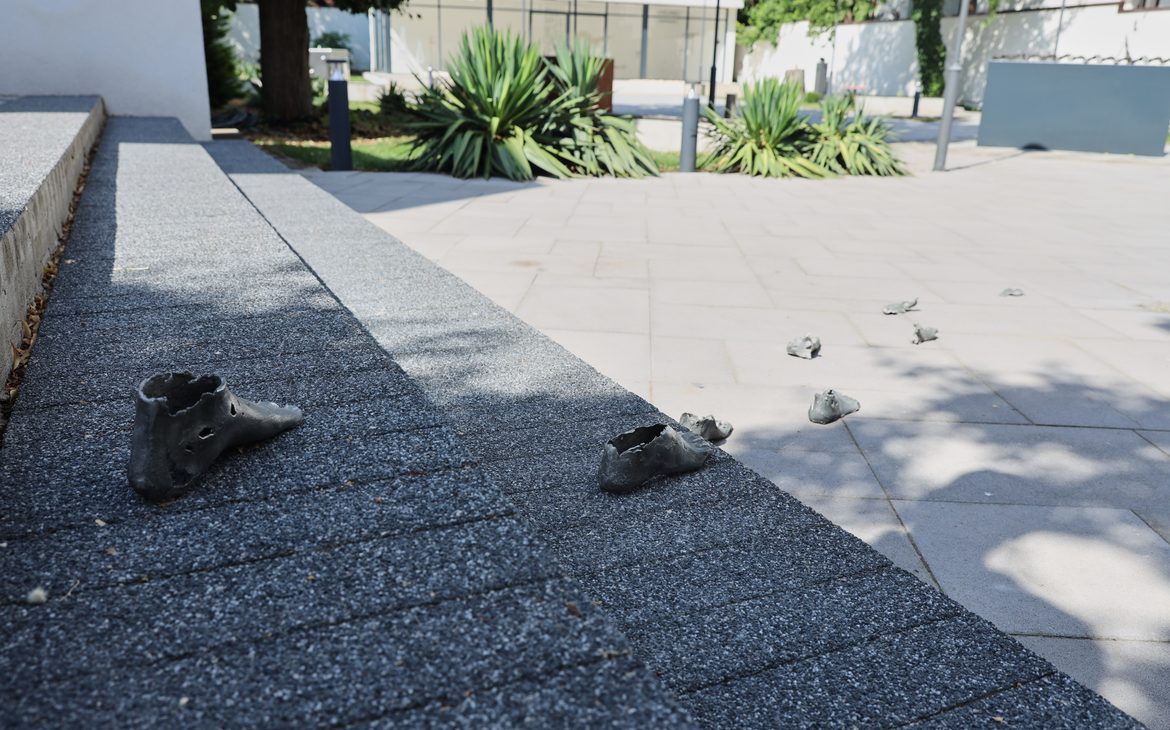
Is there an image, a form, a detail, or a sensation from this encounter that stayed with you after the visit? Do you feel that your direct experience with Brâncuși’s work has influenced, in some way, how you view your own practice or the works presented in this project?
M.C.: I’m drawn to the illusion of simplicity in his works. I love the travertine used for “The Gate of the Kiss.” I examined it, touched it, and I think that if I had stayed there longer, I would have licked it too, just to see what it tastes like. Just like him, I play with the idea of infinity constructed through repetition and rhythm. Like him, I’m drawn to the essence of the human spirit and to the ideas of continuity and permanence.
If you had to take away a single message from this encounter with Brâncuși’s work, what would it be?
M.C.: I think one message this experience conveyed to me is that it’s important to want something, but it’s just as important to have people around you and to have support. I absolutely loved learning about the National League of Gorj Women, which commissioned Brâncuși to create the monumental ensemble in Târgu Jiu. They financed and provided logistical support for the creation of “The Table of Silence,” the “Alley of the Chairs,” “The Gate of the Kiss,” and the “Endless Column.” Over time, I’ve come to realize that, as a sculptor, you can’t do everything on your own. Sometimes you don’t have enough time, you don’t have enough resources, and sometimes you don’t even have enough hands. I also loved seeing this side of Brâncuși—the person who was surrounded and encouraged by other people who recognized the importance of sculpture and helped make it happen.
What does the future look like?
M.C.: For the question “What does the future look like?”, I’ll answer simply: like a good movie. I have no idea what’s coming, but I’m sitting back to see. 🙂
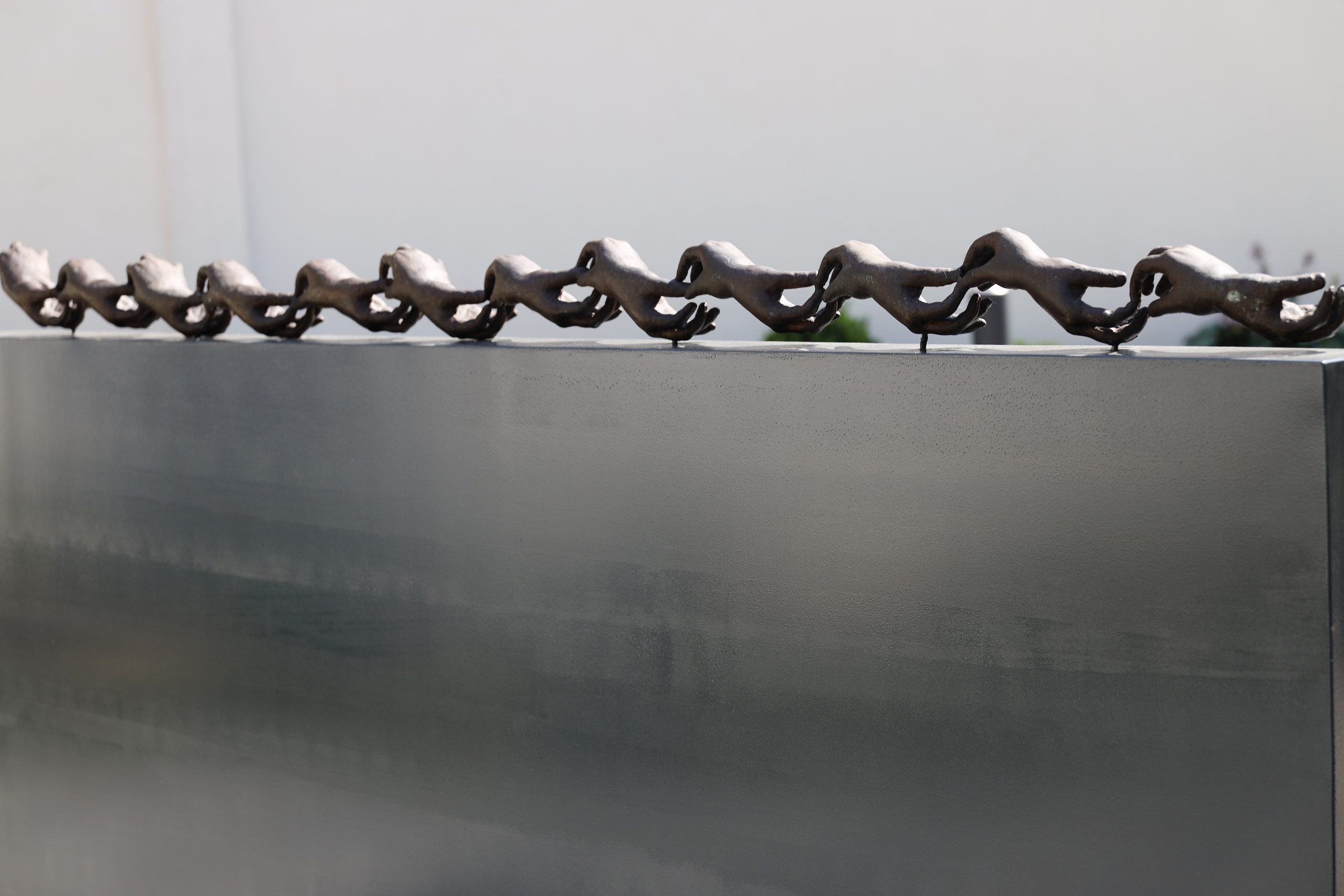
Cover photo: Miruna Copacel. Credit image: Laura Dinu.