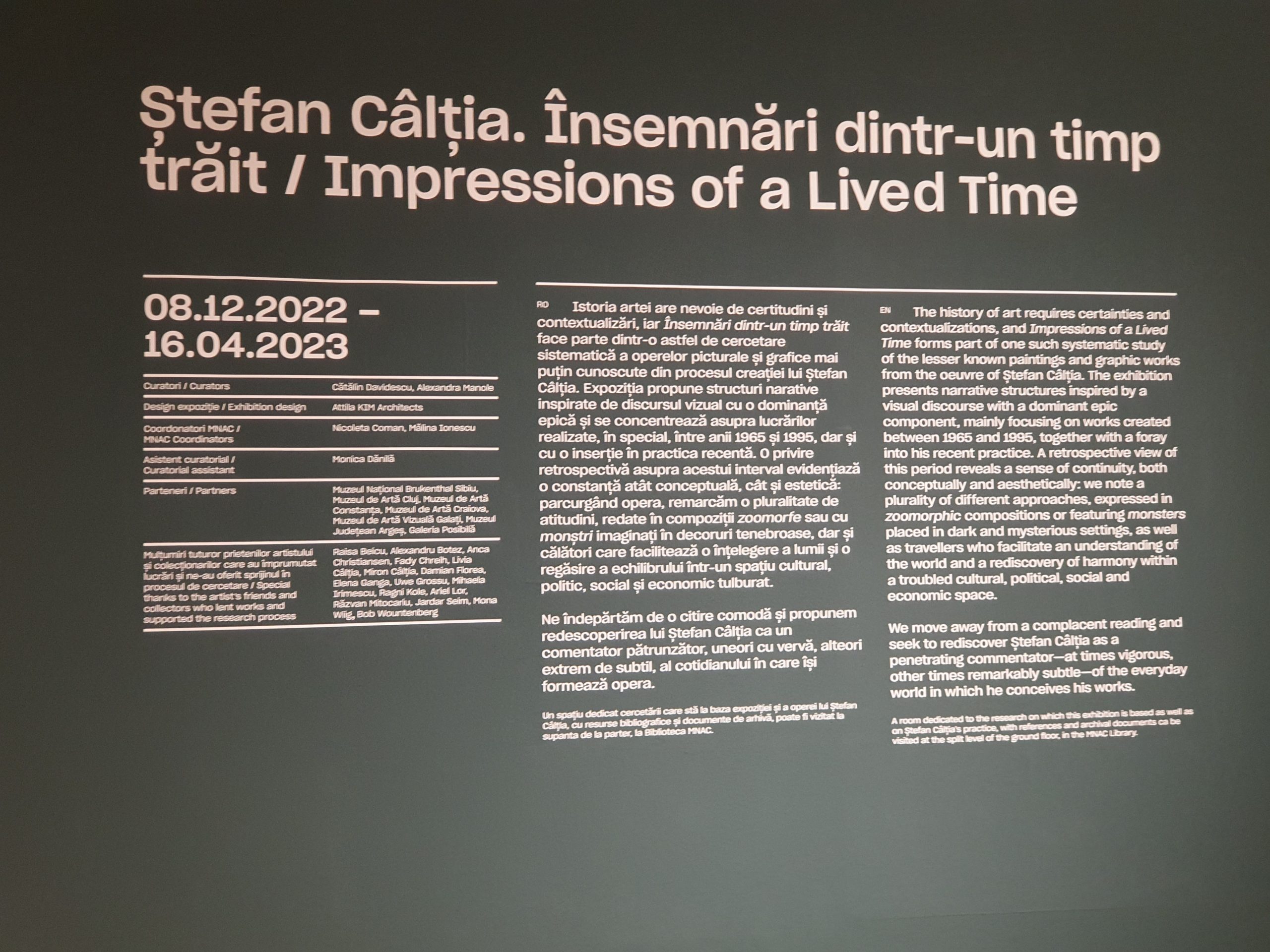
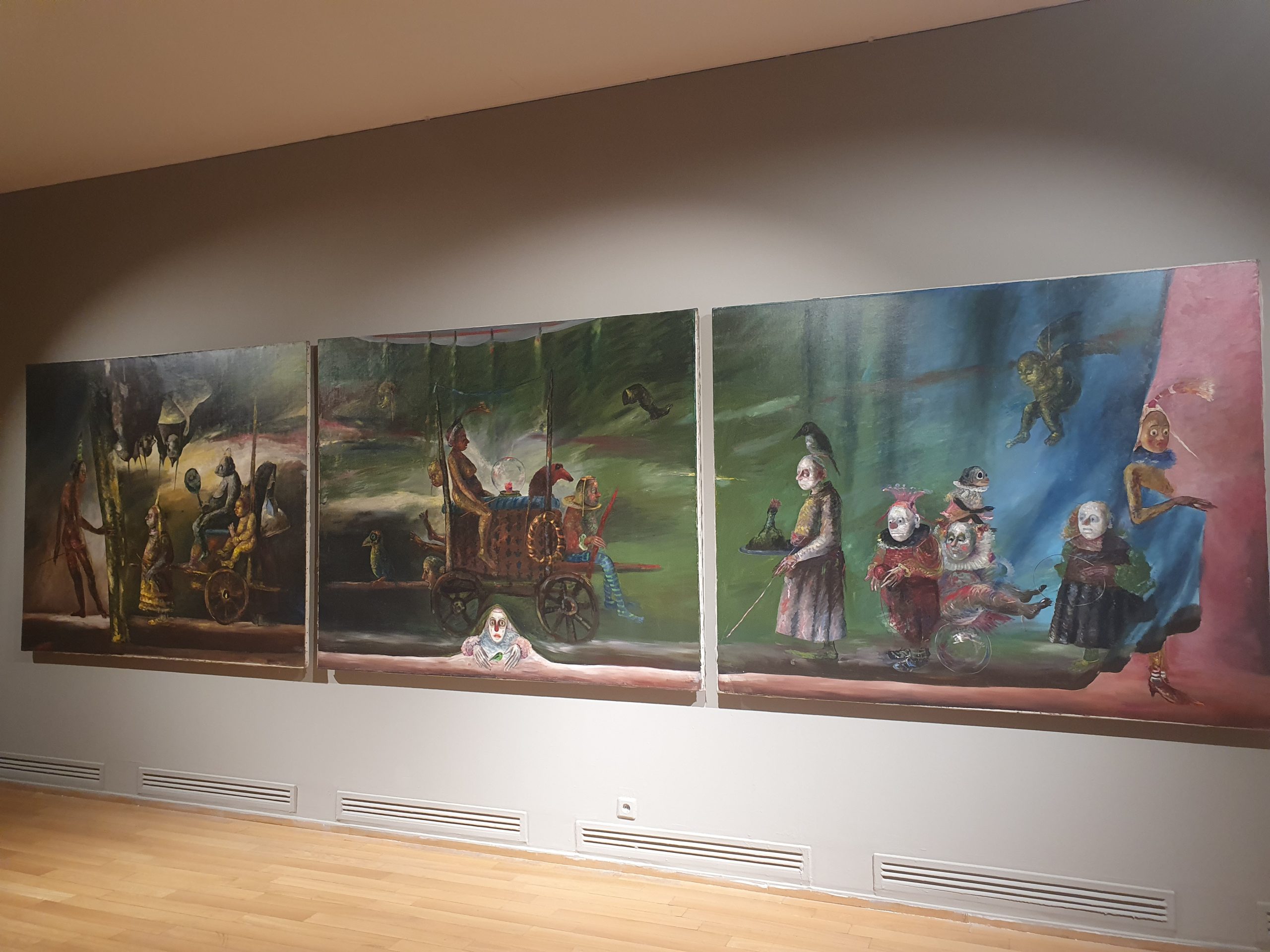
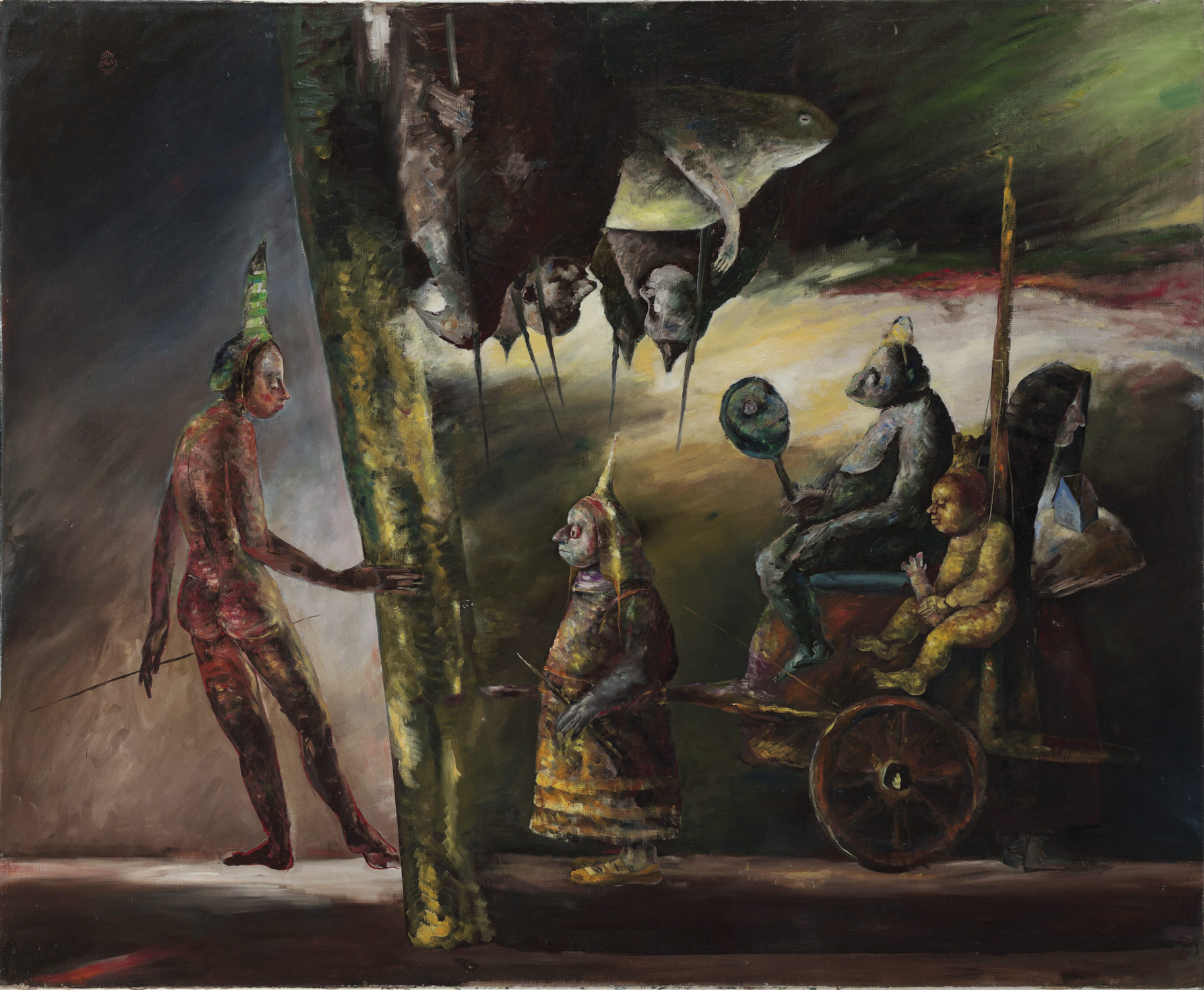
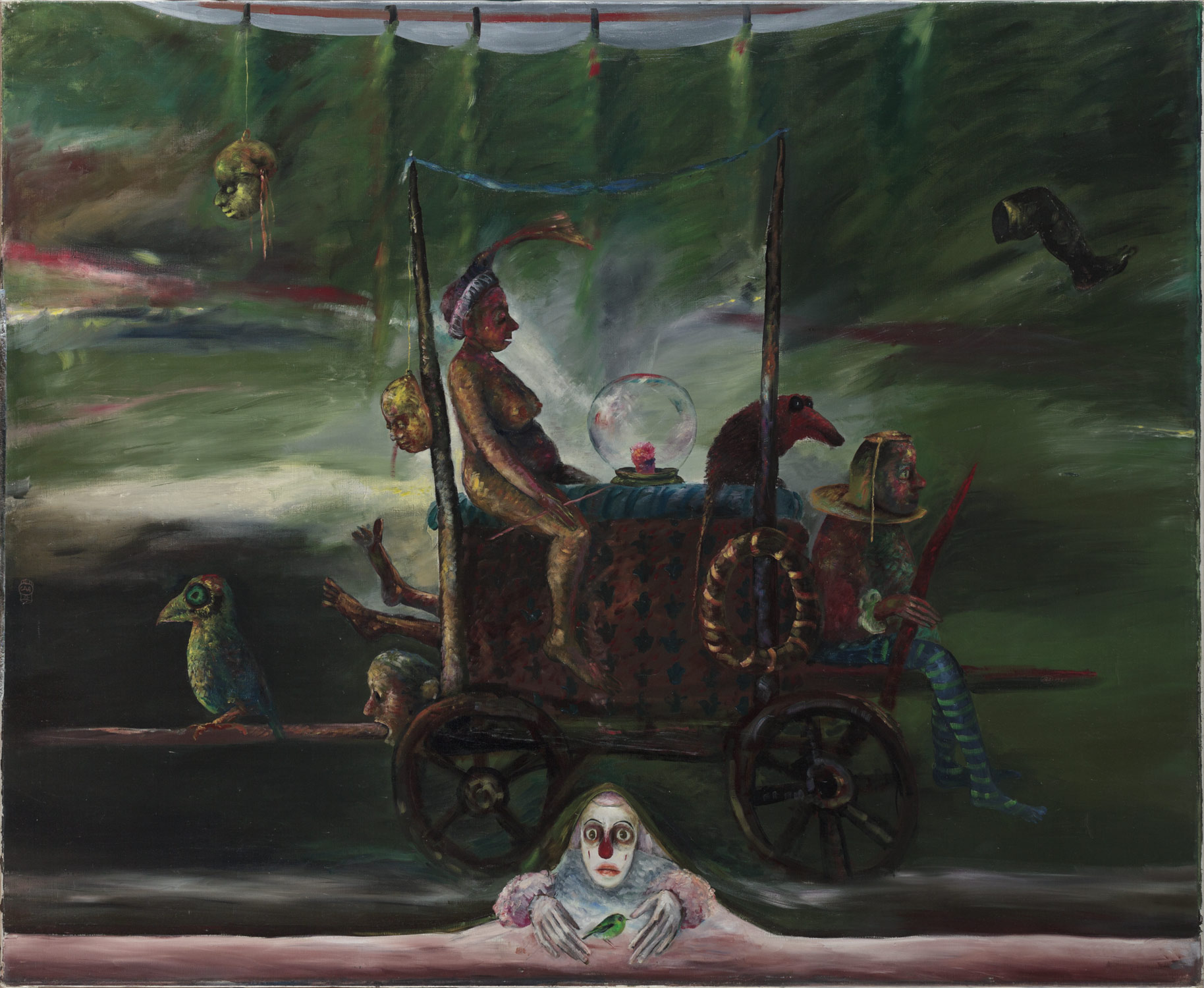
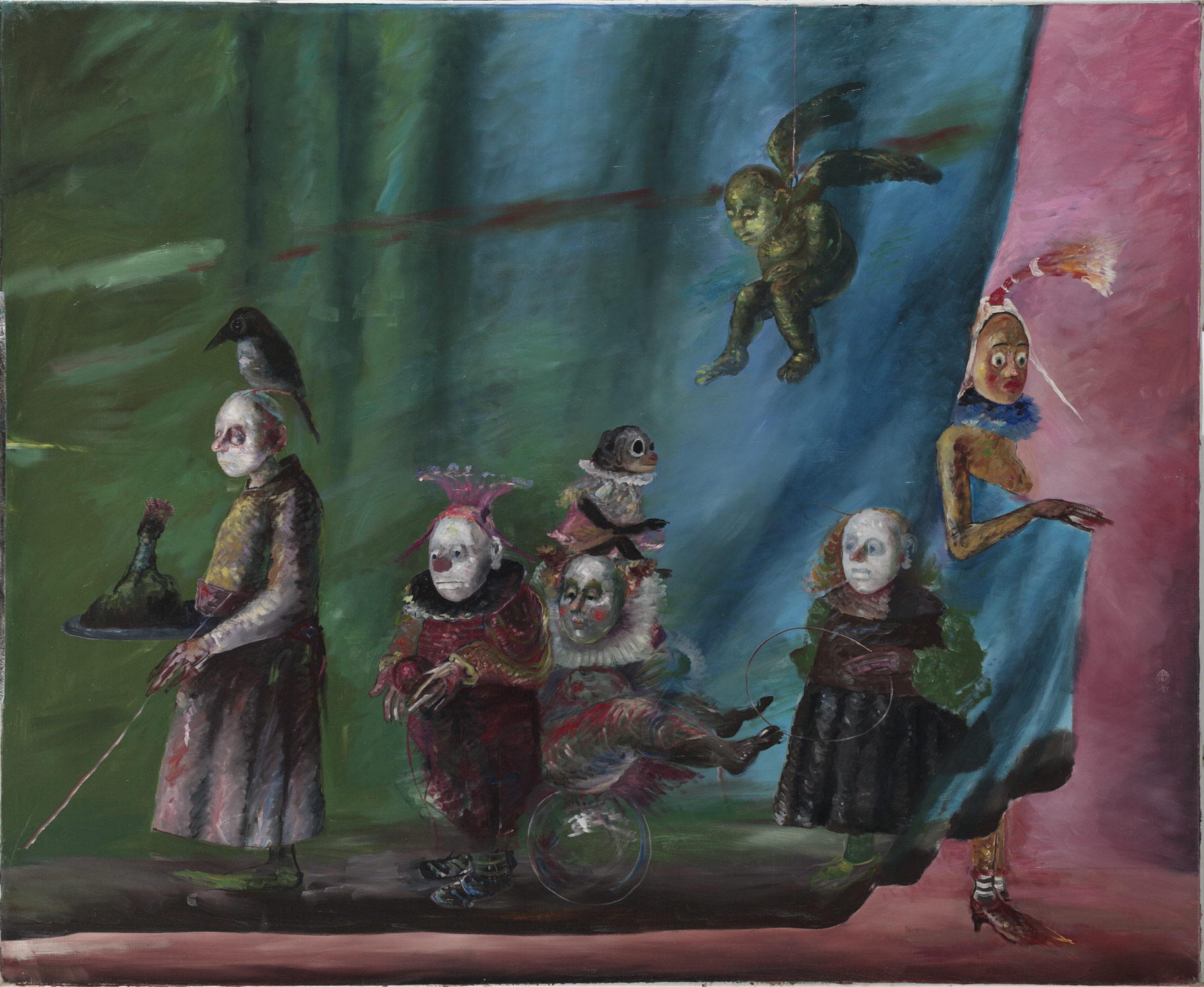
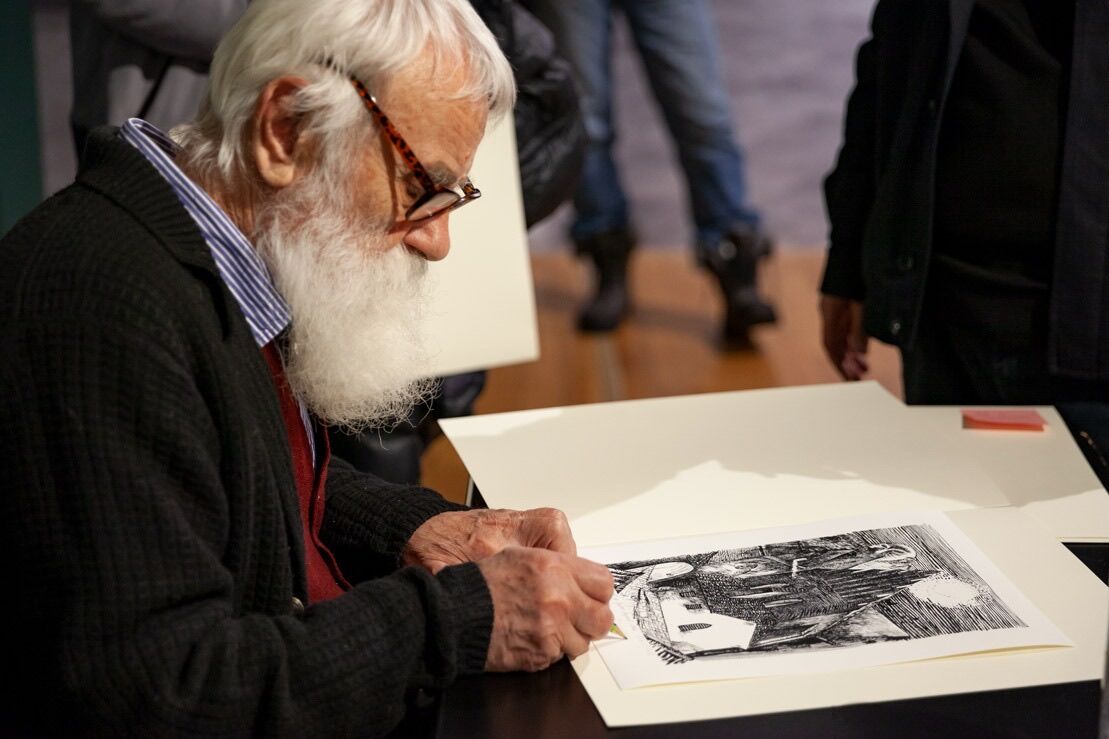
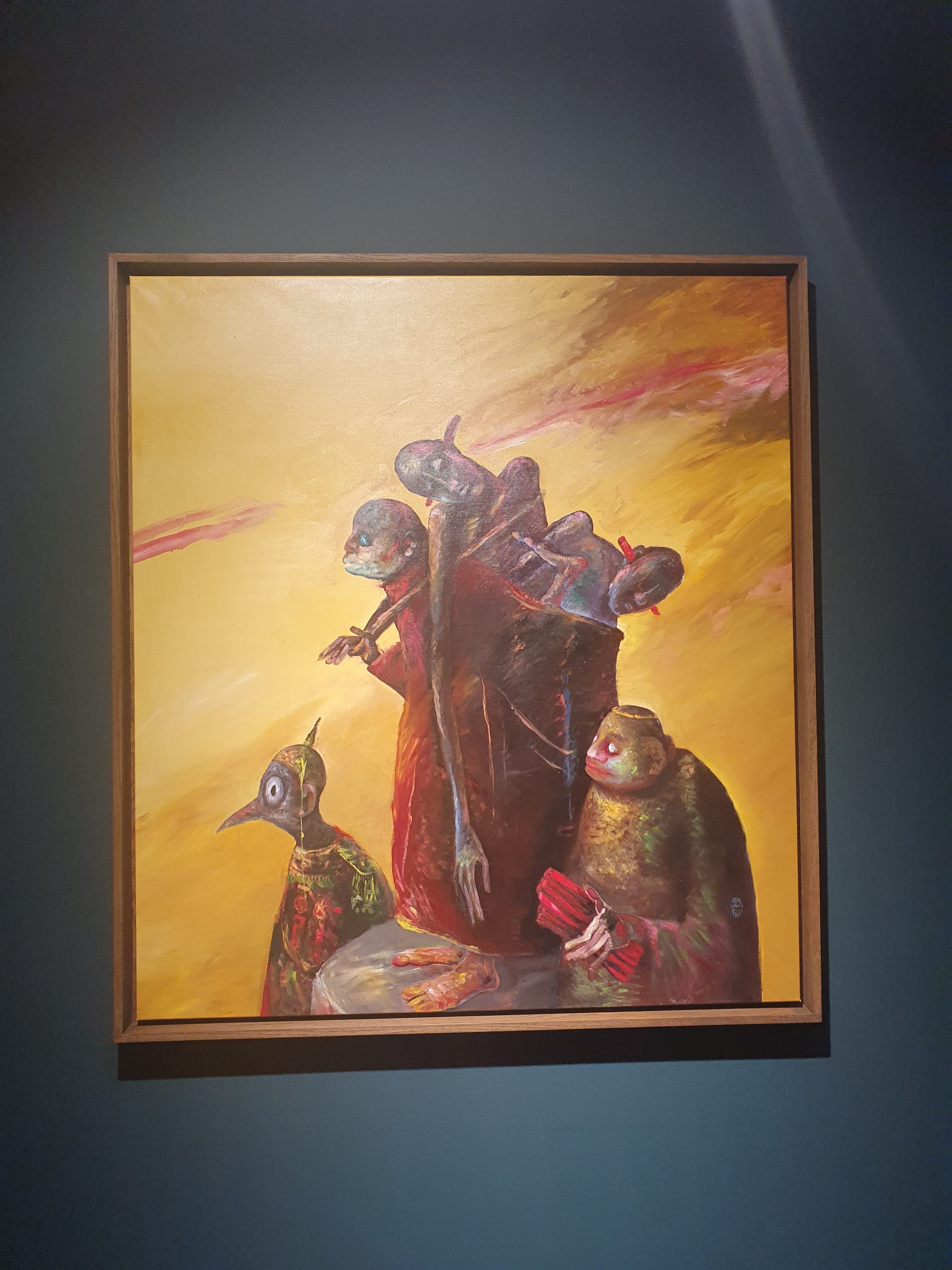
‘Impressions of a lived time’ is the name of the retrospective exhibition of the artist Ștefan Câltia, which is currently open to the public on the third floor of the National Museum of Contemporary Art in Bucharest. The idea behind the event, conceived by the curators Cătălin Davidescu and Alexandra Manole, is to bring a selection of works unknown until now, with an unexpected aesthetic, diametrically opposed to the more recent creations with which we are familiar. The creative period included is between 1965 and 1995.
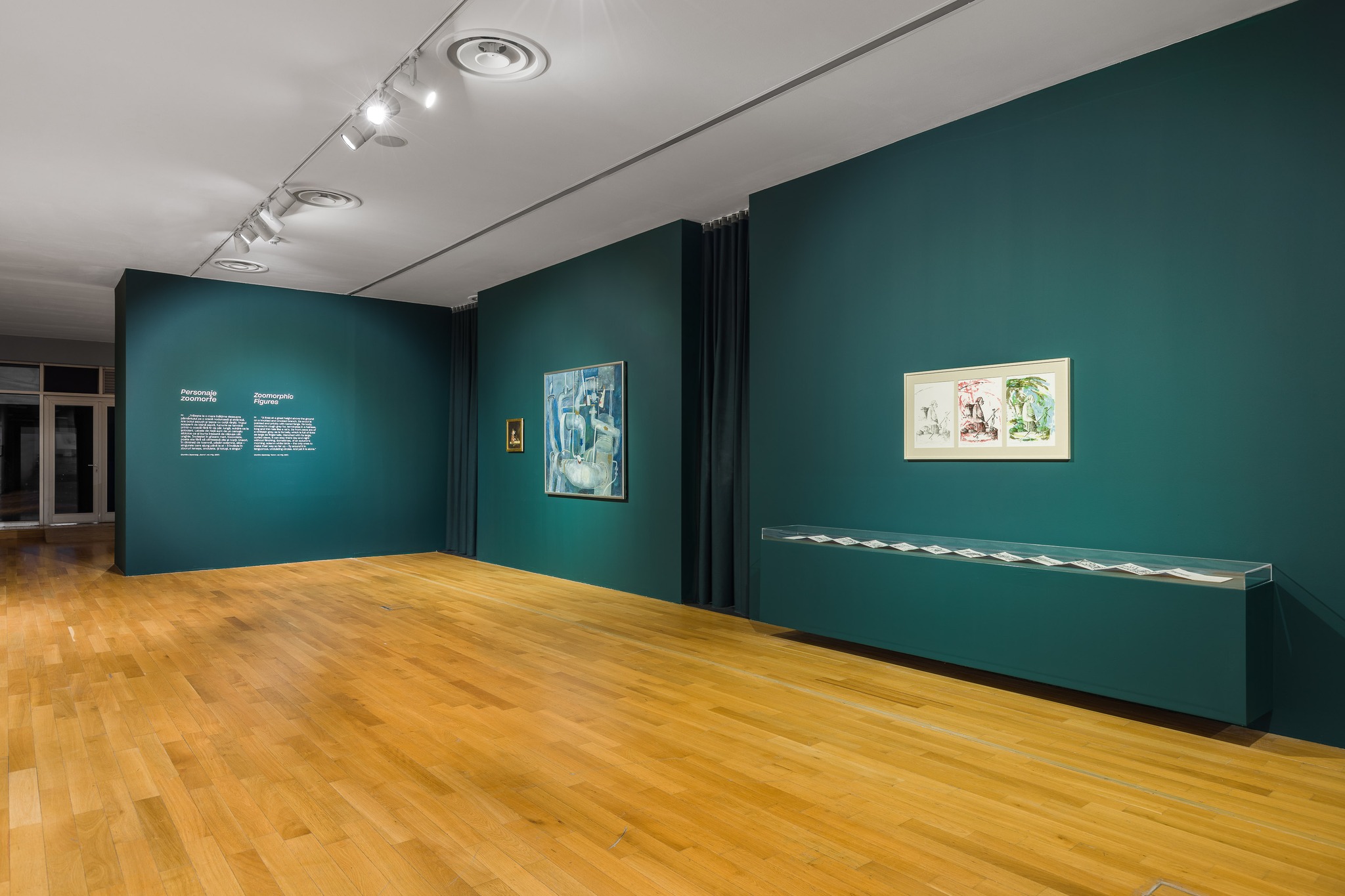
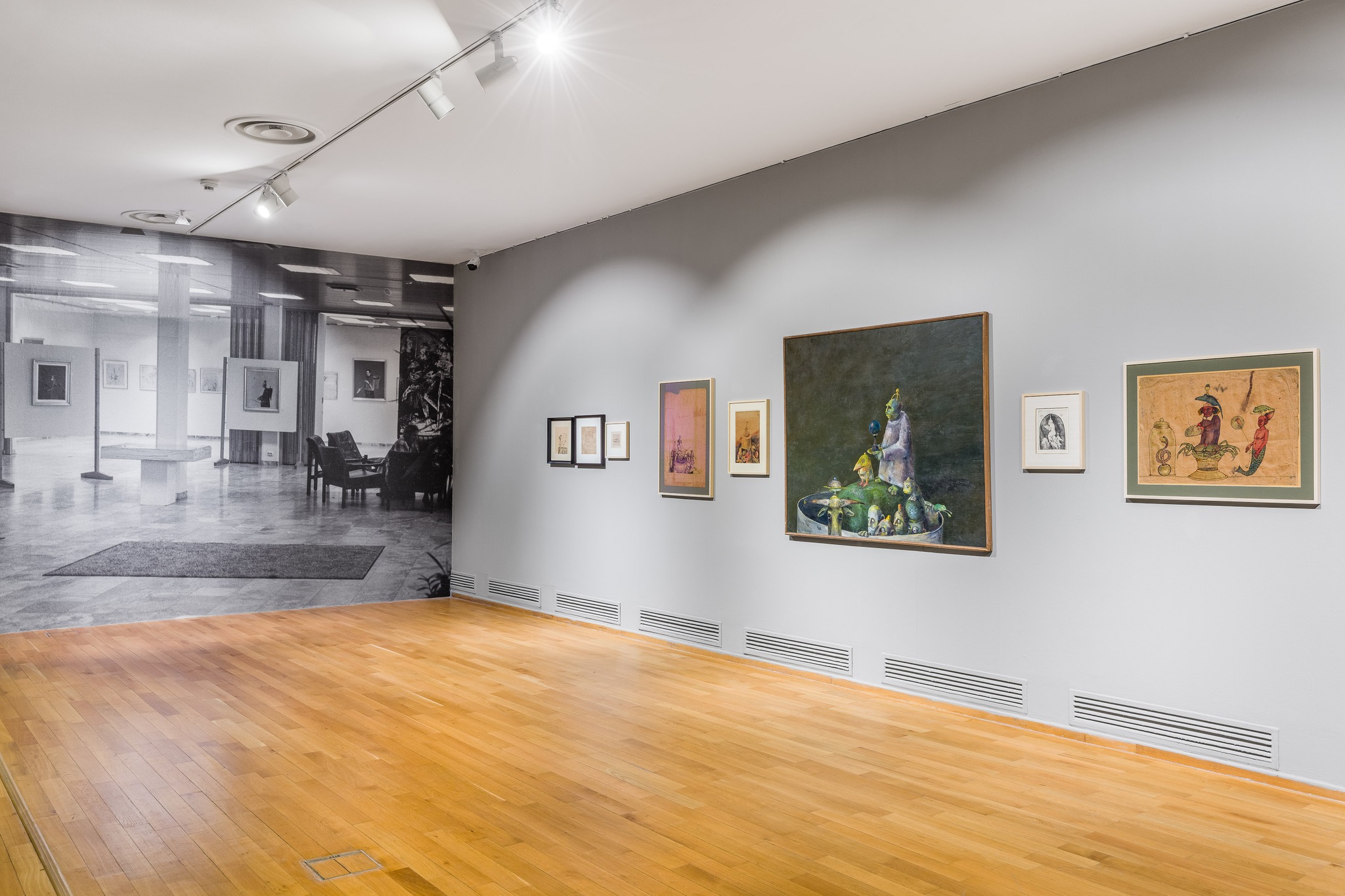
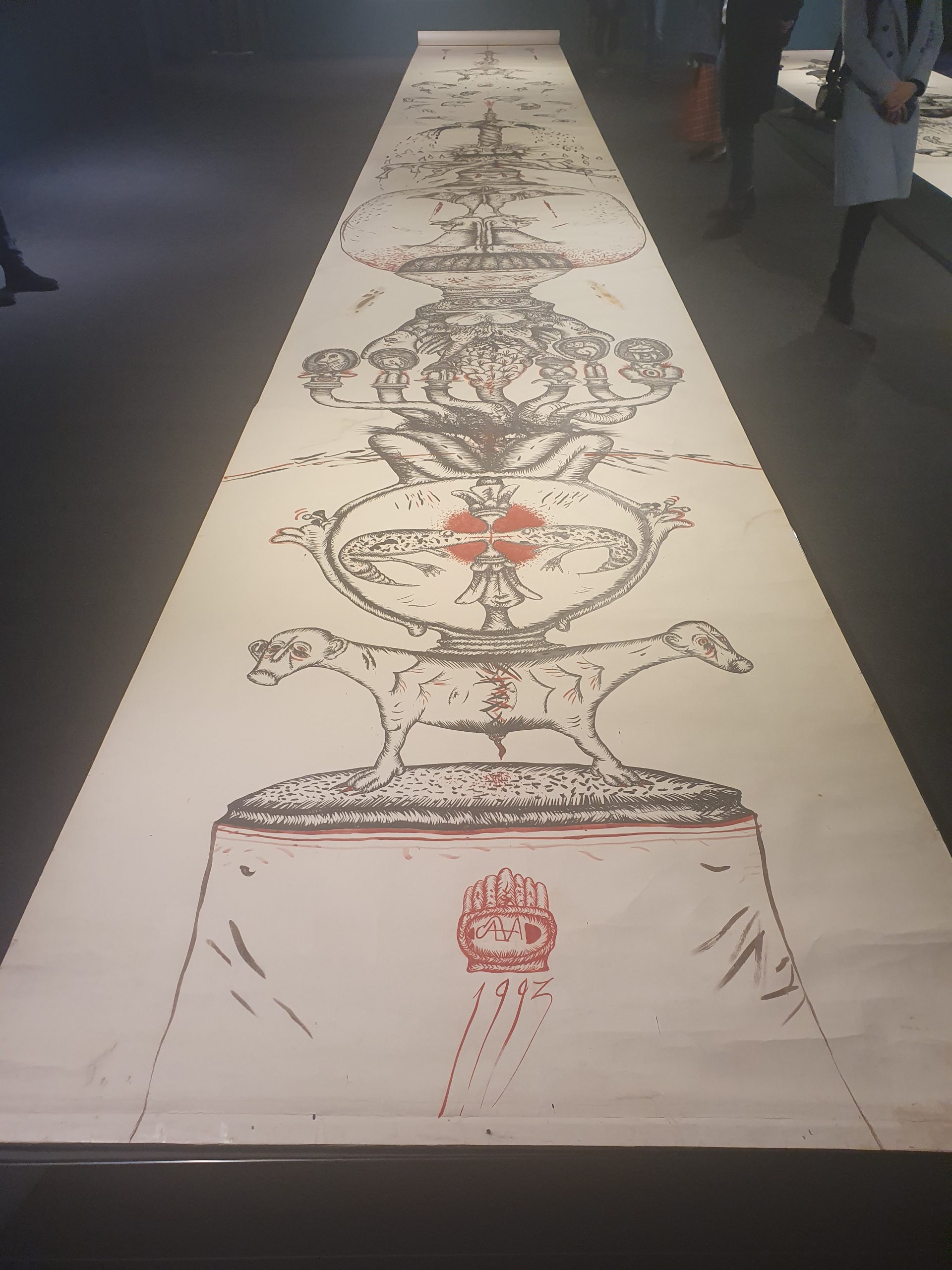
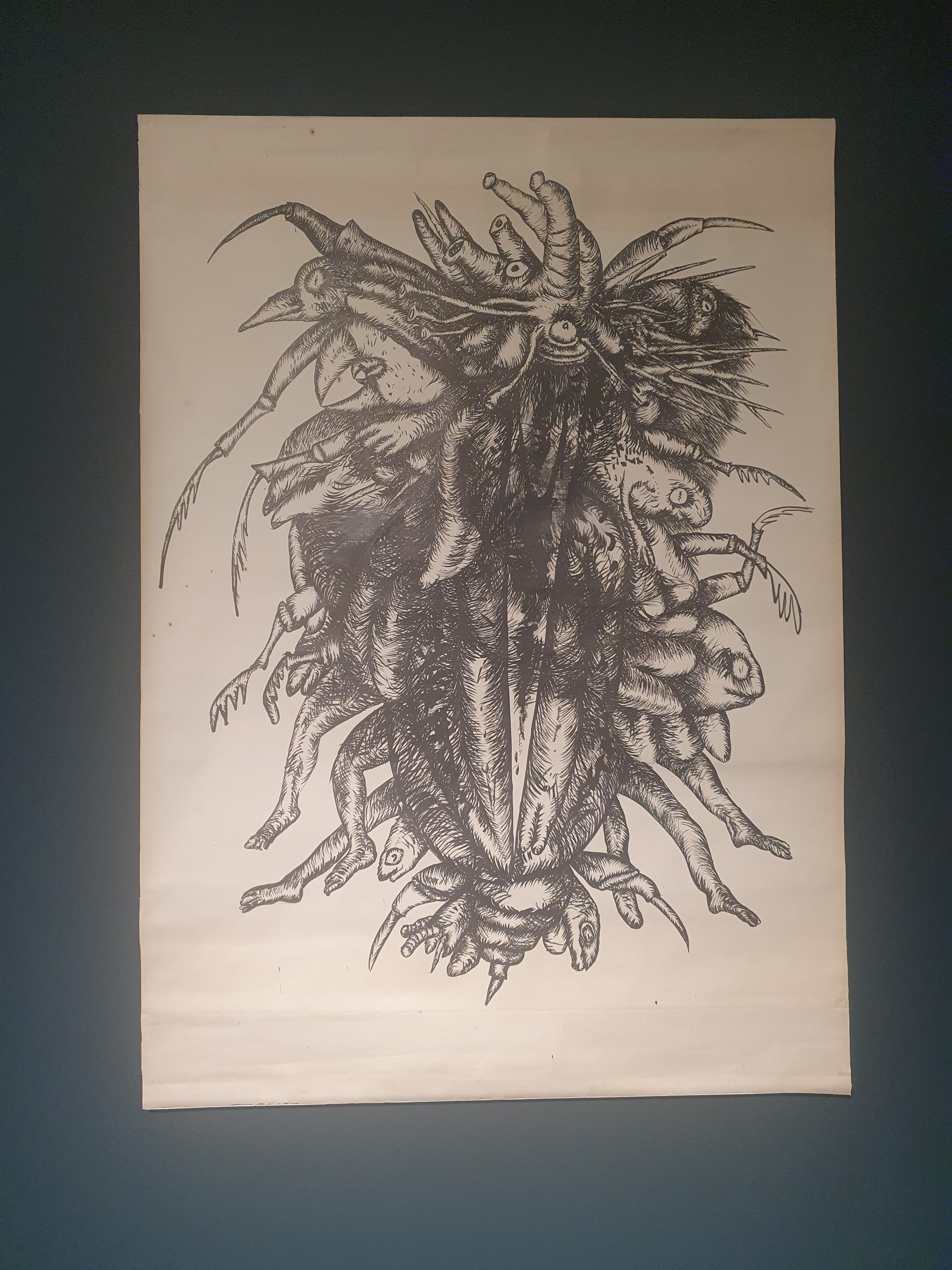
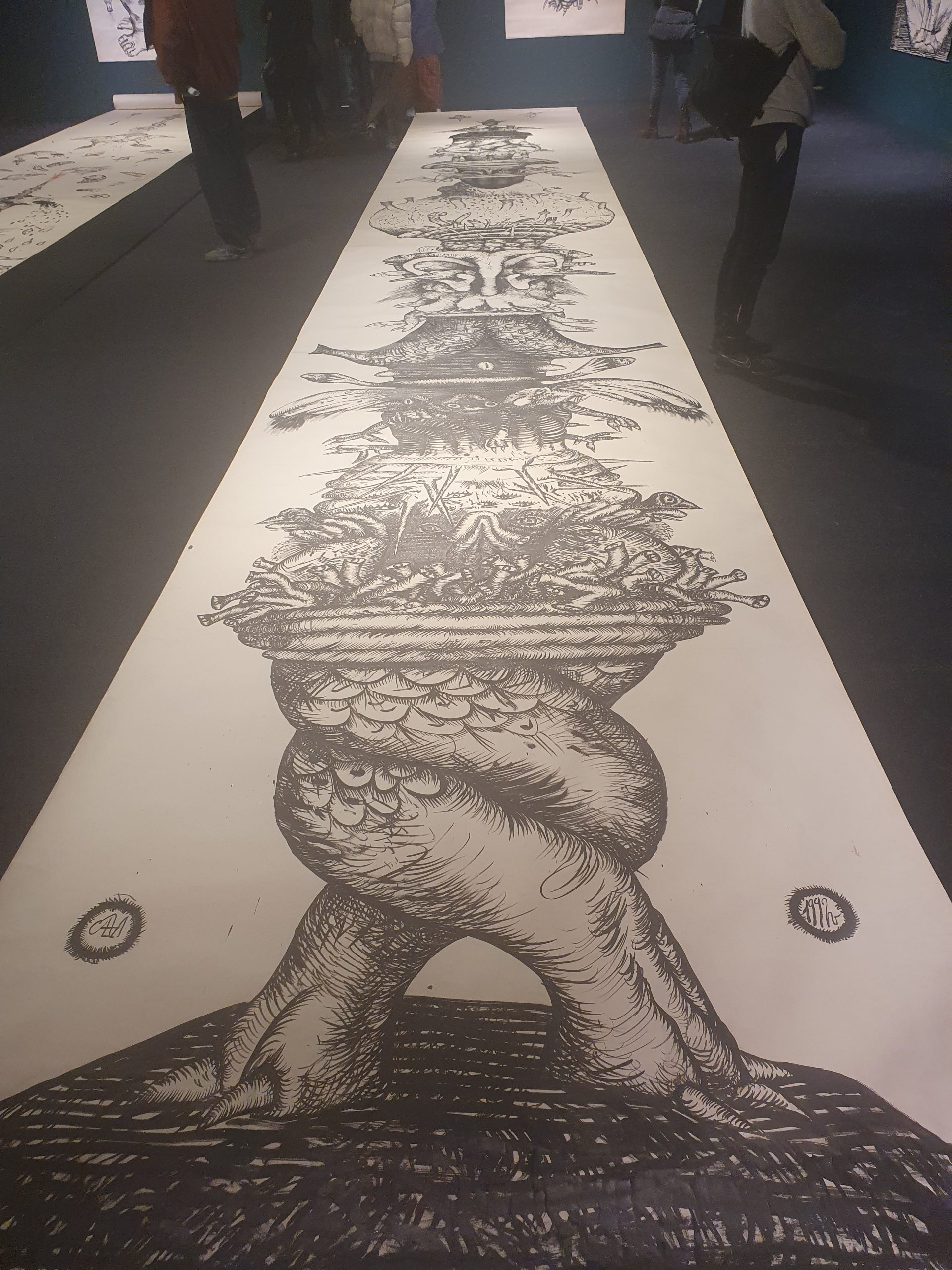
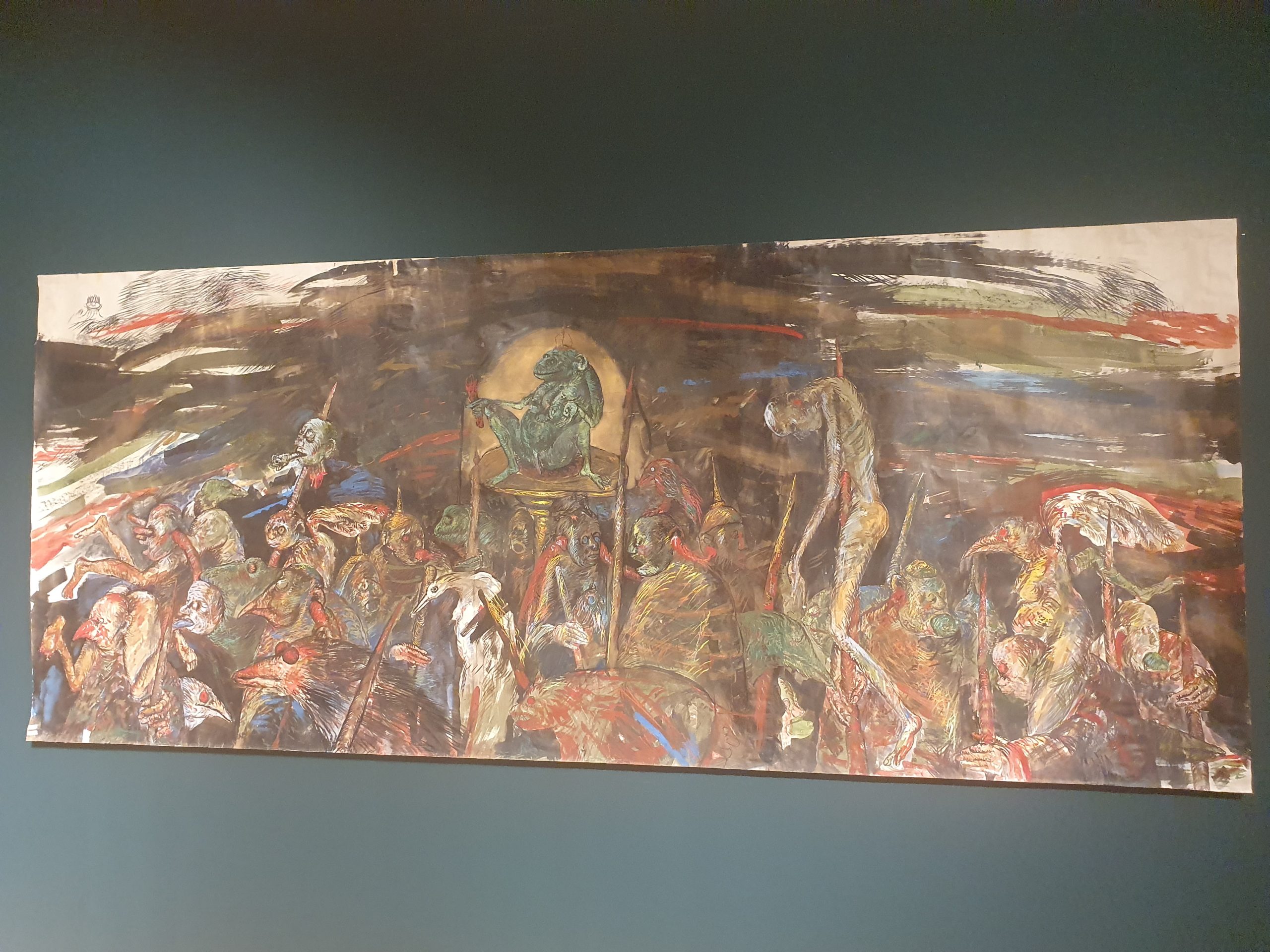
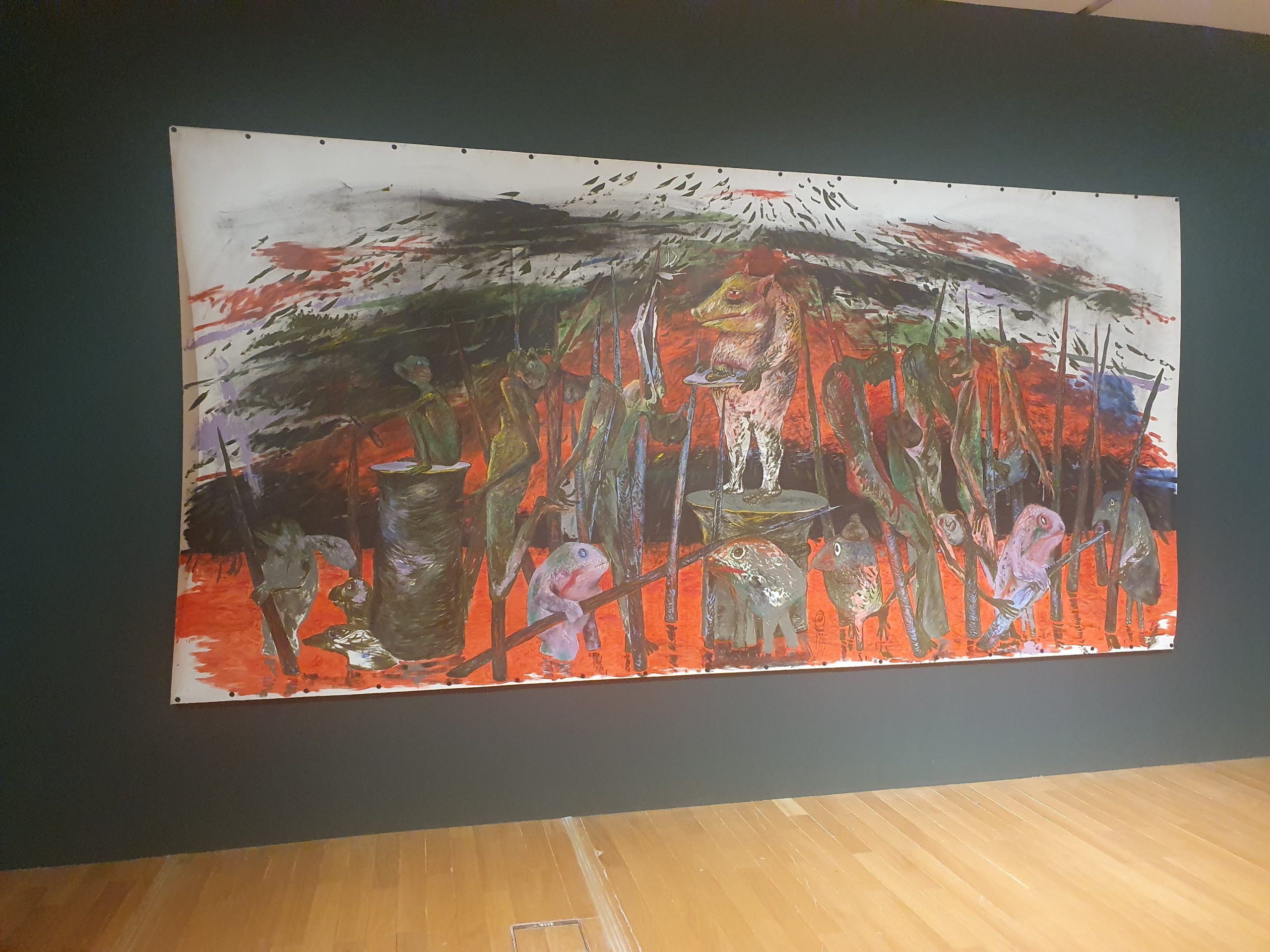
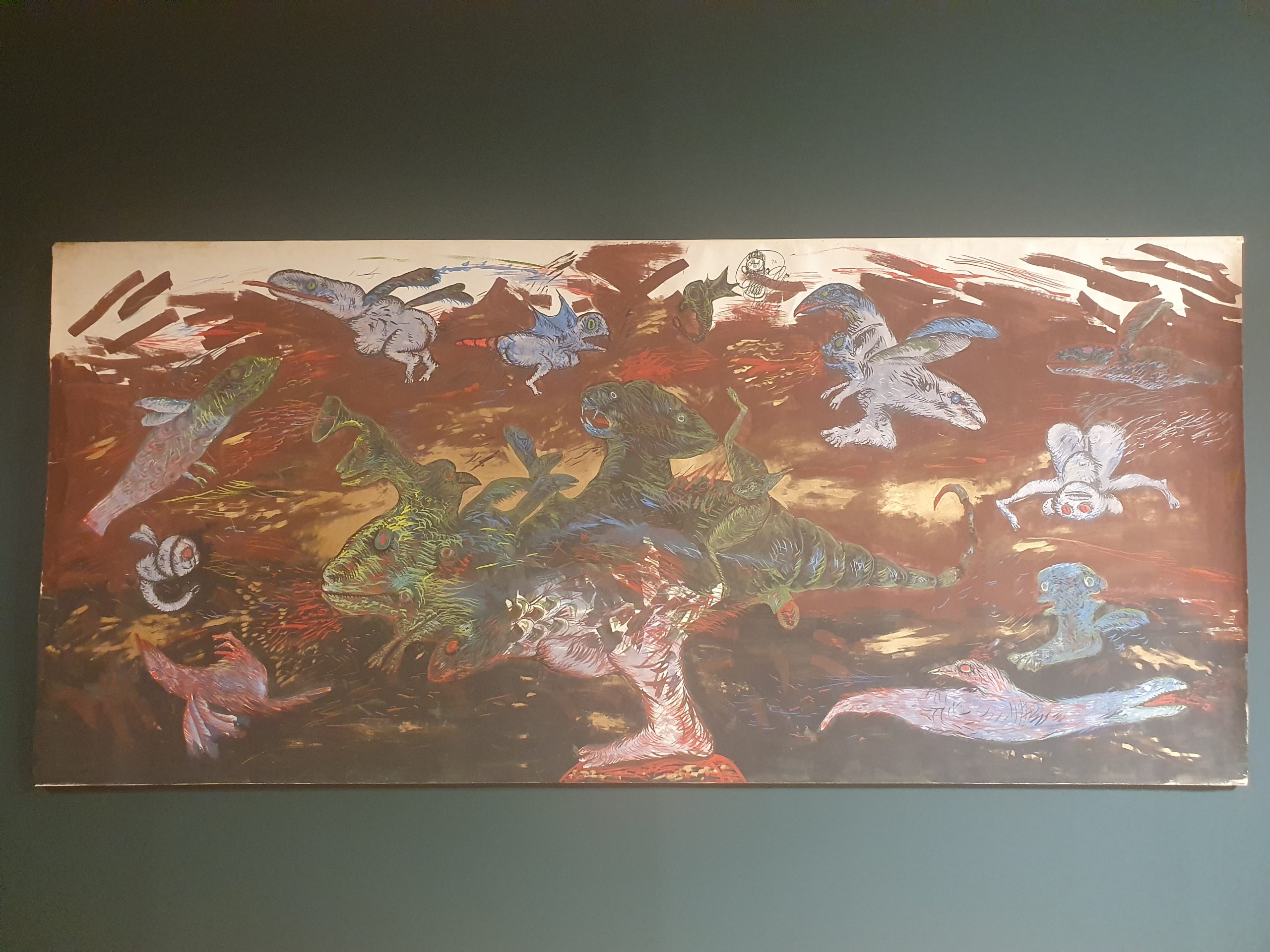
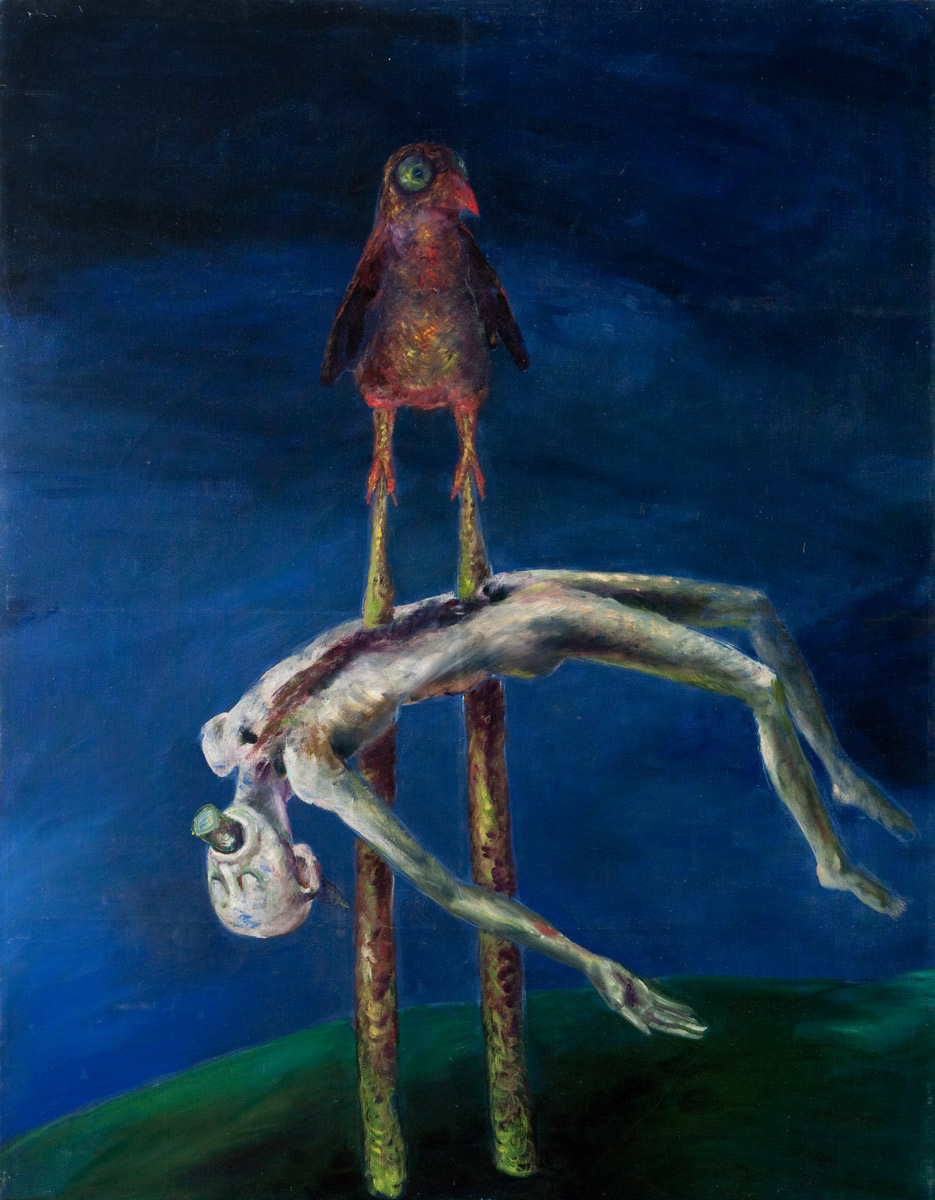
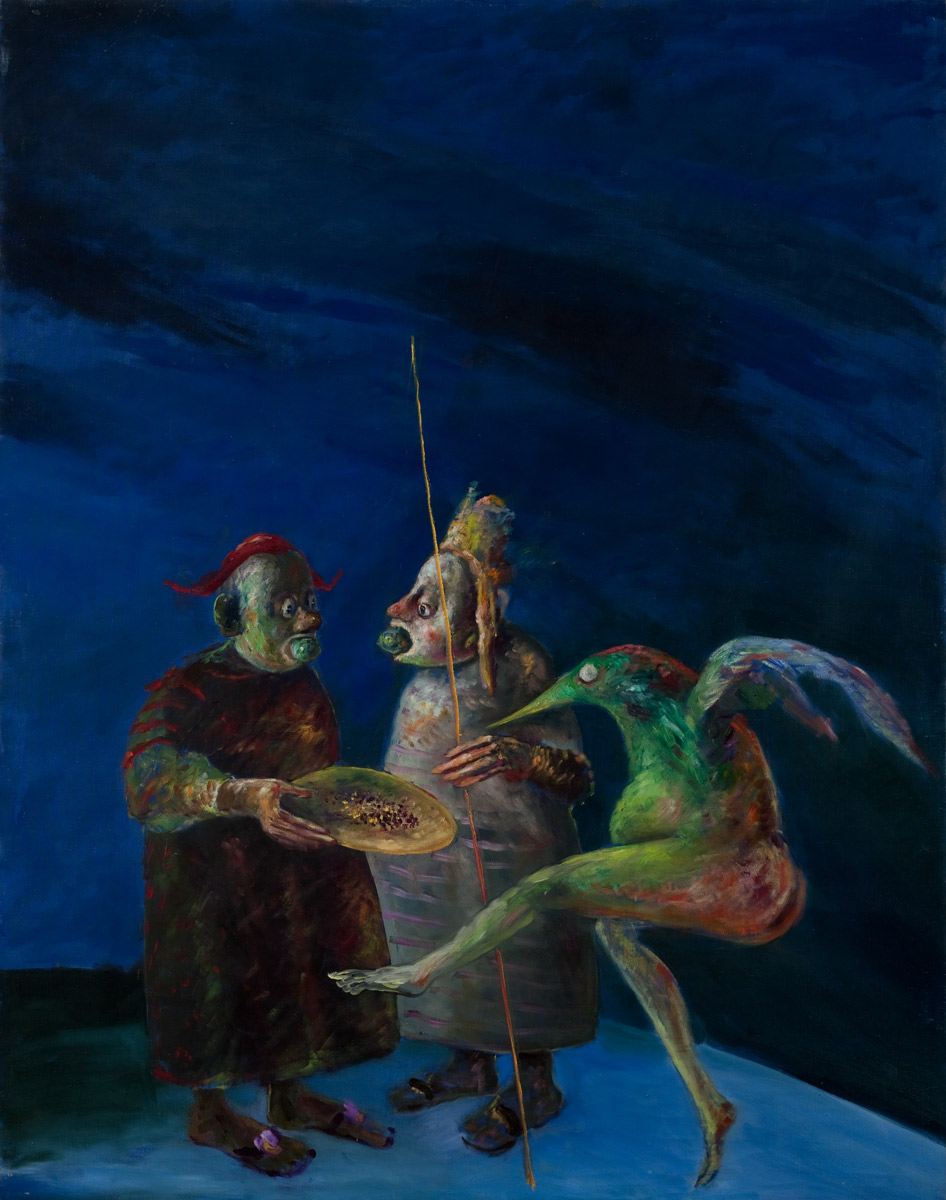
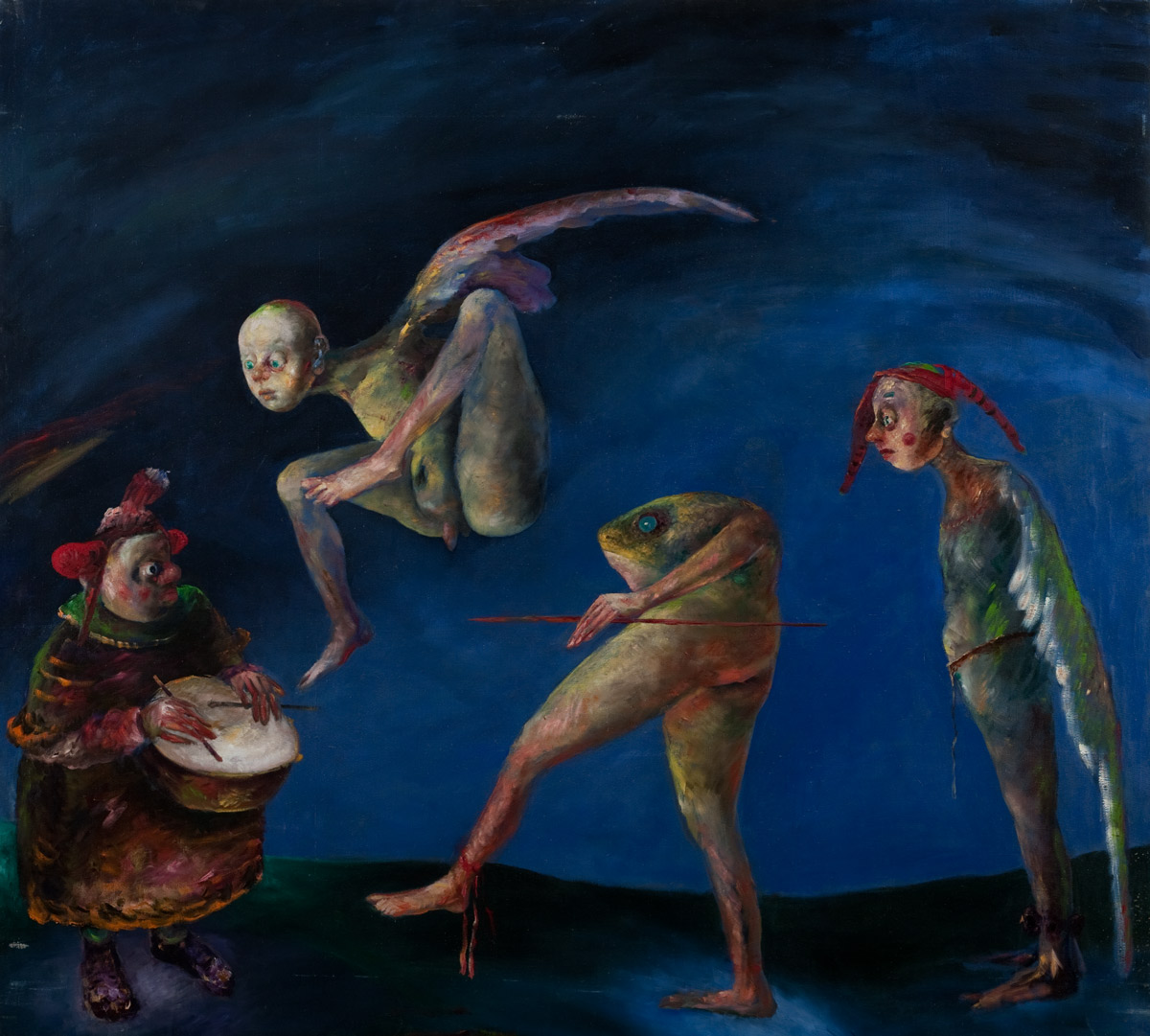
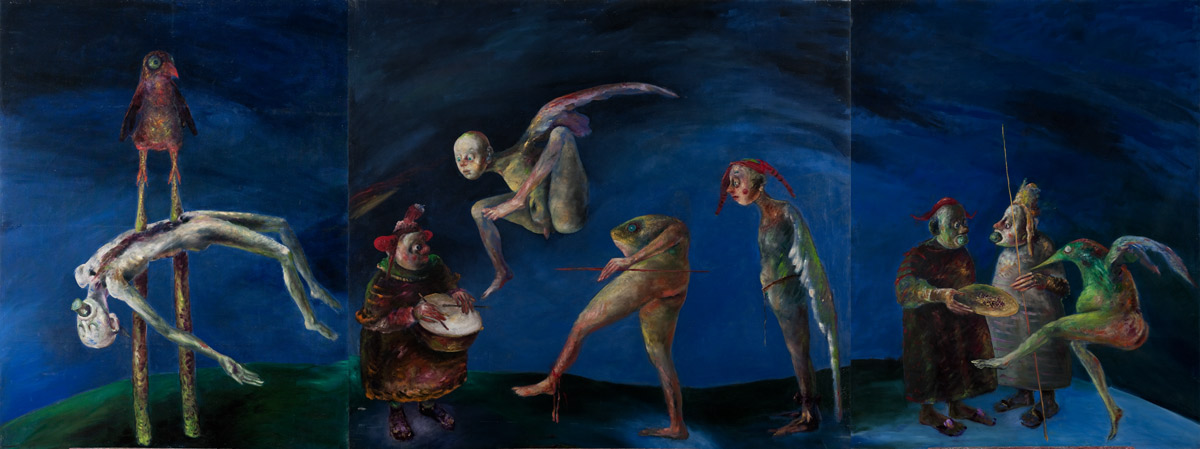
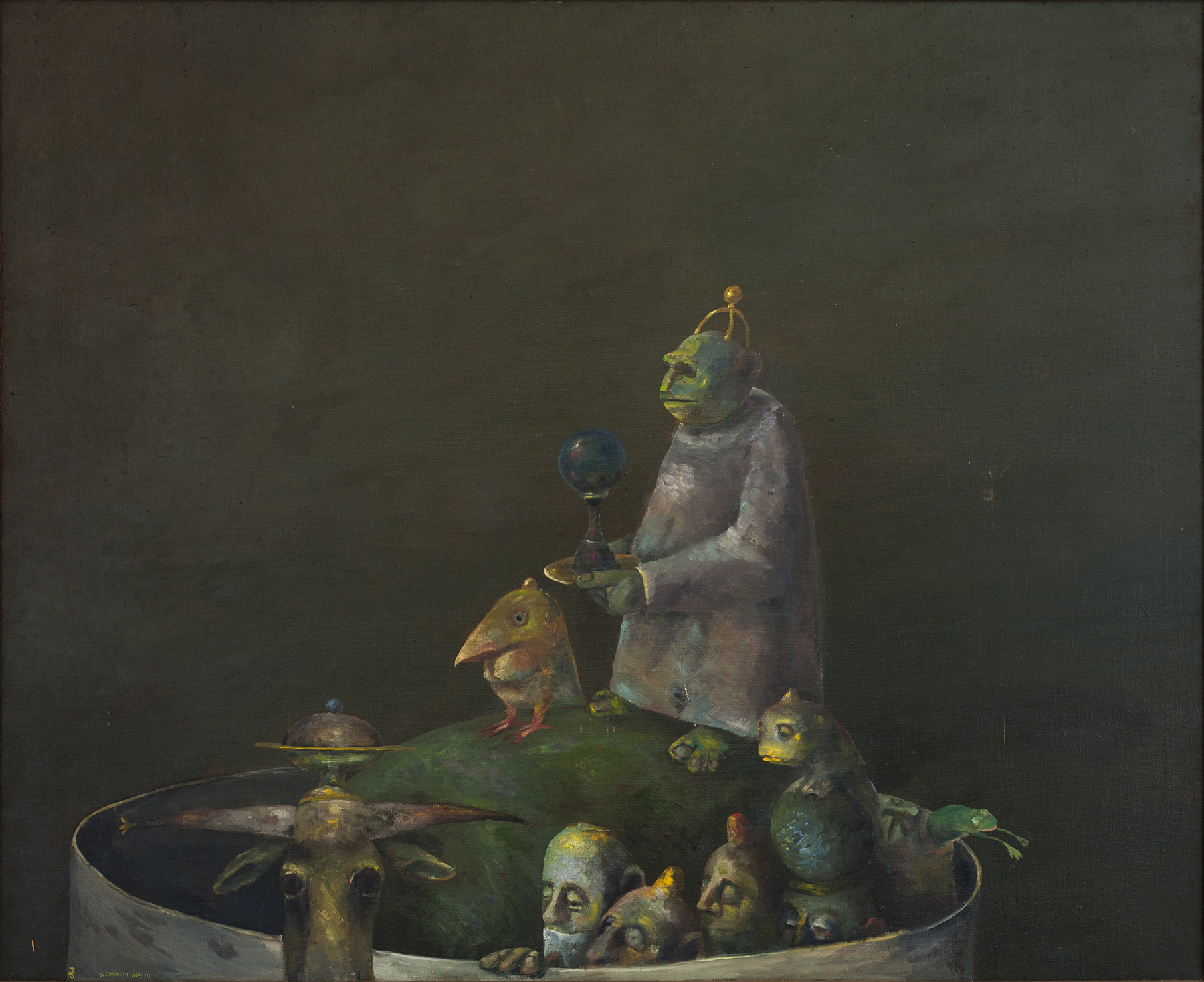
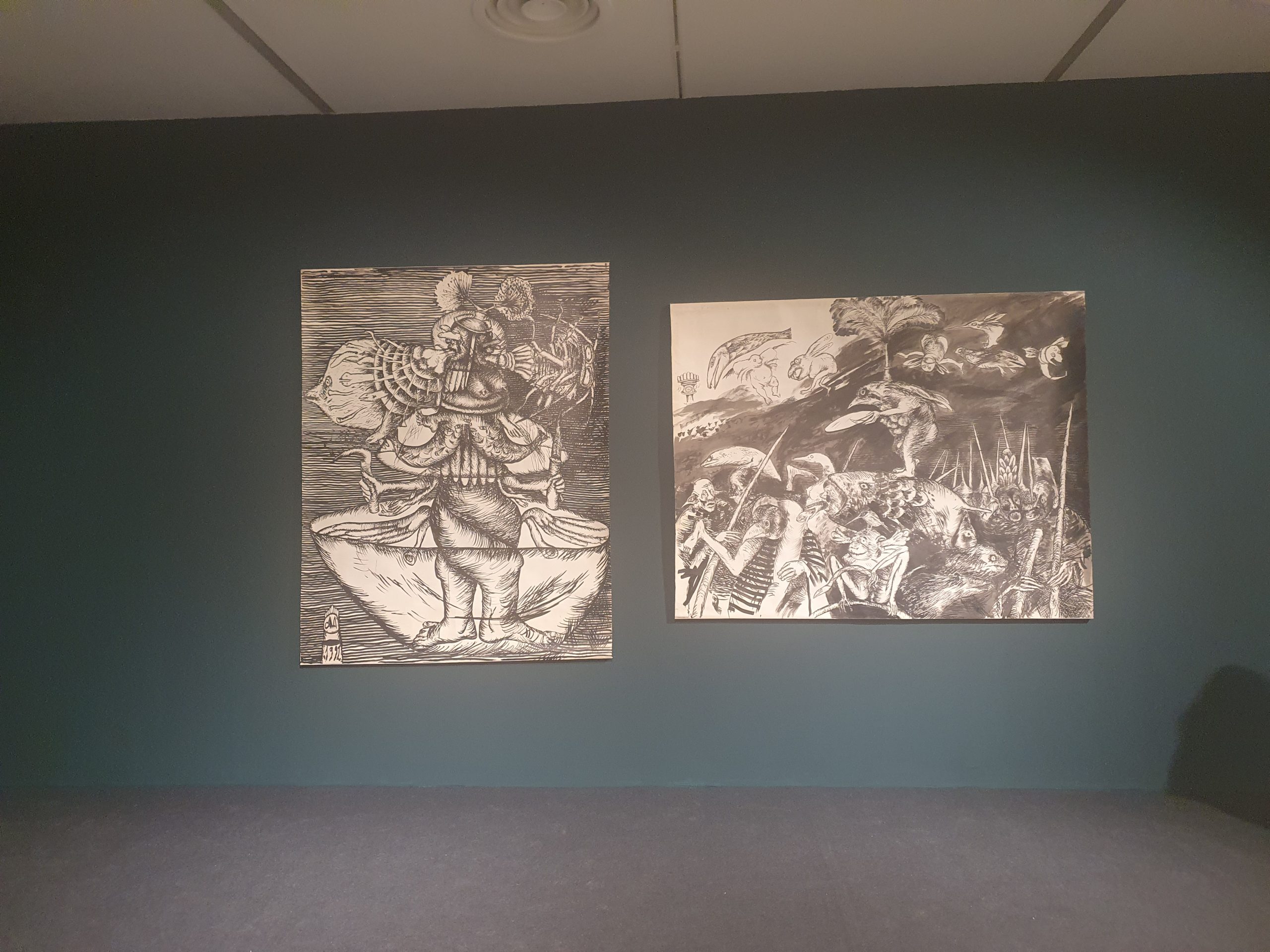
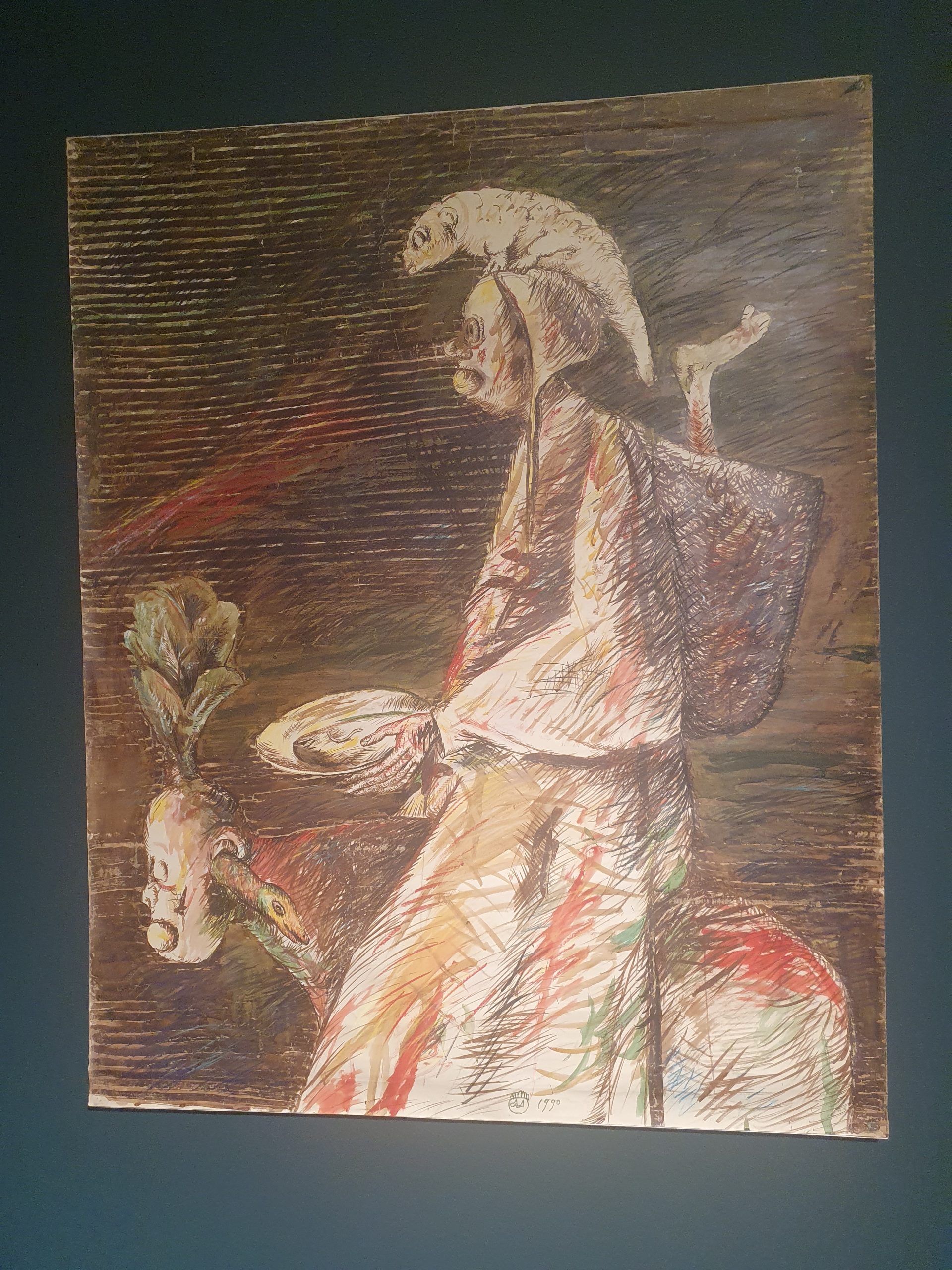
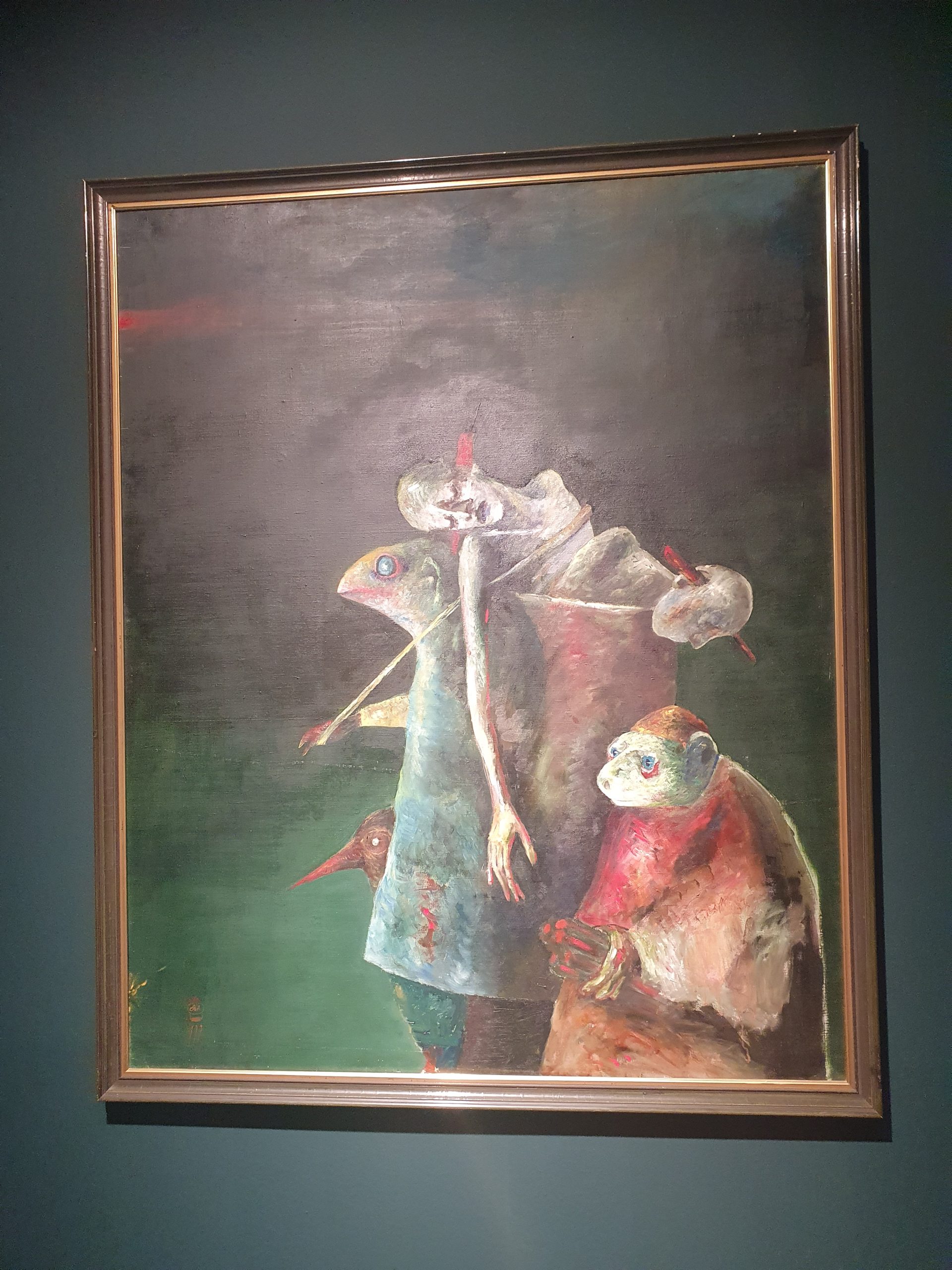
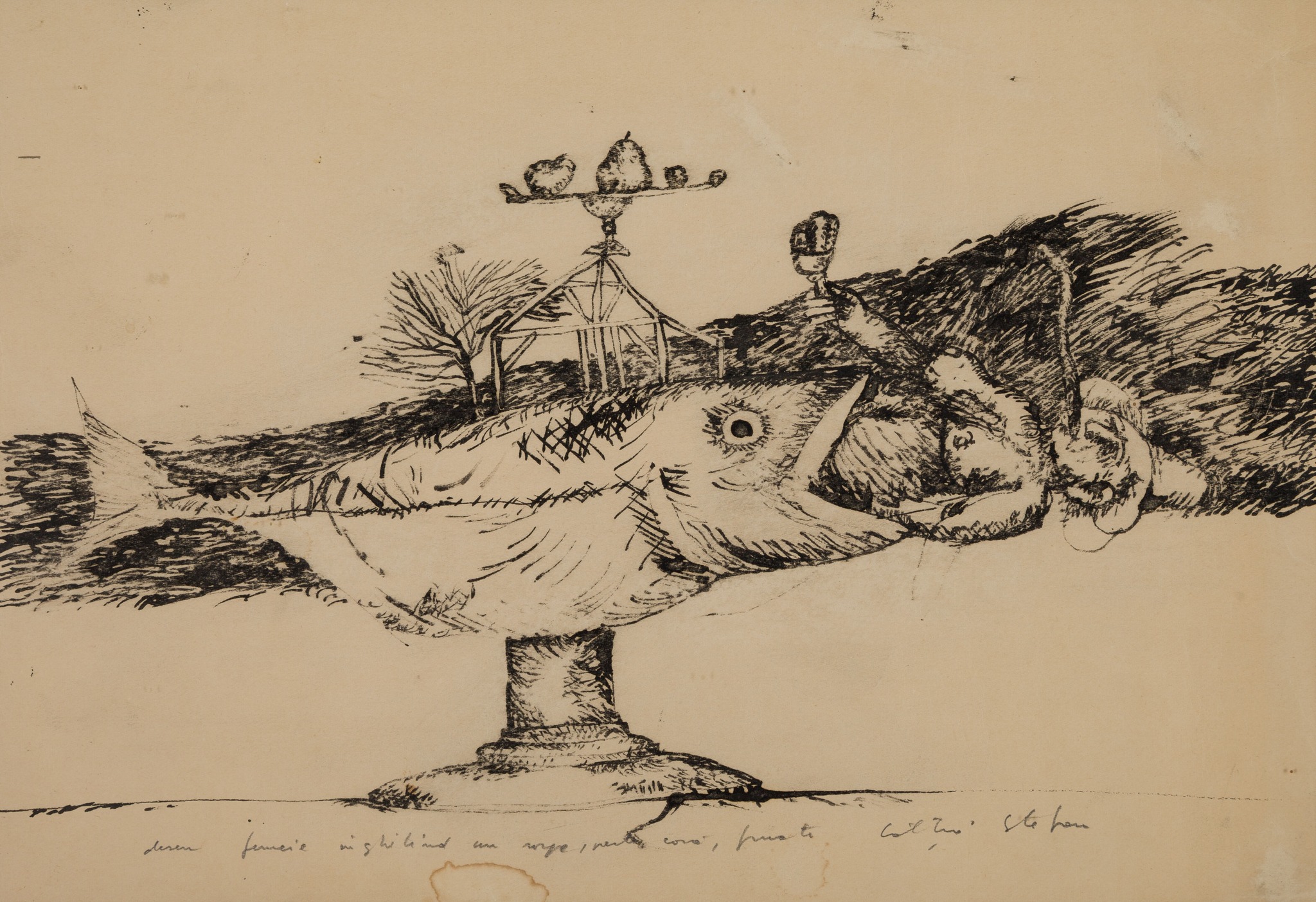
The romance of the landscapes and the tenderness of the characters is replaced by dark images, depicting obscure scenes, whose narrative is chained in apocalyptic scenarios marked by the presence of hybridized figures. Their chromaticity is much more intense, the vibrant red pulsating against the dark background like raging fire. Along with the monumental paintings that run along the walls at the beginning of the space trail, there are also a series of woodcuts depicting creatures of the imagination, resulting from the joining of parts of various animals and insects – a figure with a pig’s head and a pig’s tail fish or a kind of wasp, having huge pincers. Inside the room, some of the works are placed in another display variant: two walls and two curtains form a small and dark room, where the visitor is completely cut off from the rest of the exhibition to be able to devote himself to going through the series of paintings or woodcuts included in that frame. The exhibition design was made by Attila Kim, famous for designing some of the most successful art exhibitions.
The discourse addressed by the artist in the period between 1965 and 1995 is political, the problem of collectivization, which had left deep traces on the community of Șona, the village where he grew up, being illustrated at the level of his creation. ‘Șona, the place from where Câlția derives his descriptions of nature, was heavily collectivized, leaving deep traces in the configuration of the community and its relationship with the earth. Collectivization generated massive changes in the landscape, not only physically, but also in terms of the way the people relate to nature, the ecologist Tibor Hartel explains, such that today a socio-ecological disaster ends up becoming a reference point for society’(quote taken from the curatorial text of the exhibition ‘Impressions of a lived time’ ).The essence the artist’s creation is to illustrate a key to redefining the natural relationship between man and nature.
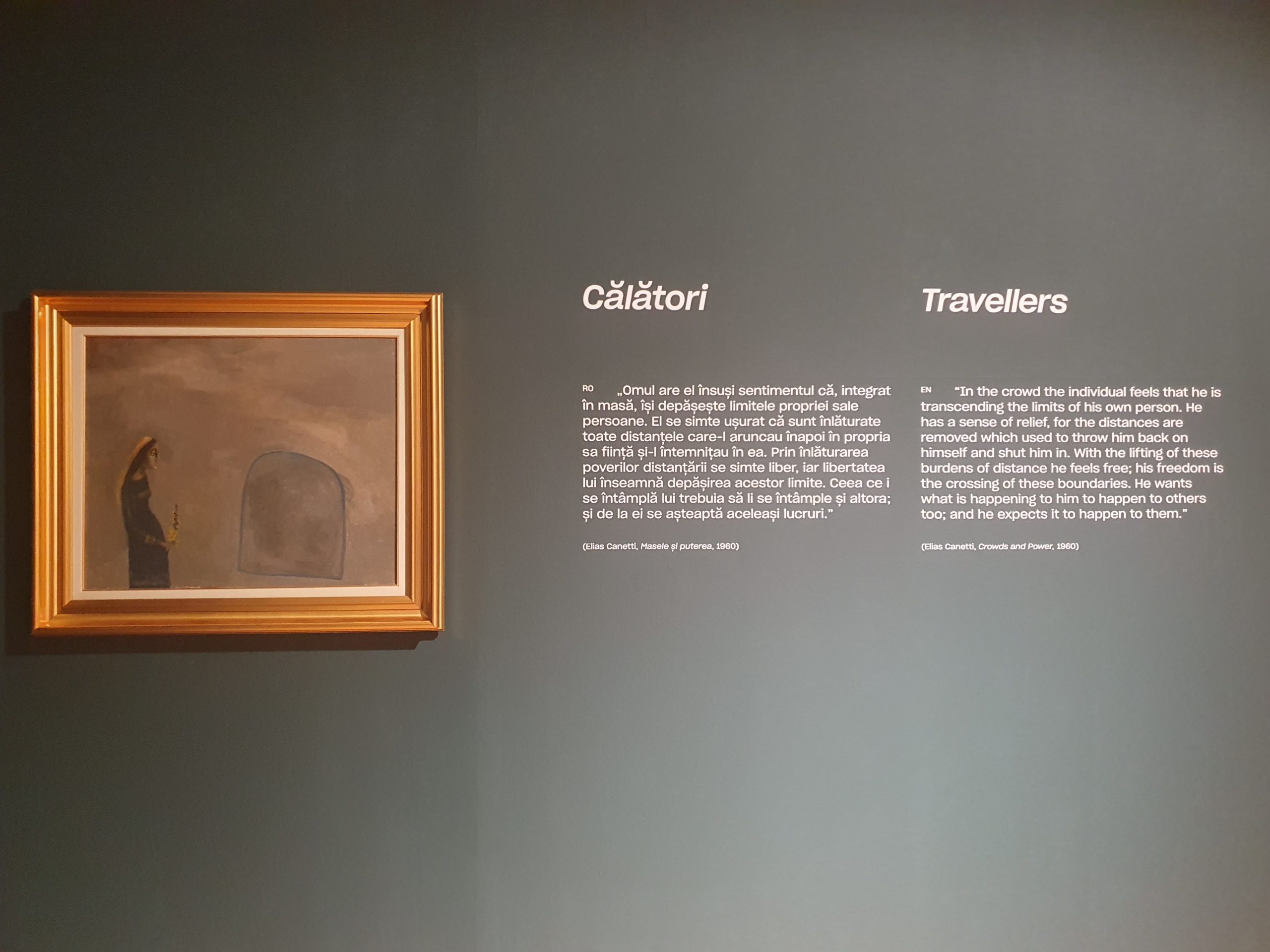
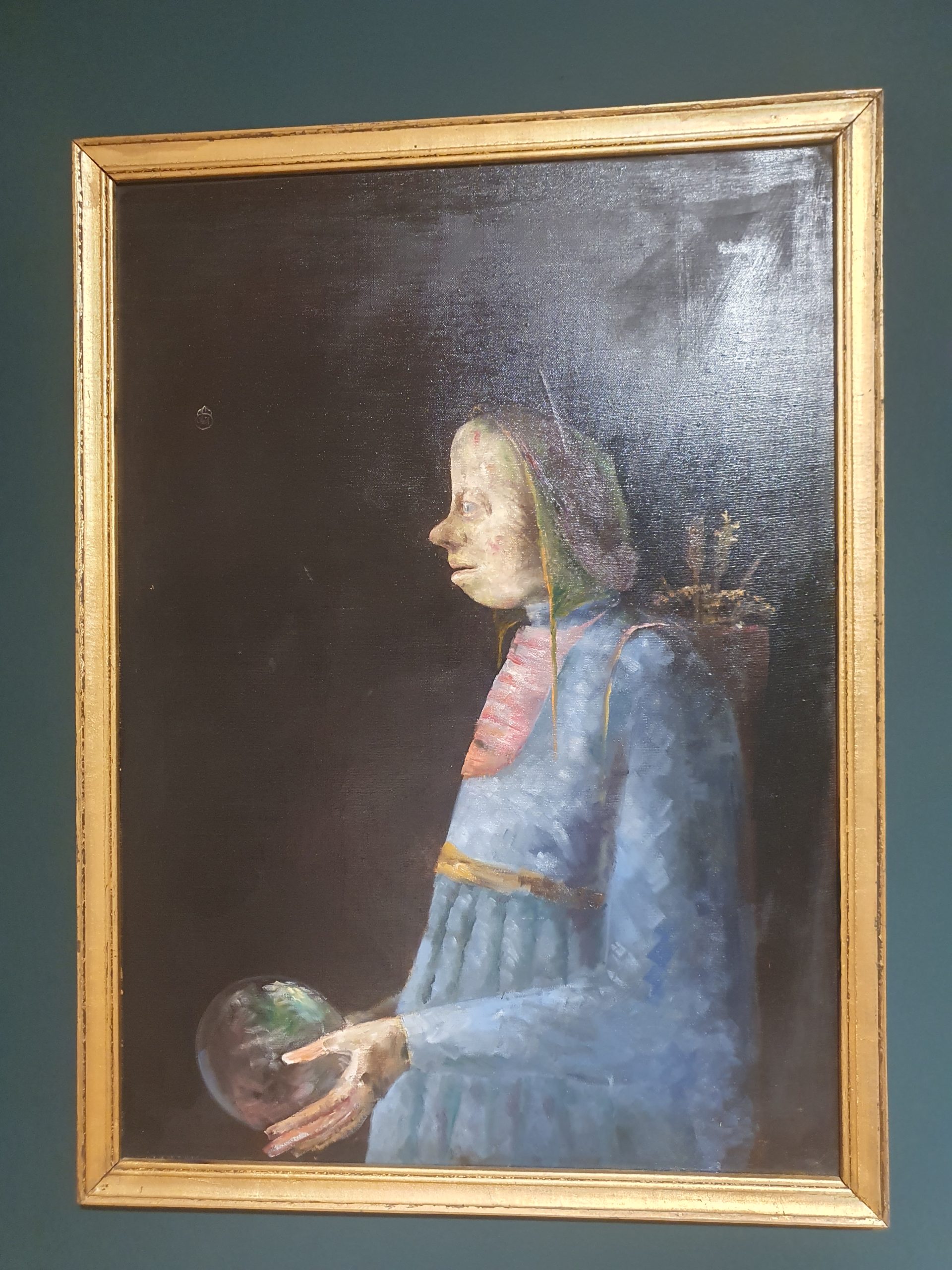
Ștefan Câltia is one of the most famous Romanian contemporary artists, his representational style being noted both locally and internationally. Câltia’s paintings are recognizable from a distance as having slightly filiform figures, enveloped by an aura full of mystery, levitating in the picturesqueness of a Transylvanian landscape. The meticulousness marks his creation, his specificity being to combine the anthropomorphic and the zoomorphic in a way that belongs to the dream. Ștefan Câltia’s works are part of both private collections and were, at the same time, included in exhibition events that took place both in the country, as well as internationally. The most recent exhibition that took place outside the country was held in 2022, when at the invitation of the Prince Charles Foundation, the exhibition “The Way to Transylvania” was organized for the artist, at the Garrison Chapel, in collaboration with the Association for Monuments and the Artep Gallery.
The unexpected universe of Câltia’s works is waiting to be explored at the National Museum of Contemporary Art until Sunday, April 16, 2023. The museum’s visiting schedule runs from Wednesday to Sunday, between 11 a.m. and 7 p.m. Guided tours of the exhibition are also occasionally offered.