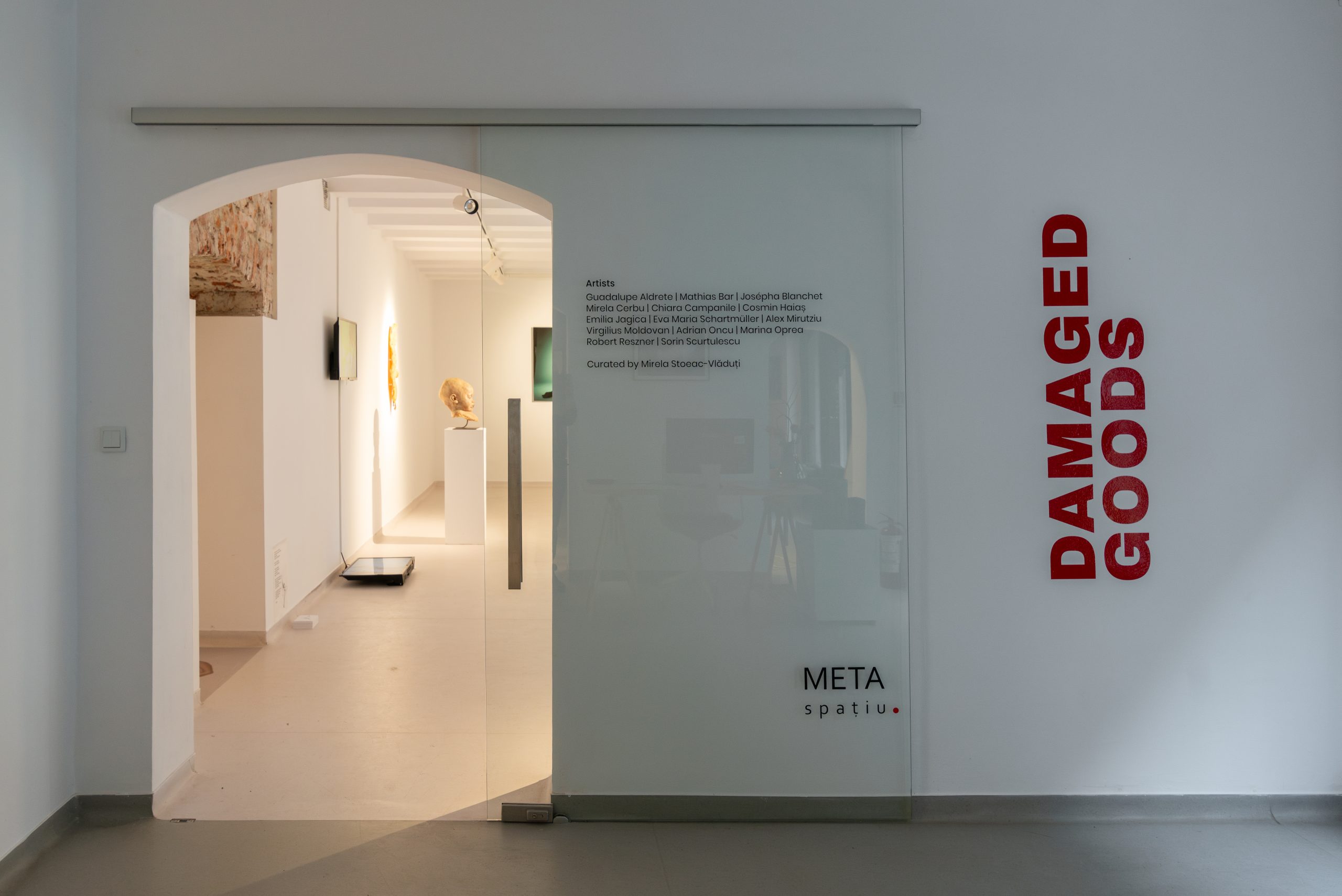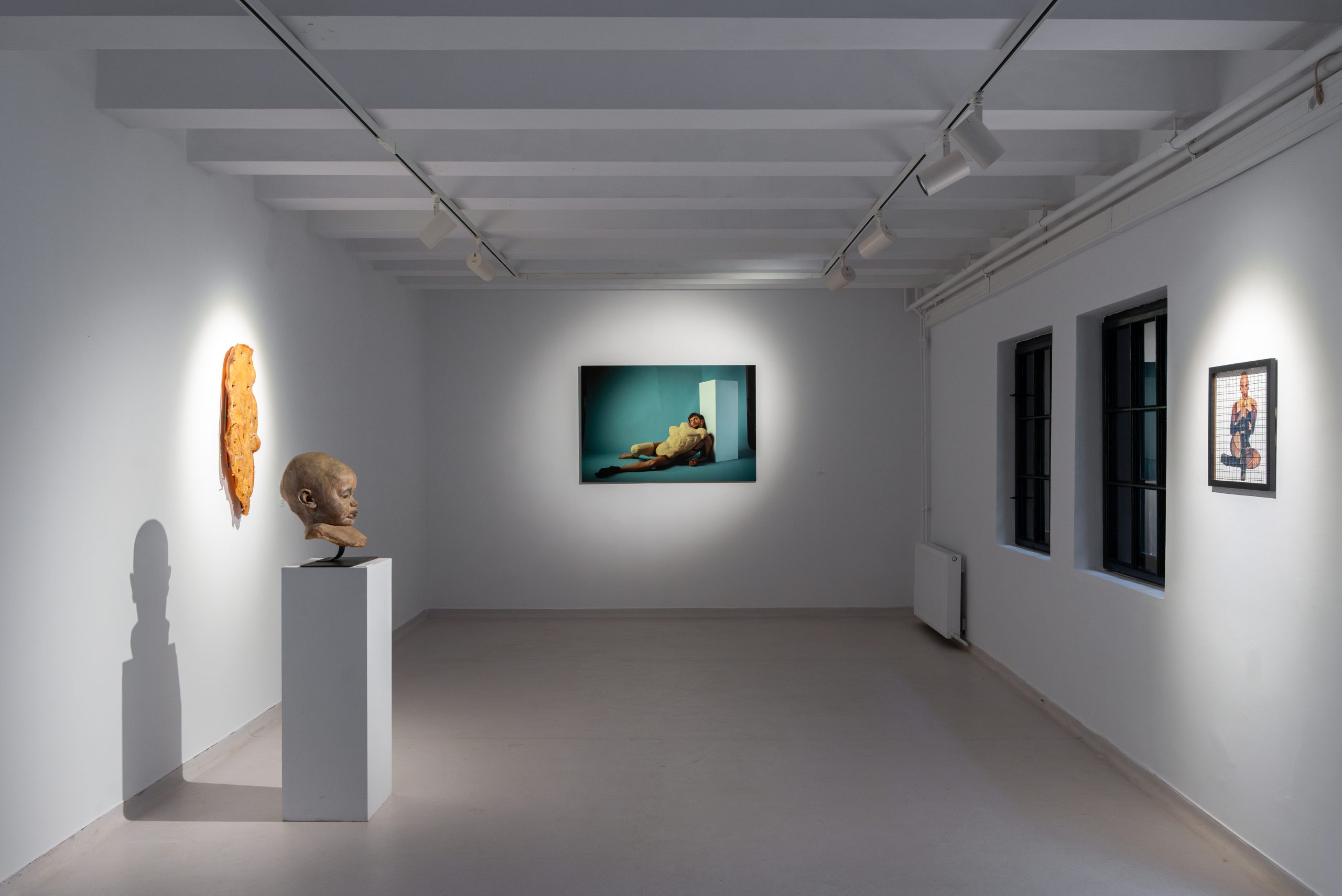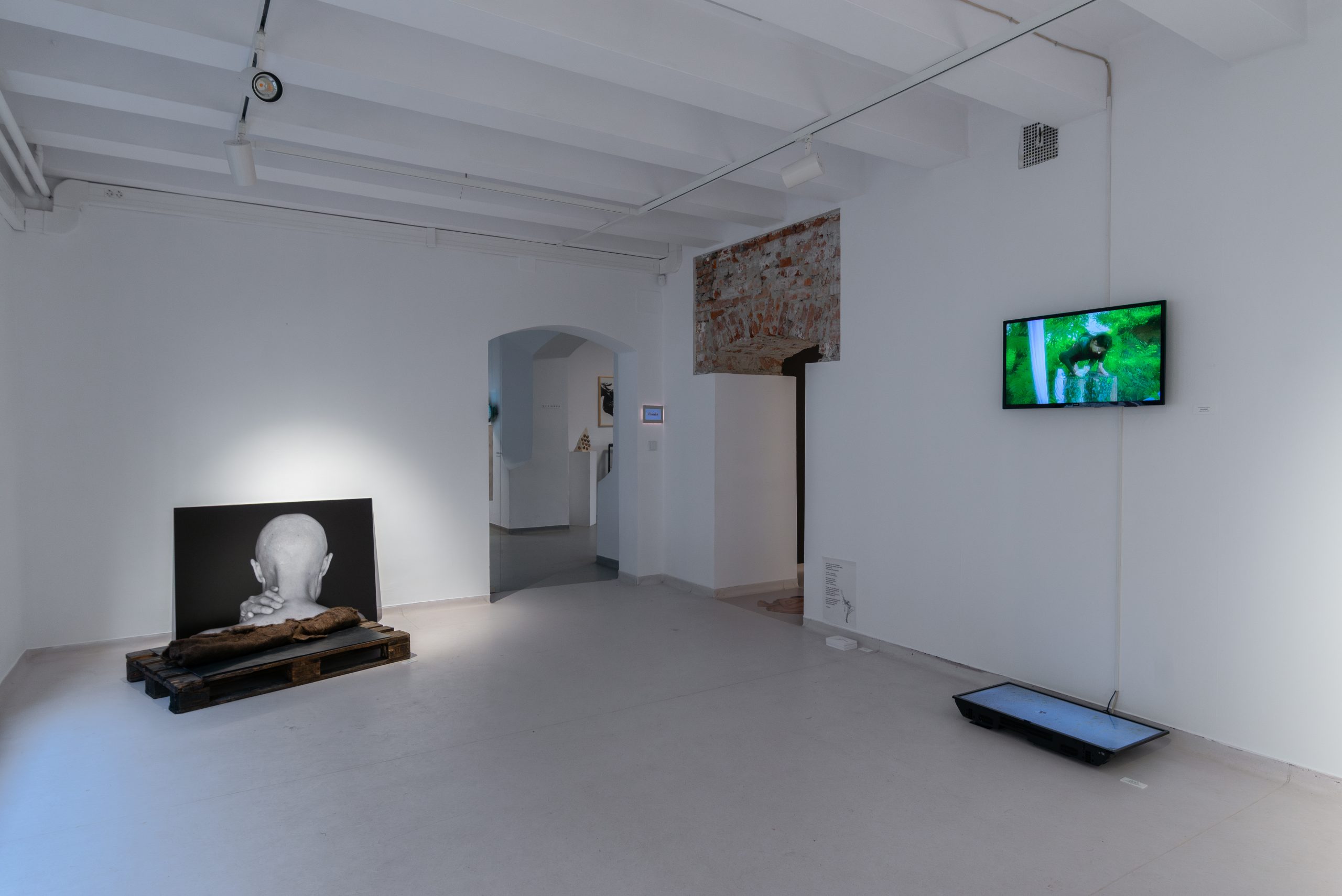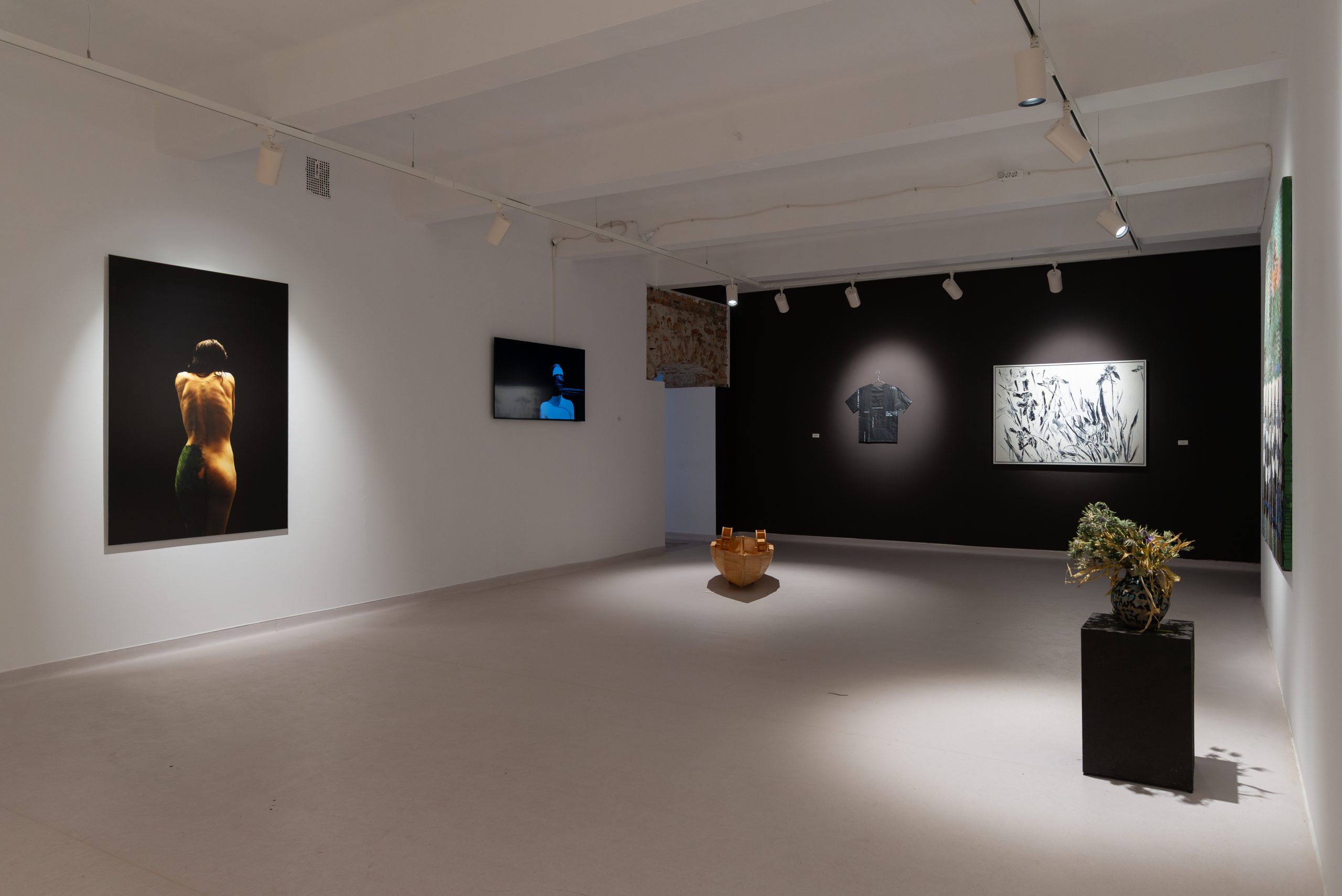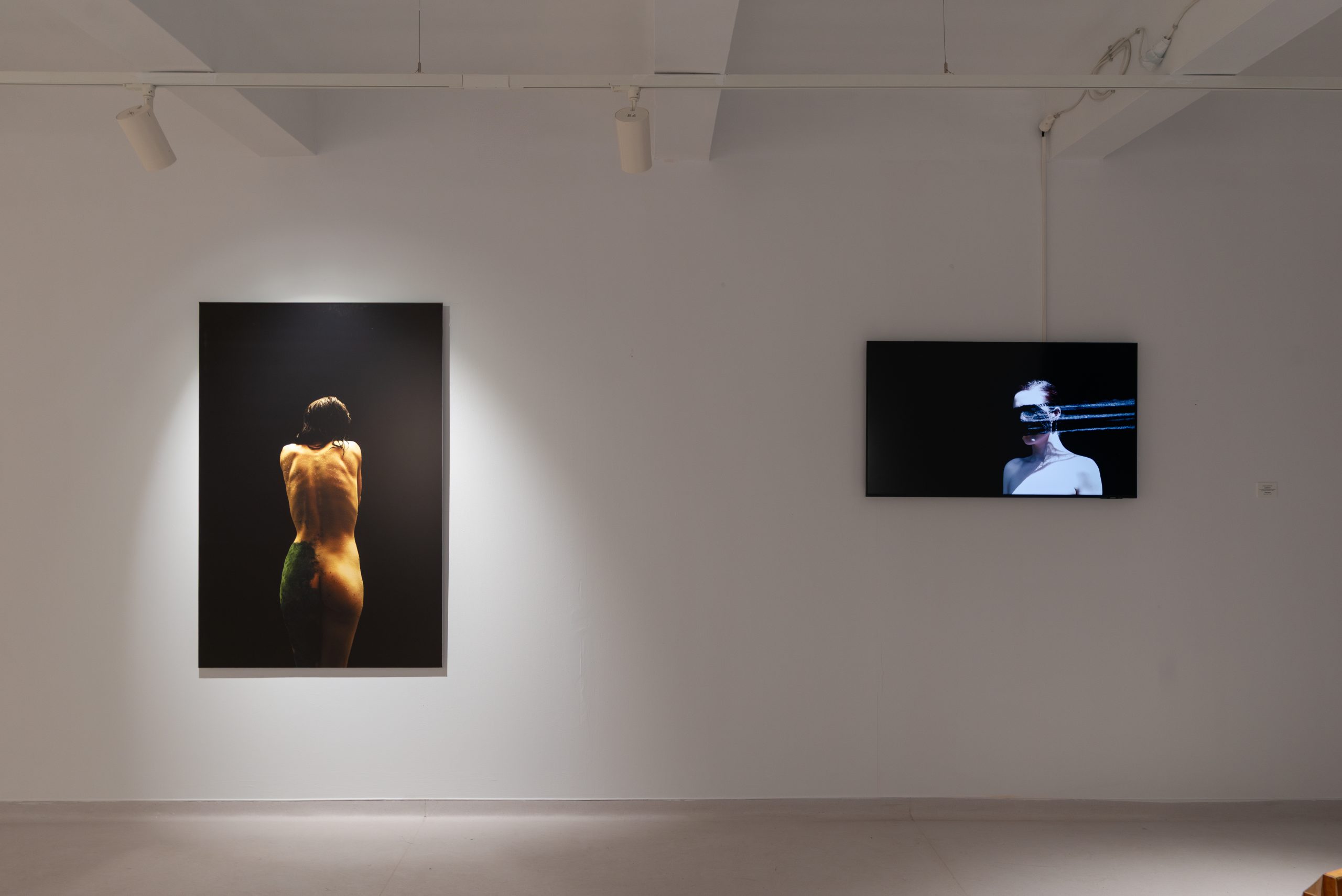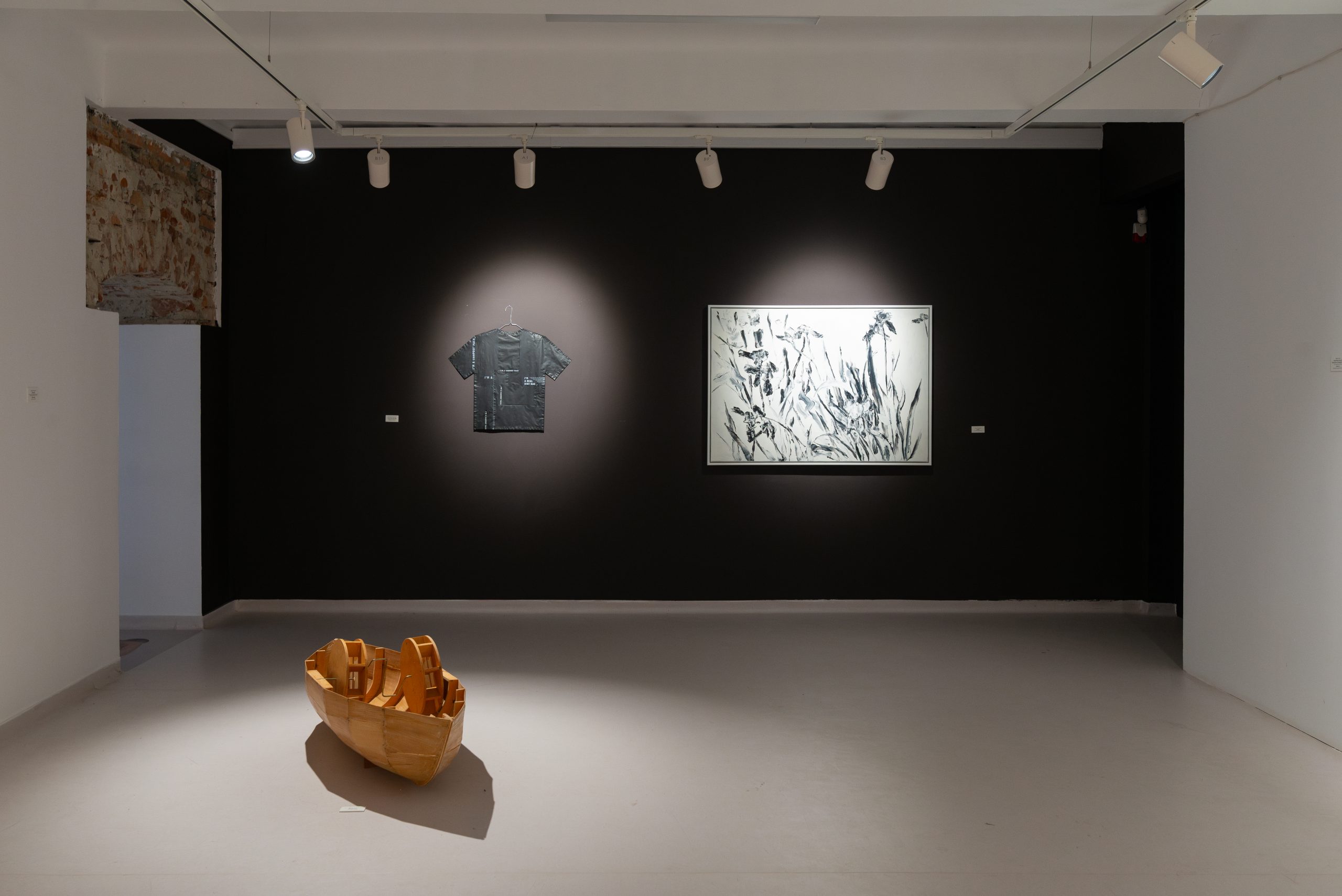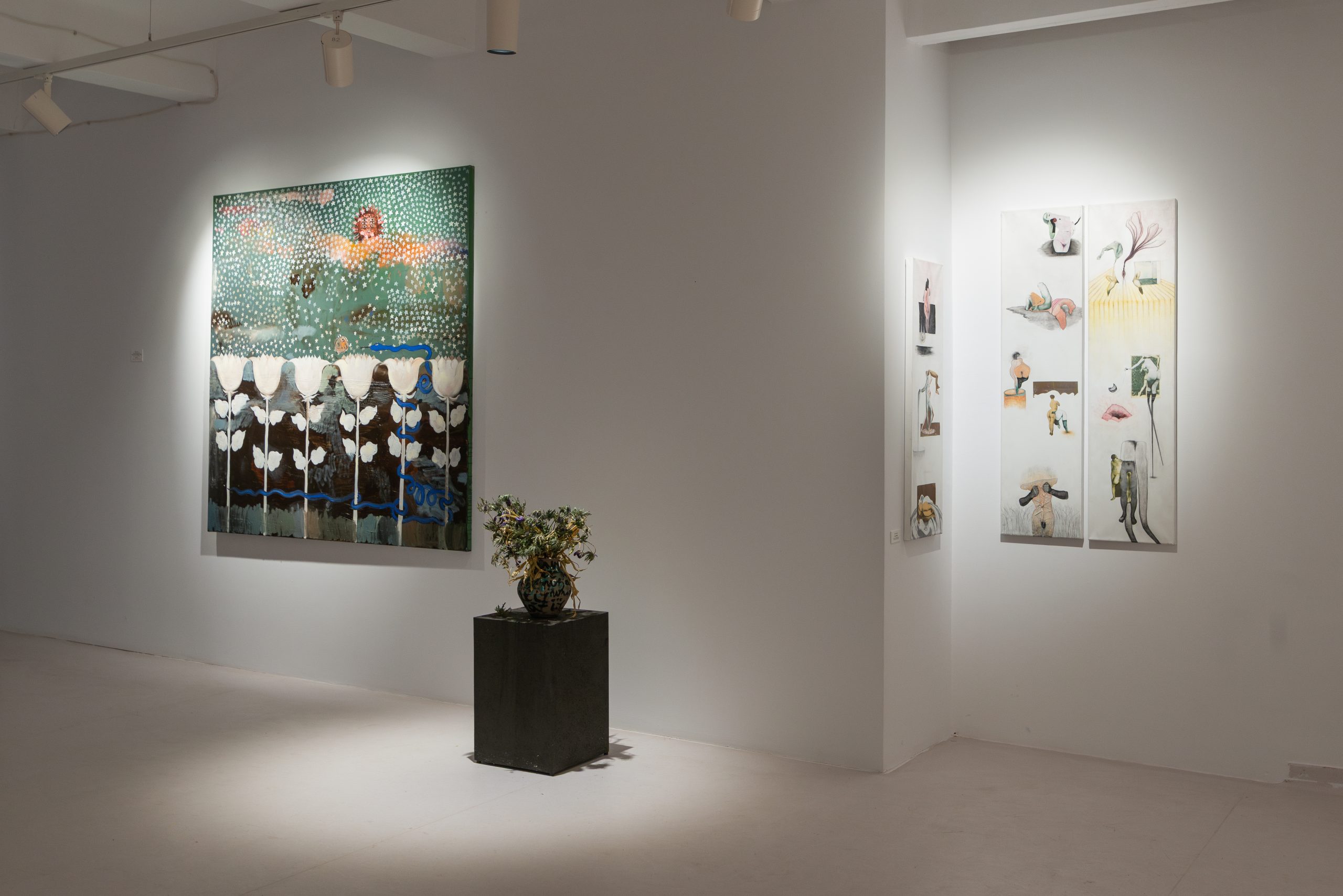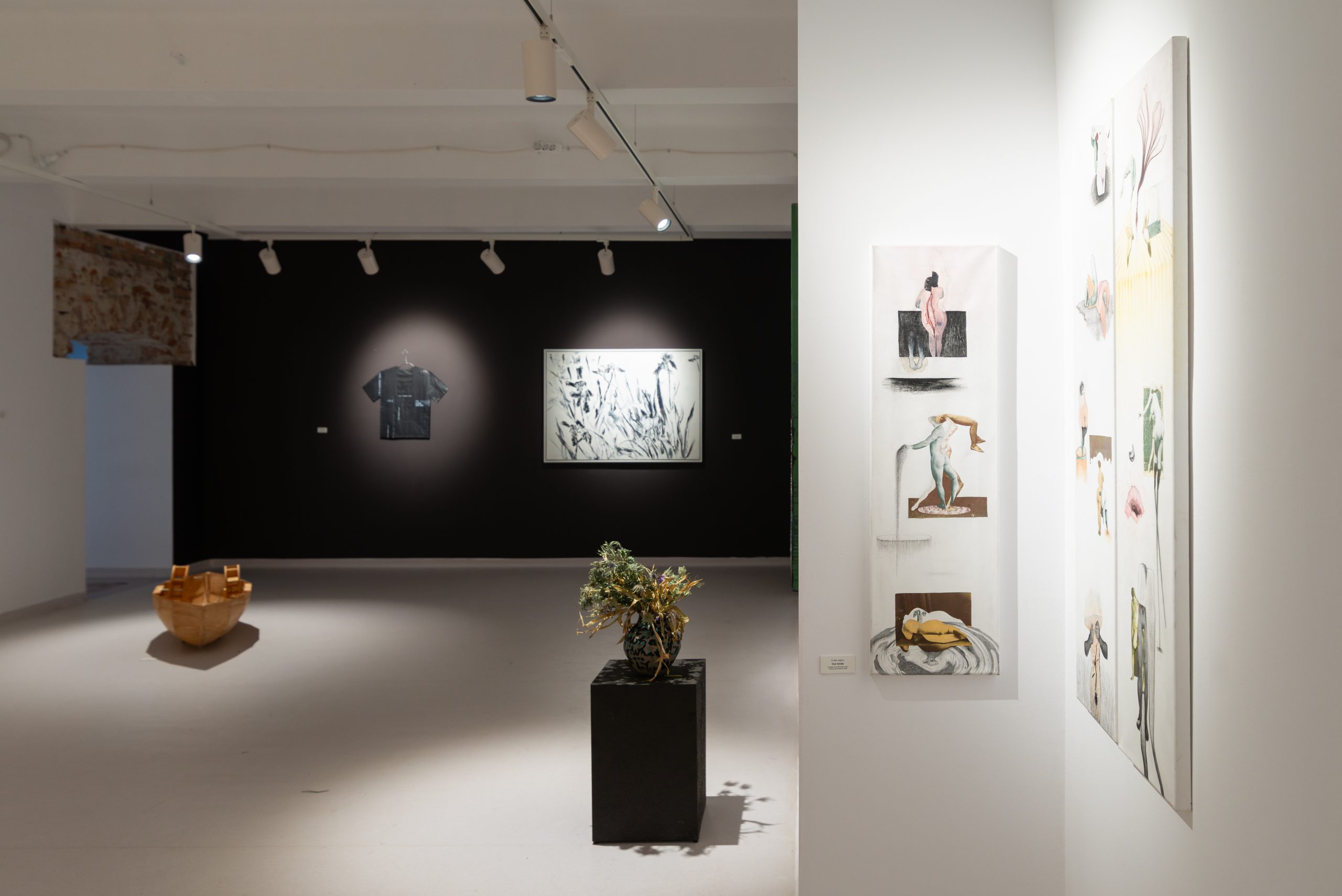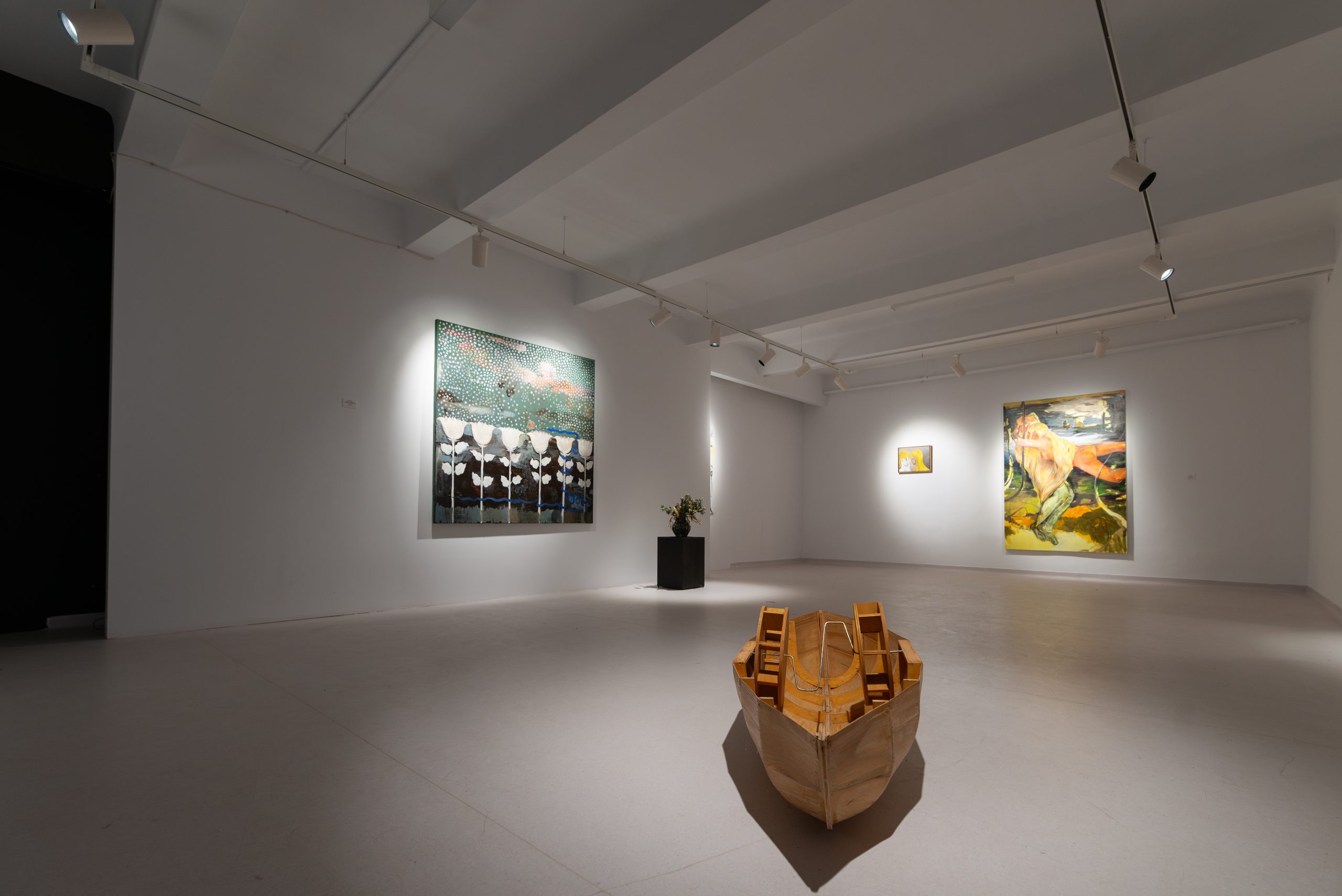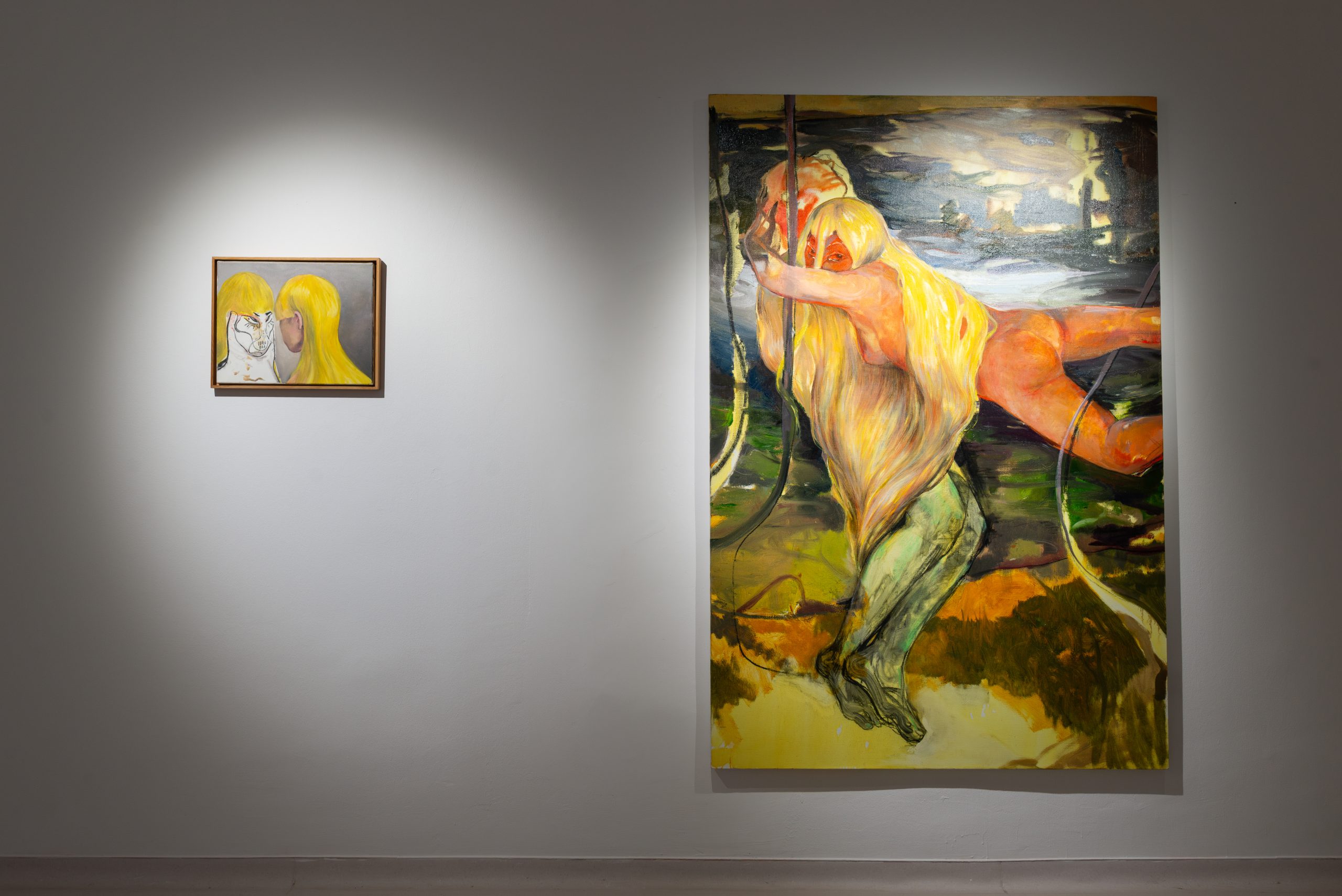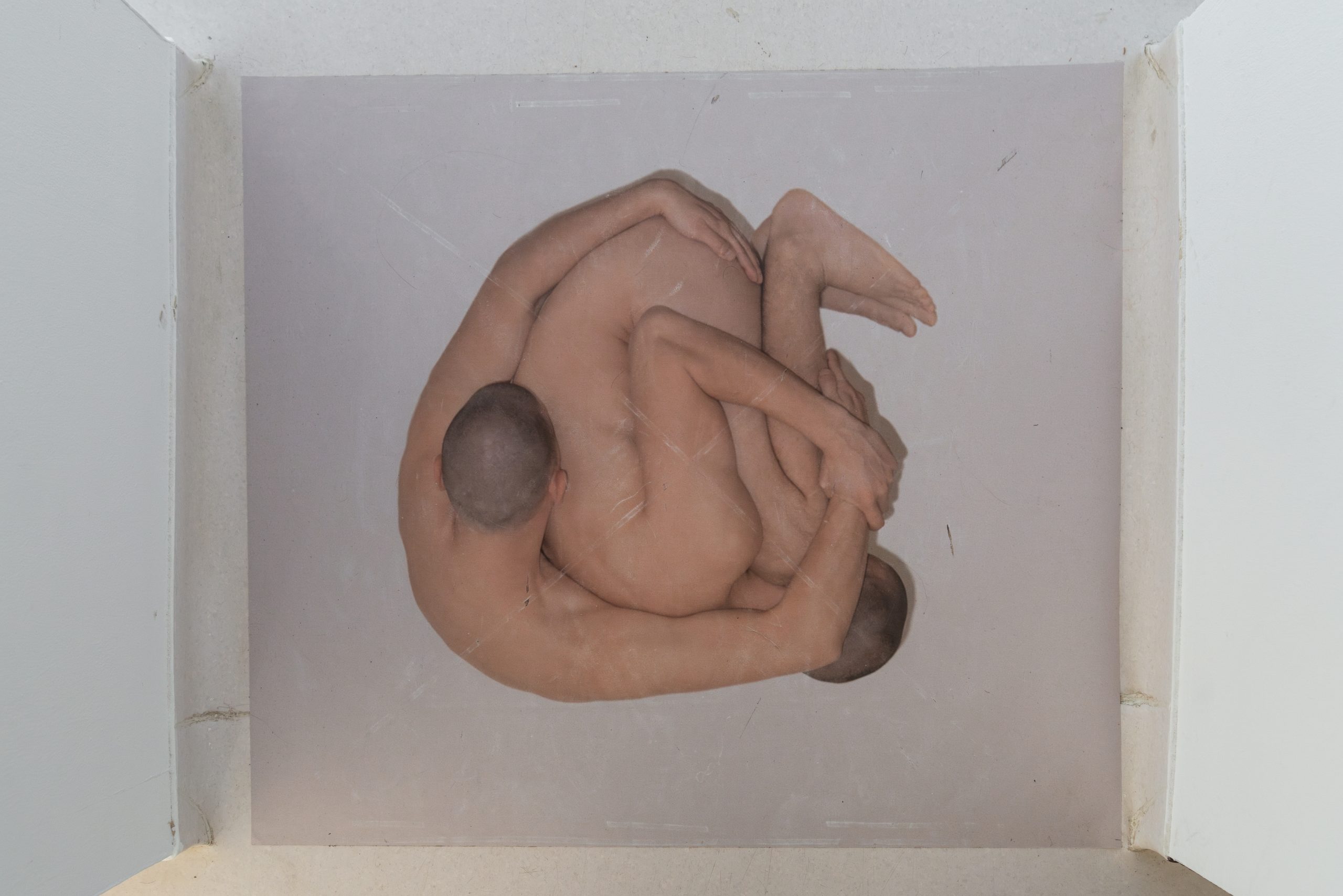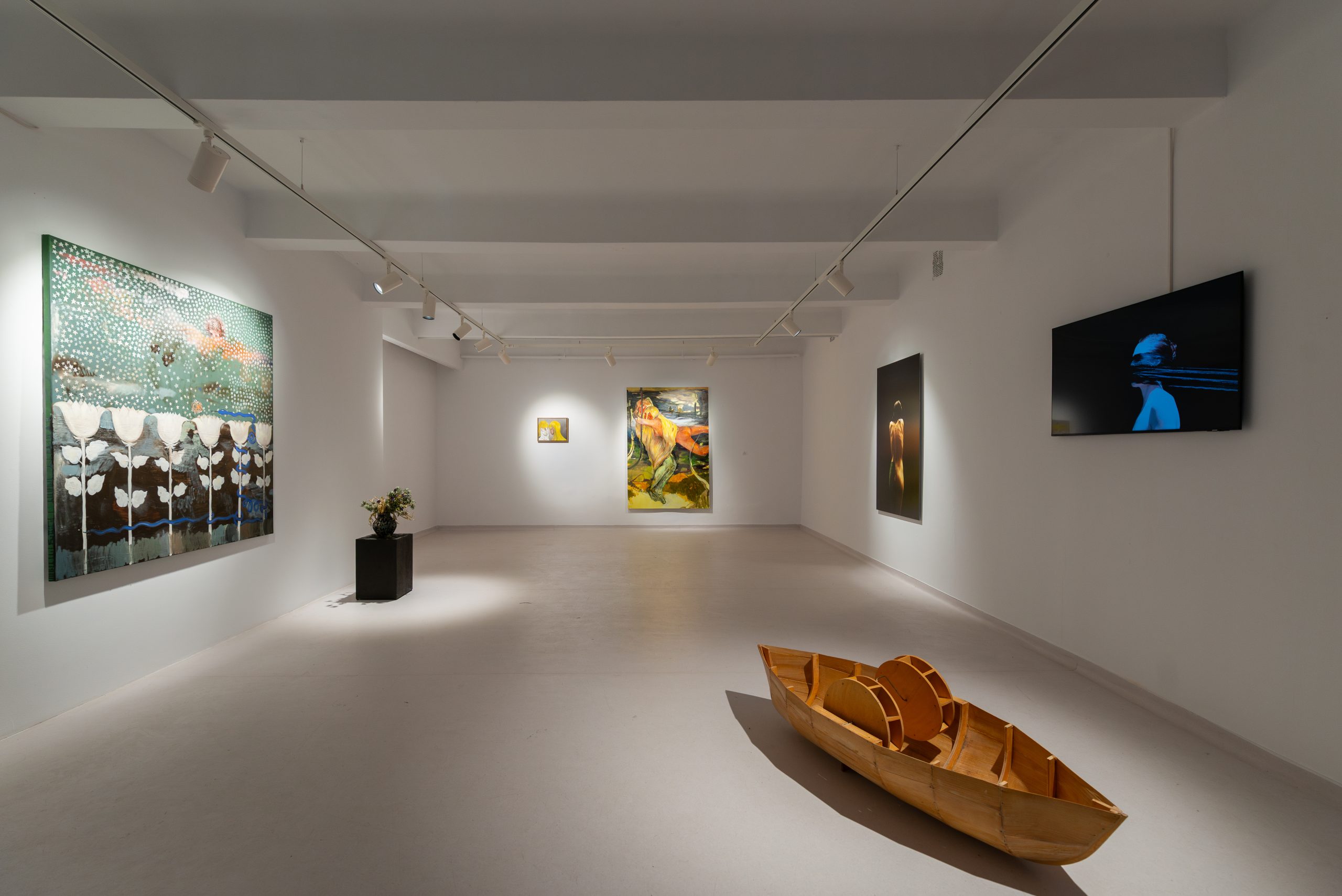
The contemporary art gallery META Spațiu in Timișoara presents the group exhibition DAMAGED GOODS, curated by Mirela Stoeac-Vlăduți. The exhibition brings together artists from Romania and the international context: Guadalupe Aldrete, Mathias Bar, Josépha Blanchet, Mirela Cerbu, Chiara Campanile, Cosmin Haiaș, Emilia Jagica, Eva Maria Schartmüller, Alex Mirutziu, Virgilius Moldovan, Adrian Oncu, Marina Oprea, Robert Reszner, and Sorin Scurtulescu.
The title of the exhibition comes from the vocabulary of capitalist trade, where objects are evaluated, classified, and discarded when they no longer meet standards of utility or perfection. Within this economic system, “damaged goods” refers to products considered defective, worn out, or compromised—removed from the circuit of value. The exhibition transfers this logic onto the body and human experience, examining how capitalism treats the body as a commodity: a product, a tool of labor, a surface of consumption, and a residue once it no longer meets performance demands.
Throughout the history of art, the body has been constantly charged with cultural and political meanings. The idealized anatomy of classical sculpture or the moralizing representations in Christian iconography reveal how the body has functioned as a carrier of social norms. In contemporary capitalism, this symbolic dimension is doubled by a direct economic one. The body produces, optimizes itself, displays itself, and is continuously evaluated in relation to efficiency, productivity, and desire.
In this context, damage becomes an indicator of the limits imposed by these systems. The tired, abused, overused body, or the body excluded from the logic of performance, appears as a “defective good”—a body that can no longer be seamlessly integrated into the economy of productivity.
The exhibition DAMAGED GOODS proposes another perspective on these traces. Damage appears as the result of contact, pressure, and time. The bodies presented in the works remain marked by the processes that have passed through them, and these signs—scars, fragilities, traces of effort—become forms of material memory.
Through the works of the invited artists, the exhibition investigates the body as a space of negotiation between economic systems and lived experience. The body appears simultaneously as product, instrument, and surplus—a territory where use, resistance, and memory remain visible.