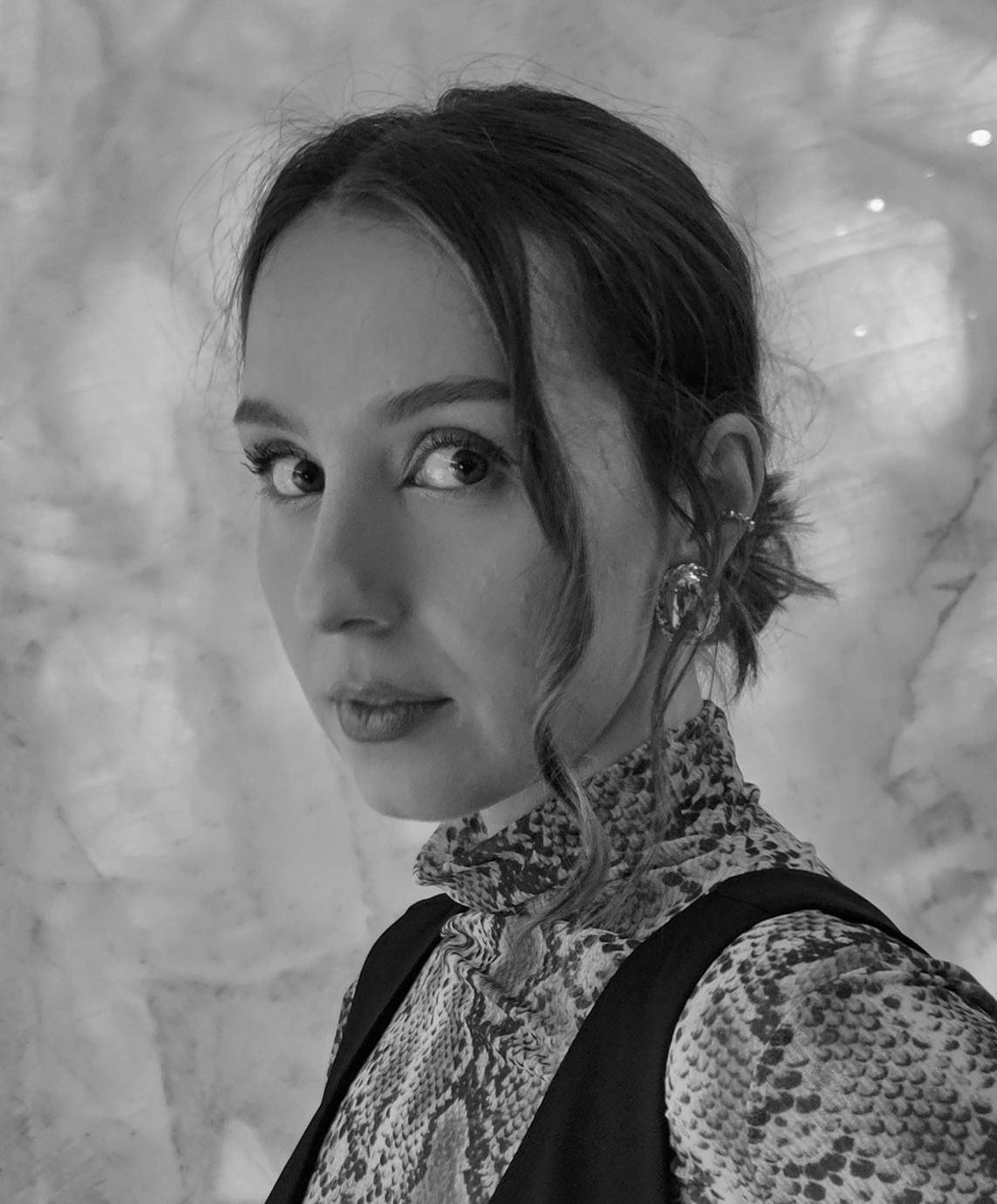
Alexandra Brînzac is a multidisciplinary artist based in Cluj-Napoca whose practice explores the relationship between identity, materiality, instinct, and the power structures that shape human experience. Initially trained in the field of collectible design and later graduating with a Master’s degree in Sculpture from the University of Art and Design in Cluj-Napoca, the artist builds her works through an intuitive, compulsive, and organic process, in which clay, ceramics, stone, metal, glass, and other materials become tools for research and expression.
Alexandra Brînzac speaks to us about the journey that led her to artistic practice, the role of academic education and the search for a personal visual language, as well as her profound relationship with clay and the unpredictable nature of the creative process. The interview also addresses the challenges she has encountered as a female artist in an environment still perceived as male-dominated, the dynamics of the independent art scene in Cluj and Romania, and her experience of encountering Constantin Brâncuși’s work in person.
Do you remember a particular moment, event, or experience that set you on an artistic path?
Alexandra Brînzac: I think I’ve always had a natural attraction to the creative field. That is probably the clearest thing to me. I had a certain dexterity from a very young age, and one memory my mother always tells is from first grade, when we were learning to sew during crafts class. She still remembers what my teacher said: “Mrs. Brînzac, by the time these children have even managed to thread their needles, Alexandra has already sewn ten buttons.”
I also remember that my grandfather taught me how to draw, and that I started drawing and painting in oils at a relatively young age, around seven or eight. That was my first contact with the arts and, in a way, my introduction to that world. Later on, however, I moved away from it. At the time, I felt that it required too much discipline and didn’t leave me enough room for creativity.
You are a graduate of the University of Art and Design in Cluj-Napoca, where you completed both your Bachelor’s and Master’s degrees. I’ve noticed a certain sense of disappointment among artists regarding the educational system, teaching methods, and the lack of basic preparation for an artistic career after graduation. To what extent has your academic experience influenced your artistic development and contributed to the formation of your own visual language?
A.B.: For me, the academic experience was generally a positive one because it helped me in exactly that area where I felt I was missing something: developing a visual and conceptual identity and learning how to communicate through that language. I already had most of the technical knowledge, especially because of my background in collectible design.
I do think it mattered that I only pursued my master’s degree at UAD and that I arrived there at a different point in my life. I don’t think I would have been ready for this path at 20. I am also glad that I came from a different background because it allowed me to focus more on the conceptual side and on experimentation, without feeling as constrained by a particular type of training or by already established conventions. At that point, my needs were more clearly defined, and I had a better sense of what I was looking for and in which direction I wanted to develop.
At the same time, after a break of almost ten years from the education system, I returned with certain expectations and found, perhaps with a slight sense of disappointment, that many of the problems I remembered were still there. I expected to see more changes and perhaps an approach that was more adapted to the current reality, but I didn’t feel that things had changed as much as I had hoped.
What I still notice is a certain rigidity and a somewhat traditional approach, especially for those who enter this system at a very young age. It seems to me that, at the beginning of such a path, there is also a lot of uncertainty around what it actually means to be an artist, what the future might hold, and what opportunities will exist after completing one’s studies. I think there is a need for more openness here, as well as for a more realistic preparation for what comes after graduation.
How would you define your artistic practice?
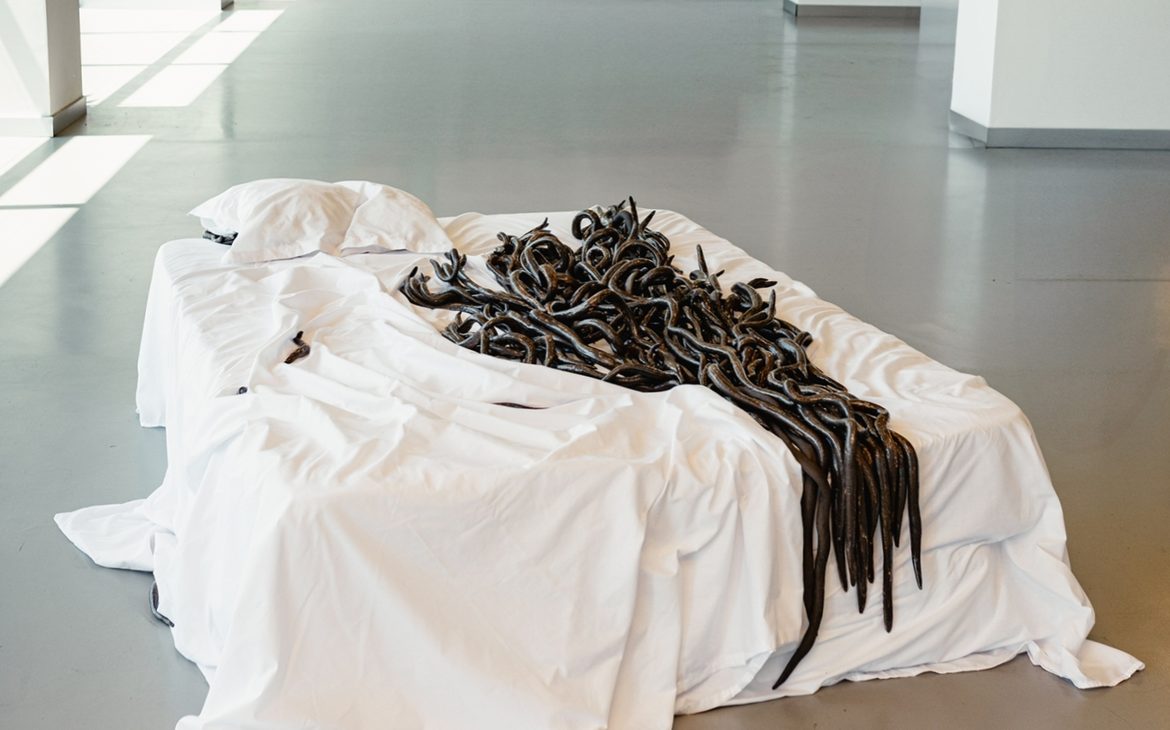
A.B.: I would say that my artistic practice is built around two main directions. The first is a reflective one, closely connected to psychoanalysis, through which I explore trauma, fear, anxieties, and repressions, as well as the subconscious mechanisms that influence our behavior. I try to understand these states in a way that is as primal and instinctual as possible. This is also where my interest in predator–prey dynamics comes from, which I use as a kind of filter through which to look at things such as the survival instinct, power relations, or defense mechanisms. I am also interested in the fact that, although these mechanisms have an evolutionary basis, they continue to emerge in the way we react to and relate to one another within contemporary social and cultural contexts.
The second direction has more to do with the social and cultural structures that influence these mechanisms. I am interested in forms of domination and control, both in relation to the individual and in the relationship between humans and the environment. This is where themes such as social pressure, constraint, and exploitation emerge in my practice, as well as the way a system built around production and consumption ultimately shapes our needs.
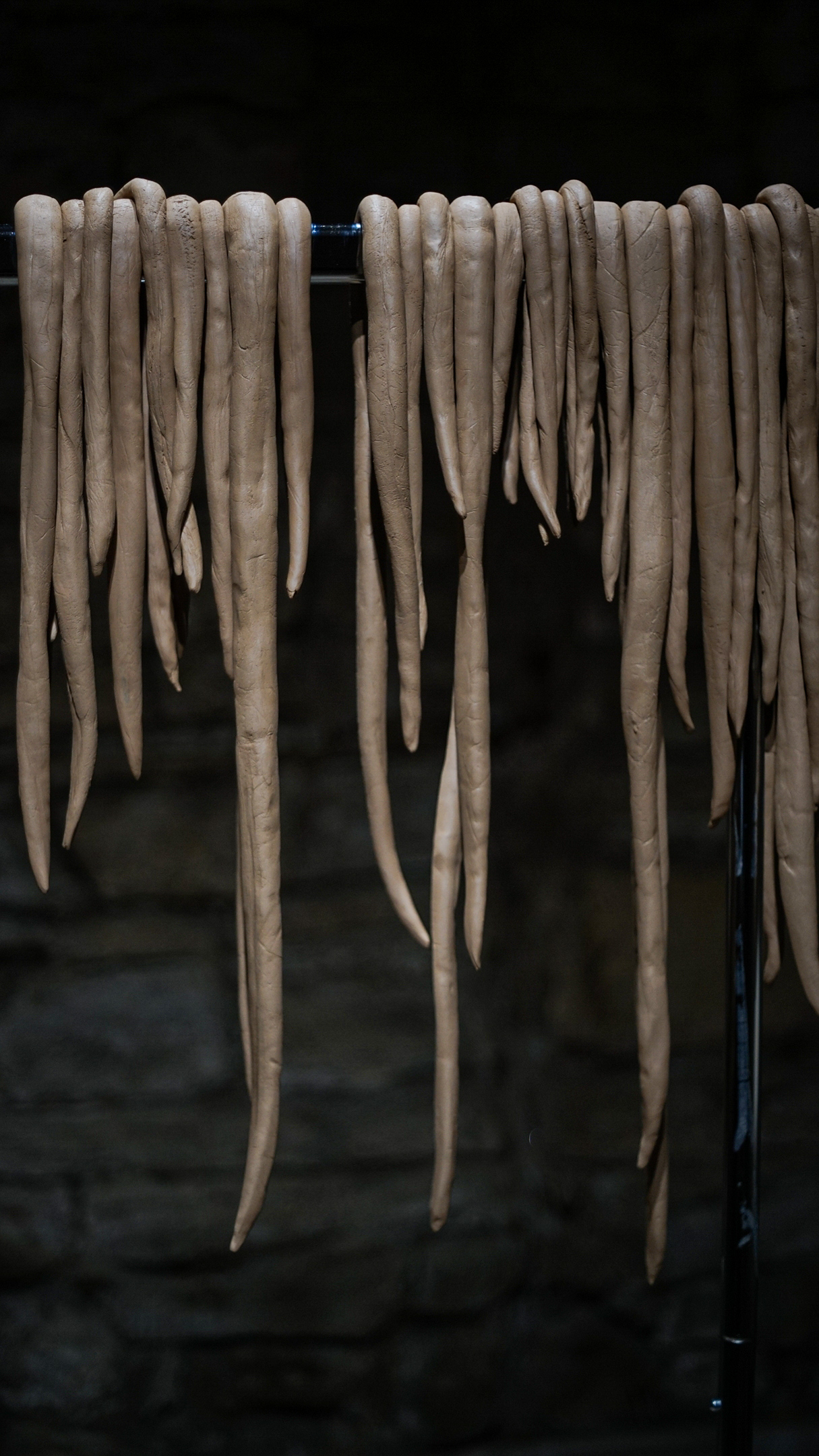
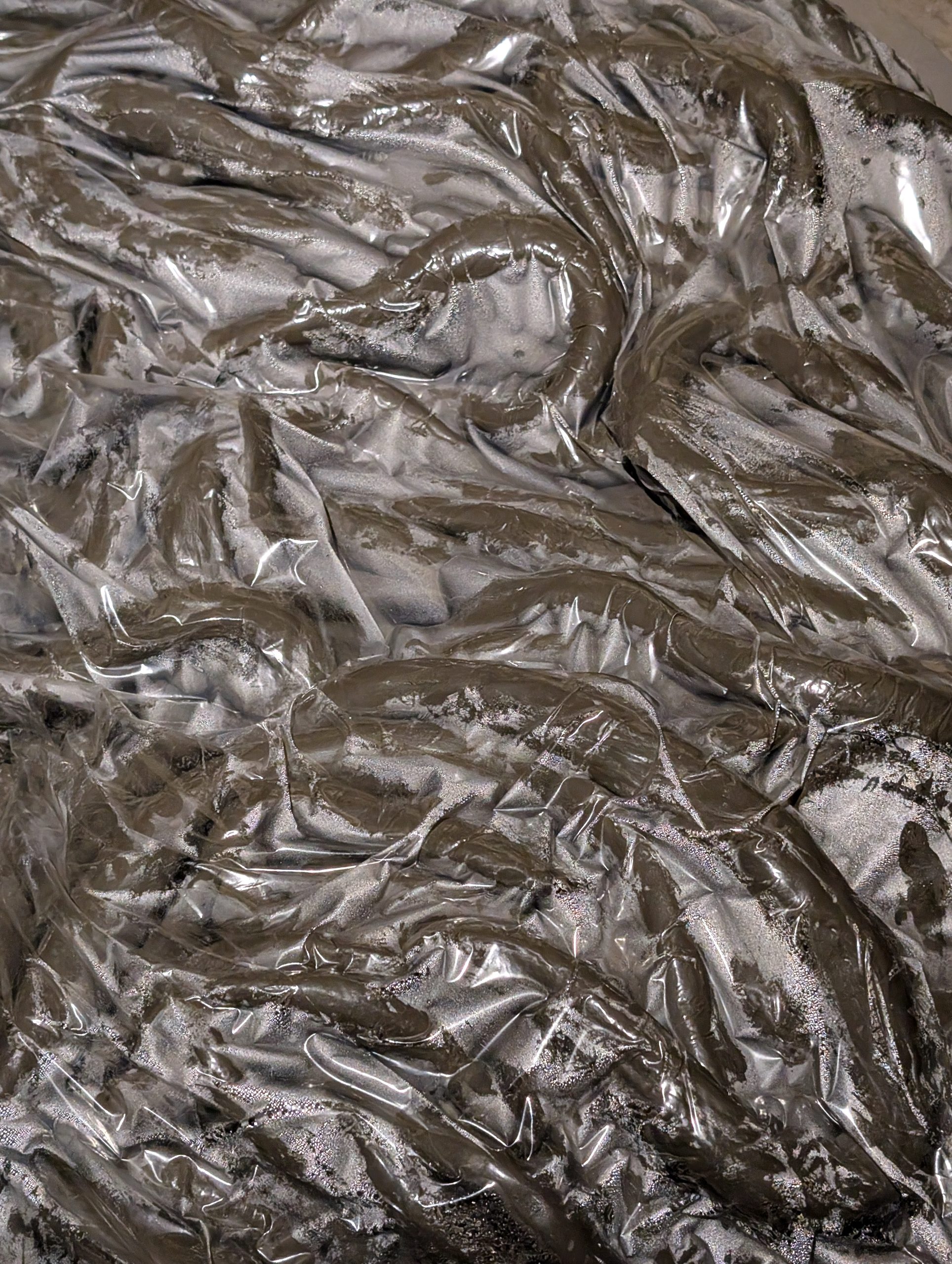
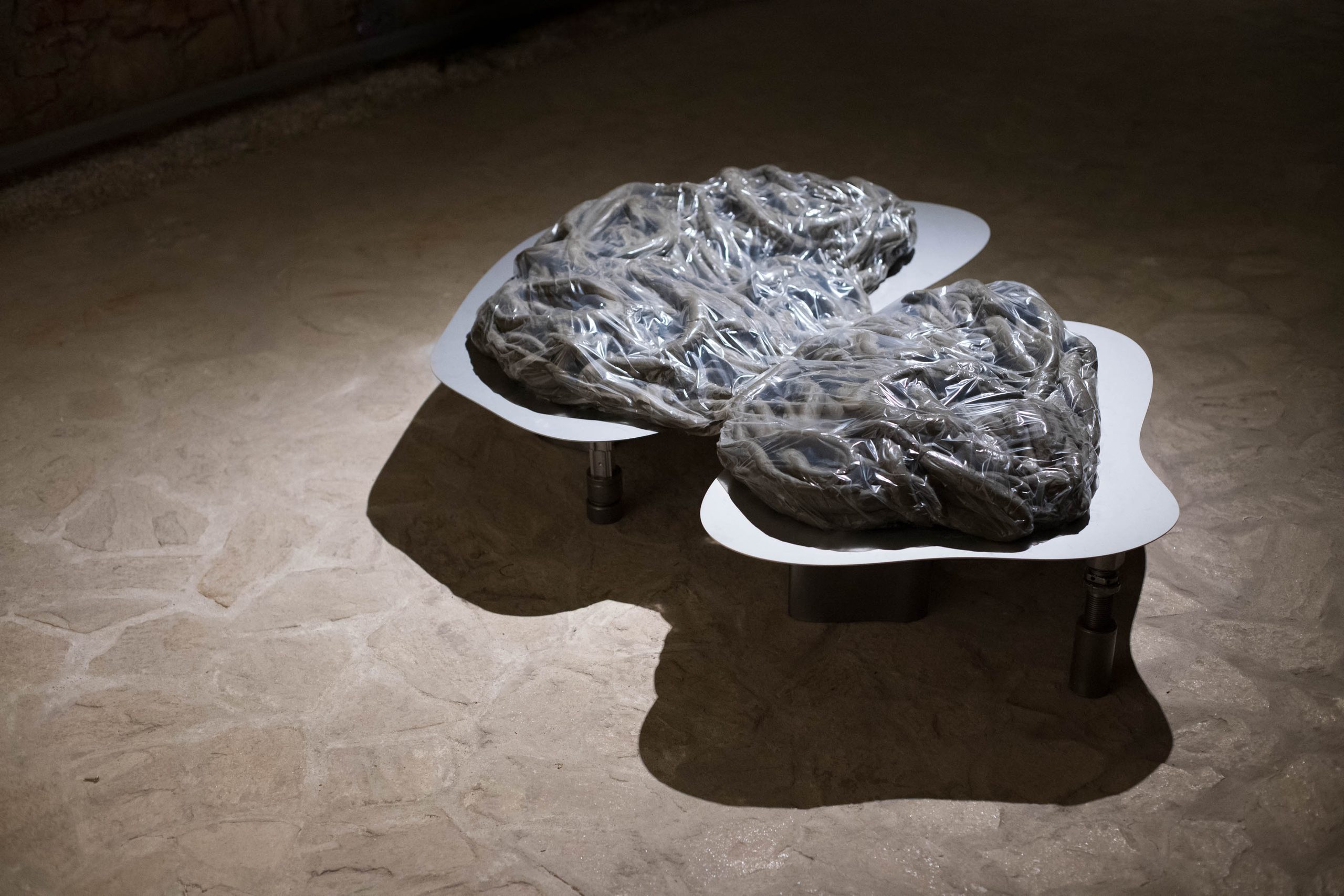
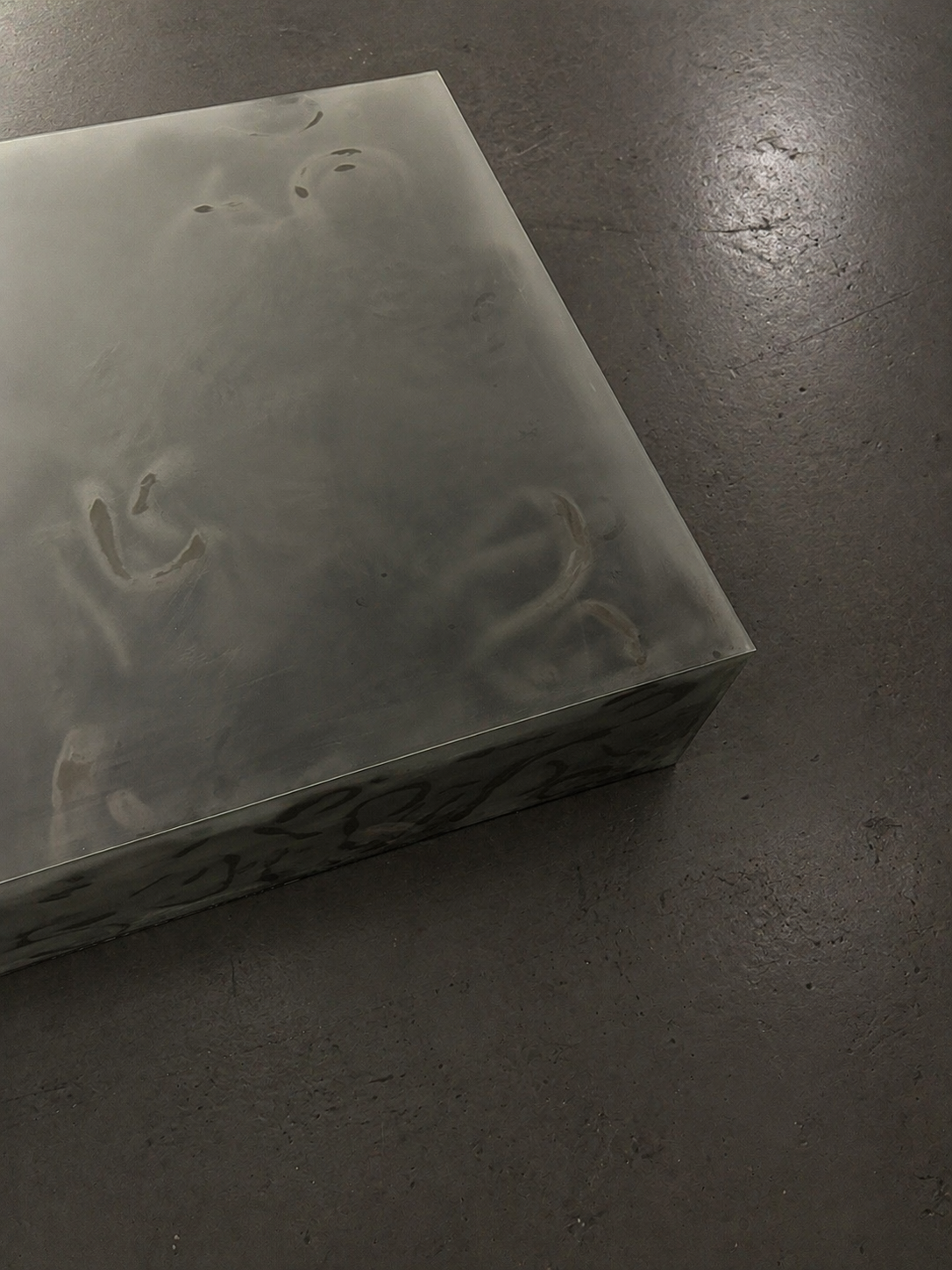
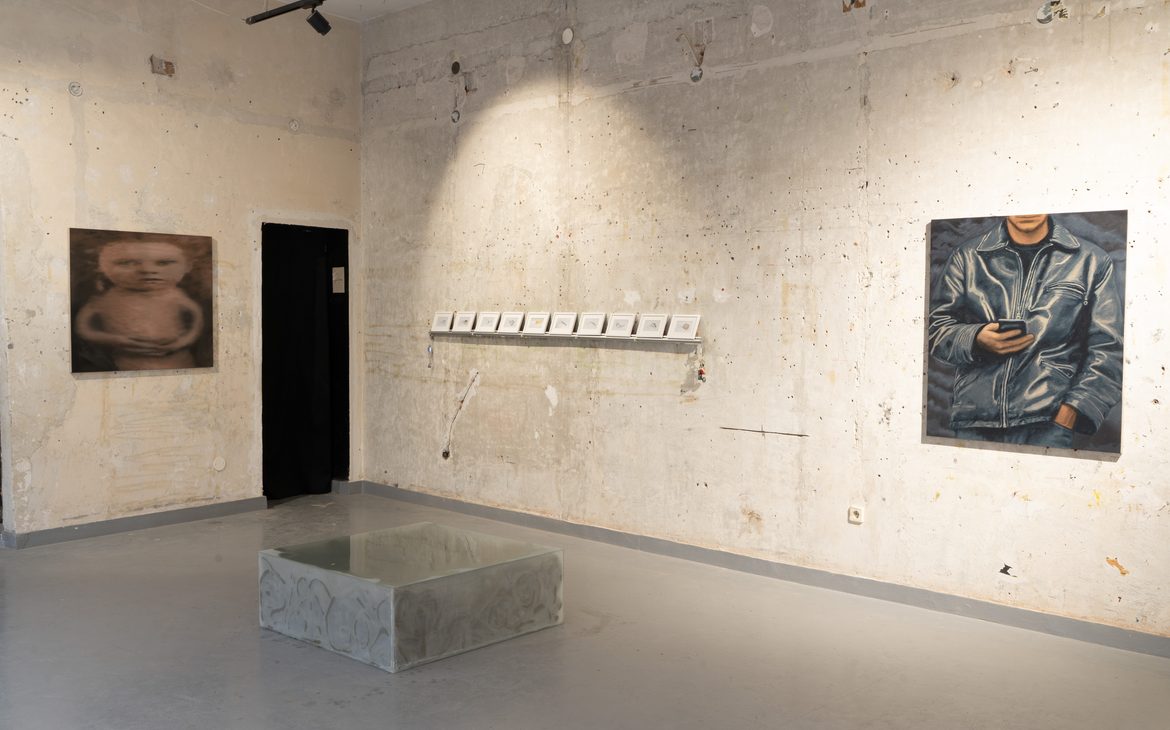
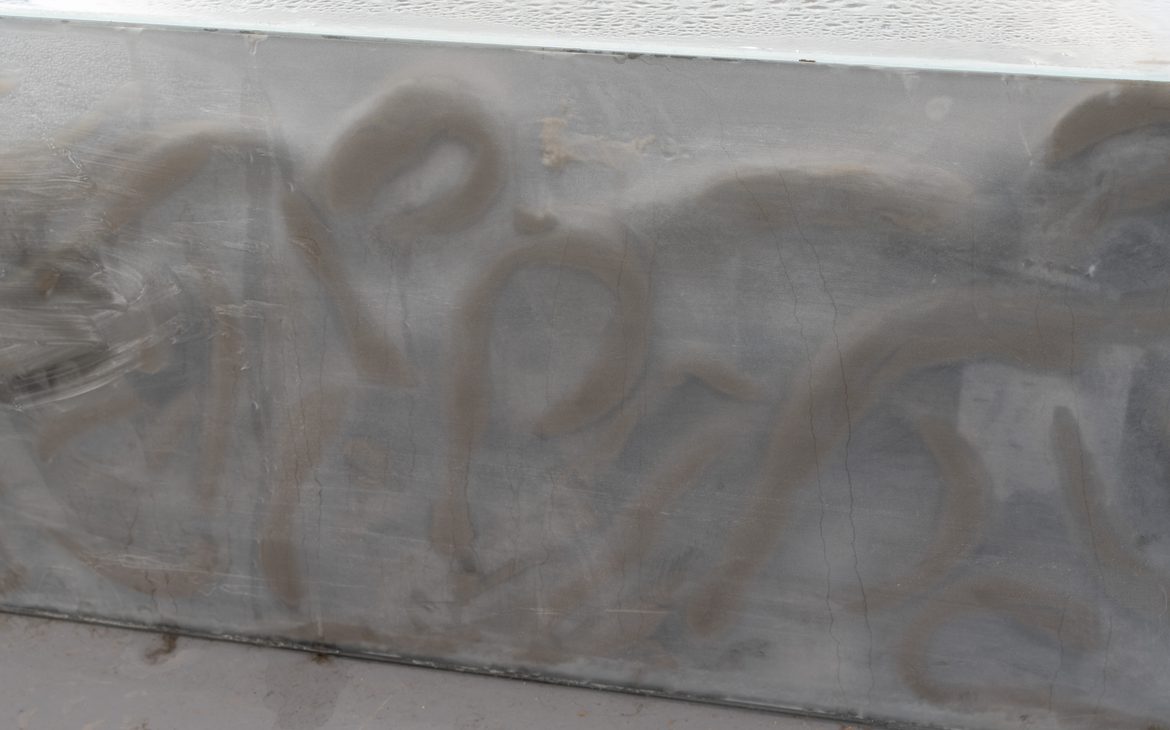
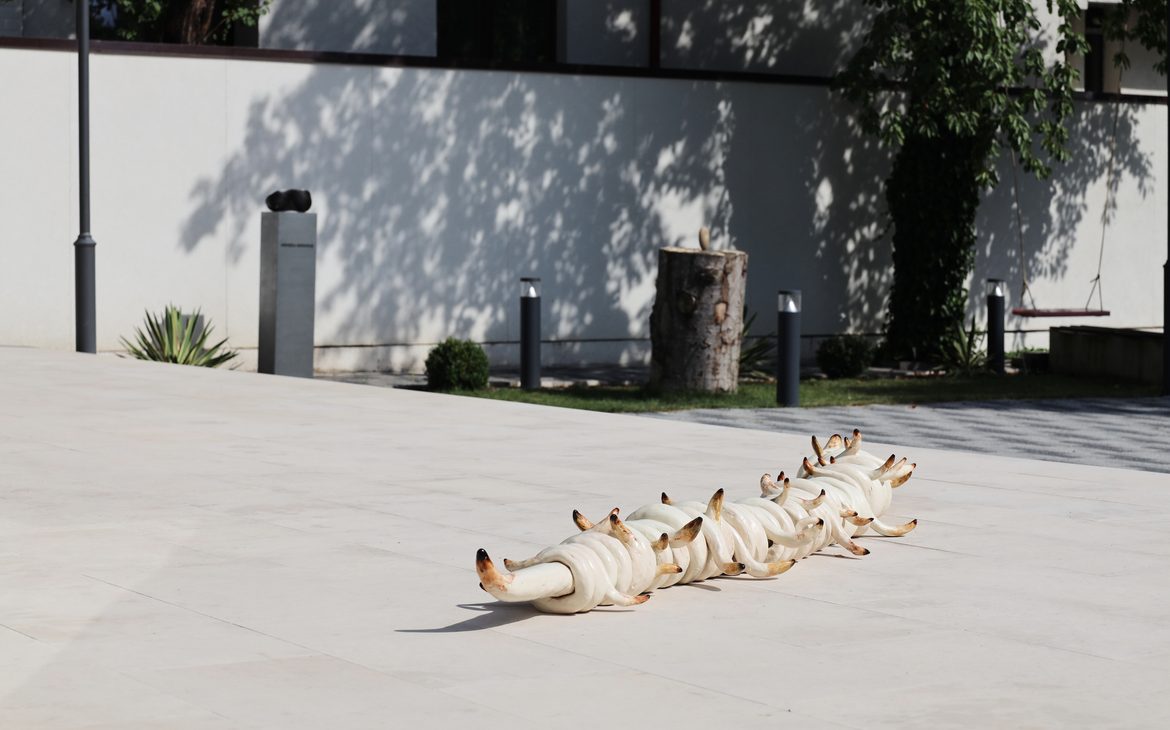
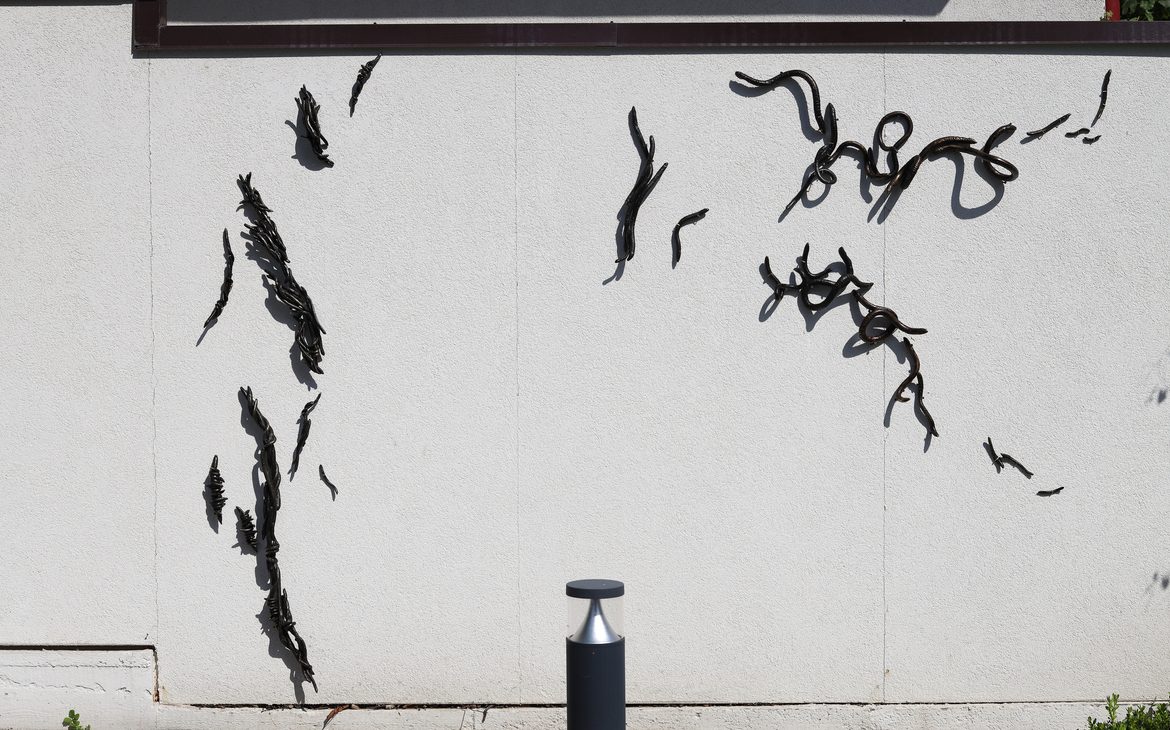
In terms of aesthetics and working methods, my practice is guided by a compulsive, instinctual, and at the same time organic process. I work extensively through accumulation, repetition, patterns, and very specific algorithms, through which I gradually build a particular visual language. I like to work through layering and accumulation, and the forms often emerge from a tension between chaos and control. In a way, the works function for me as spaces where I can externalize certain things that are more difficult to articulate otherwise. The materials and forms I use often retain something raw and archaic.
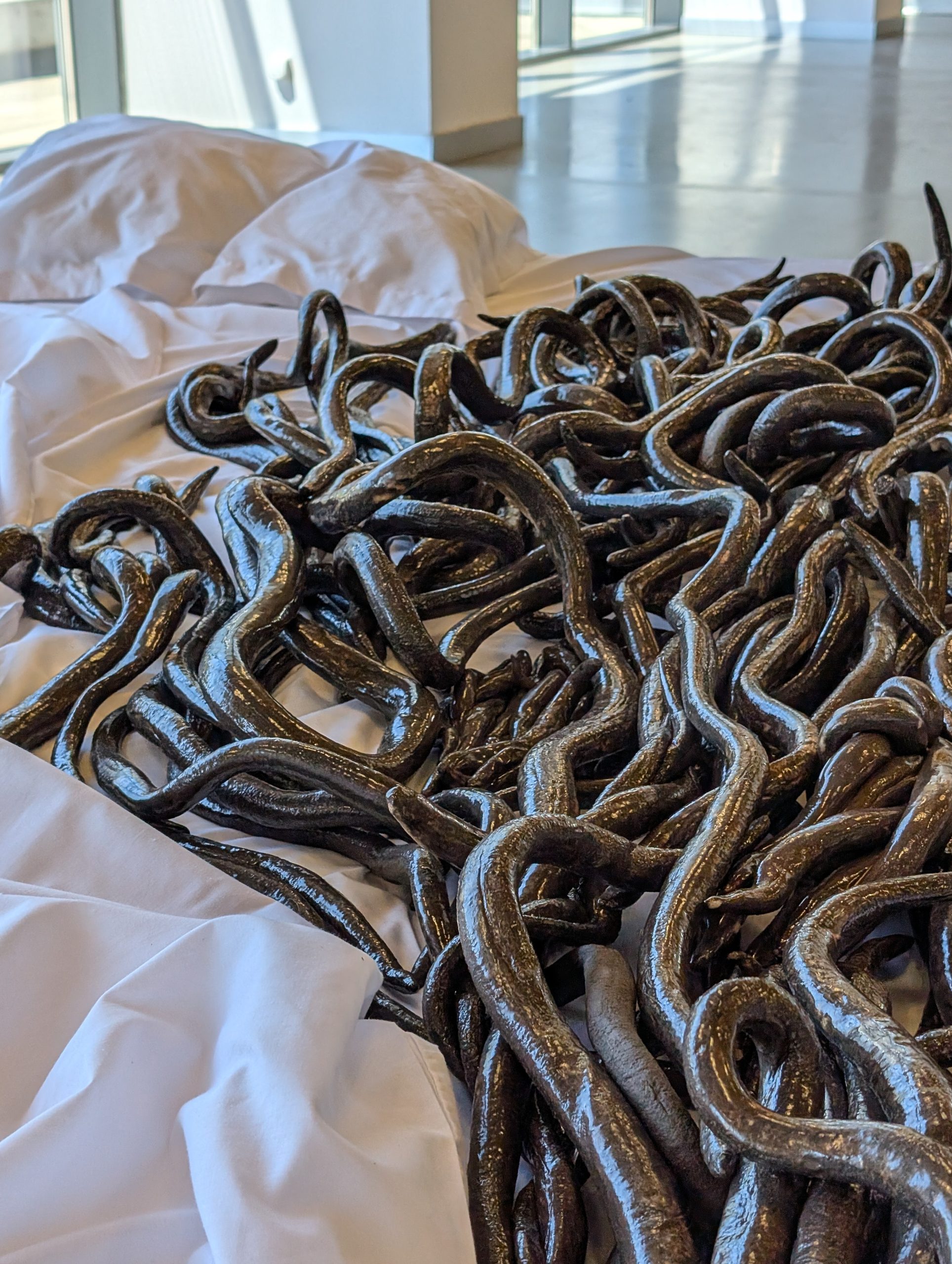

What does clay allow you to express that other materials you have worked with do not? What did you discover in this material that made it such an important element of your practice?
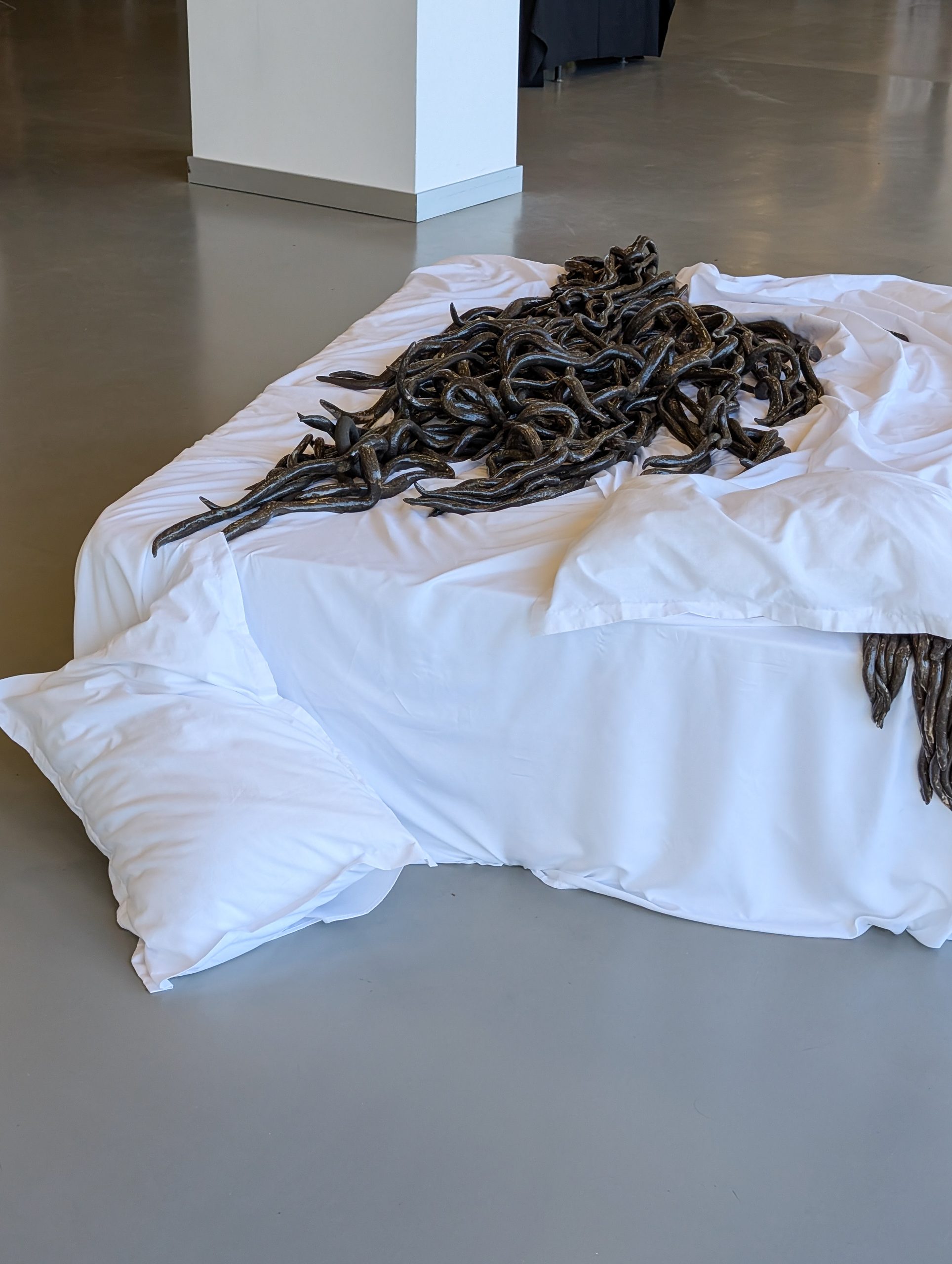
A.B.: Clay is a very special material to me, and I explore it in all the forms it allows me to. I don’t see it simply as a means through which I create something, as a tool or as a transitional stage toward a final form. For me, clay is much more than that: I perceive it as a living organism that breathes and carries its own memory.
Clay is earth, and through this origin, it is directly connected to the idea of life and natural processes. For this reason, I have a great deal of respect for it, and my relationship with it has gradually become part of my practice and even a kind of ritual.
I most often use the building technique known as the “coil technique,” one of the oldest known methods of working with clay. I am particularly interested in its archaic, repetitive, and almost bodily character. In some of my installations, I choose to use raw clay precisely to preserve this idea of the material in a state as close as possible to its original form. I don’t want the clay to be perceived simply as an object or as a stage in the process, but as an integral part of the work itself.

What other materials did you explore before working with clay?
A.B.: I don’t work exclusively with clay. I have consistently explored other materials as well and continue to do so, but clay holds a special place in my practice and has become one of the recurring elements in my work.
More generally, when it comes to my choice of materials and techniques, I would say that I have a certain affinity for materials that I perceive as more raw and natural. I don’t particularly connect with synthetic materials and try to avoid them whenever possible. I most often work with ceramics, stone, metal, glass, plaster, and various organic elements, choosing them according to the conceptual needs and direction of each work.
The creative process also involves a certain loss of control — drying, firing, and the transformations undergone by the material can alter the initial result. How do you relate to this unpredictable aspect of the process?
A.B.: I love this unpredictable part of the process. I see it as an element of risk, but also as a challenge that forces me to adapt and find solutions. I work very instinctively and organically, so I don’t mind when the clay changes my initial result or when mistakes and unexpected outcomes occur. On the contrary, these are often what lead me to new ideas and trigger a kind of “chain of events,” in which an experiment or a reaction from the material can open up an entirely new direction.
I think it is precisely these deviations that can give the work a more personal and intimate dimension, as well as a certain depth. I never aim for an exact reproduction or a completely predetermined result; instead, I like the material to have its own trajectory and to surprise me.


How would you describe your relationship with the artistic community?
A.B.: My relationship with the artistic community is still developing. I come from a different background, and for me, this environment was relatively new, so I still tend to look at it with curiosity and intrigue.
I think, however, that its dynamic nature is very much part of the field, and somehow I feel that there is a mutual exchange: it feeds my needs, and I fit its needs. For me, it is a reciprocal and productive relationship.
I don’t see it as a fixed system, but rather as one that is constantly changing, where new contexts, collaborations, directions, and perspectives emerge. I’m used to change and to situations that require adaptation, and I think this helps me remain open in the way I engage with the artistic community.
How would you define the local art ecosystem?
A.B.: For me, the artistic ecosystem in Romania, and particularly in Cluj, is one of the least structured systems I have encountered. Coming from an environment where things are more clearly defined and predictable, entering the art world also meant entering a much more uncertain territory. Sometimes I see it as a kind of shifting ground: the structures exist, but they are not always stable, and alongside the official rules, there are many unwritten ones that you have to learn to understand as you go.
At the same time, I feel there is quite a significant gap between the energy of the artistic scene and the infrastructure that is meant to support it. Artistic production is much more dynamic than the institutional system surrounding it. Cultural institutions, museums, and organizations still seem, in many cases, too traditional and perhaps not open enough to contemporary forms of artistic production. In Cluj, the fact that we still don’t have a contemporary art museum seems to me a fairly clear example of these gaps.
This is precisely why I think the emergence of independent initiatives and artist-run spaces is so important. In many cases, they emerged out of necessity, but this very need has made them more flexible, experimental, and connected to what is happening in the current art scene. MATCA Artspace seems to me a very good example, and more generally, I find this new wave of artist-run spaces interesting for the way they develop their own programs and create contexts for artists and practices that don’t always find a place within existing institutional structures.
The paradox is that these initiatives, which I find so vibrant, often operate with limited resources and within a certain degree of precarity. I think there should be more support for them, and I would like to see larger institutions pay closer attention to what is happening within these independent spaces and perhaps adopt some of their flexibility and openness.
On a more positive note, I am optimistic about the future. I am very impressed by the new generations of artists and the energy they bring to the scene. I feel that there is a shift happening, even if the infrastructure has not yet changed at the same pace. For me, it is precisely this difference between a system that is still relatively rigid and an increasingly dynamic generation that makes the Romanian art ecosystem so interesting at the moment.
What challenges and prejudices have you encountered so far as a female artist?
A.B.: If I’m being honest, I have encountered prejudice and forms of undermining, both in the field of collectible design and in my artistic practice. Especially in the context of the kind of work I make, I have encountered misogynistic attitudes, sexism, and forms of mansplaining, and I have often felt that I had to constantly prove my competence.
The biggest challenges, however, have of course been technical. Paradoxically, this is precisely the part I enjoy the most. I like projects that force me to learn, find solutions I haven’t used before, and feel that I am pushing myself further. Every time I start a difficult project, I have the feeling that, once I manage to complete it, I will reach a level of satisfaction that I won’t be able to surpass. Then the next project comes along, even more complex and challenging, and I start all over again. In a way, this process has become a constant element in my practice.
I started working in this field around 2018 and, although I have gained experience and developed my practice since then, I still perceive the environment as predominantly male, especially in areas involving production, technical work, and working with heavy materials. I think this reality also influences the way you are perceived as a female artist: there is sometimes a need to demonstrate a level of authority and competence that, in the case of a man, is more readily assumed from the outset. For me, however, these experiences have become more of an exercise in asserting my own autonomy and competence. I no longer see them as limitations, but rather as part of the process through which I have built my practice and continue to test my own limits.


You are currently exhibiting in Craiova as part of the group exhibition “Imagined Dialogues with Brâncuși: Extending the Limits of Artistic Expression”, a project marking the 150th anniversary of the birth of sculptor Constantin Brâncuși. The project included a series of research visits to Craiova and Târgu Jiu, giving us the opportunity to encounter some of Brâncuși’s most important works directly, from the Calea Eroilor Monumental Ensemble to The Kiss, exhibited at the Craiova Art Museum. Was this your first time seeing these works in person, or had you encountered them before? How did you experience this encounter, and what did direct contact with Brâncuși’s work reveal to you beyond what you already knew from images or art history?
A.B.: For me, this experience was first and foremost an opportunity to understand Brâncuși beyond the works I already knew from images and studies. I had never been to this part of the country before and had not had the chance to experience firsthand the places that played an important role in shaping him as both a person and an artist.
What impressed me most was the connection between his work and the context in which it developed. Visiting Craiova and Târgu Jiu, I began to notice elements in the local architecture and in the simplicity of the forms that I also recognize in Brâncuși’s sculptural language. The experience changed my perspective on his work, allowing me to look at it also through the cultural and visual context from which it emerged.
At the same time, I was somewhat disappointed by the way these works and the spaces in which they are situated are presented and promoted, both culturally and from a tourism perspective. I think there is much greater potential to create a context that highlights them and allows visitors to understand their significance more deeply.
Is there an image, form, detail, or sensation from this encounter that has stayed with you since the visit? Do you feel that experiencing Brâncuși’s work in person has influenced, in any way, how you now view your own practice or the works presented in this project?
A.B.: I don’t think there is one particular image or detail that stayed with me, but rather an observation: how much power a very simple form can have when supported by materiality, proportion, and space. I enjoyed seeing how Brâncuși manages to reduce forms without them losing their presence or their ability to convey something. I wouldn’t say that this experience changed my practice or had a direct influence on my work. Rather, encountering his work functioned as a confirmation of an interest I already have in simple, organic forms and in the ability of material to communicate on its own. It was interesting to see, on a more imposing scale, how far this reduction of form can be taken and how powerful it can become.
If you had to distill a single message that your encounter with Brâncuși’s work conveyed to you, what would it be?
A.B.: If I had to take away one message, it would be that simplicity does not necessarily mean a lack of complexity. An apparently simple form, when well supported and when it has a strong relationship with the material and the space, can have an extremely powerful impact and presence.
Tell me, what are your plans for the future?
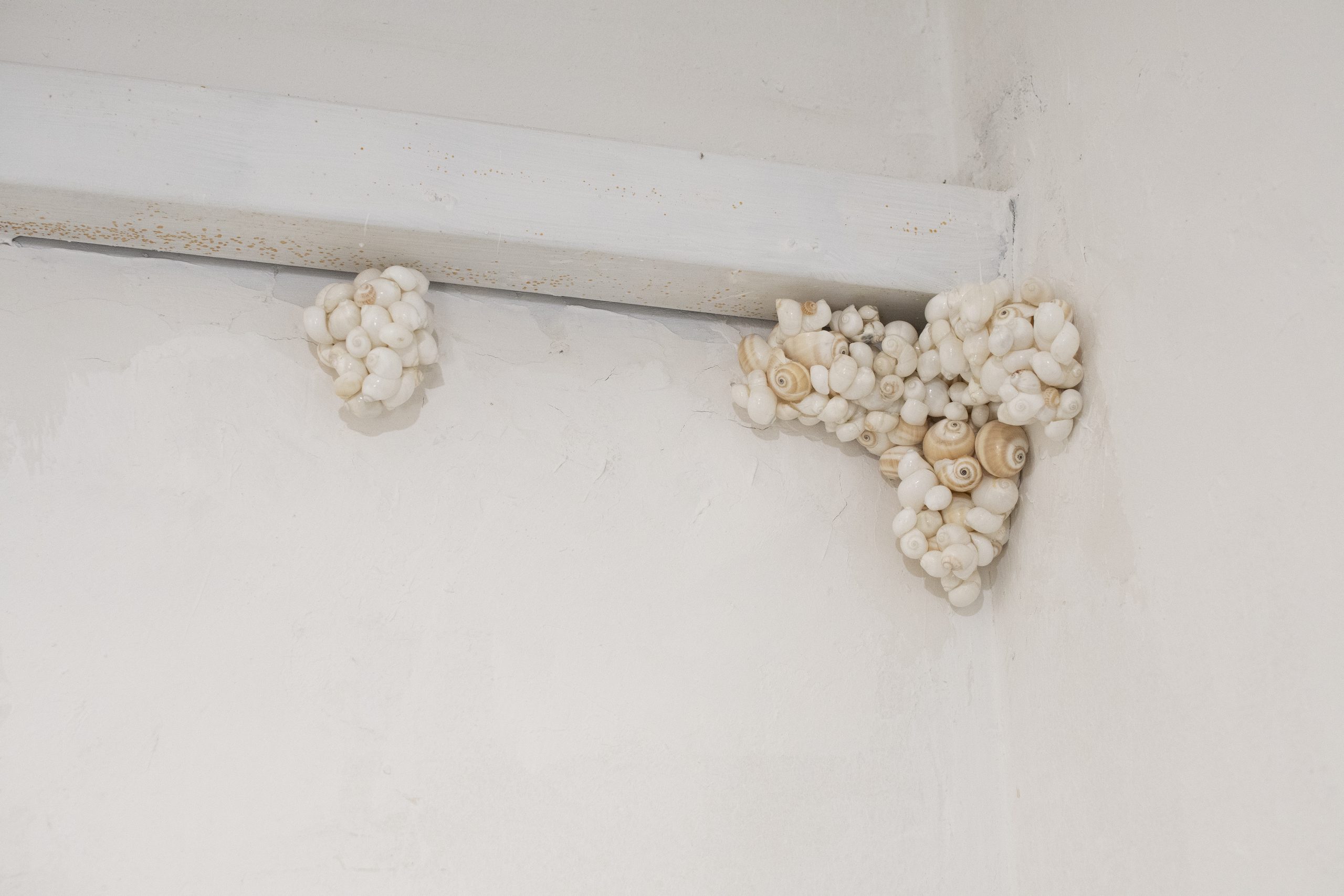
A.B.: In the future, I plan to further develop the installation aspect of my practice and work on a larger scale, exploring large-scale installations that engage directly with architecture. I intend to continue working with raw clay and ceramics, exploring them in a more sculptural direction and moving them away from the predominantly decorative context in which they are often placed.
A future project centered around the idea of “inverted land art” falls within this direction and will take the form of a performance. For some time now, I have become increasingly interested in the relationship between nature and the built environment, and in the way we come to relate to the spaces we construct. I will work with raw clay, an unstable material that is in a constant state of transformation. I am particularly interested in this quality and in the way it can alter our perception of a space that is normally associated with control and stability.
The project also engages with themes that have concerned me for some time, such as anthropocentrism, human domination over the environment, and aggressive urban development. I am particularly interested in the idea of safety that we associate with built spaces, and in the way the same architecture can function both as protection and as a form of constraint. At the same time, I question the reductive perception of the earth as a mere exploitable and tradable resource.
Another project I am working on in parallel is a ceramic sculpture intended to be exhibited in a public space for one year. The project involves a series of challenges, both technically and in terms of transporting, installing, and handling the work. Ceramics is not commonly associated with public sculpture, and precisely this fragility seems important to the concept of the work. For now, I prefer not to reveal too many details about it.