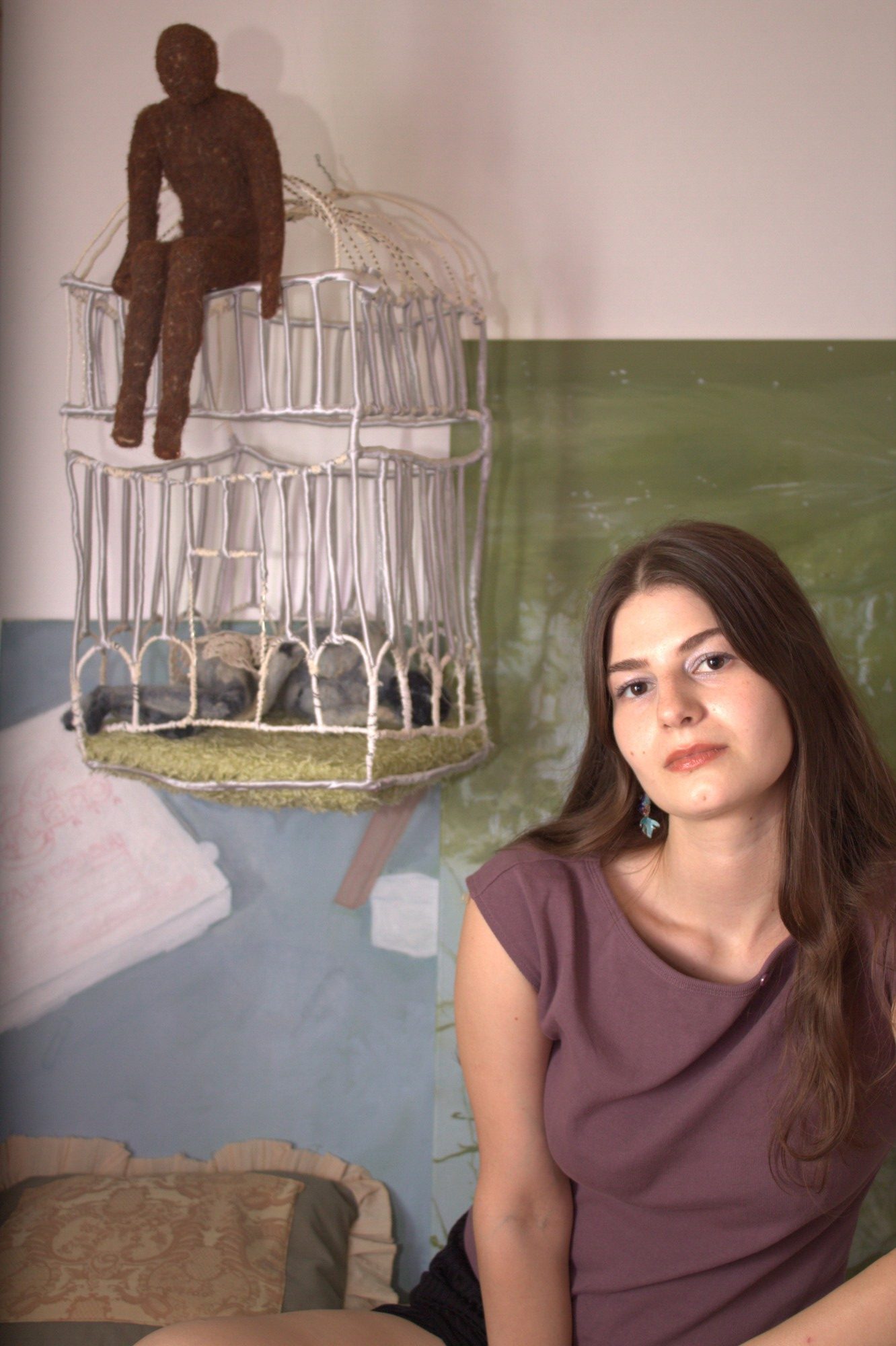
With a background in textile design and sculpture, visual artist Bianca Serenciuc explores socio-ecological themes such as the exploitation of animals and the environment, seeking to emphasize the importance of humanity’s relationship with other species, as well as its connection to nature. She often develops these subjects through a reversal of roles.
Her works have been presented in exhibitions including Diploma Show, “Young Blood” at Art Safari, “Cei noi/Graduate Curated” at the Museum of Recent Art in Bucharest, “Tremendum Grotesque Incursion” at UNA Galeria, and “Other Places” at Leilei Gallery.
You studied textile design and sculpture. How do these two disciplines come together in your artistic practice?
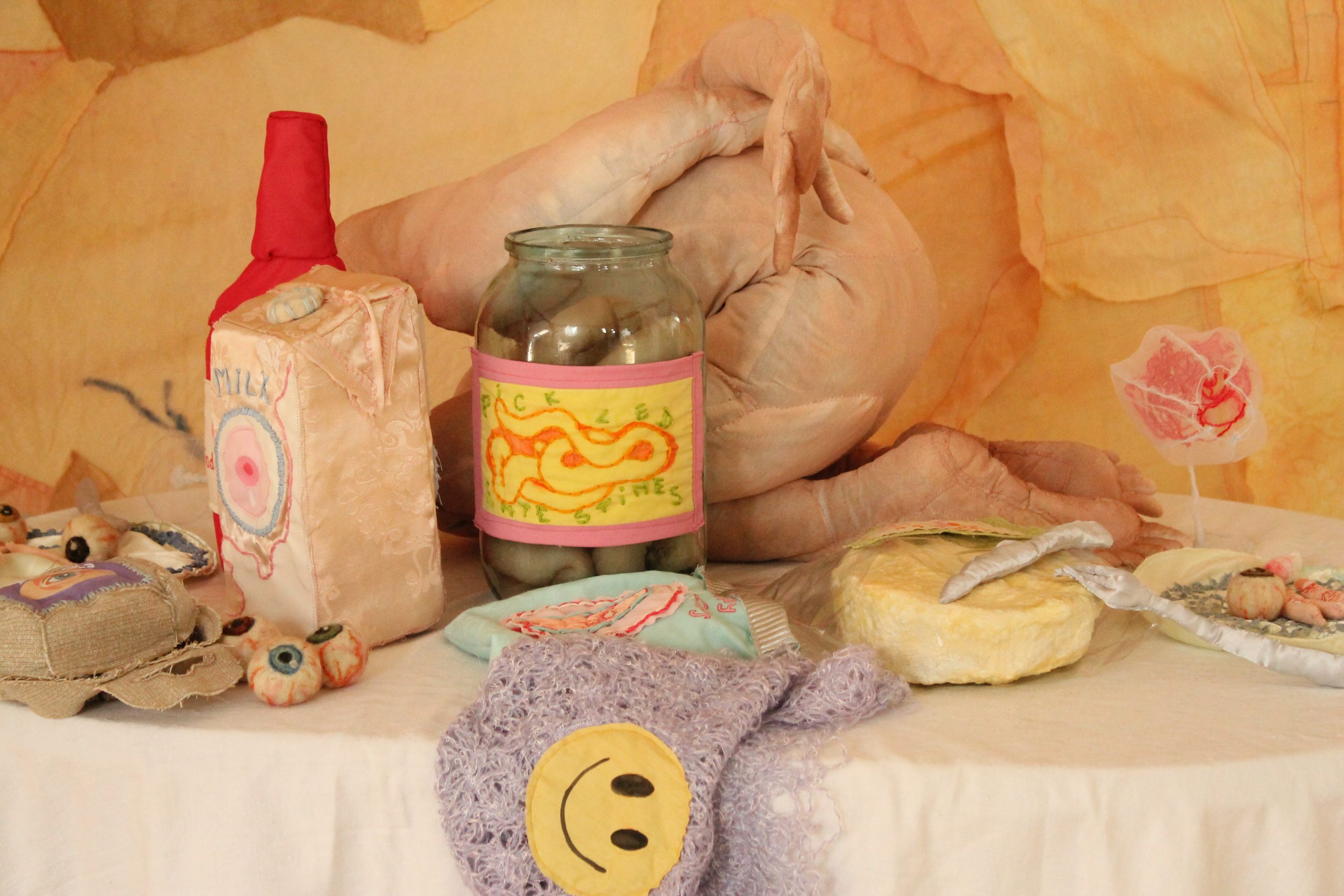
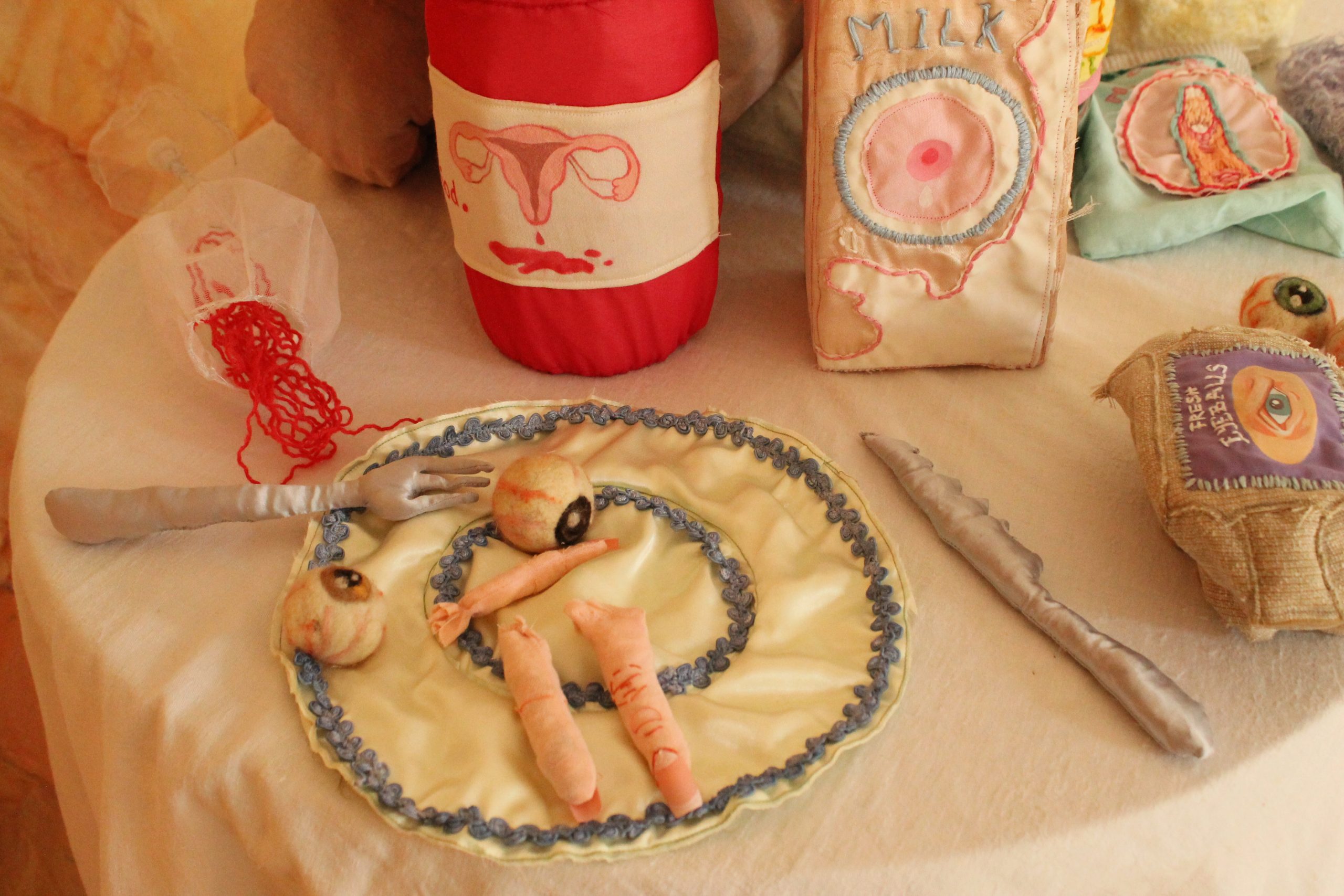
Bianca Serenciuc: I came to study these two disciplines somewhat by chance, but looking back, I don’t think I could have made a more fitting choice. Sculpture satisfies my need to tell stories and create three-dimensional characters and objects, like small universes that viewers can enter not only through their imagination, but also physically, with all their senses. For me, textile functions as a voice: it is how a story acquires tone and sensibility. It is a soft and familiar material, delicate yet extremely expressive.
The relationship between humans, animals, and the environment is a recurring theme in your practice. Where does this concern come from?
B.S.: From an early age, I understood how important it is to protect the environment and all the beings we share it with. My mother taught me to respect nature because it is an essential source of energy and joy, something impossible to replace. On the other hand, I inherited my love of animals from my grandmother, who has an unconditional love for every form of life. From sparrows to the impressive family of cats she cares for, there is no living creature she would ignore. She taught me that every animal deserves our attention and compassion, not because it belongs to us, but because we have the ability to help without expecting anything in return.
I believe their way of seeing the world has profoundly influenced me. Consciously or unconsciously, I have carried these values into my artistic practice. I enjoy exploring other themes as well, but ultimately, I always come back to this. If I were to simplify it, I think it all comes down to this: There is us, the environment we live in, and the other species with whom we share the planet. I believe it is essential to maintain a good relationship with them. Ultimately, we cannot exist if we do not know how to coexist in balance and peace.
You speak about the exploitation of animals and the environment. Do you believe art can bring about real change in the way audiences perceive these issues?
B.S.: I believe that every action produces a reaction, no matter how subtle it may seem. That is why I will always encourage people to express their opinions when they believe they can contribute to a positive change, regardless of the field in which they work. Art does not shout or tell you what to do, and precisely for this reason, I see it as a powerful form of protest.
How does a work begin for you: with an image, a material, a reading, or an experience?
B.S.: My process almost always begins with an experience or a moment of observation. Then comes a feeling, often a strong one, and most of the time it is frustration or sadness. If it persists and continues to occupy my thoughts, I feel the need to transform it into an image. For me, visual representation is a way of understanding and sharing these emotions. I want people to recognize themselves in them and feel that they are not alone. I believe that no feeling belongs entirely to us. Everything we feel has been experienced before and will continue to be experienced, in different forms, by other people.
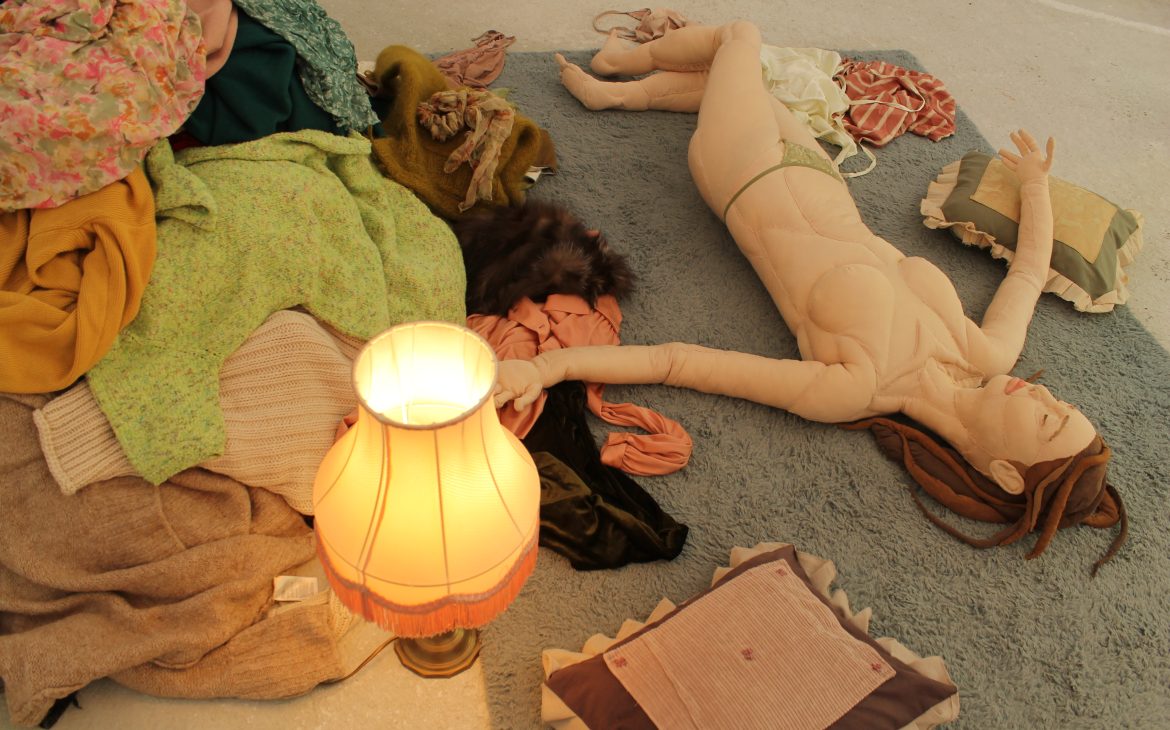
Do the materials you choose carry a message in themselves, or are they simply a means of expression?
B.S.: In the current context, textile carries a strong symbolic weight. It speaks about overconsumption, the accelerated pace of production, and the limits of an industry that generates enormous quantities of waste. In the absence of truly effective recycling systems, many materials end up abandoned or discarded. I have always been drawn to objects that are no longer in use and have been left behind. Many of the materials I use are given to me or found, as an attempt to extend their existence and give them a new story.
Over the past two years, you have participated in numerous important exhibitions, from Art Safari to the Museum of Recent Art. How has your presence at these events influenced your artistic development?
B.S.: Clearly, these exhibitions have given me the courage to move forward and the confidence that the direction I have chosen is worth pursuing. They have motivated me to be more ambitious, experiment more, and further develop my artistic practice. I am deeply grateful for these opportunities because they confirmed to me that my work can reach people and generate dialogue.
Beyond visibility, the most important thing they have given me is a sense of belonging to a community. I believe this was the real turning point for me: I realized that these experiences gave me the opportunity to meet other artists, curators, and people passionate about art, and that, gradually, I was beginning to become part of this world. For me, this feeling is priceless.
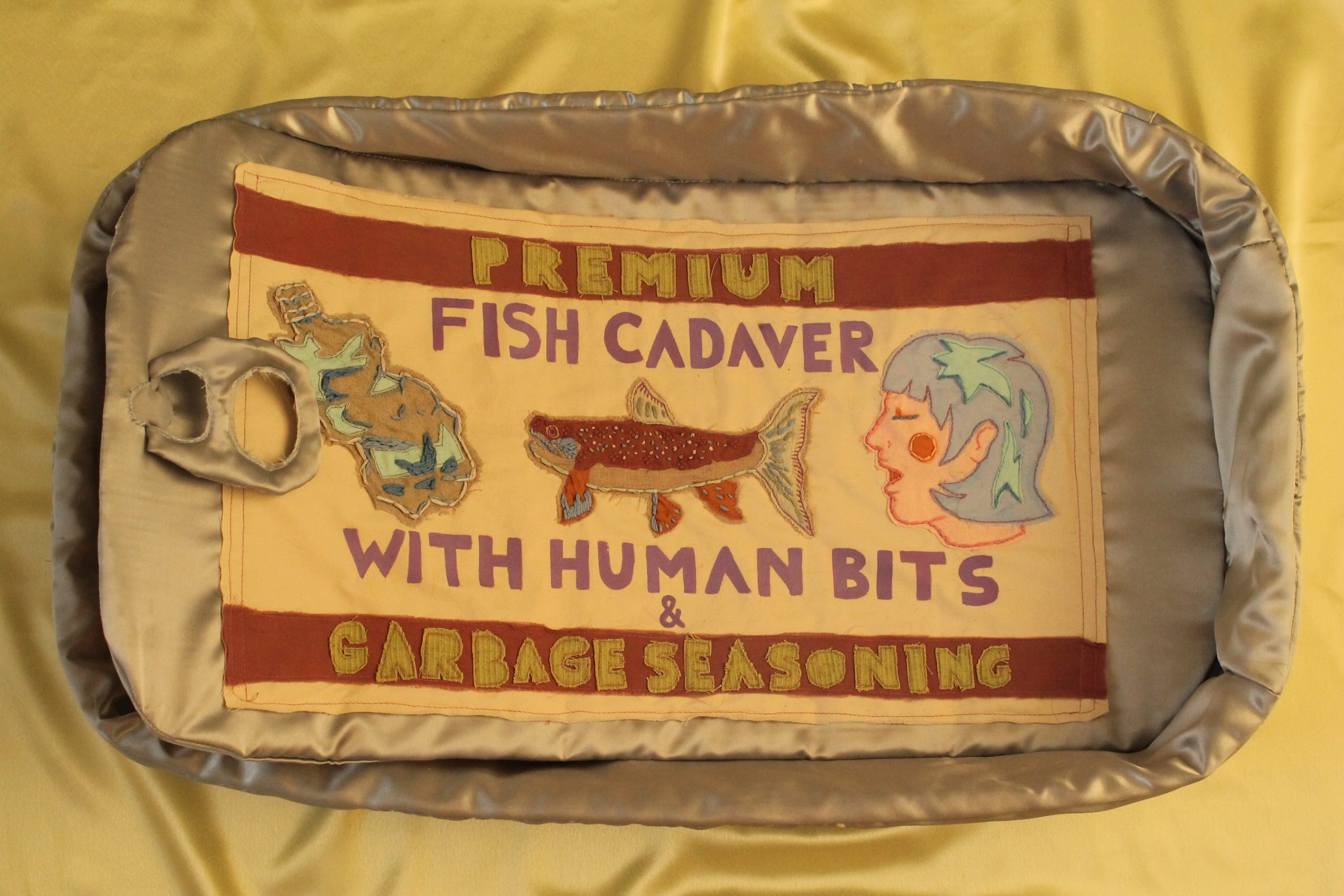
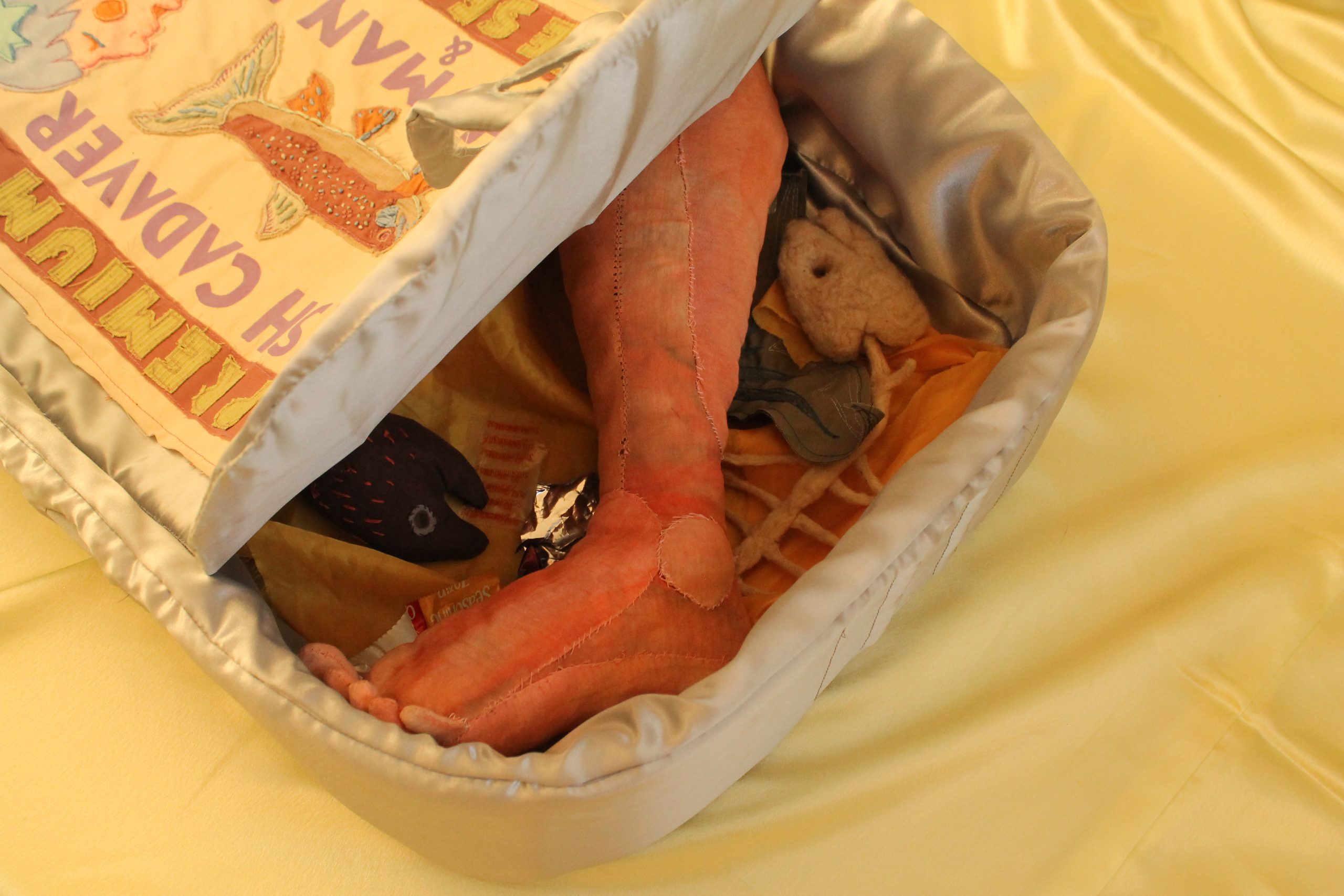
How does your relationship with your own work change once it is exhibited in an exhibition space?
B.S.: Once a work is exhibited, I feel that it no longer belongs entirely to me. It begins to exist through the gaze of others as well, and everyone is free to give it their own meaning. I enjoy listening to the audience’s interpretations and am often surprised by the connections people discover. Sometimes entirely new perspectives emerge that I would never have considered during the creative process, and these interpretations, in turn, become part of the work’s story. I think this is one of the most beautiful things art can do: transcend the artist’s intention and create an open space for personal experiences.
What are you working on at the moment, and in what direction do you feel your artistic practice is evolving?
B.S.: At the moment, I am working on several pieces simultaneously, and my goal is to complete some of them in the near future. At the same time, I am participating with a painting for the first time in the exhibition Black Diamonds – Emerging Me II, taking place at Scemtovici & Benowitz Gallery, where the work can be seen until August 22.
As for the direction of my artistic practice, I try not to impose very strict limits on myself. I like to leave room for curiosity and allow myself to be surprised by the experiences and themes that emerge along the way. Although my concerns remain fairly consistent, I want each project to find its own form and its own language. I believe my practice evolves precisely through this openness to experimentation and through the desire to discover new ways of telling stories.