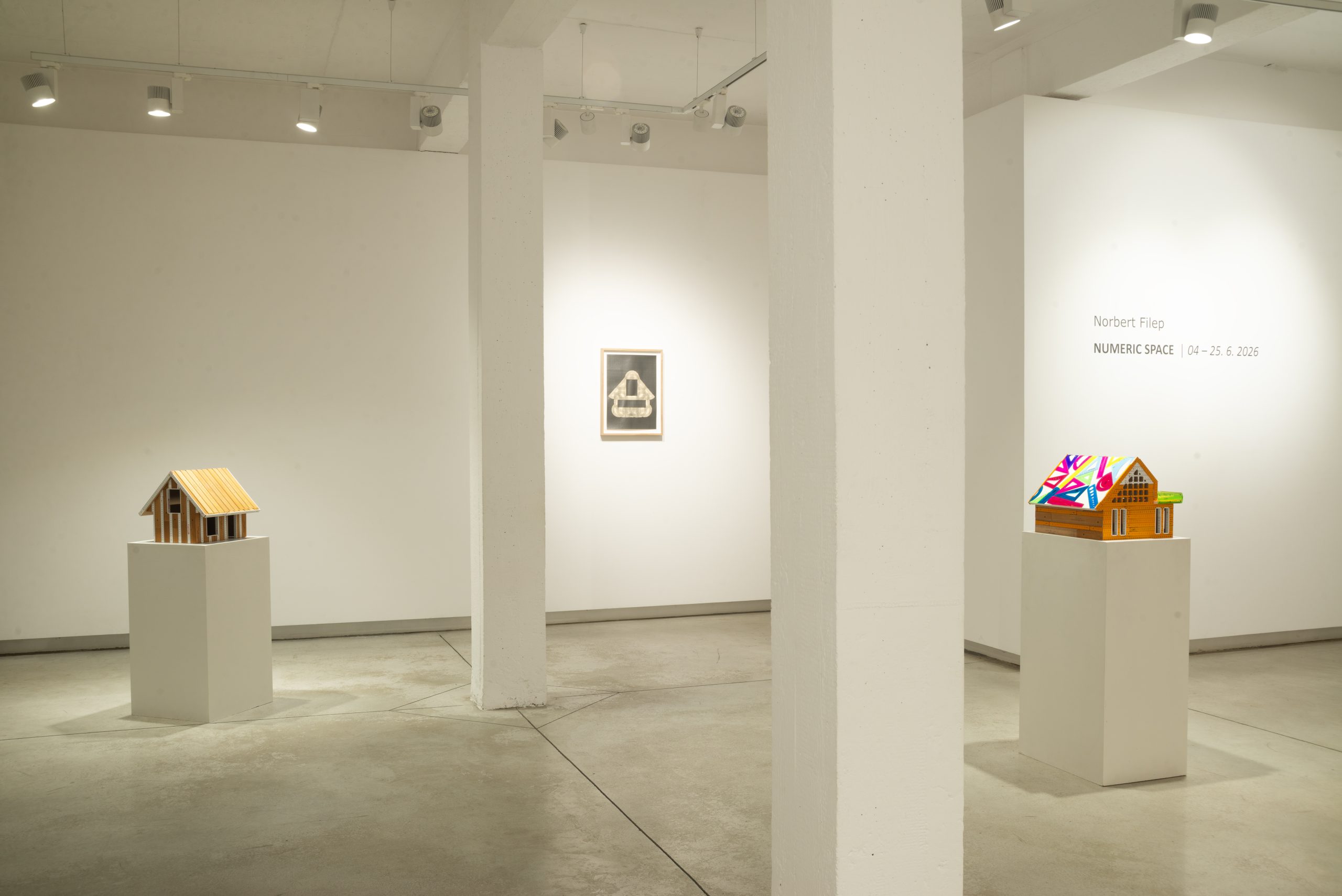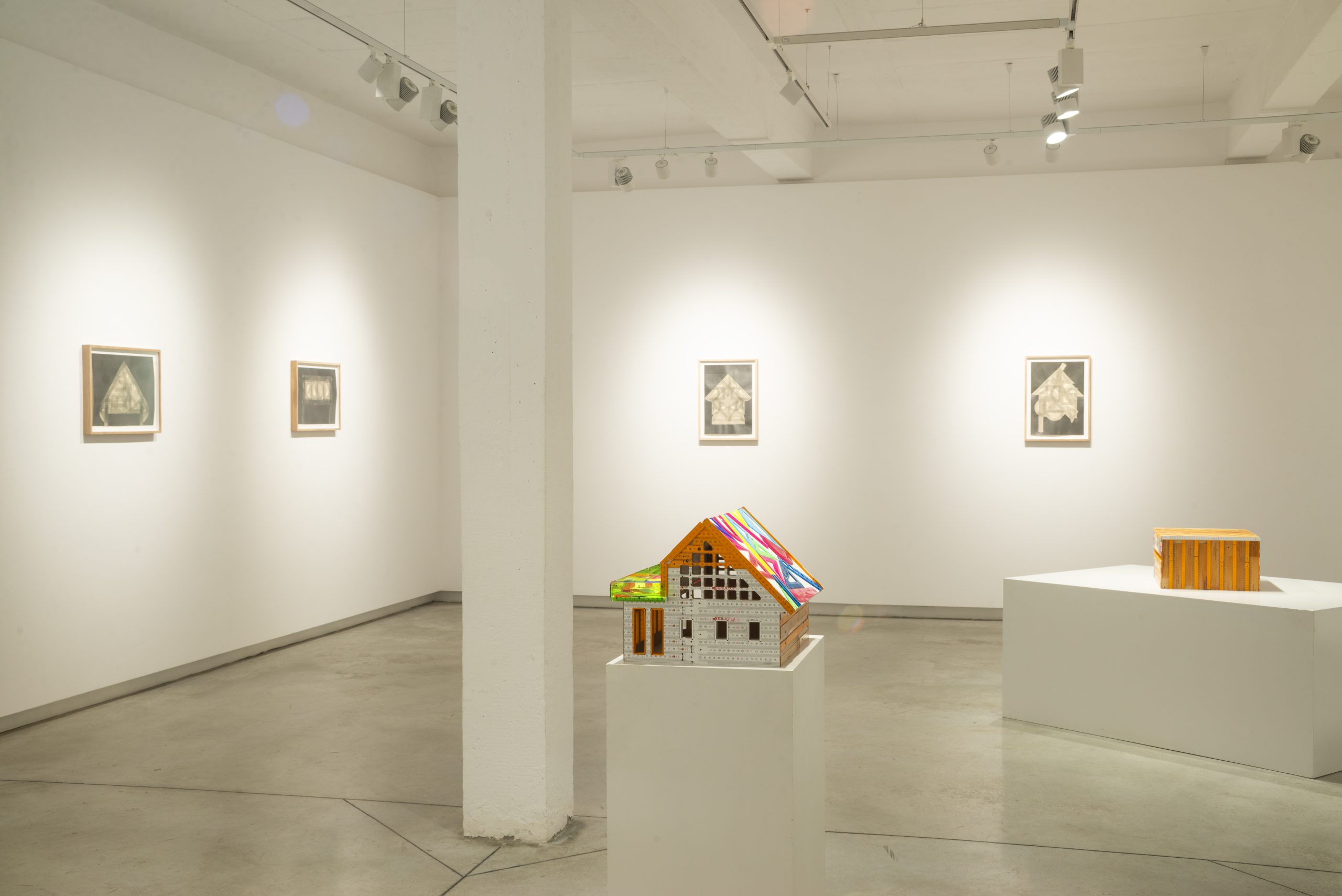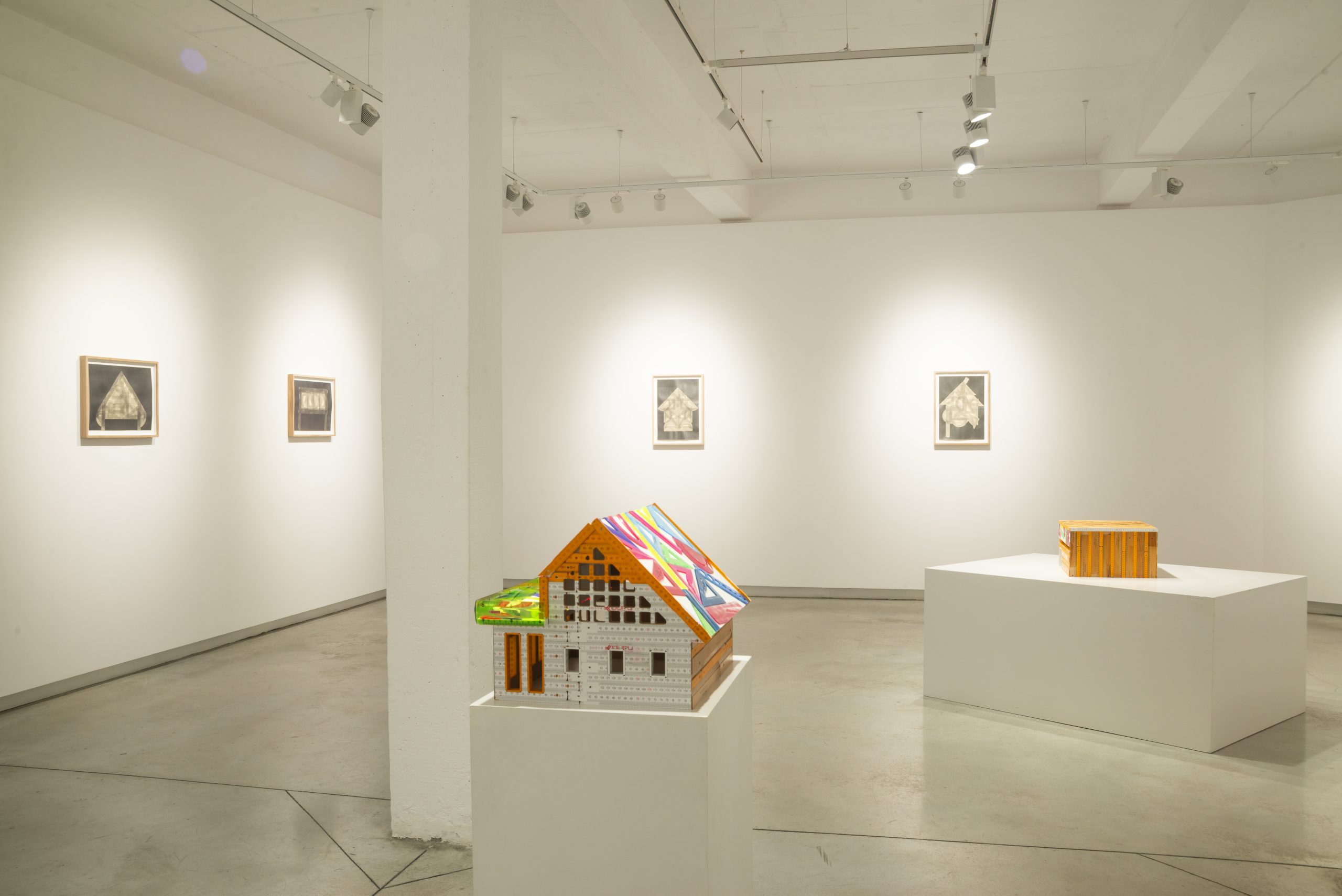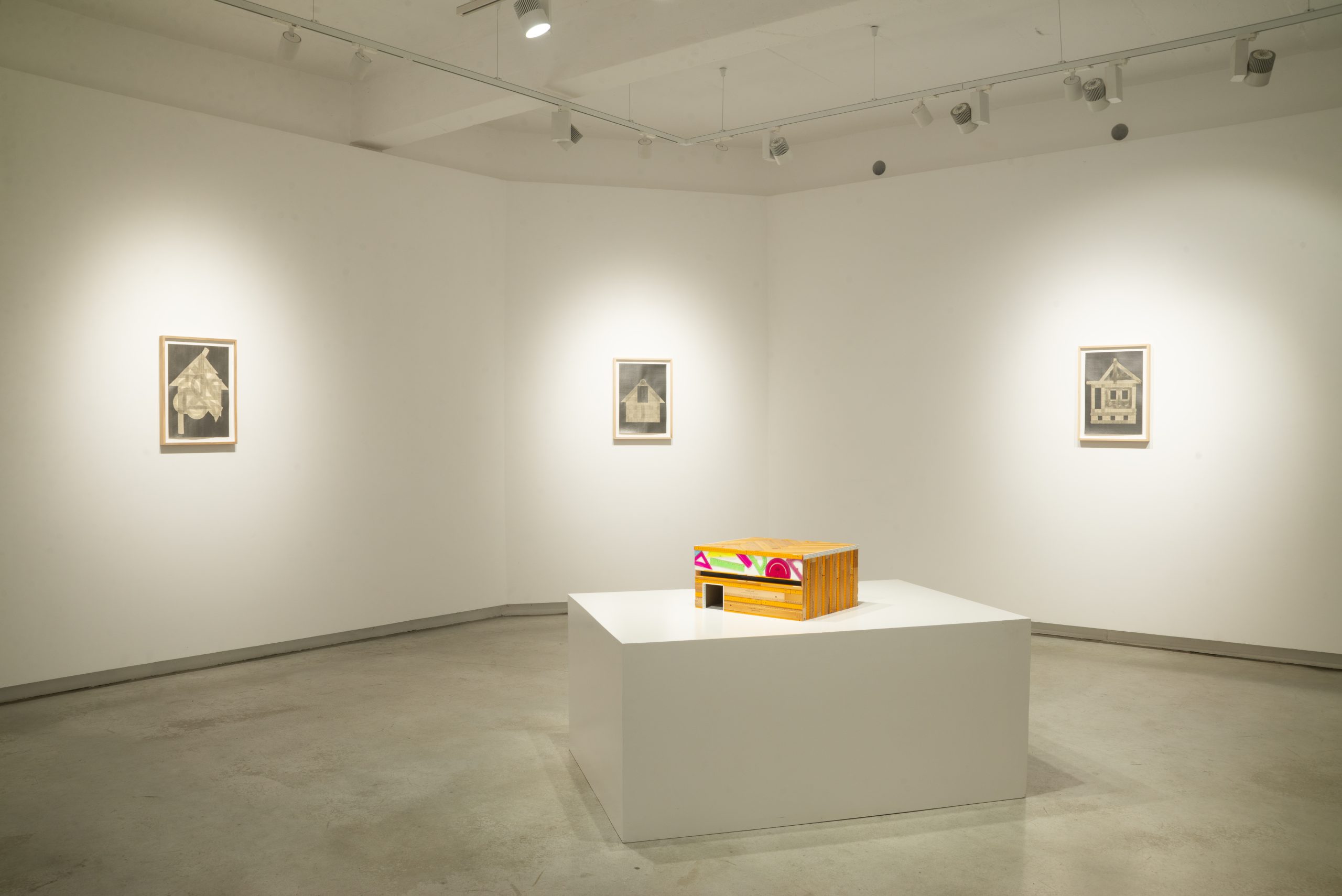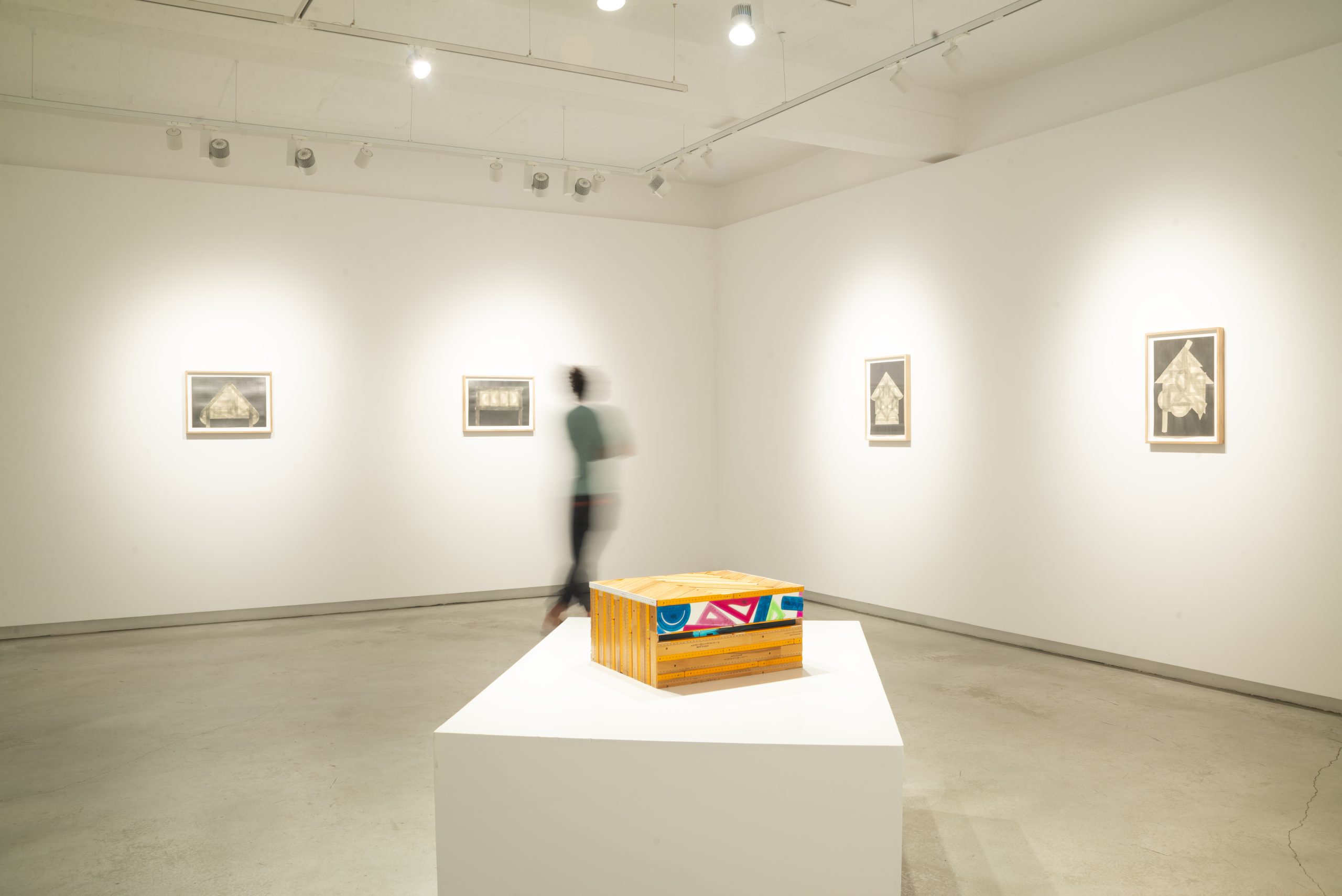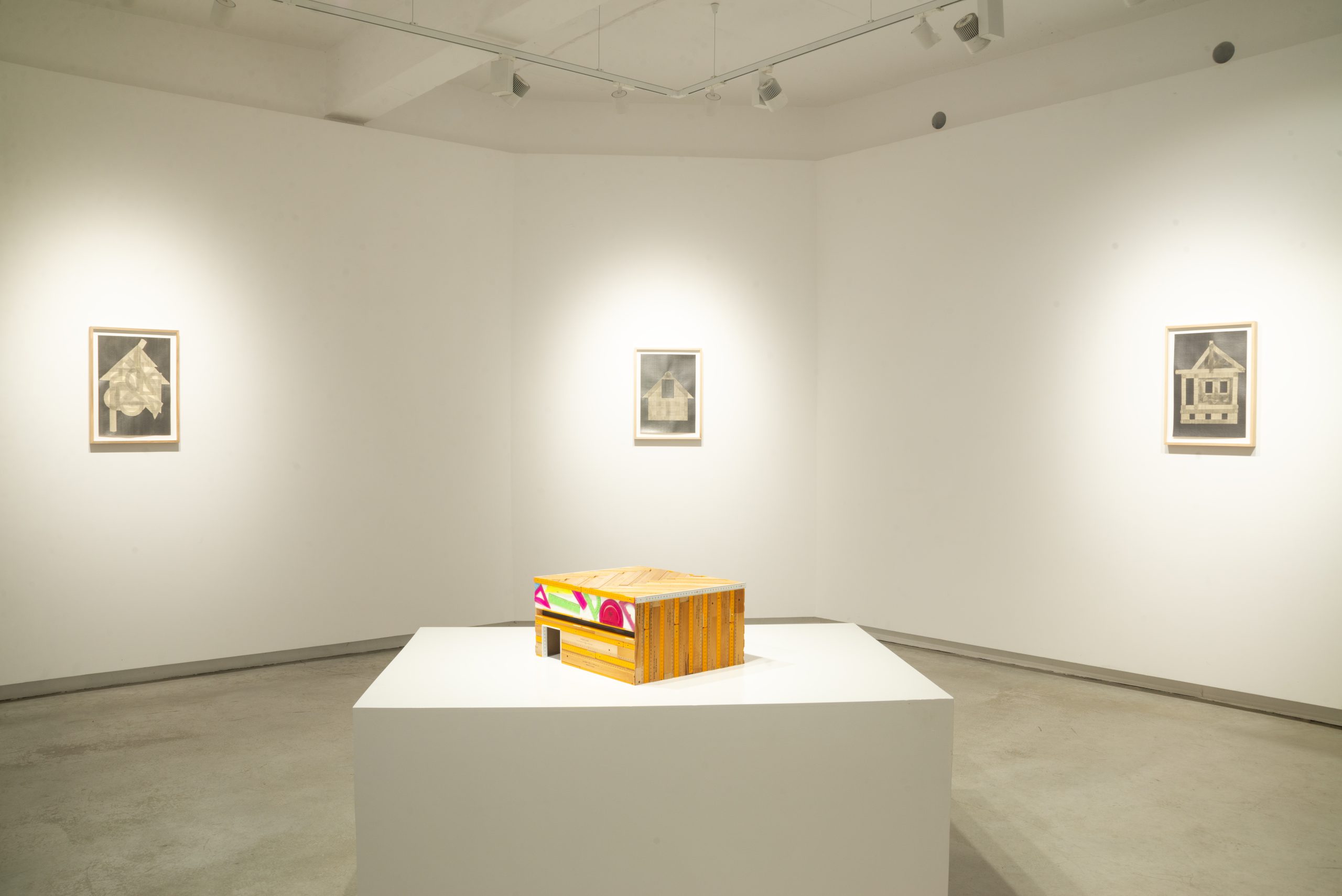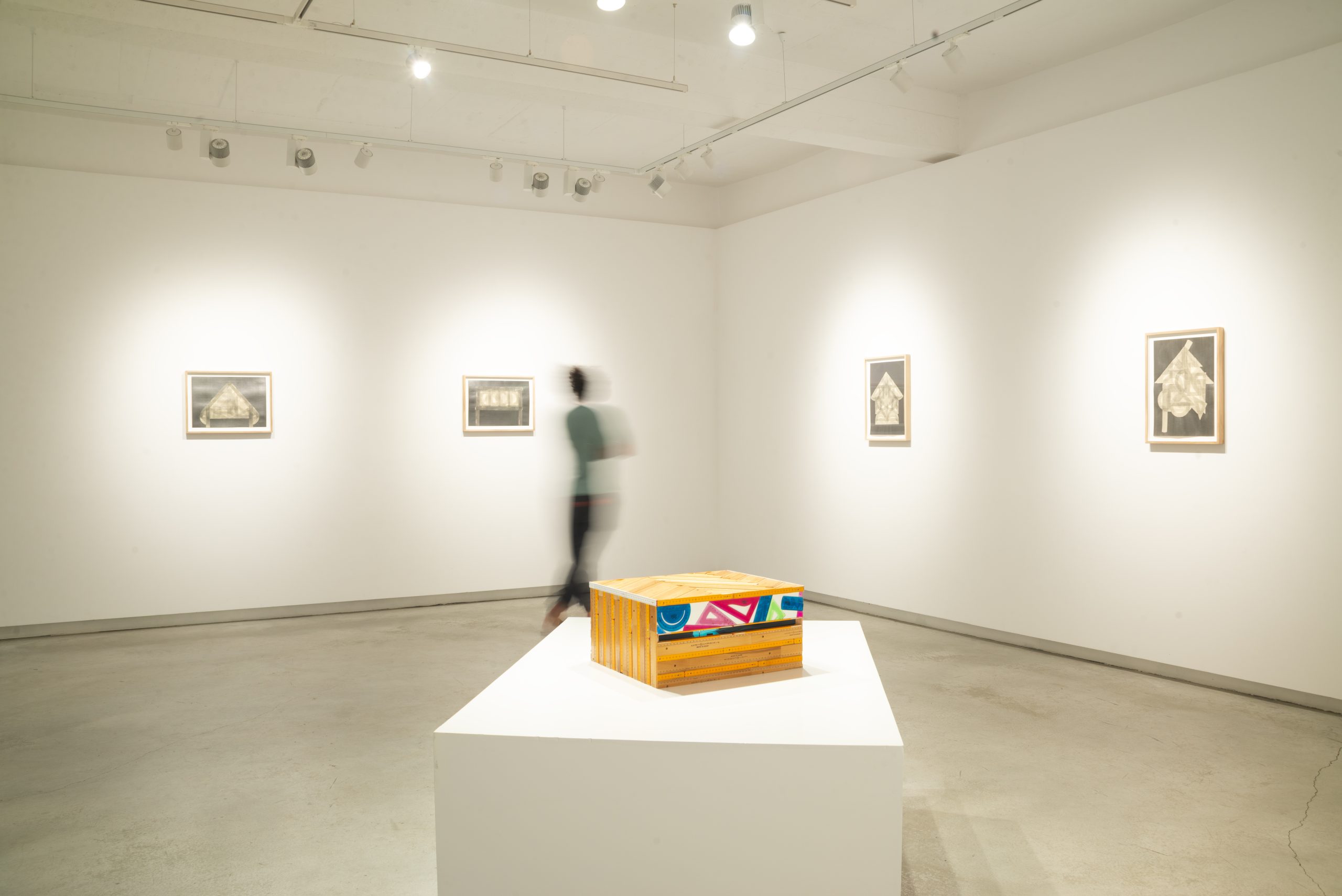
The most recent solo show by artist Norbert Filep, titled “Numeric Space”, was built starting from his recent artistic direction: pencil drawing structured through methodologies borrowed from architectural and technical drawing, extended into objects and scale models.
The interview accompanying the exhibition, hosted at Galeria Relicvar between June 4–25, 2026, clearly establishes the starting point: an interest in how technical drawing transforms precise lines into constructed space. Filep emphasizes the role of working tools — stencils, rulers, measuring devices — as central elements of his research. These are not merely means of producing drawings, but objects that structure thinking and generate specific, recognizable traces of a rigid system for constructing images.
A key focus of the exhibition is the revaluation of these tools within the context of digitalization, which gradually removes them from use. In the artist’s practice, they become carriers of a conceptual dimension, and their repetitive use produces a type of drawing in which formal precision coexists with a constant, almost ghostly visual “trace” of the stencil.
This logic of repetition extends directly into the transition toward three-dimensionality. The scale models in “Numeric Space” function both as a continuation of drawing and as architectural projects in their own right. They are described by the artist as an ongoing personal “construction site,” where domestic space and studio space overlap. Some of them are close to potential real constructions, while others remain ideal variations, unconstrained by financial or technical limitations, related to the rehabilitation of a rural property.
The exhibition also includes two series of drawings. The first continues the architectural direction, while the second introduces figuration with a photographic quality. Their relationship is clearly defined in the interview: figuration is covered through a network of repeated lines that slows perception and turns the image into a gradual process of recognition. The figurative is not abandoned, but filtered to the point where it becomes abstract through overlay and repetition.
The exhibition project “Numeric Space” remains faithful to a single direction: the repetitive use of measuring and drawing instruments as the basis for constructing a visual and conceptual space. The shift from two-dimensional to three-dimensional does not break this logic, but extends it into scale models and construction projects, maintaining repetition and measurement as central principles of the practice.