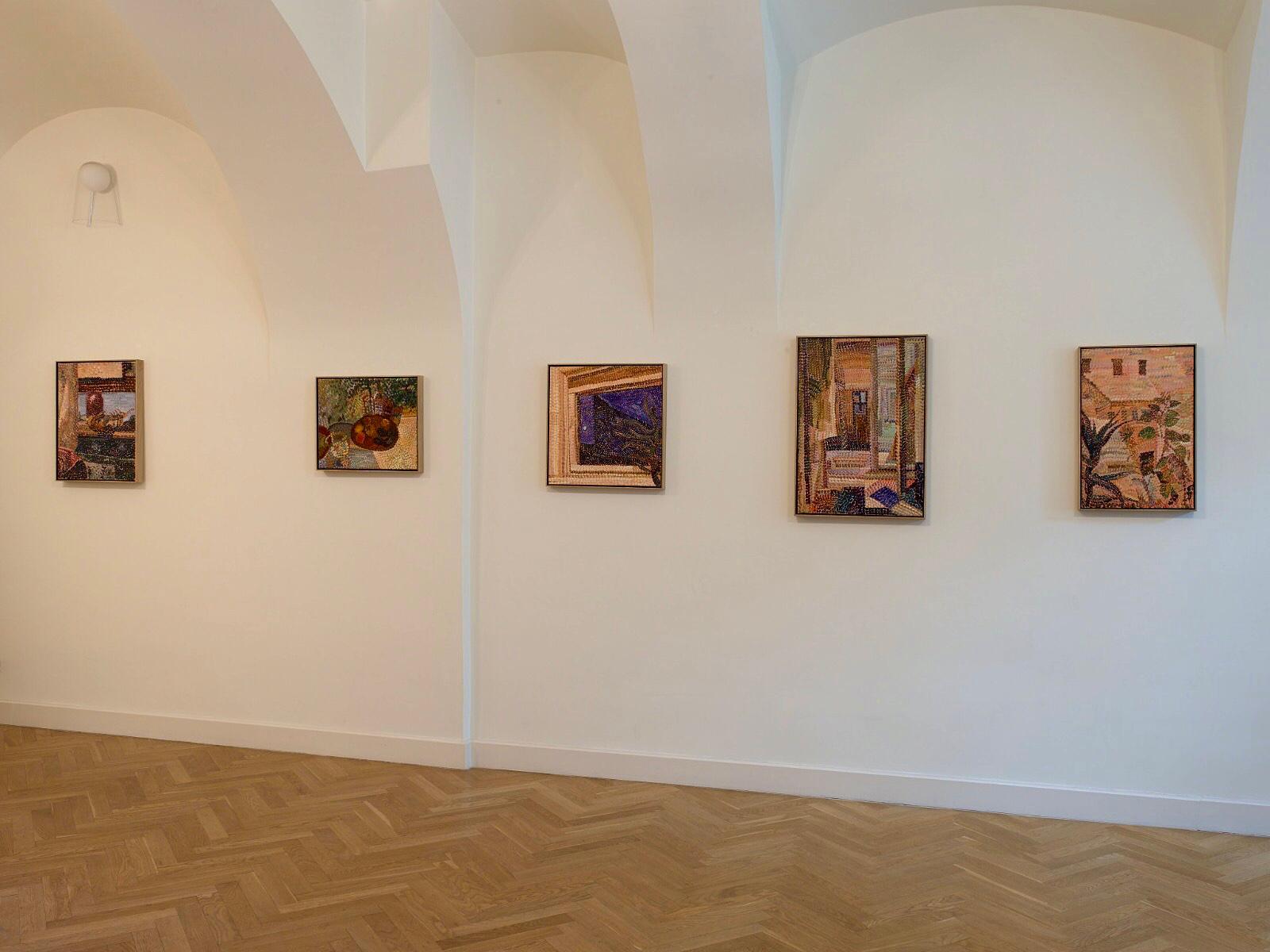
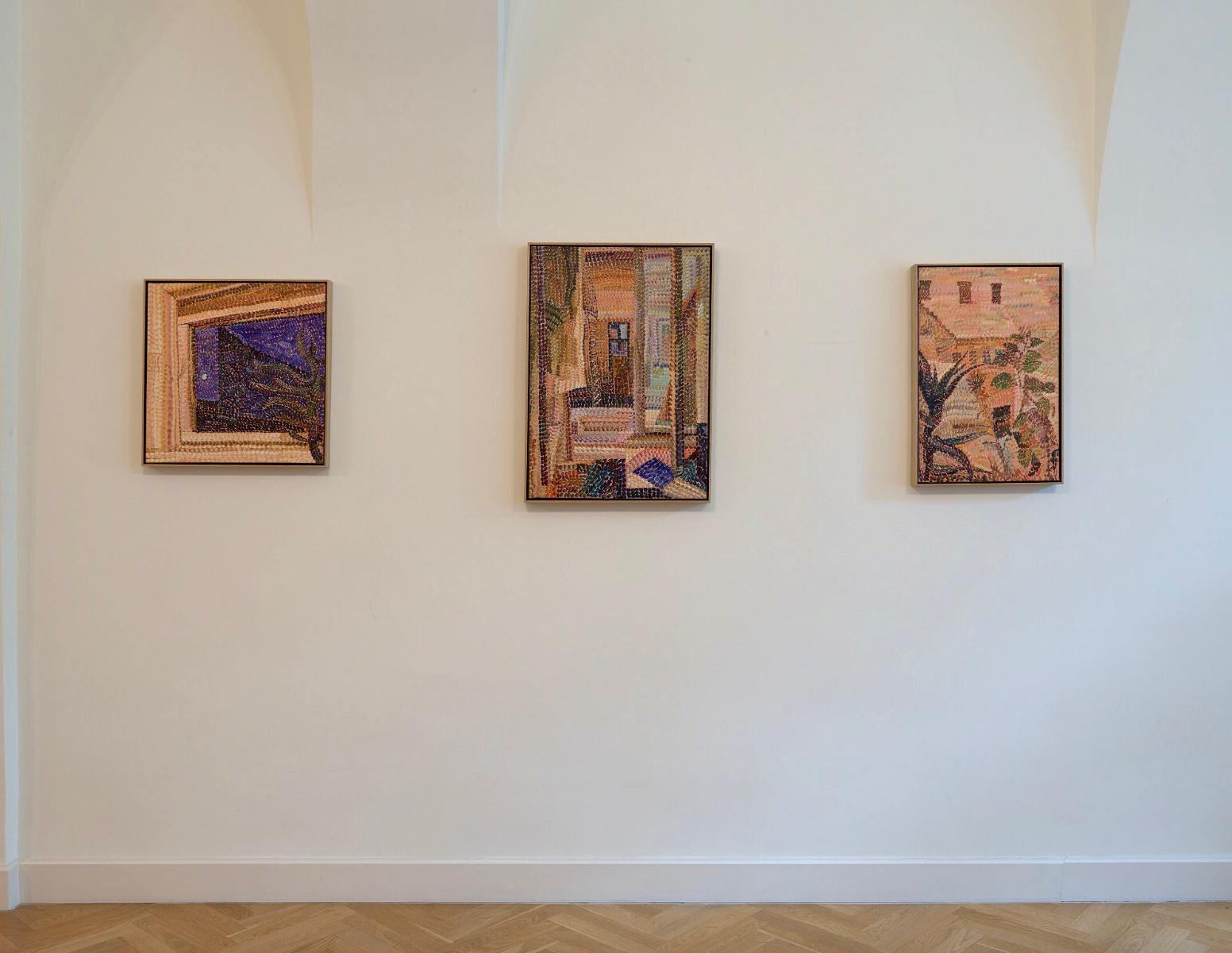
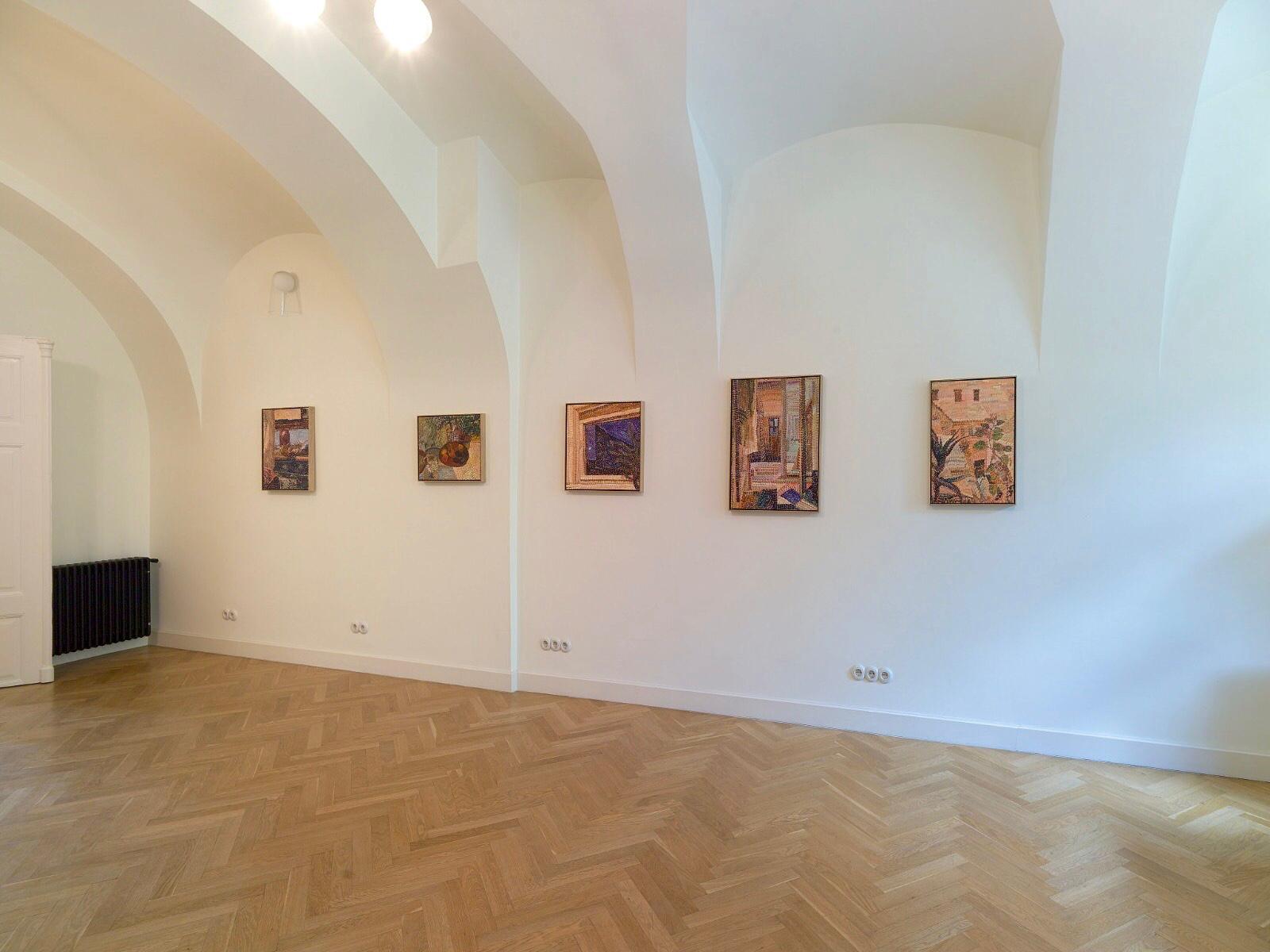
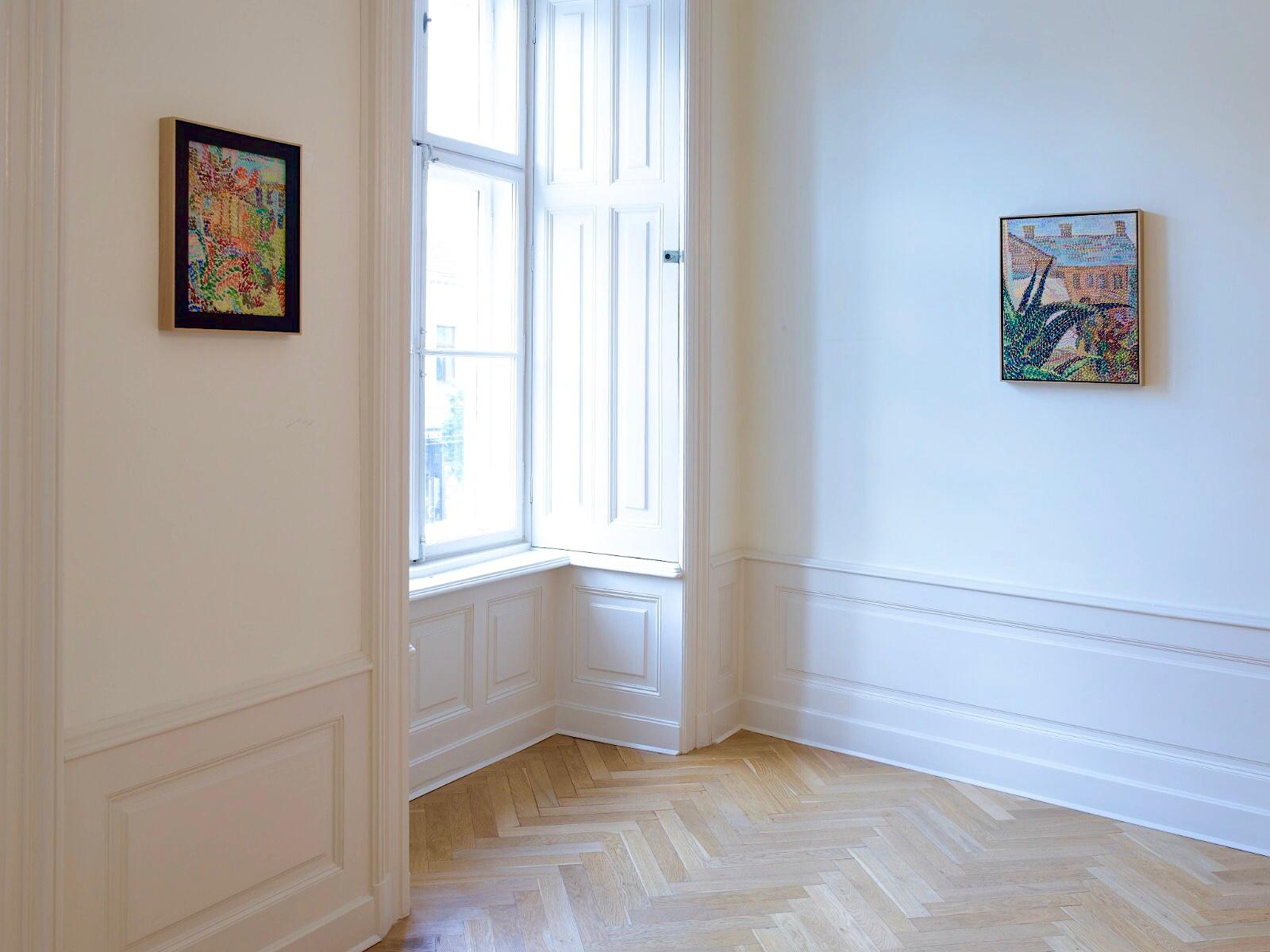
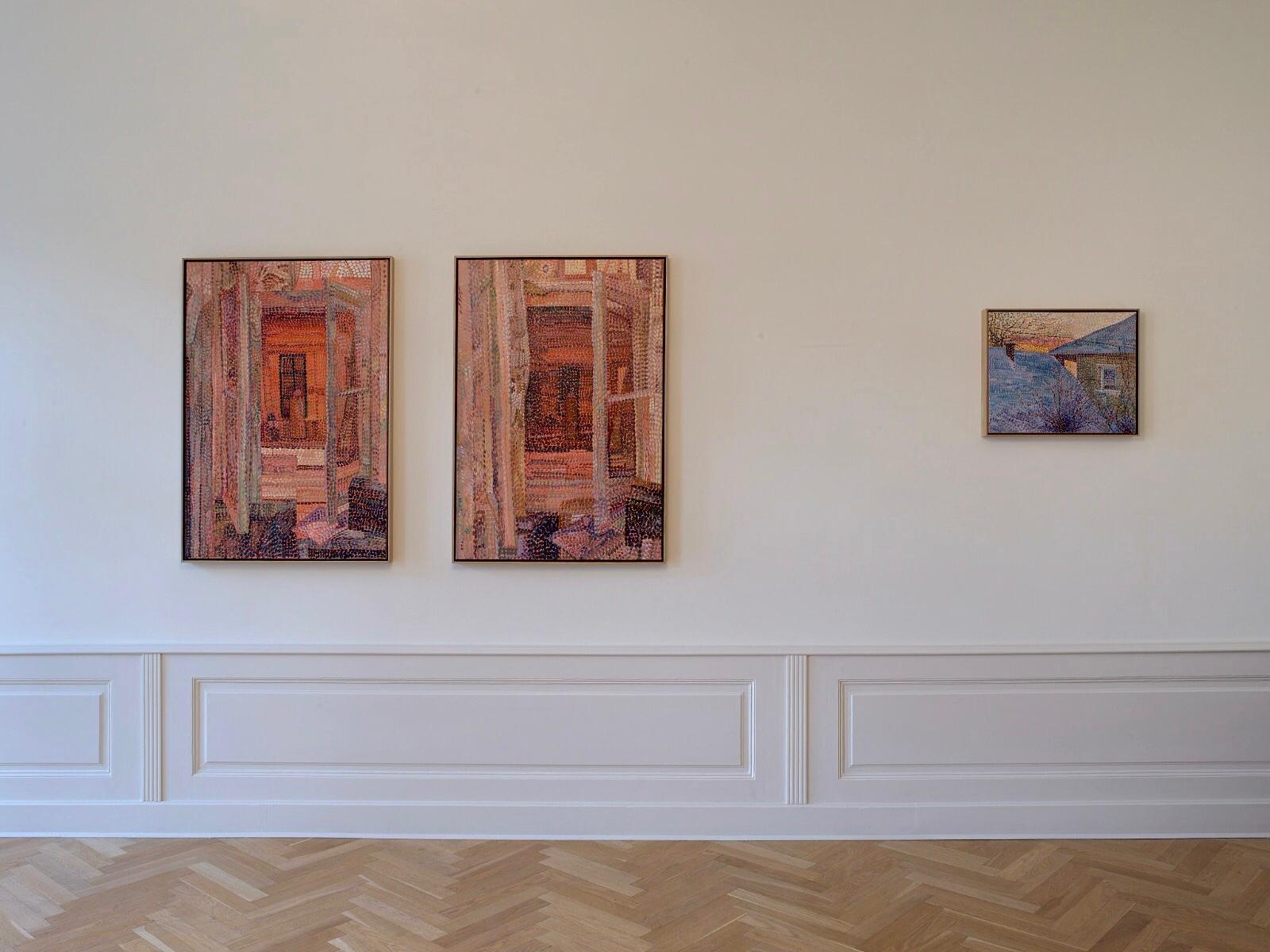
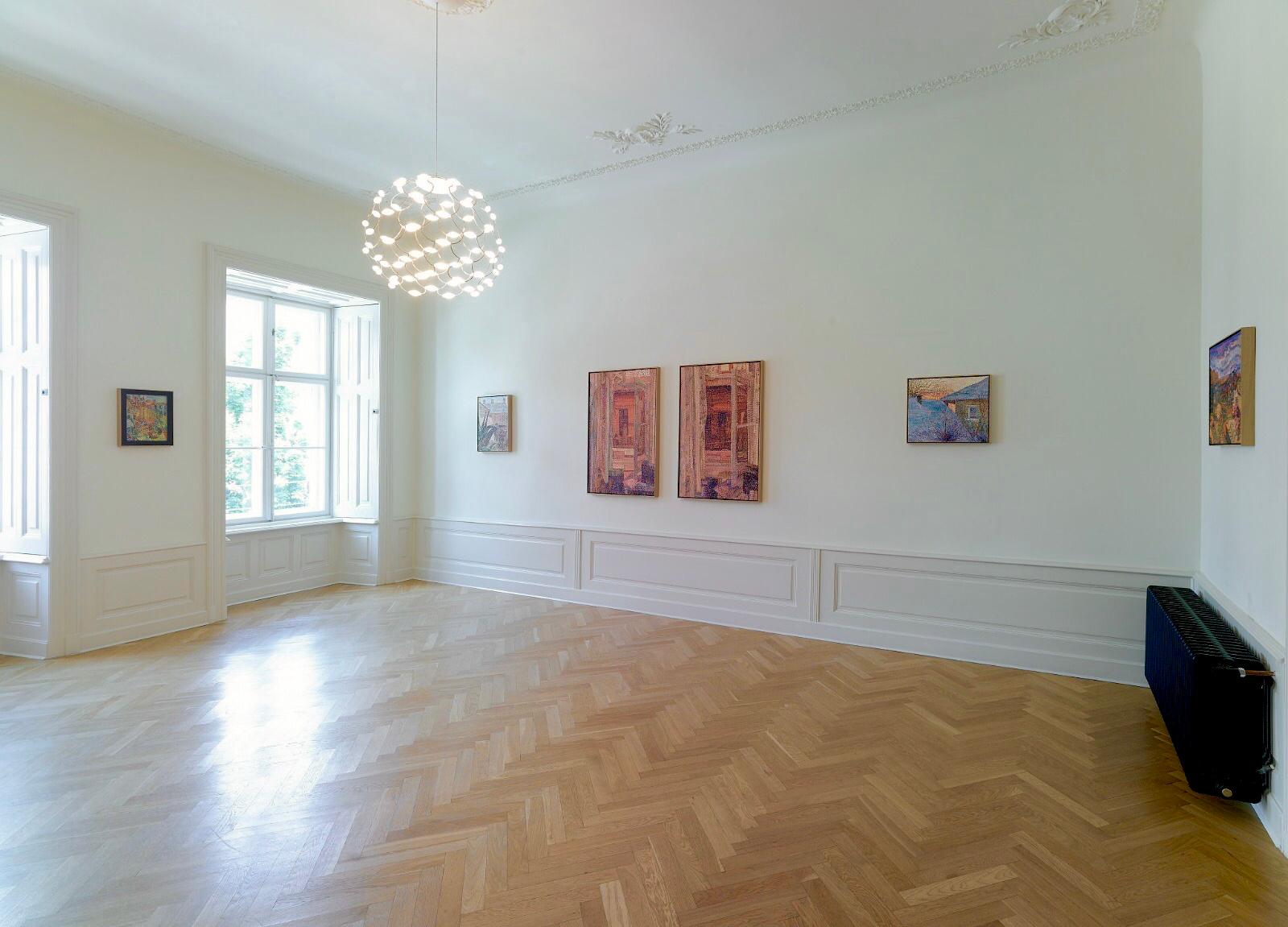
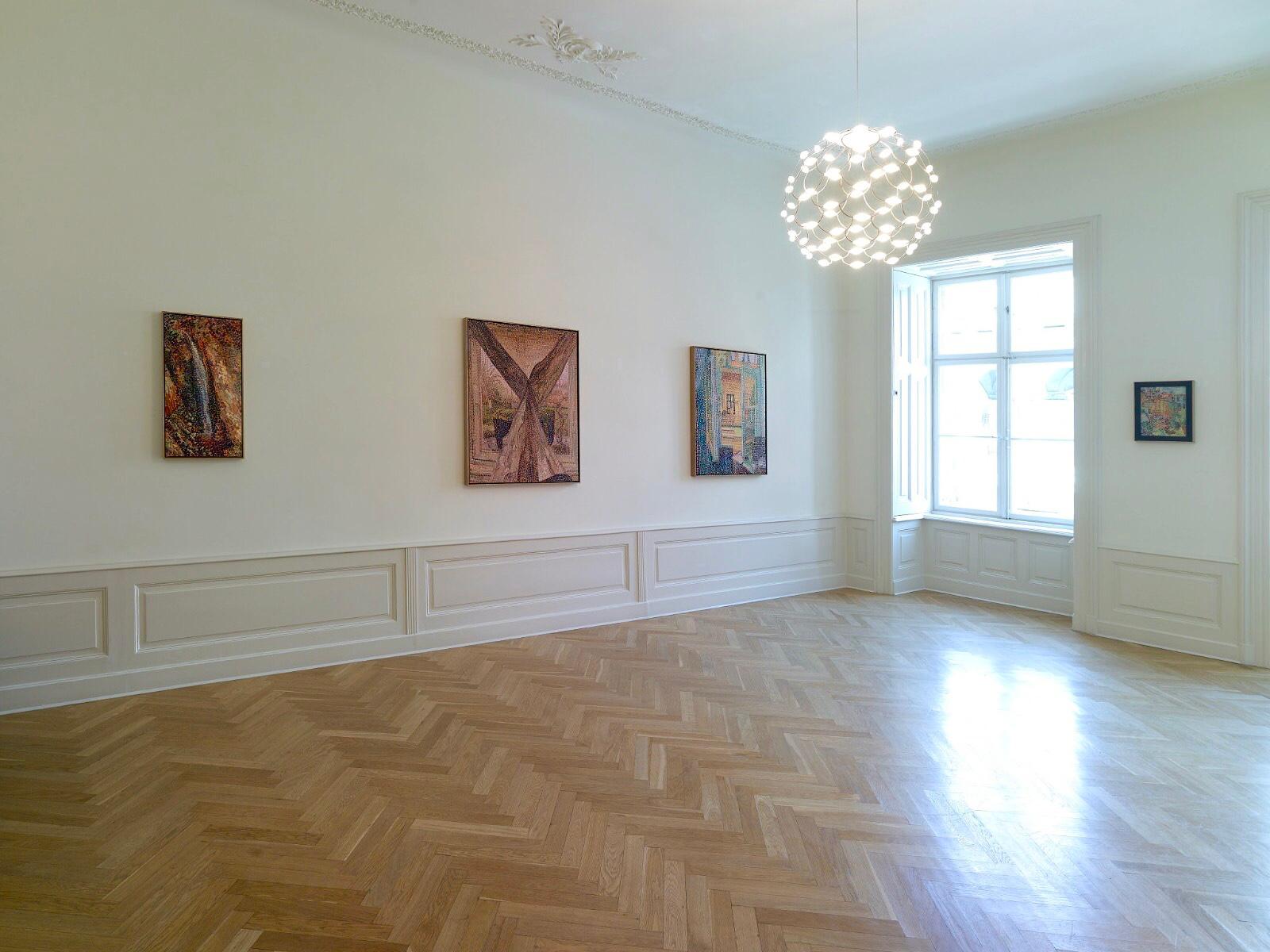
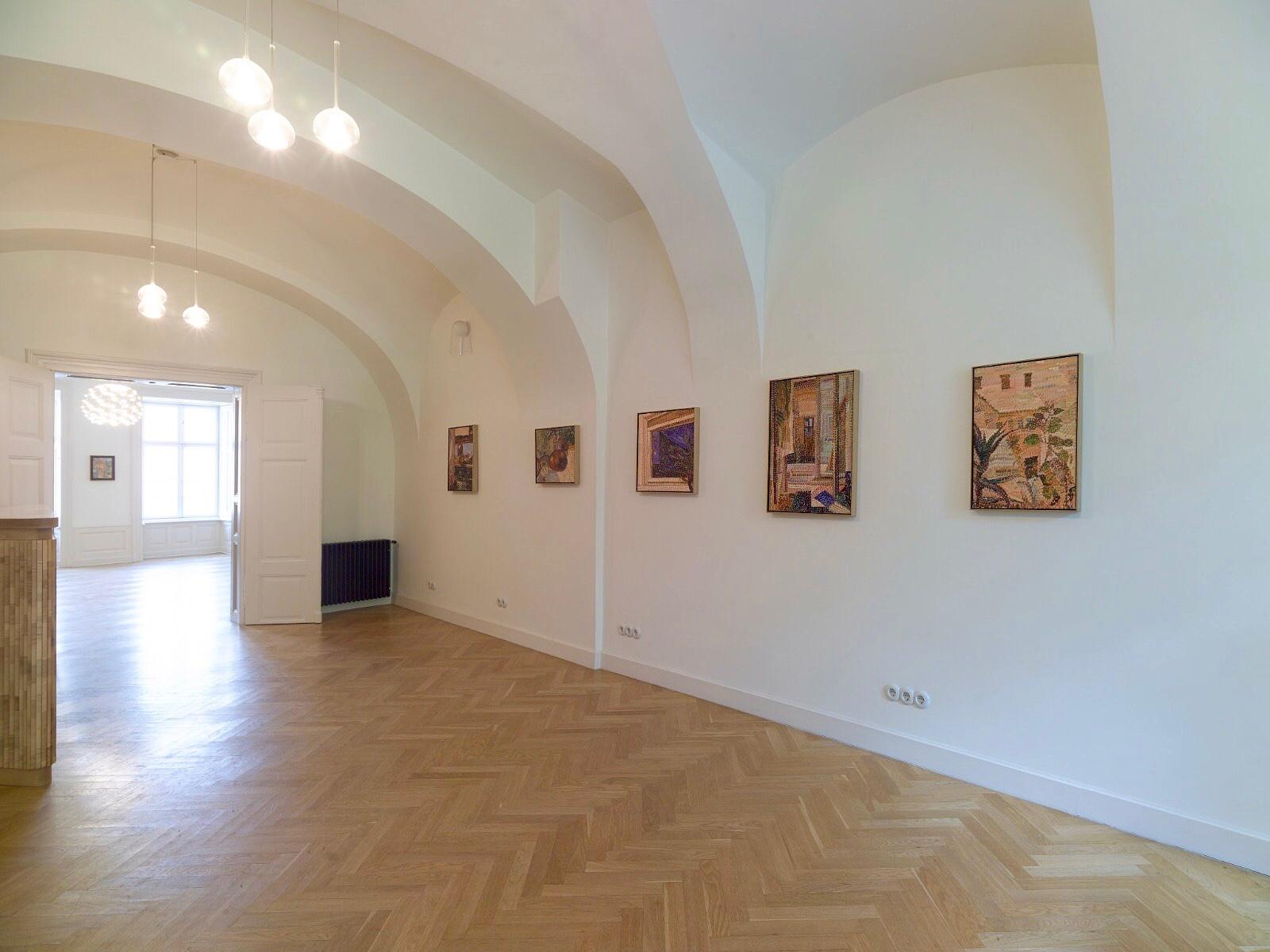
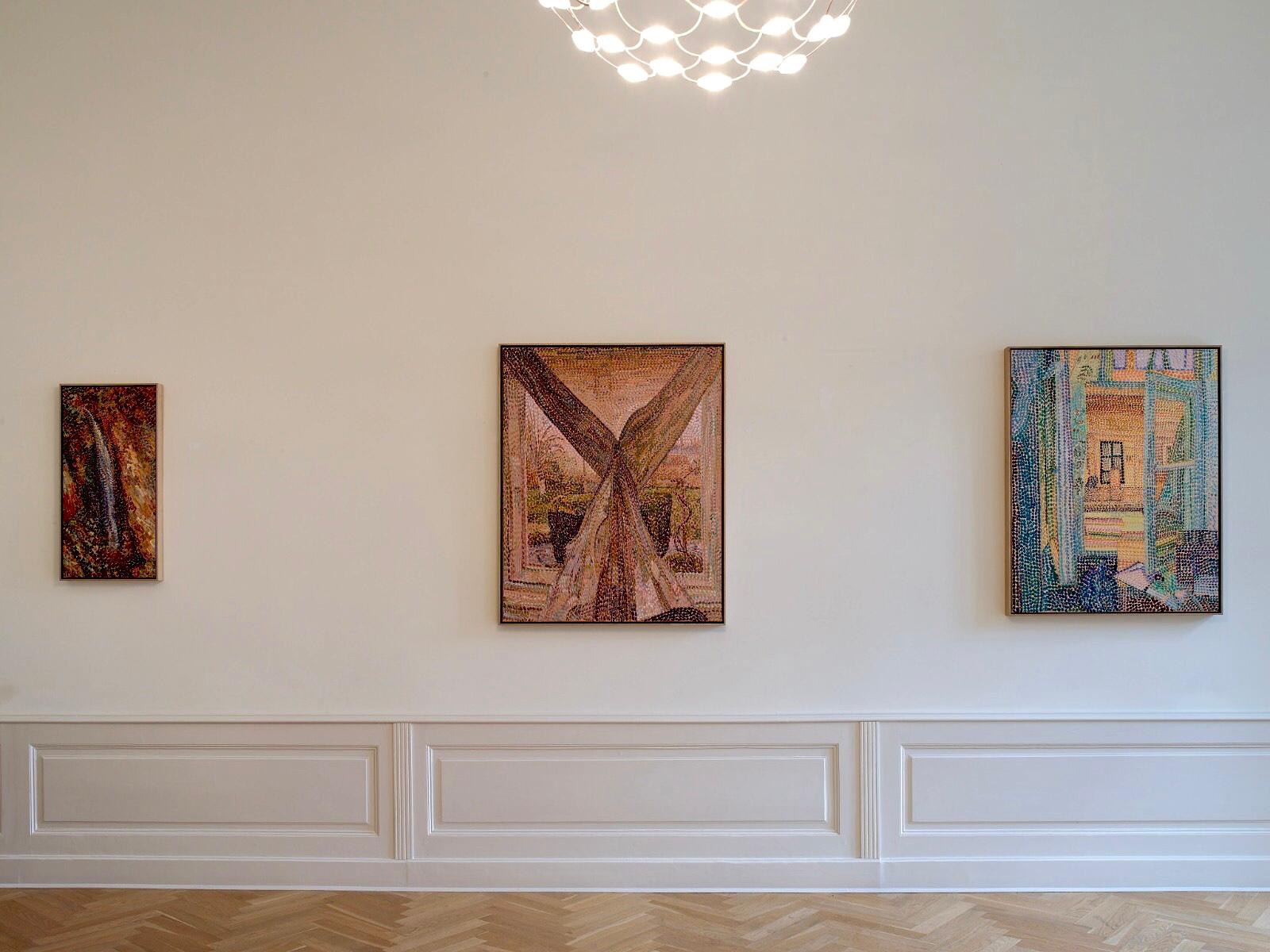
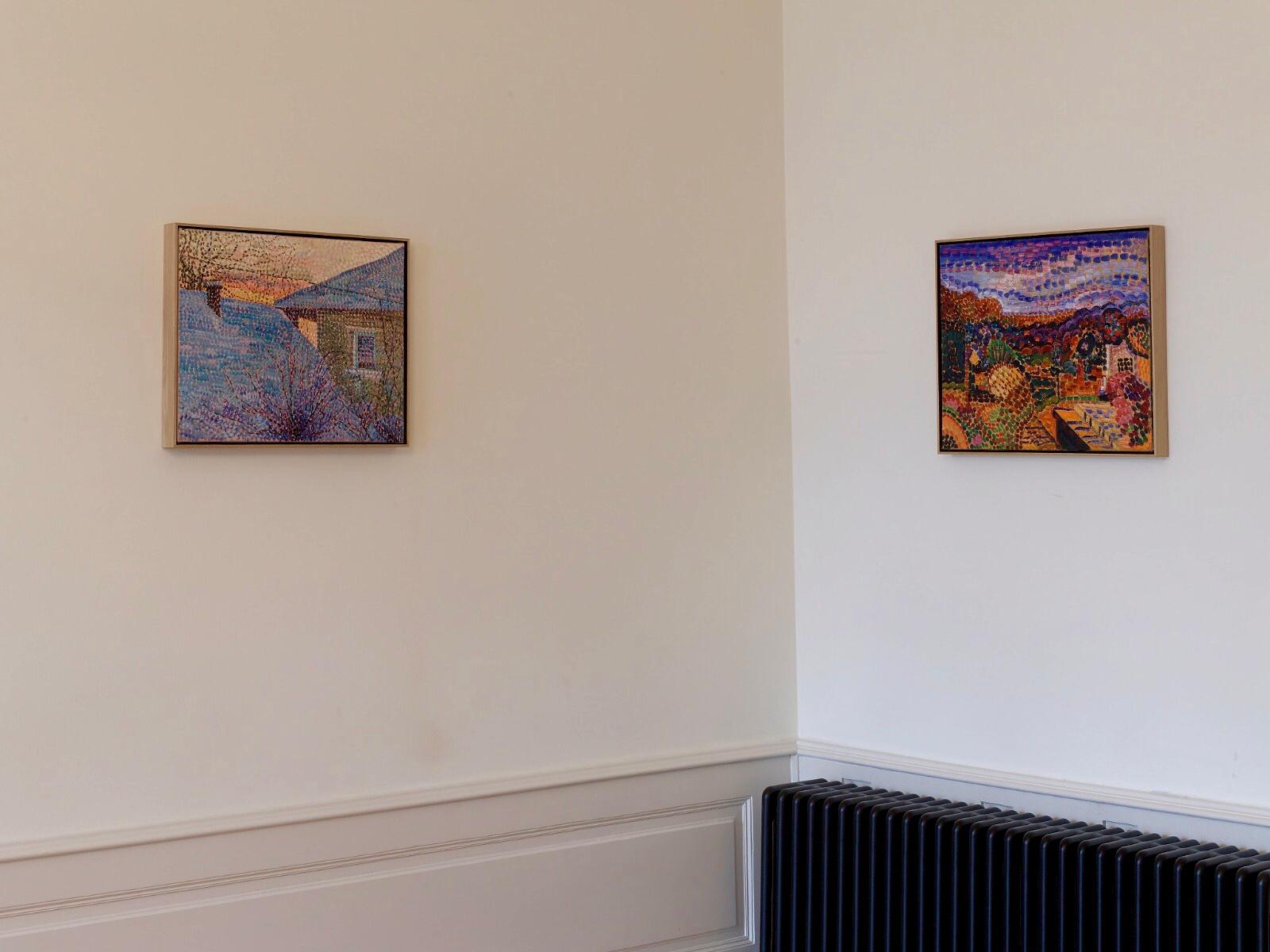
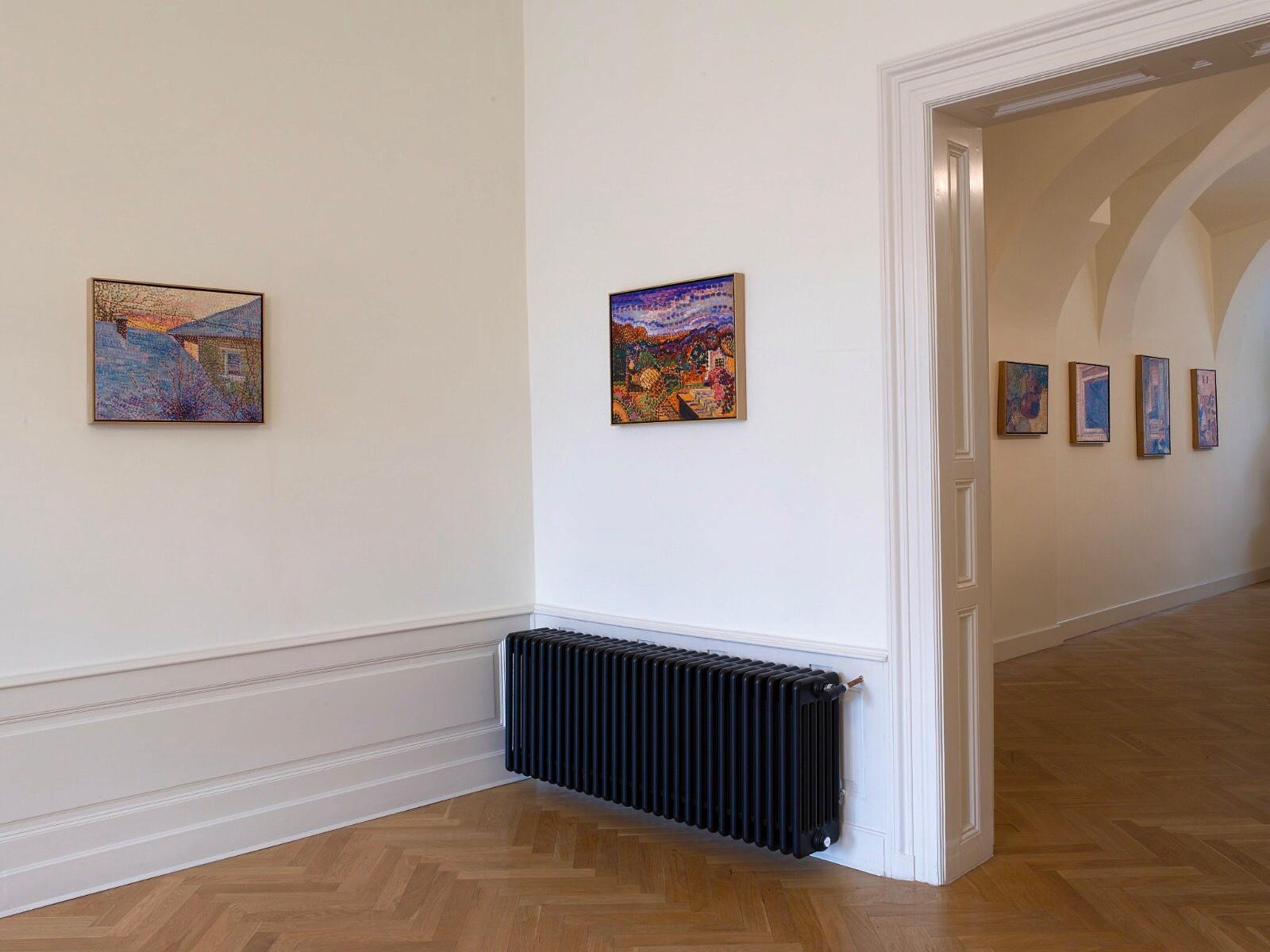
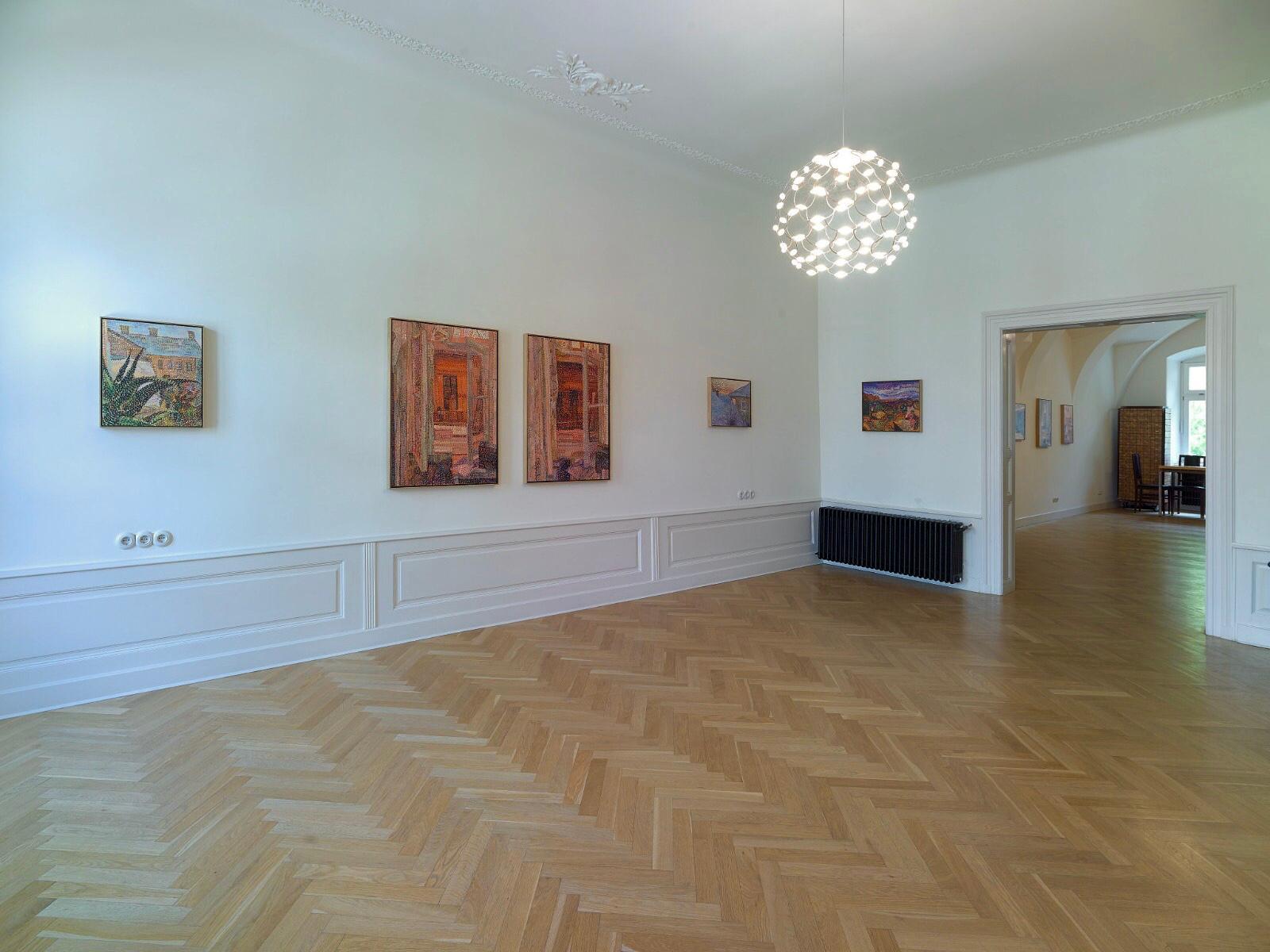
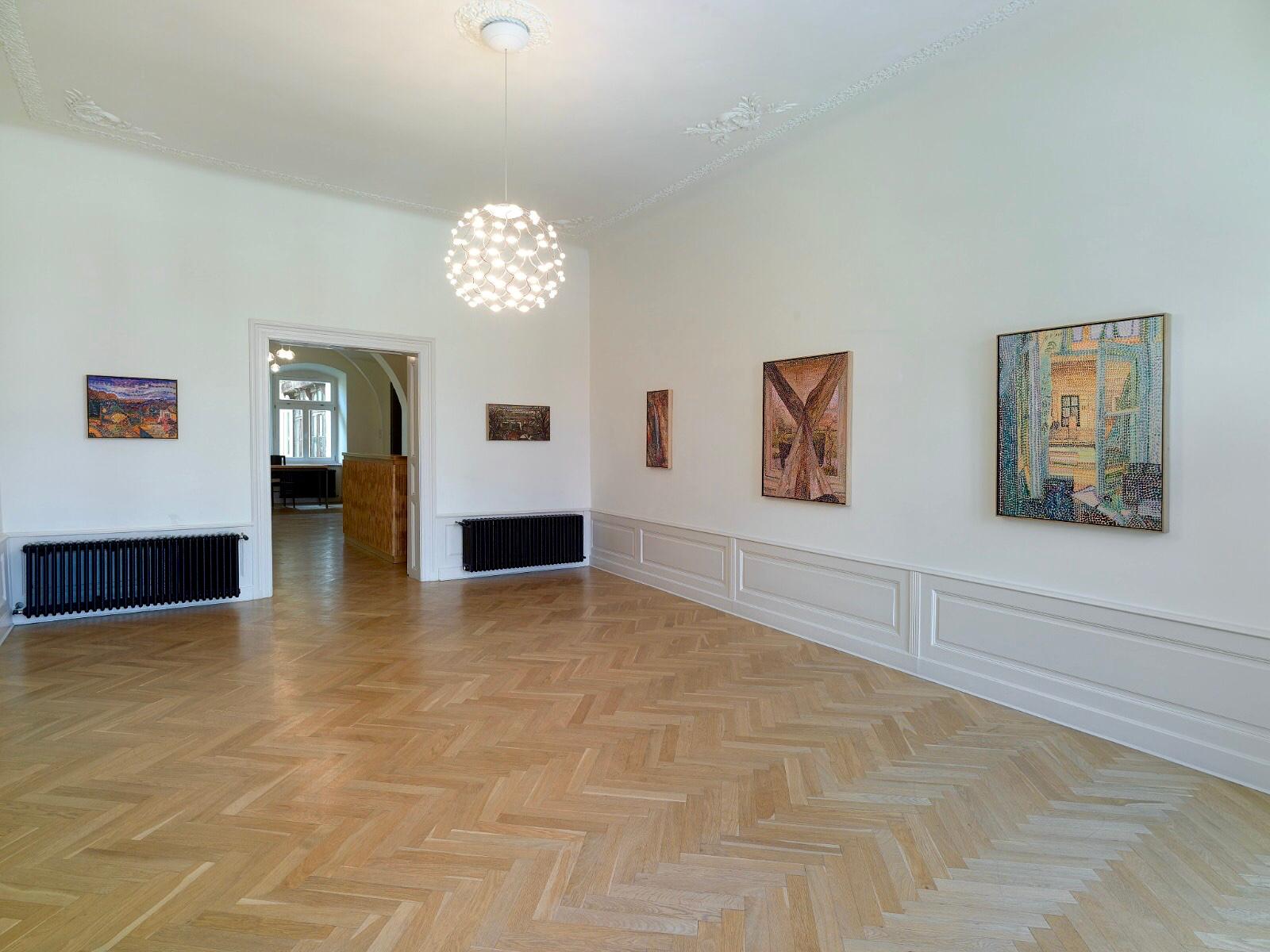
The exhibition “Soft Science of a Retinal Jumble”, presented at Biju Gallery in Cluj-Napoca, brought together recent works by artist Mircea But in a project curated by Norbert Filep. Hosted at the gallery’s space on Memorandumului Street no. 17, the exhibition explores the relationship between perception, memory, and image-making, drawing on a painting practice deeply rooted in observation and in the formation of visual experience.
“There exists an impalpable dimension of space, discerned through sight, manifested by the presence of an emotional fluctuation that does not seem to belong to that moment. Experience precedes the awareness of time, through which the image becomes a sediment of memory, generating flickers of syncope between the instant and eternity. Consciousness, in its full decisional incapacity, mutilated by the extended instant of the moment, facilitates prolonged memories, transforming optically absorbed freshness into structures of an unclear image. The vaguely formed space provokes completion, concretization, and fixation, facilitating the creation of permanent neural imprints, through which, in this case, the stored image becomes accessible once again. Thus, the exact science of cognitive processes becomes a maneuver of intuition, leaving behind the convoluted dictionary of exact concepts, transforming the optics of proximate space into a play of the divisionist lesson.
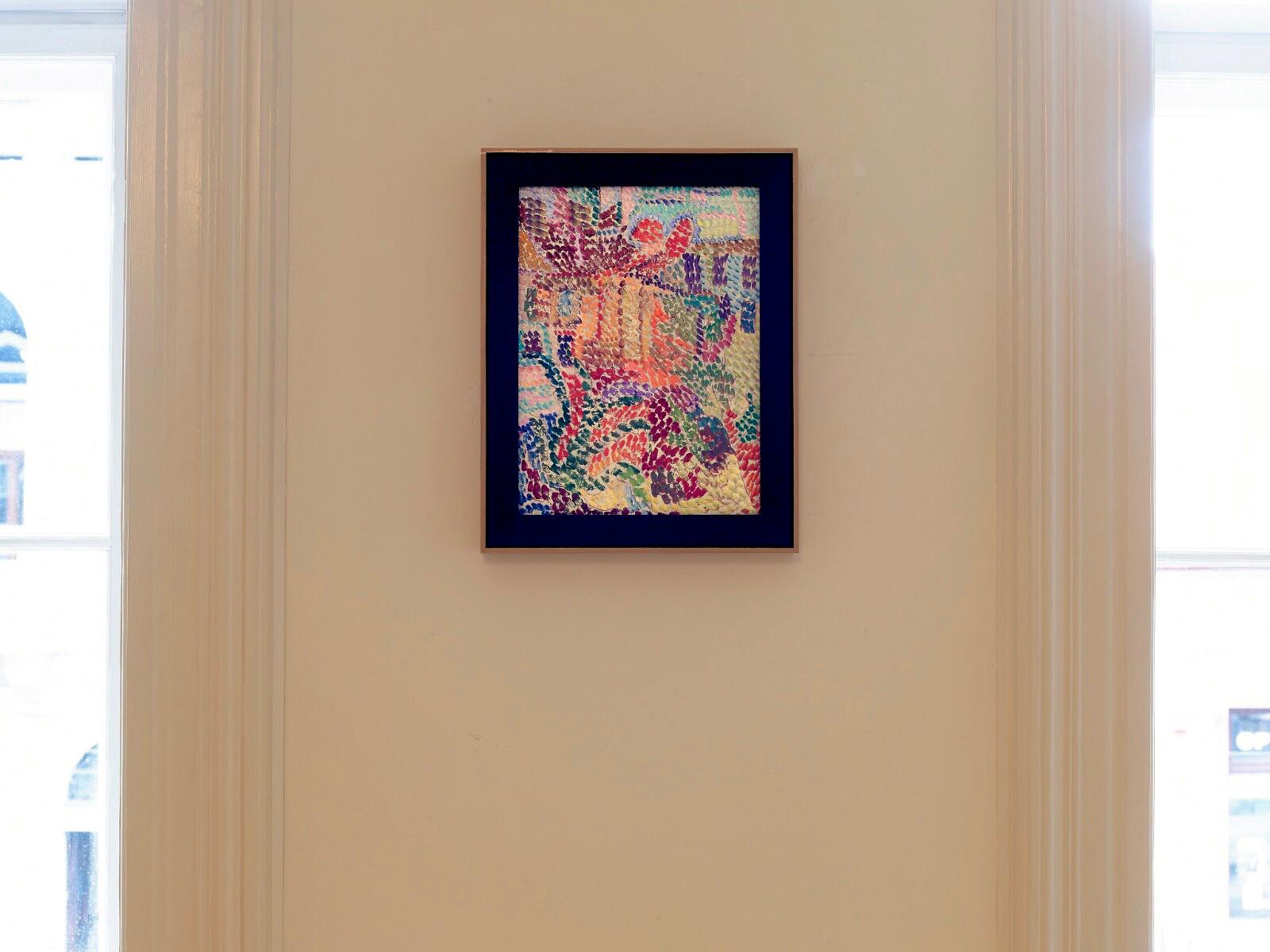
The pointillist structure constitutes a latent logic of the image. The mosaic nature operates through a resolution marked by the totality of points on a delimited surface, without definitively fixing the level of clarity of the image. In the case of the recent works of Mircea But, resolution becomes an inverted process, a form of pixelation of immediate nature through brushstrokes, where information is simultaneously articulated and dislocated.
In contrast to the photographic source, the constructed painting operates through voids, with spaces defined by the rhythms of brushwork, suggesting a subtle kinship with the arabesque of mosaic structure. Pictorial matter renounces the possibility of virtuosity in favor of a process that involves attention and thought down to the most intimate territory of the chosen subject.
A dilation of time becomes the balance of the pictorial act. The brush, subordinated to the analytical gaze of the eye, fragments information into irregular geometric glimmers, each with its own chromatic complexity, placing perception within a fluctuating field between order and disorientation. The newly constructed optic reveals profound connections with the picturesque of the Baia Mare landscape, a territory with a cultural abundance largely oriented toward plein air painting and subjects derived from everyday life. The connection between the familiar interior and the seductive exterior of a transcendent landscape is achieved through the integration of the window frame into the painted image, through which nature becomes the central subject for the analytical eye of the painter. Unlike the rapid act of plein air painting, marked by concentrated attention within a short time span, the gaze from behind the window proves to be unrestricted by the sharp secondary of time. Characterized by observation and exercise, the primordial aim lies in the necessity of consolidating a clear decision of the pictorial act, definitive and irreversible for the painted image, assumed in a similar manner.
In relation to the instantaneity of a calculated world, these paintings invoke a rethinking of a pre-digital structure, with their core closely tied to the logic of divisionism. The paradigm perpetuated a century ago served as a new way of employing pictorial matter, closely linked to scientific and philosophical concepts of light, where the viewer’s retina functioned as the primary site of the newly formed image. Today, the retinal play seems unaltered, yet the capacity to construct the brushstroke-based image has become a difficult exercise, hindered by the overwhelming abundance of photographic imagery that has flooded collective consciousness, transforming the mental space into a hard drive filled to capacity. The significance of these works lies rather in a form of interaction that has become foreign to us, prompting a renewed temporal engagement with the constructed paintings—not to be consumed, but to reactivate the dormant play of imagination.” (curatorial text)
The exhibition can be visited until June 24, 2026.