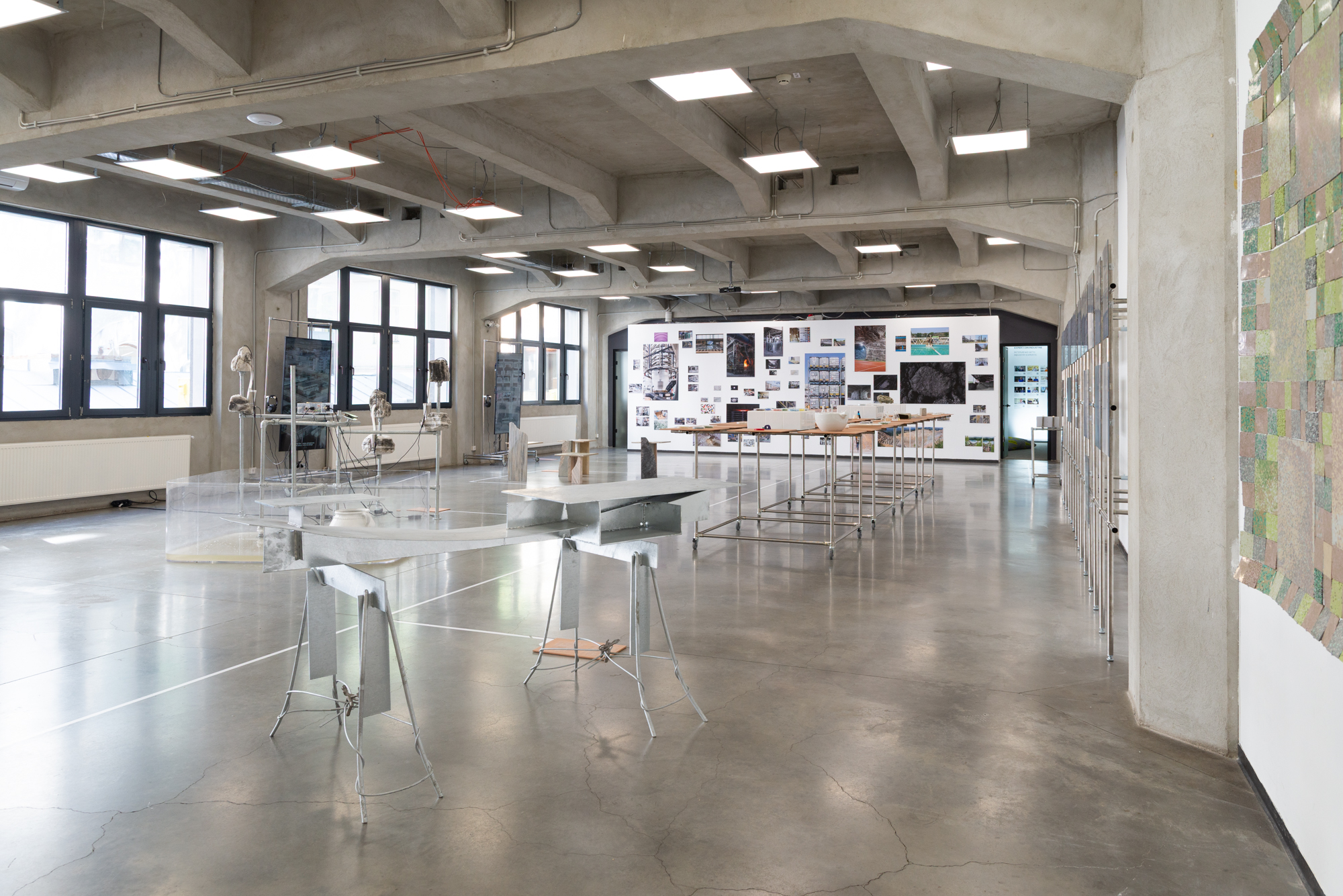
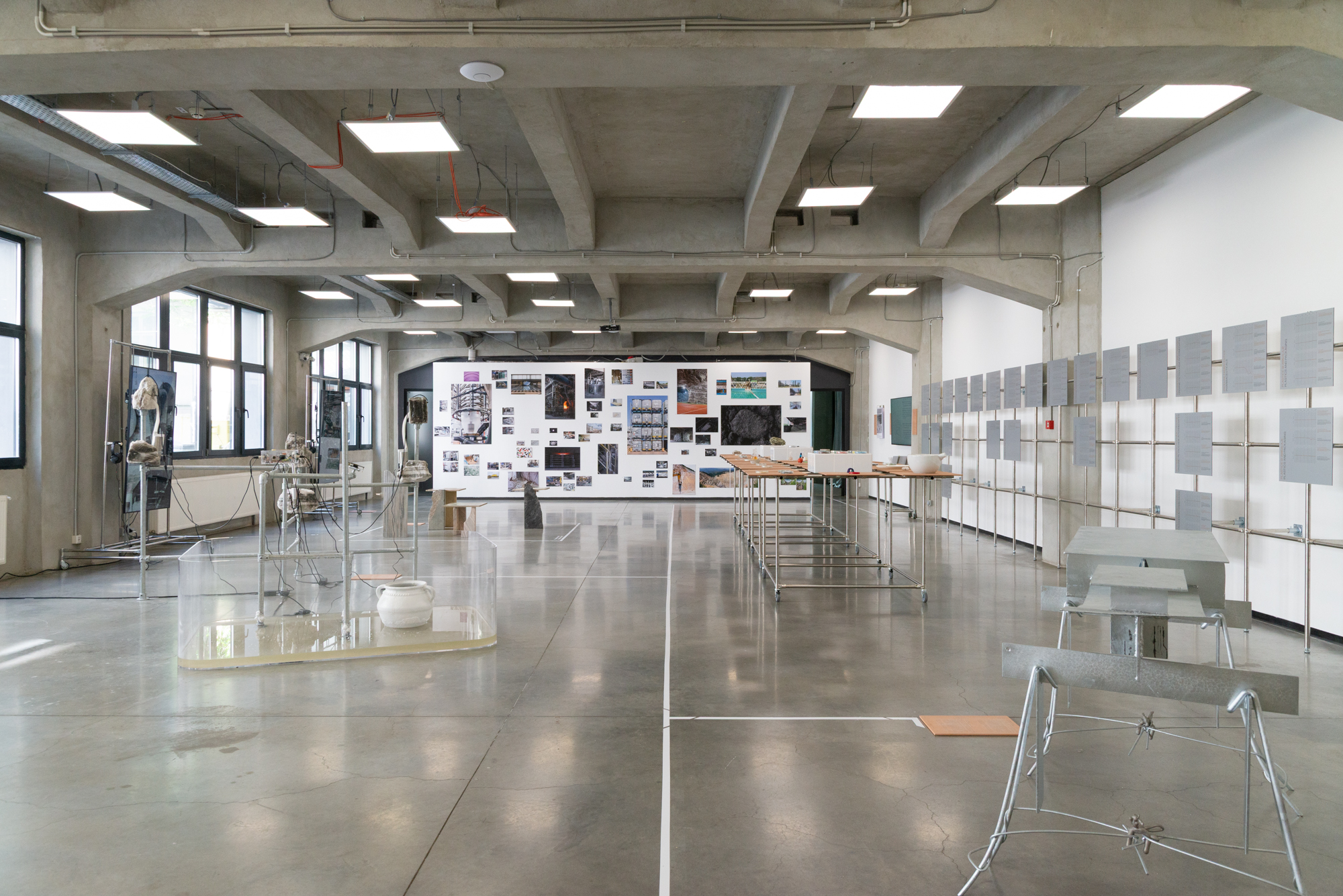
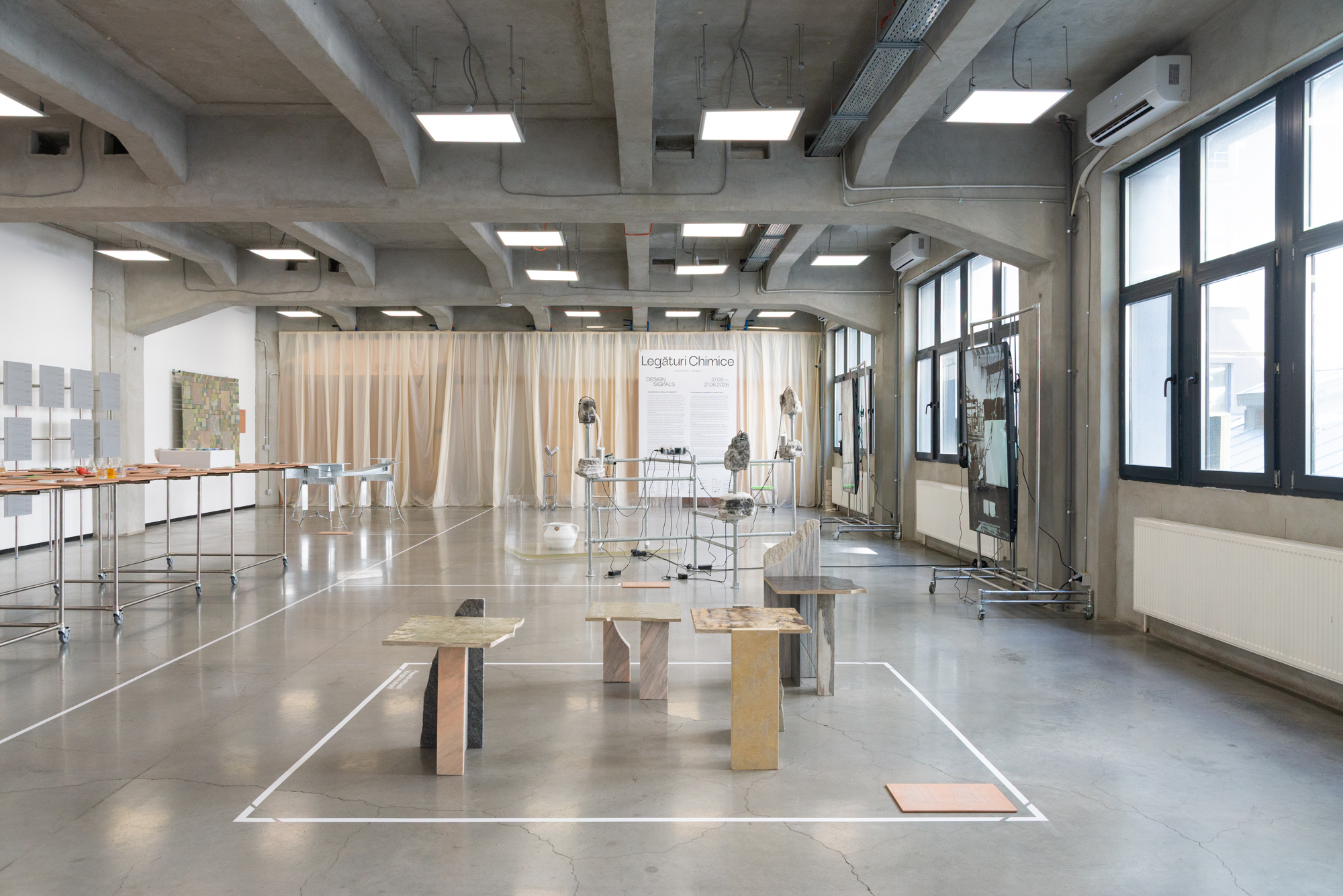
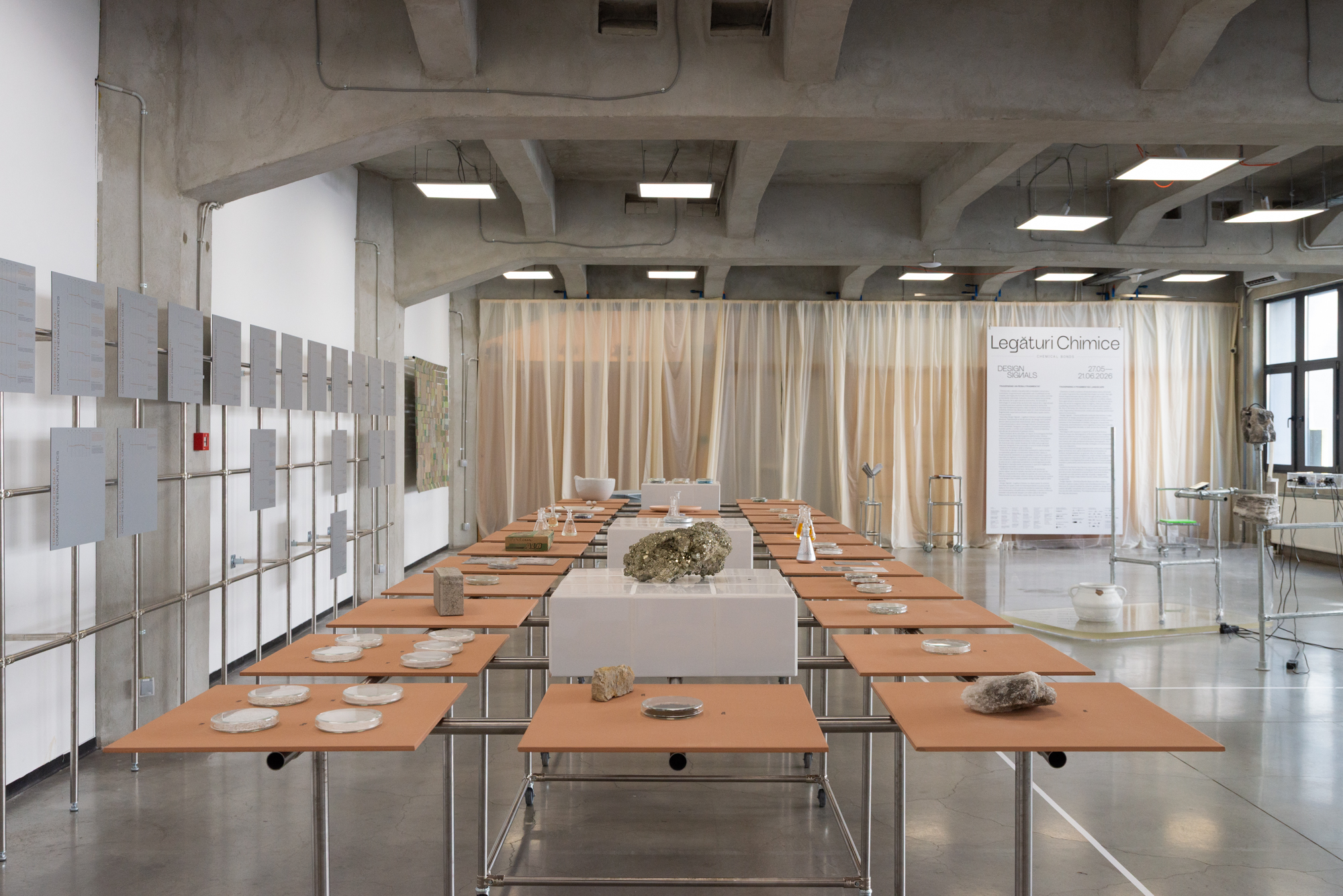
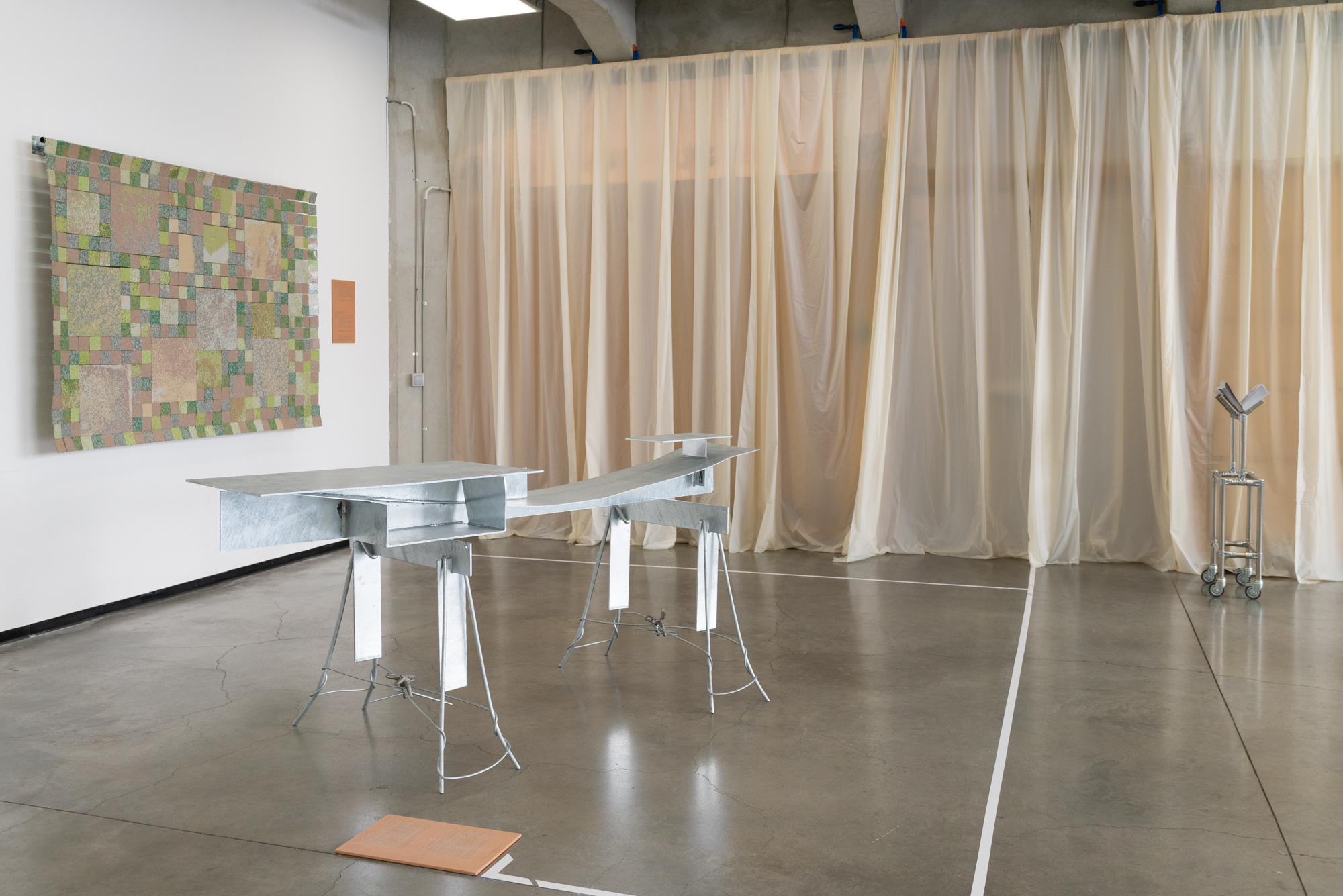
As part of the inaugural edition of Bucharest Design Festival, FABER brought to Bucharest Chemical Bonds/ Legături chimice, a multidisciplinary exhibition that investigates the complex intersections between design, industry, and research. Hosted at Mezanin, in the historic Palatul Universul building, the exhibition remains open to the public until June 21, 2026.
Part of the Design Signals programme, now in its third edition and curated by Martina Muzi, the exhibition offers a critical reading of Romania’s chemical industry—an essential sector for contemporary society that is often reduced in the public imagination to its environmental impact. From agriculture and infrastructure to cutting-edge technologies, the chemical industry is presented here as a complex network of economic, social, and material interdependencies.
The project is rooted in research led by sociologist Norbert Petrovici, together with Mihai Iacob and Zoltán Mihály, examining the transformation of Romania’s chemical industry from the era of the centrally planned economy to the present day. Their analysis traces the shift from the integrated industrial ecosystems of the 1970s and 1980s to today’s fragmented and vulnerable infrastructure, while highlighting its enduring potential for innovation and future development.
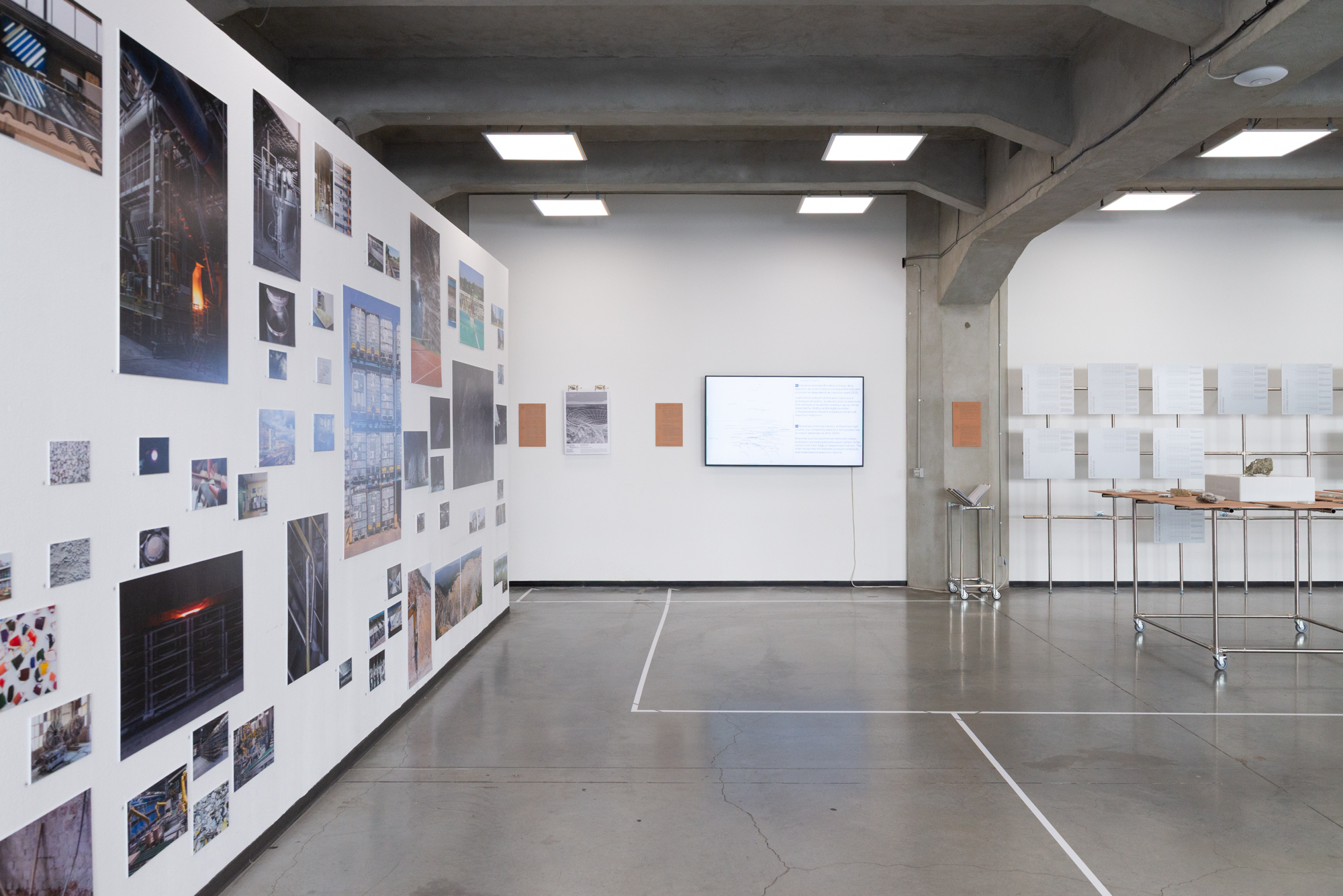
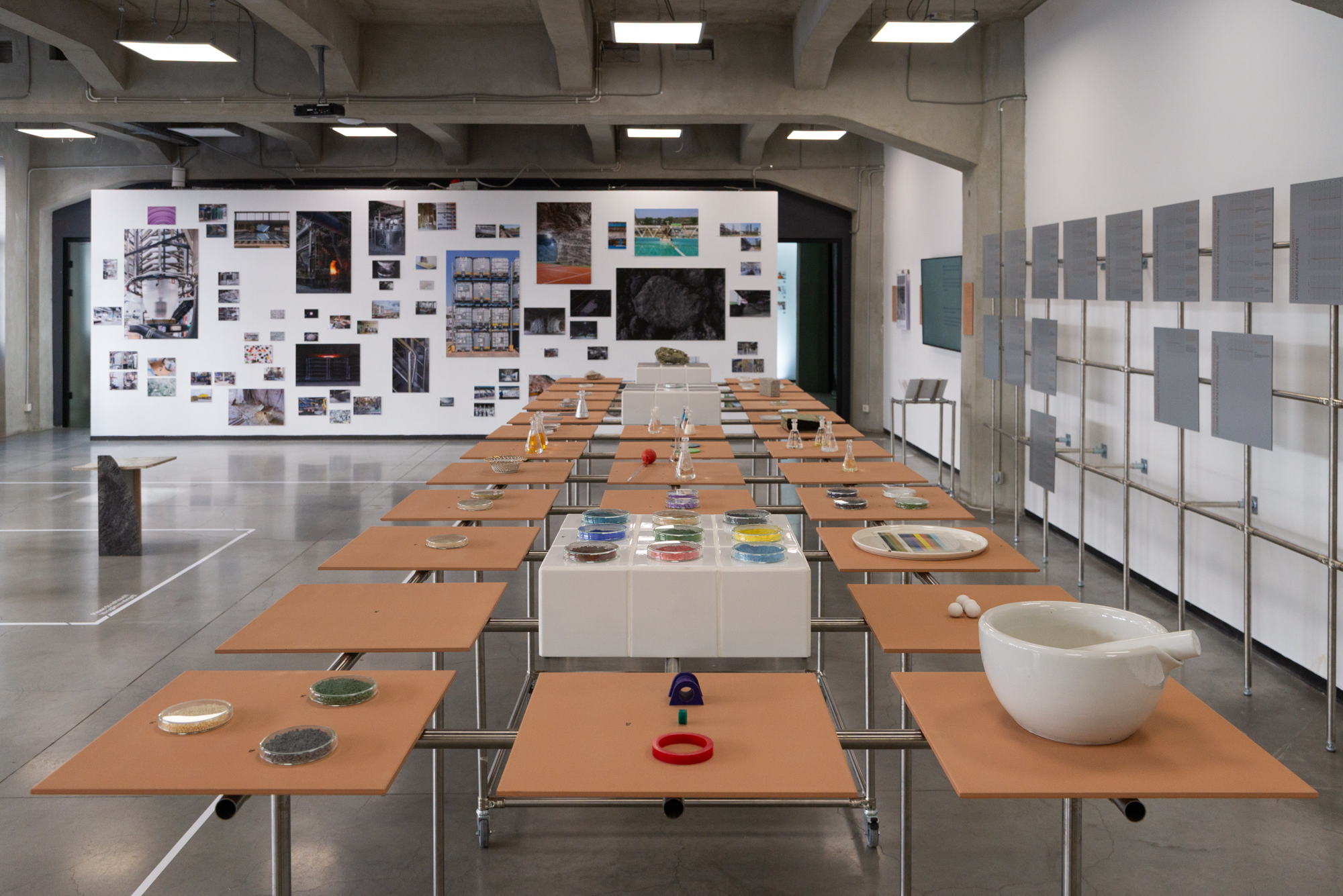
To translate these processes into a language accessible to wider audiences, the FABER team conducted extensive field research across more than twenty factories and industrial sites throughout Romania. The resulting archive—comprising photographs, observations, and documentary materials—accompanies a series of commissioned works. These projects explore themes ranging from bioplastics and galvanisation processes to the cultural and symbolic dimensions of salt, transforming industrial data and mechanisms into installations, objects, and visual narratives.
More than a presentation of a specific economic sector, Chemical Bonds functions as a space for reflection on the ways design can mediate between specialised knowledge and everyday experience. The exhibition opens a broader conversation about the green transition, the future of production, and the material infrastructures that sustain contemporary life while often remaining invisible.
According to curator Martina Muzi, a professor at Design Academy Eindhoven, the project does not seek to provide definitive answers but rather to create a framework for new forms of dialogue and collaboration. Here, design becomes a tool for rendering opaque processes visible and for connecting the various actors involved—from researchers and industrial stakeholders to local communities and the wider public.
The exhibition programme is complemented by weekly guided tours and a series of cultural mediation workshops organised in collaboration with the DaDeCe Association. These activities extend the visitor experience beyond the exhibition itself, inviting participants to explore, through hands-on and participatory practices, the ways in which chemistry and design shape both our present and our collective future.