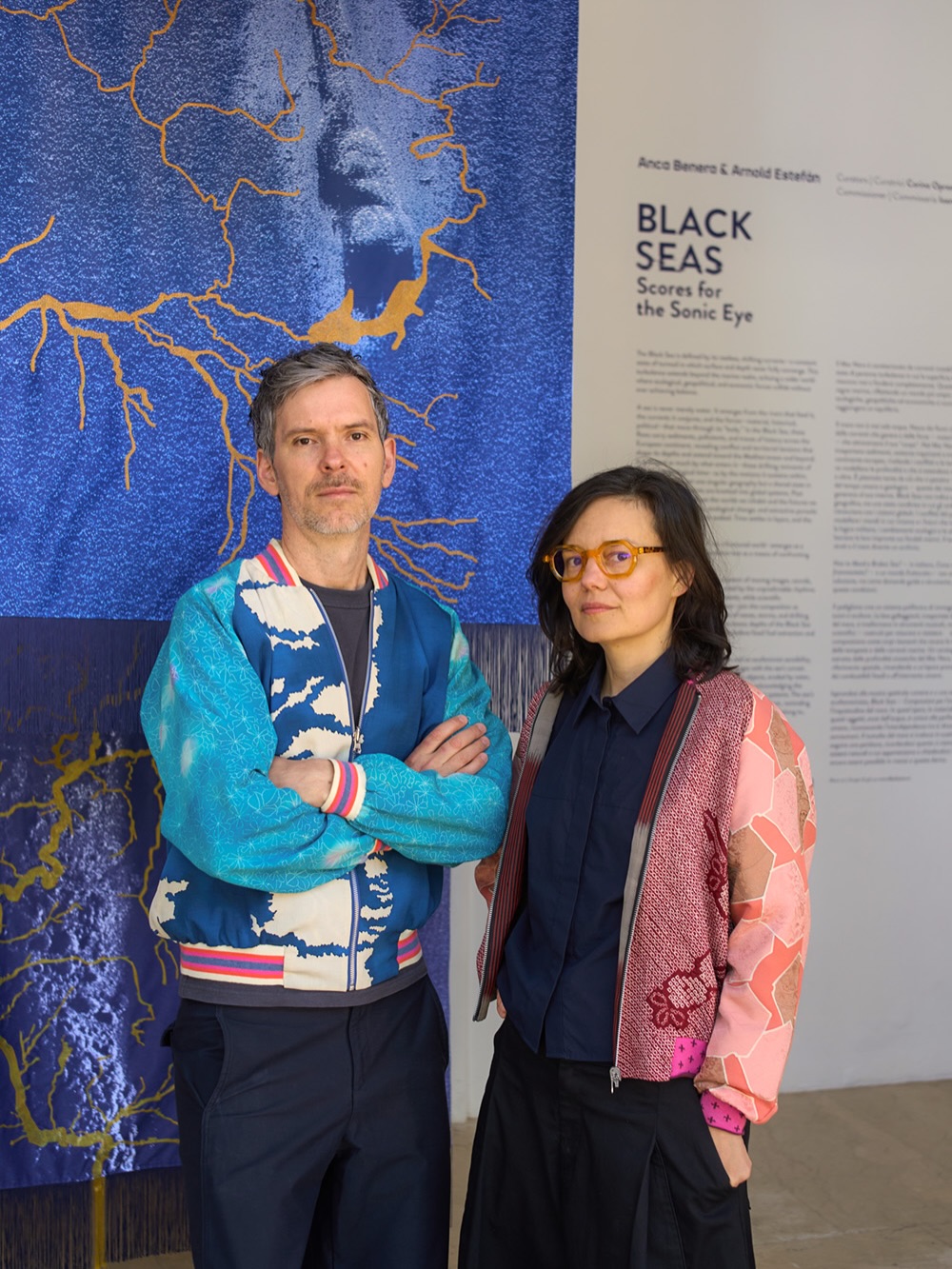
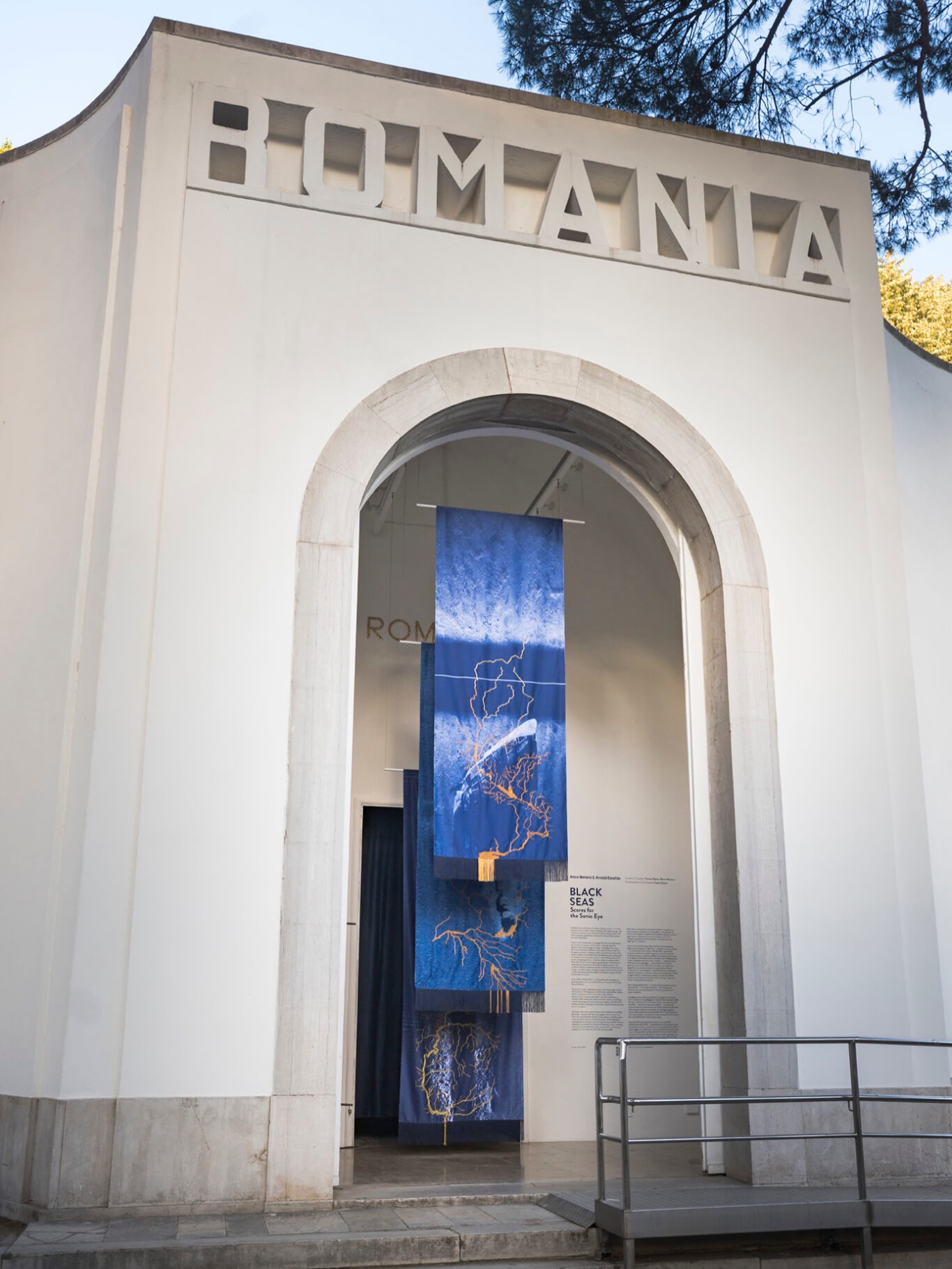
Romania participates in the 61st International Art Exhibition – La Biennale di Venezia 2026 with the project Black Seas – Scores for the Sonic Eye, created by artists Anca Benera and Arnold Estefán.
Curated by Corina Oprea and Diana Marincu, the exhibition is presented both at the Romanian Pavilion and at Palazzo Correr, within the New Gallery of the Romanian Institute for Culture and Humanistic Research. The audiovisual and sculptural installation reflects on the Black Sea as a space of memory, geopolitical tensions, and ecological transformations, turning sound into a tool for exploring history and the relationships between territories, bodies, and systems of power. Through this participation, Romania brings forward a large-scale artistic project that connects scientific research, contemporary art, and environmental concerns within a discourse that resonates strongly with the current international context.
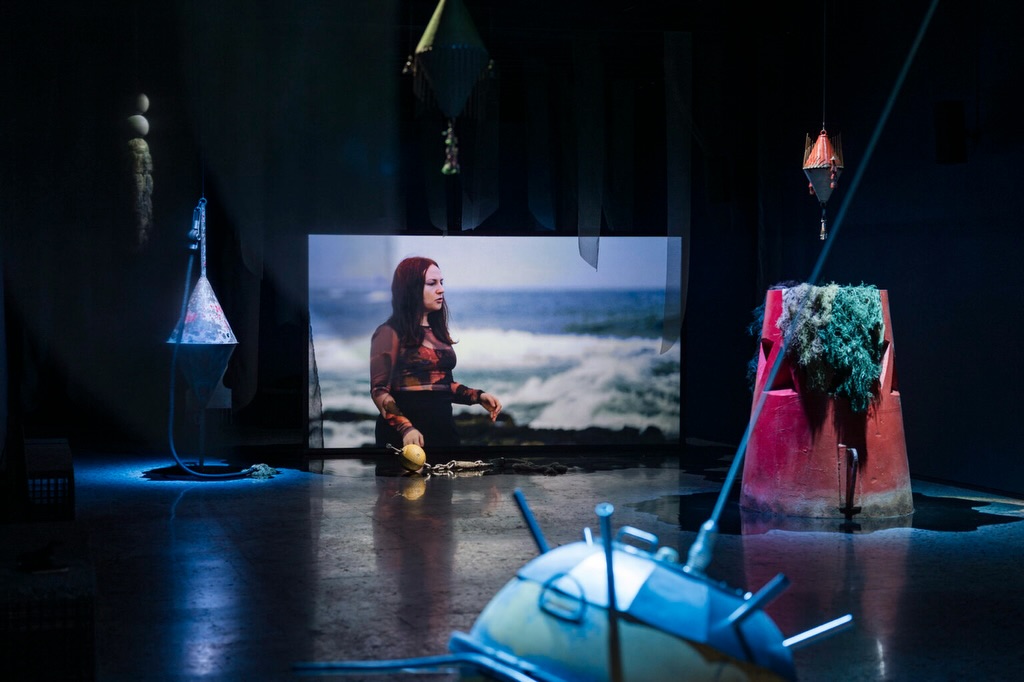
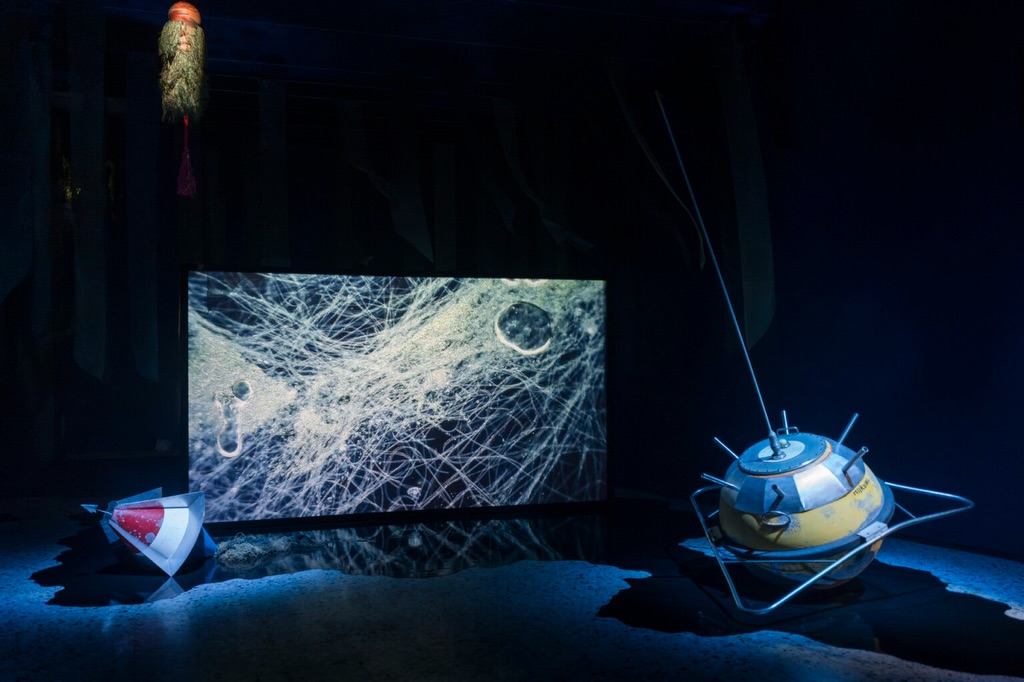
Black Seas – Scores for the Sonic Eye | Marea Neagră la plural – Compoziții pentru ochiul sonor is a site-specific installation created especially for the Venice Art Biennale. It is based on extensive research into the Black Sea as both an ecological system and a geopolitical configuration, where histories remain “submerged” within the sea’s anoxic depths. This polyphonic installation functions as an orchestra in which sound, image, sculpture, and artistic research materials are interconnected in a structure articulated by the artists to investigate history, memory, and knowledge related to the Black Sea.
The Black Sea as motif, metaphor, and relational system
One of the defining characteristics of the Black Sea is its vast anoxic basin — among the largest of its kind in the world — where decomposition slows down and the depths become a stratified accumulation of shipwrecks, sediments, and microorganisms gathered over centuries. Time settles in layers, and the sea records everything without erasing anything.
“Shaped by this stratification and by the persistent turbulence at its surface, the sea reflects an expanded condition: not a singular geography, but a shared state in which ecological, geopolitical, and economic forces collide without reaching equilibrium. In this sense, the Black Sea becomes a metaphor — a lens through which we can observe a fragmented world where division, instability, and interdependence define the reality of the present.”
— Anca Benera & Arnold Estefán
“The Black Sea is often perceived as a marginal sea, defined by fixed borders. Yet its waters are shaped by fluid and translocal processes that exceed these delimitations and point toward dynamics operating in depth. Black Seas – Scores for the Sonic Eye transforms marine science, hydropolitical histories, and ecological observation into spatial and acoustic forms, articulating an encounter with the sea’s geological depth and suspended temporalities.”
— Corina Oprea & Diana Marincu
The Sonic Eye
The notion of the “sonic eye” derives from sonar — a technology initially developed for military purposes — which uses sound waves to navigate and detect underwater objects. The “sonic eye” refers to what escapes immediate vision yet can be revealed through sound. Listening thus becomes an epistemic practice, a way of perceiving and exploring the exhibition space.
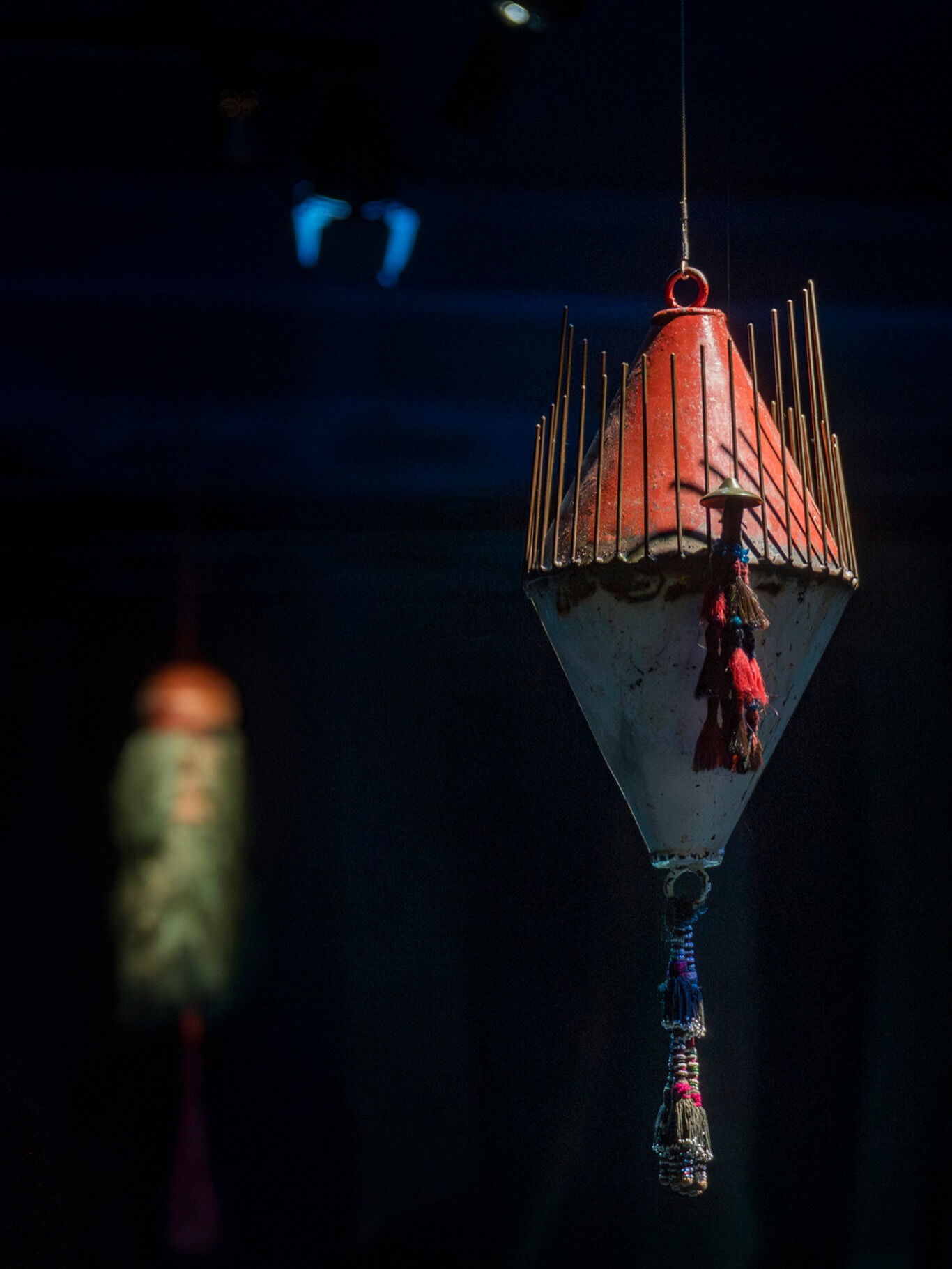
Anca Benera and Arnold Estefán assemble and repurpose buoys from the Black Sea, the Mediterranean Sea, the Baltic Sea, the Adriatic Sea, and the Atlantic Ocean. These are reconfigured as sculptural devices carrying the sounds of waves, storms, and currents. Their surfaces, marked by exposure and wear, function as registers of invisible tensions, activated within the exhibition through sound and repositioning the Black Sea in relation to planetary systems of circulation and power.
“How can a fractured sea be calmed?” structures the artistic approach as an open question, while the exhibition presents the sea not as a mere backdrop, but as an active presence — through resonances that activate reactions and traces of the past.
The exhibition is open to the public from May 9 to November 22, 2026.