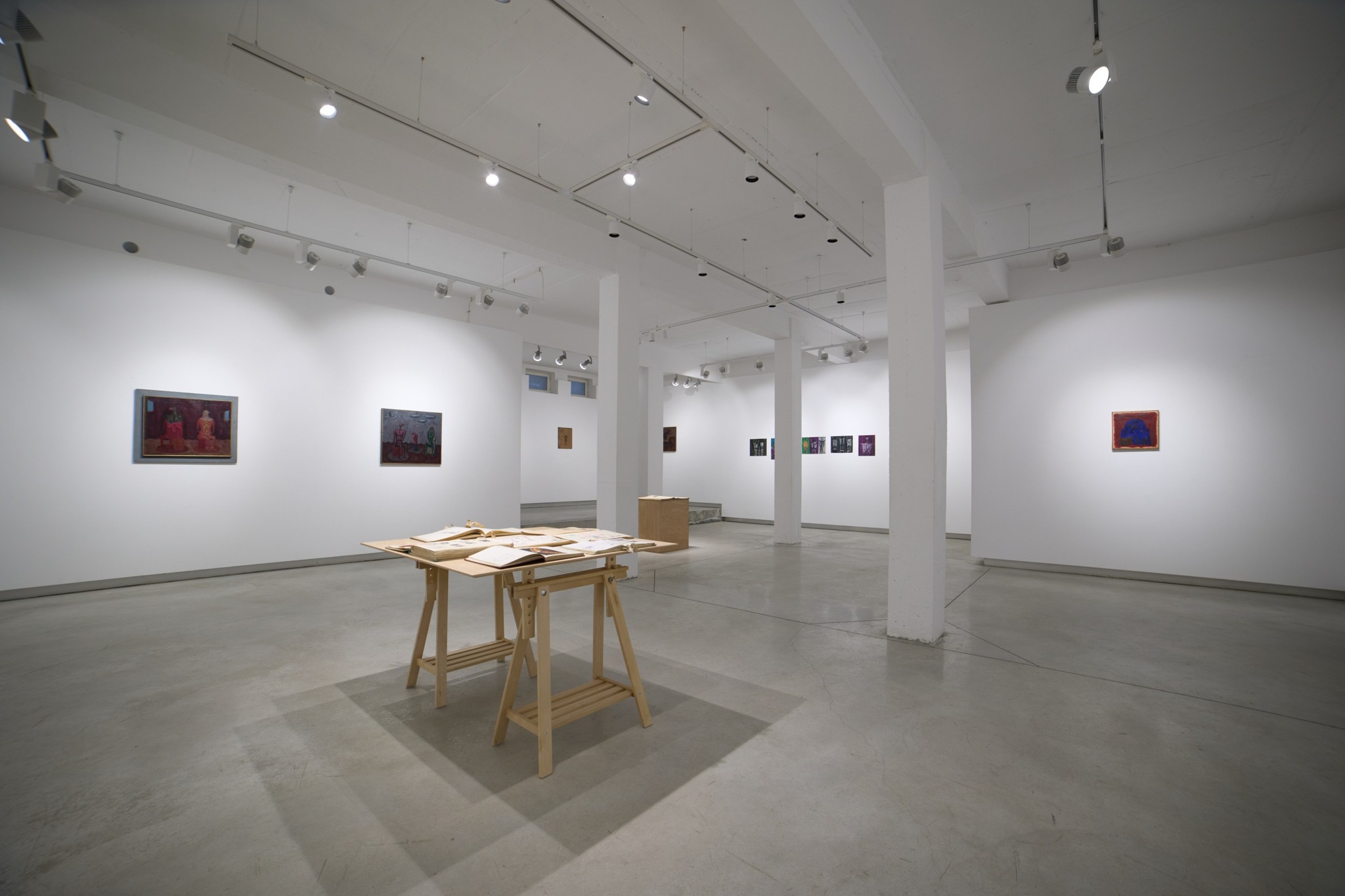
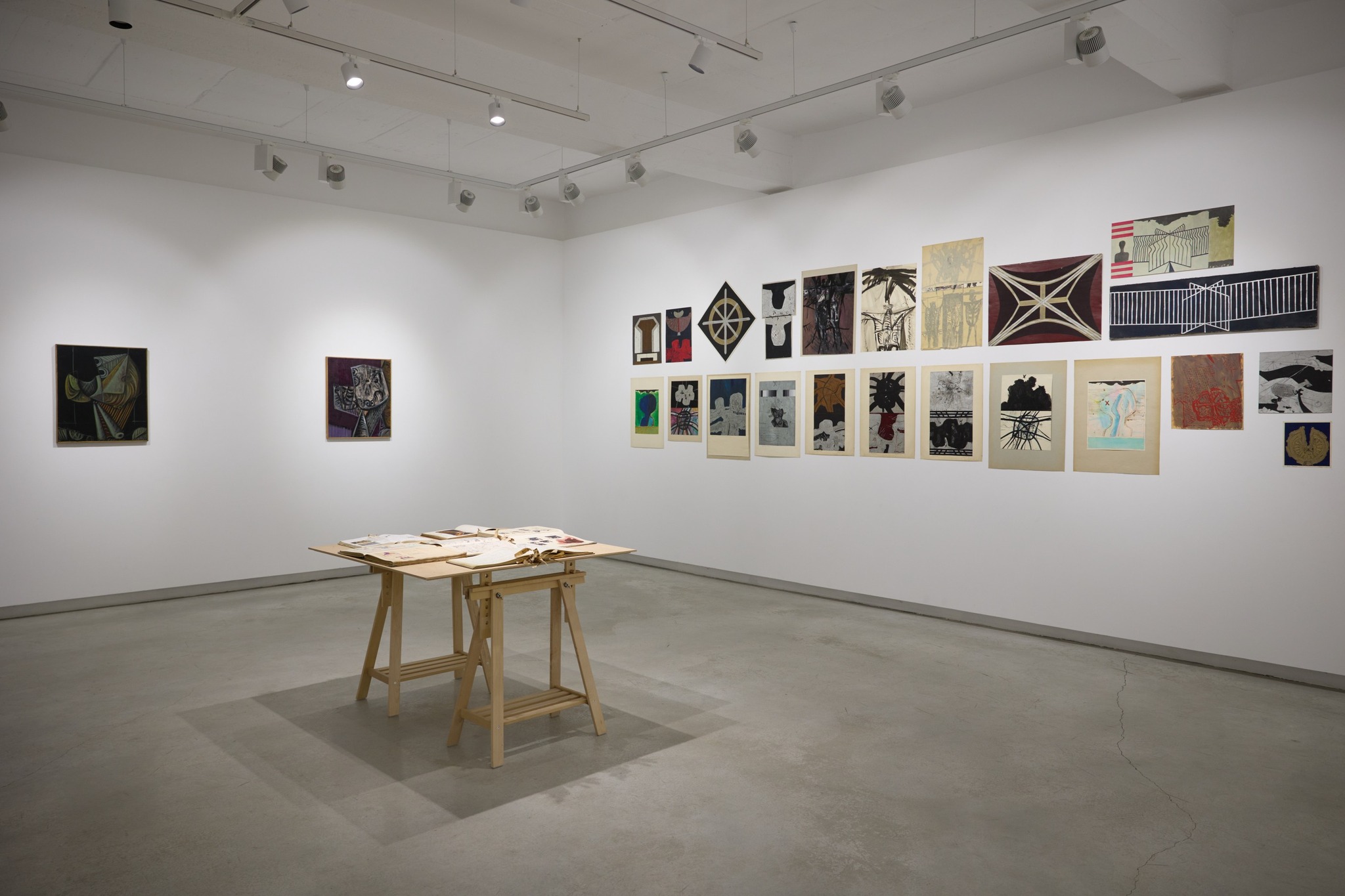
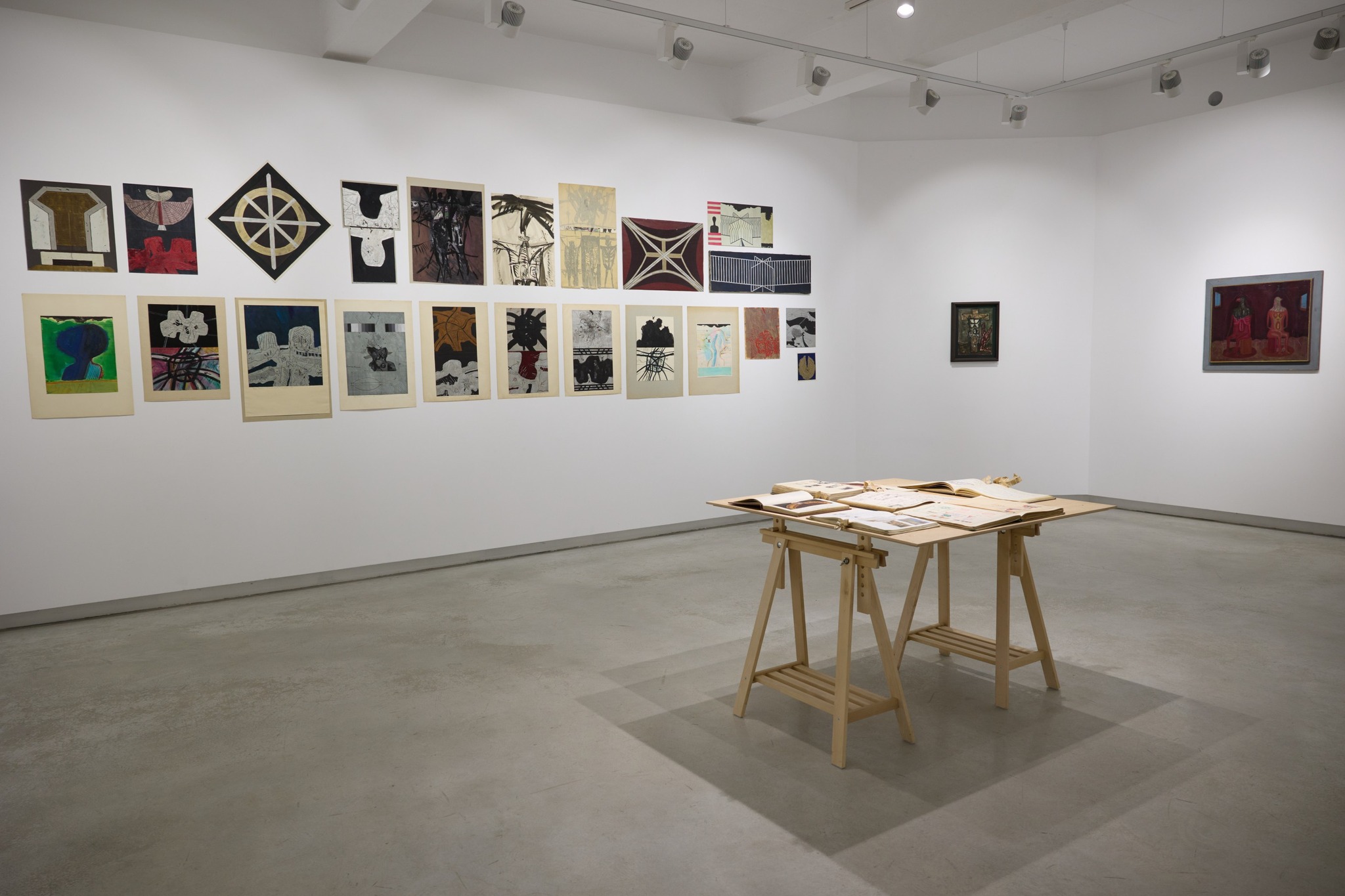
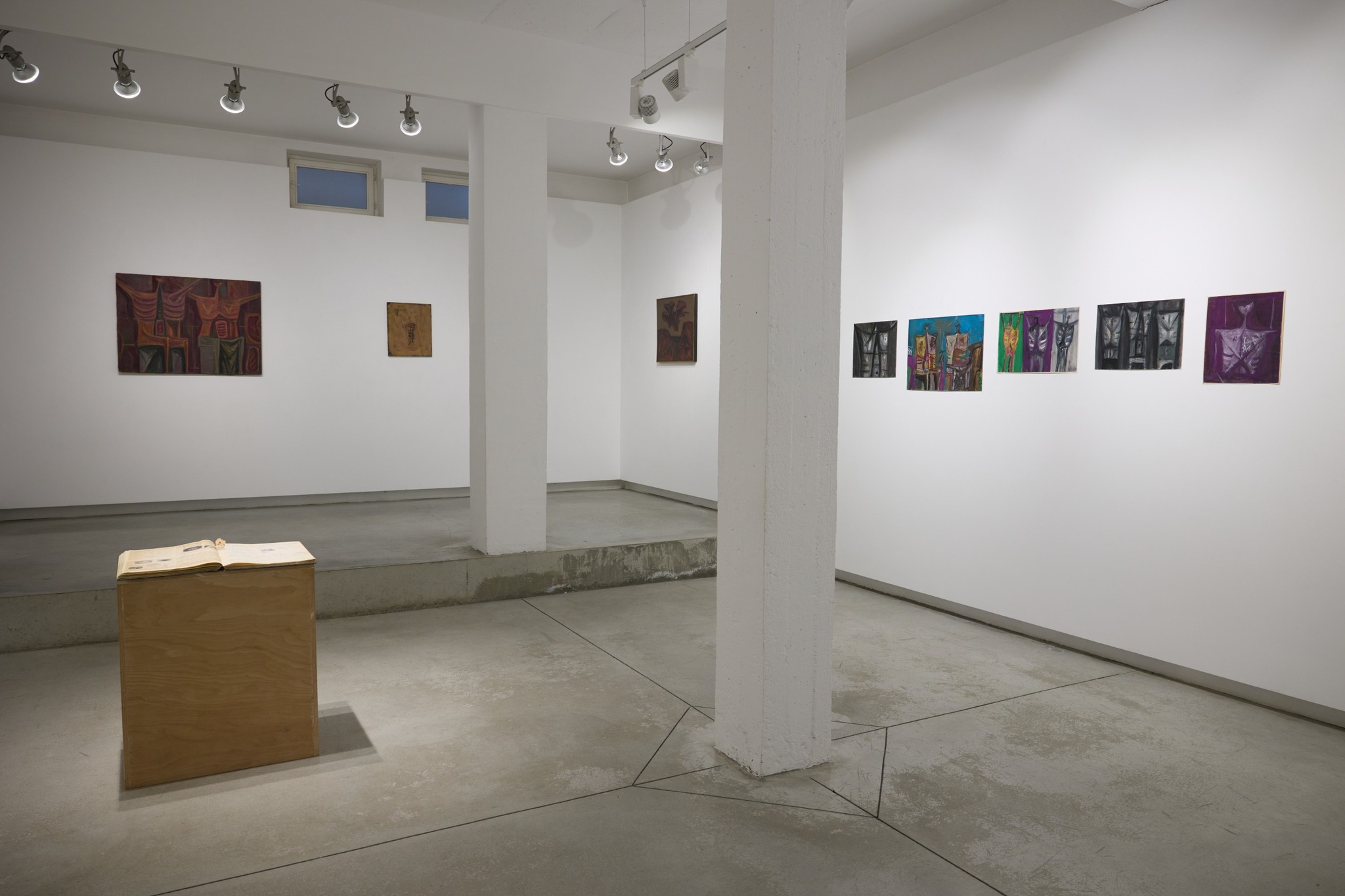
The existential condition of the human being in the present times is explored in the exhibition “To See From a Bird’s-Eye View” in Cluj, which features the works of the artist Marin Gherasim.
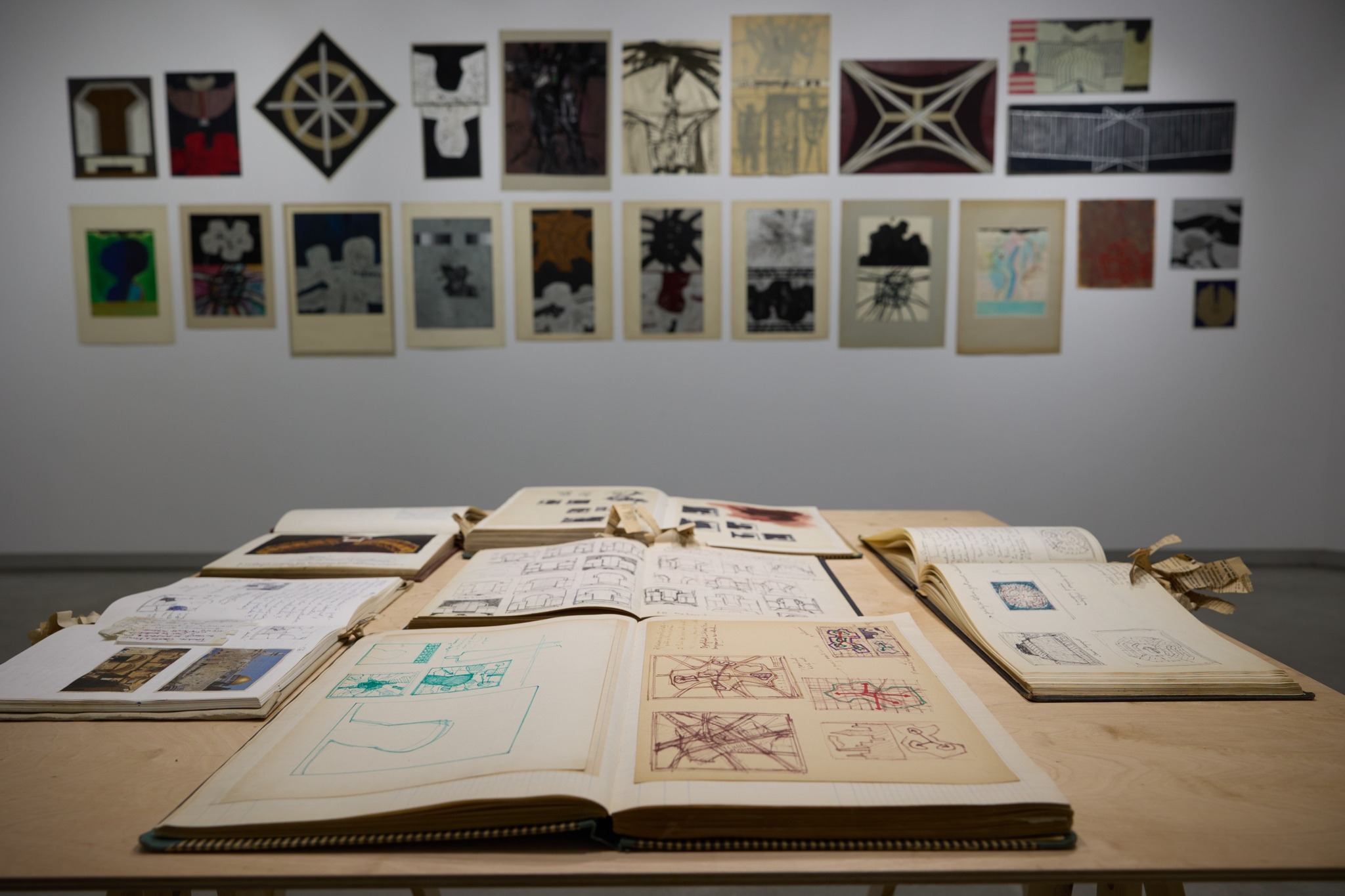
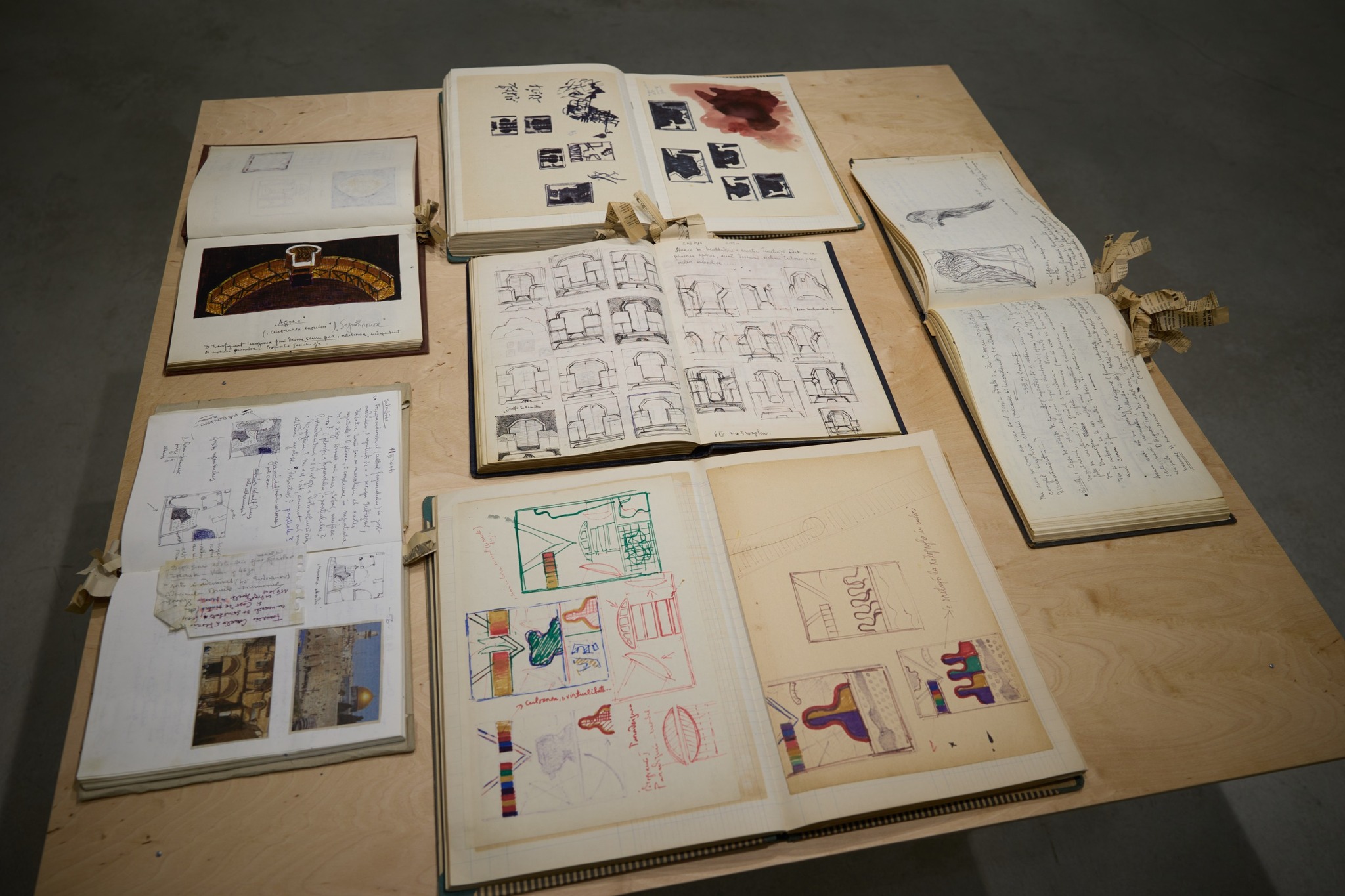
In 1968, Marin Gherasim wrote in his diary about “The Specter of the Consumerist Civilization,” giving this title to one of his drawings. We might call this the testament of a testament: a world of tomorrow whose directions and lines of force are already discernible, its technological human — the one who increasingly shapes our current era and tilts it toward a virtual, hyper-technological future in which the flesh of reality becomes merely a starting point.
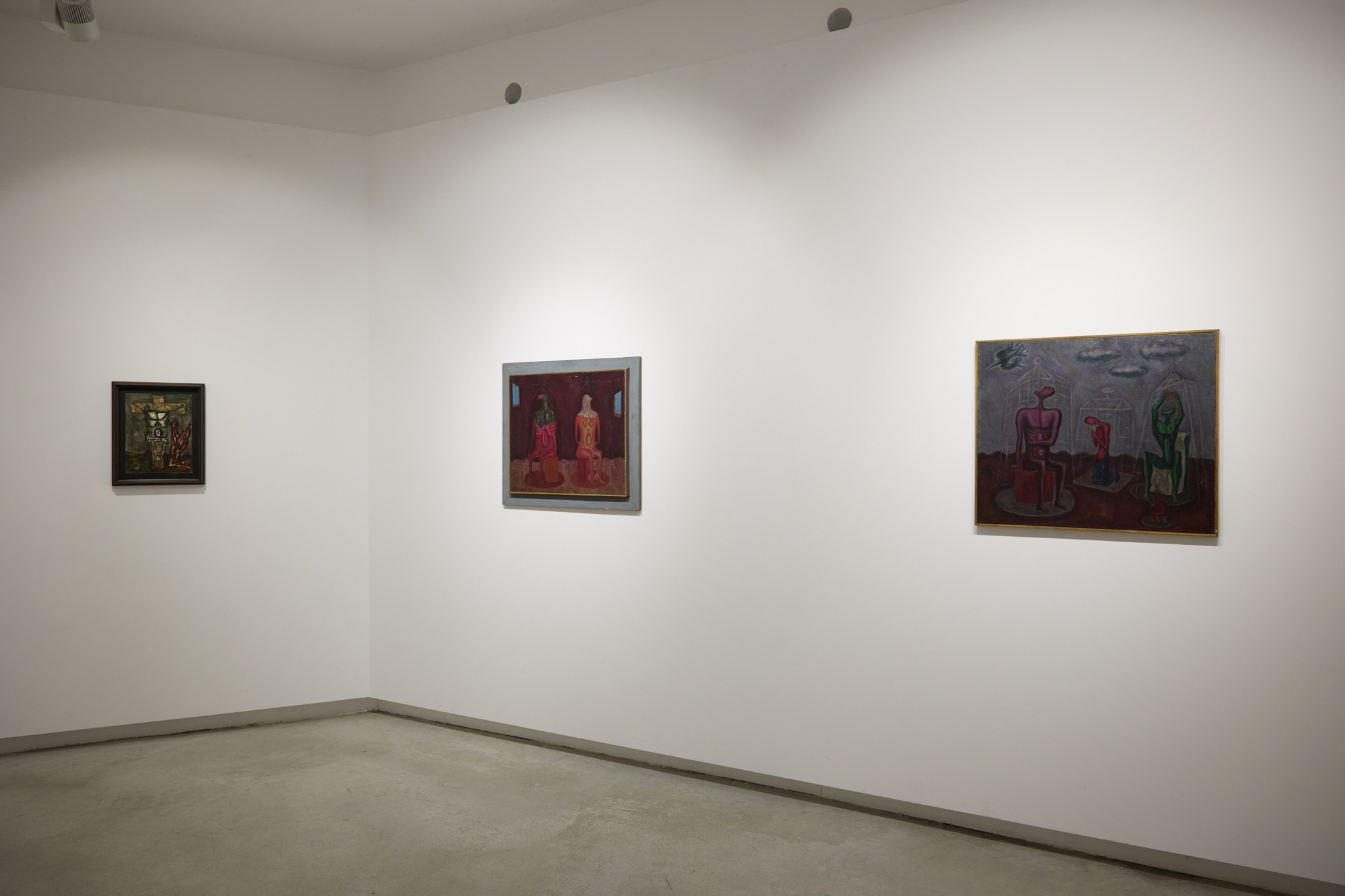
In his works from the 1960s–1970s, especially in his diaries filled with drawings and texts, we find in Marin Gherasim a lucid, critical eye, with an outraged gaze and a undertone of unrest in everything — a concern for the destiny of the fragile creature that is the human being. In the work “Captives” (1967), an emblematic piece from that period, rich in figurative accents, the artist expresses — with a surrealist breath — the theme of the human suffocated by society, by loneliness, suffering, isolation, and the absurdity of a pseudo-communication. In a diary drawing, we find a sketch of these “Captives,” next to which stands written “Homage to Beckett,” referring to the play “Happy Days.” In the same place, he also noted another possible title for the work: “Still Life with Husband and Wife.”
Here are several fragments from Marin Gherasim’s diary from 1968: “An incomprehensible gesture, an incomprehensible sign, from beyond, sunk in grey, I feel I release, a sad man, a tortured torso, suffering, the cry, the ordeal. De profundis. Miserere. The meaning that escapes us. The meaning that refuses us. Tragic torso. The solitary ones. The scene of the world.”
The painting of the 1960s–1970s is marked by an immense alchemical retort. Initiated themes, emphasized themes, recurring themes, isolated themes — such as, for example, ”The Dance of the Noctambulant Butterflies”, ”Inscriptions for Later”. Surrealism, notes of expressionism, powerful themes that could place the nature of the artist within a post-romantic current — a romanticism of exacerbations, also signaling an existentialism in which the human, separated from divinity, may become the source of his own consumption.
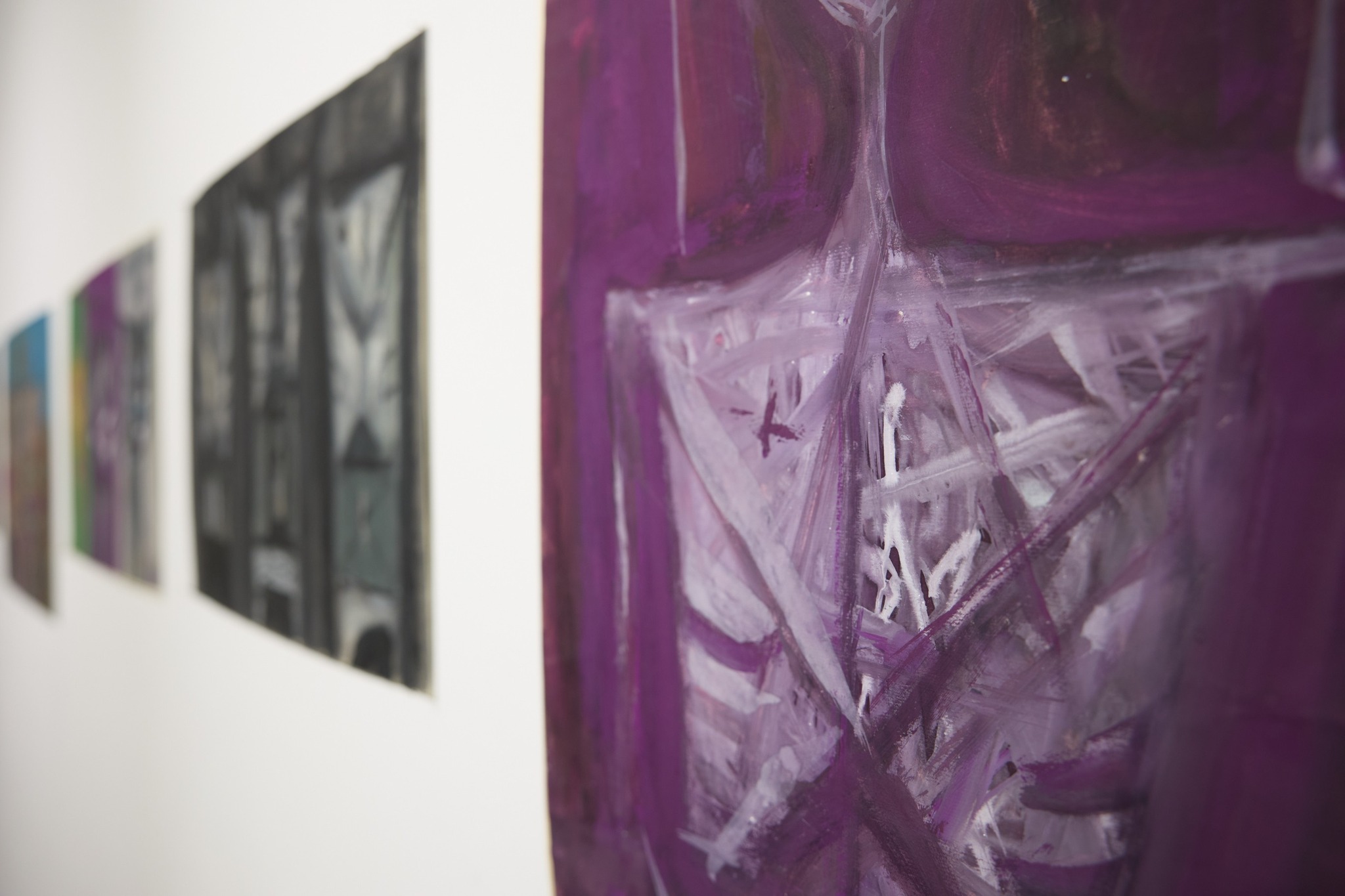
The theme of the tragic torso has several sources: the sacrifice of Icarus, the memory of heroes, Christic energy, the suffering of the oppressed under the harsh years of communism. Another major theme is that of the city — the city that suffocates, subjects the human to a linear ordeal, and depersonalizes him, transforming him into a cut-out, a stencil endlessly replicated. Here we find echoes of the poetry of Émile Verhaeren, especially his cycle “Les Villes tentaculaires” (The Tentacular Cities). We cannot fail to notice that all these reflections of Marin Gherasim resonate with our own times — isolation, accelerated technology, the human being in the cage of his era, loneliness, anxieties — but also the hope that exists as a protection and as a divine covenant, as a view from a bird’s-eye.
Marin Gherasim liked to point out that we do not come from nowhere, revealing in his research a whole world of shared truths, stylistic truths, and moral choices. In his journals from 1968–1969, he mentions Graham Sutherland, Arshile Gorky, speaks about the freedom of tension in De Kooning, about Samuel Beckett, Eugène Ionesco, Ion Barbu („Uvedenrode”), André Breton, Chagall, Matta, Masson.
The exhibition is open until December 7, 2025, at Relicvar Art Space (4 Târnavelor Street, Cluj-Napoca).