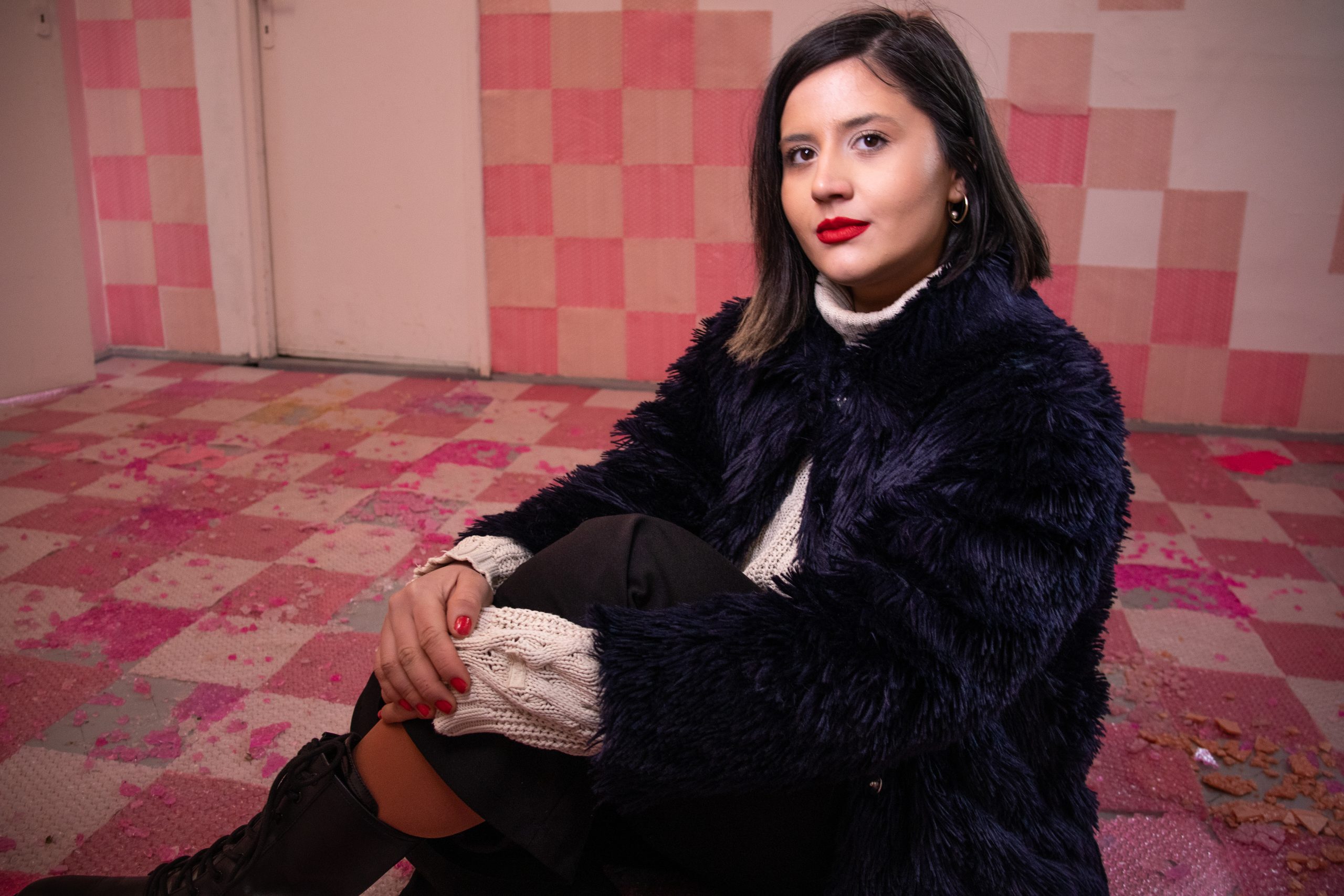
Andreea Grigoraș is a visual artist working in the field of sculpture and installation, exploring the relationships between the body, the gaze, and the cultural construction of femininity. A graduate of the University of Art and Design in Cluj-Napoca, her practice focuses on the tensions between vulnerability and authority, investigating themes such as shame, sexuality, and the social norms that shape identity. Through works with an apparently fragile aesthetic but conceptually incisive, Andreea Grigoraș creates situations that challenge the viewer to reflect, opening a critical space in which symbols of power are recontextualized and questioned.
When was the moment you felt you wanted to become an artist?
Andreea Grigoraș: I cannot identify a single moment when I decided to become an artist. The choice developed gradually, through a series of experiences and intuitions that, reflecting back, shaped this direction.
I have always had artistic inclinations. Since childhood, drawing and coloring were natural forms of expression for me. My mother often tells me how much I used to color in kindergarten — she had to buy me coloring books almost every week.
During adolescence, this interest remained in the background. I attended a high school with a science profile (math and computer science), and although I had good grades, the exact sciences made me feel that these were not spaces where I could truly find myself. In contrast, literature and English classes felt closer to my way of thinking, as they involved interpretation, sensitivity, and imagination. Still, I felt the need for a more direct, intuitive language.
This need led me, in the 9th grade, to a modeling workshop at the Children’s Club in Toplița. Until then, I had never worked with clay, and the encounter with this material was a revelatory experience. The direct contact with the material and the possibility of shaping form with my hands gave me a sense of freedom I had not experienced elsewhere. The workshop quickly became a place I returned to constantly, several times a week, out of pure enjoyment and curiosity.
An important role during this period was played by my teacher, Attila Moga, who introduced me to the basics of modeling. He was the first to clearly state that he saw potential in what I was doing. At that time, I lacked confidence and wasn’t sure art could become a real path. That early validation was decisive — it transformed a personal inclination into a concrete possibility.
From that point on, the idea of pursuing an art degree became increasingly clear. I began preparing for admission, working consistently on my portfolio, and imagining what an artistic path might look like.
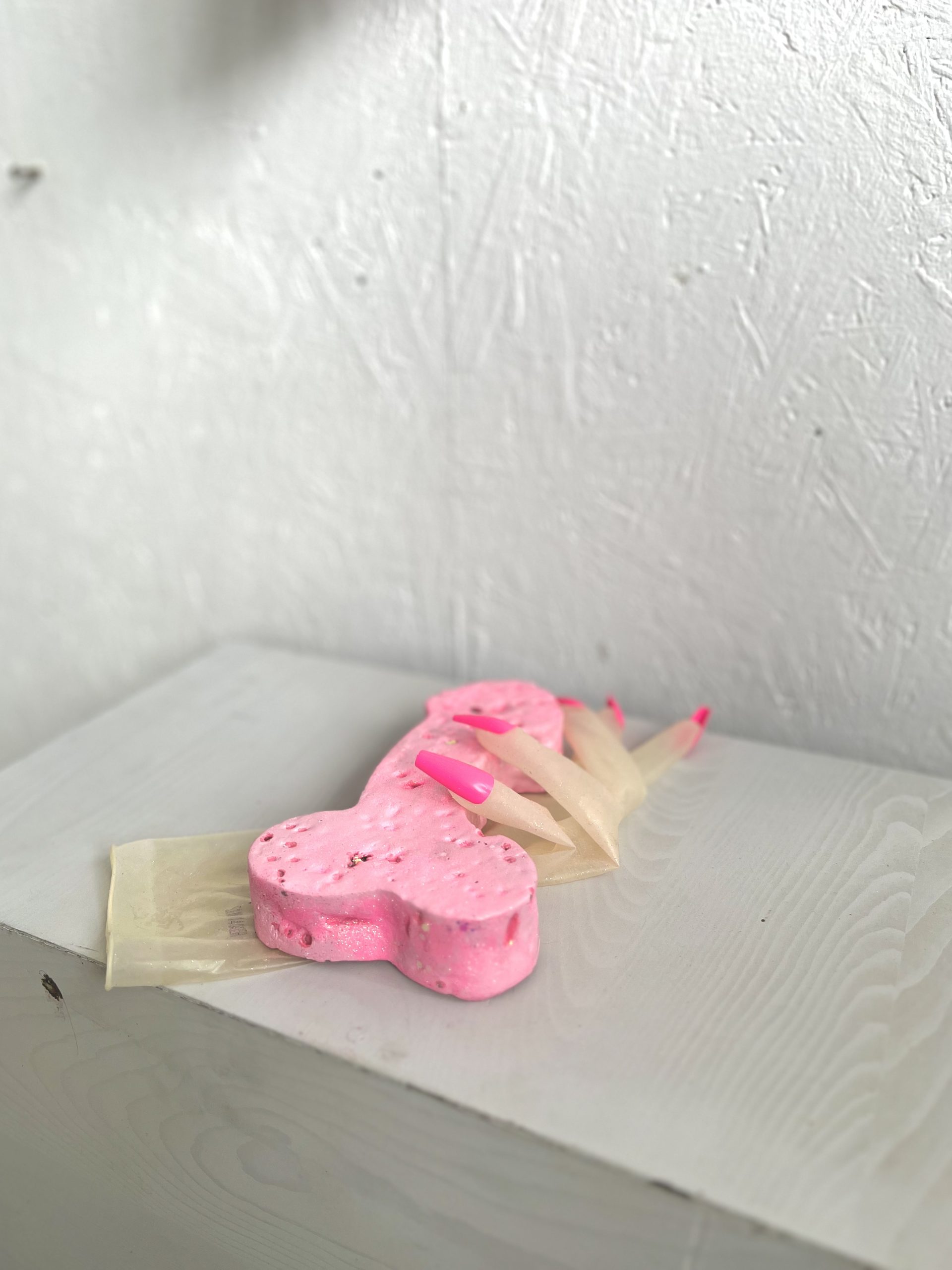
You graduated from the University of Art and Design in Cluj-Napoca, both BA and MA. To what extent did your academic experience influence your artistic evolution and the development of your own language?
A.G.: My experience at the University of Art and Design in Cluj-Napoca was essential for the development of my artistic practice. For me, the faculty did not function as a framework imposing a direction, but as a space in which I had to assume my choices, clarify them, and defend them.
The academic environment pushed me to critically analyze what I do: why I work in a certain way, what meanings my forms carry, and how they position themselves within a broader artistic and cultural context. This process was not always comfortable, but it was decisive in transforming sensitivity into a coherent practice.
Over the years, I learned from professors, colleagues, and technicians (Teofil Gecan and Dorin Man—without their help, many works would not have come to life), and the studio became a constant space of dialogue and confrontation. A particularly important role was played by Vlad Berte, my supervisor for both my BA and MA. Beyond guidance, what mattered most was that he understood the direction of my work even in moments when I could not yet articulate it clearly myself. This form of support gave me the confidence to develop a personal language without forcing or simplifying it.
The faculty helped me understand that artistic practice is not only expression, but also positioning. My language was shaped in the tension between vulnerability and rigor, between personal experience and awareness of the context in which it exists. Looking back, I can say that the academic experience was important not for the certainties it provided, but for the ability to work with doubt and transform it into a tool for artistic clarification.
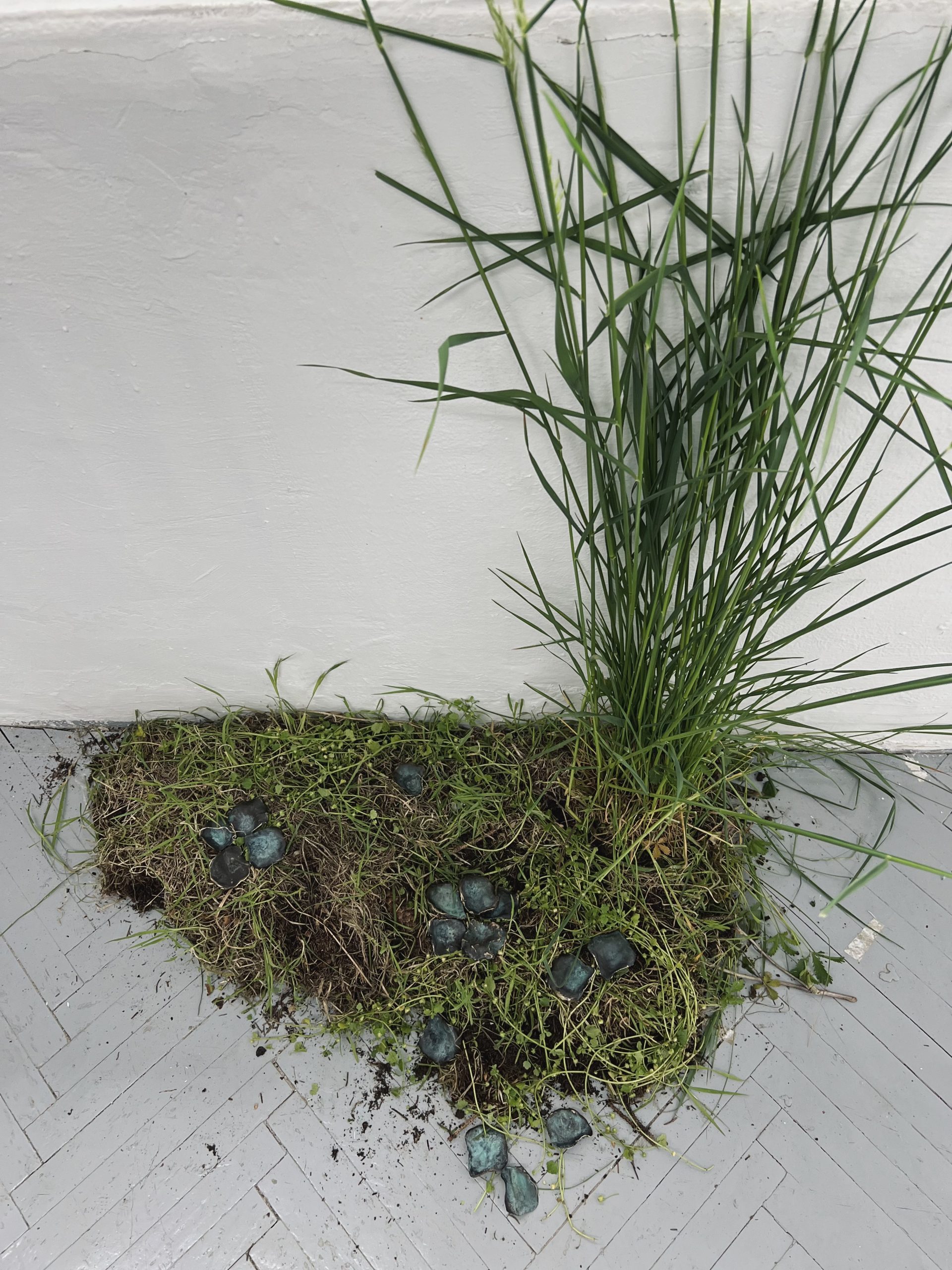
Tell us about your artistic practice. What is the most important thing in your work and what topics are relevant to you today?
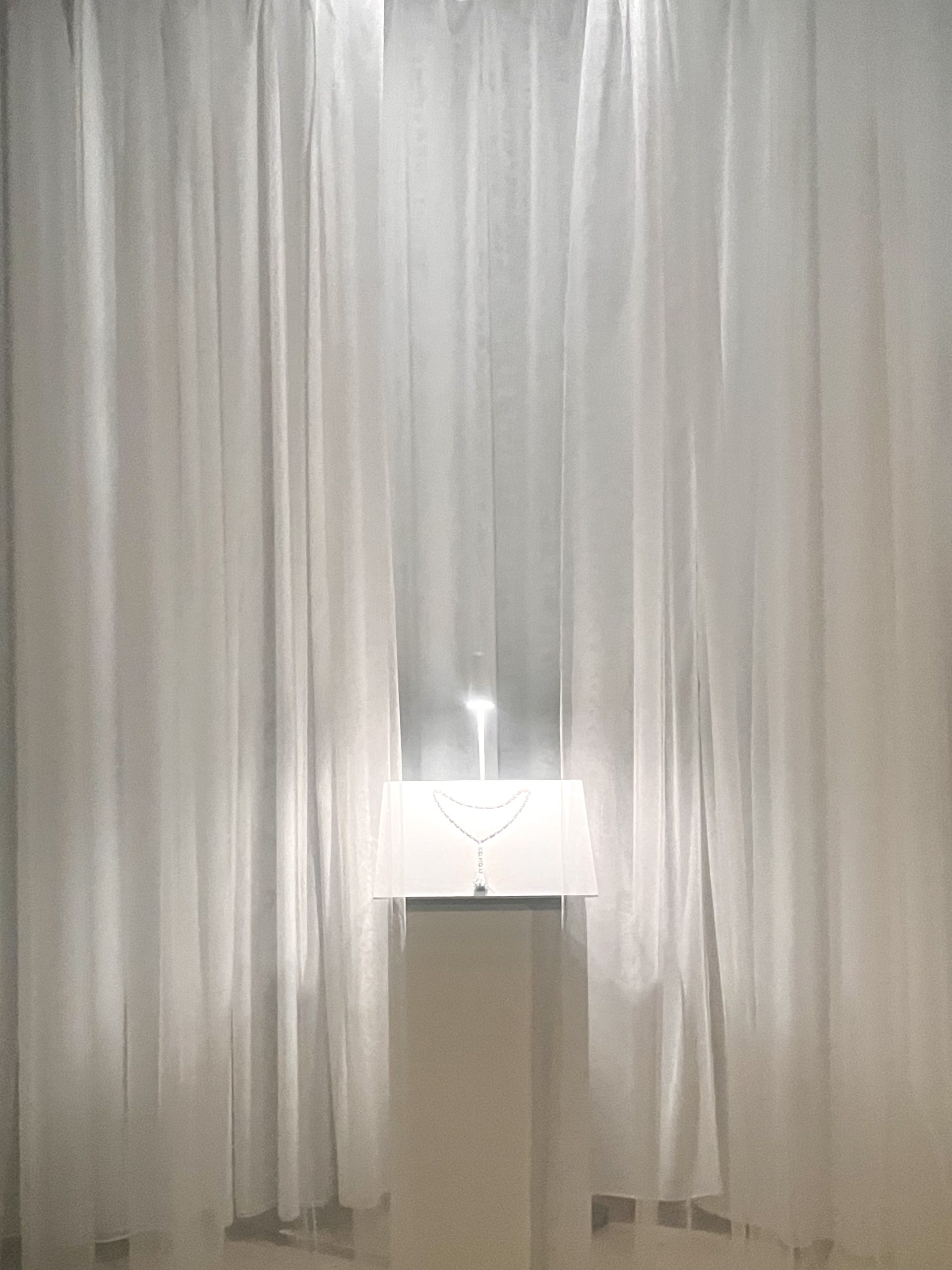
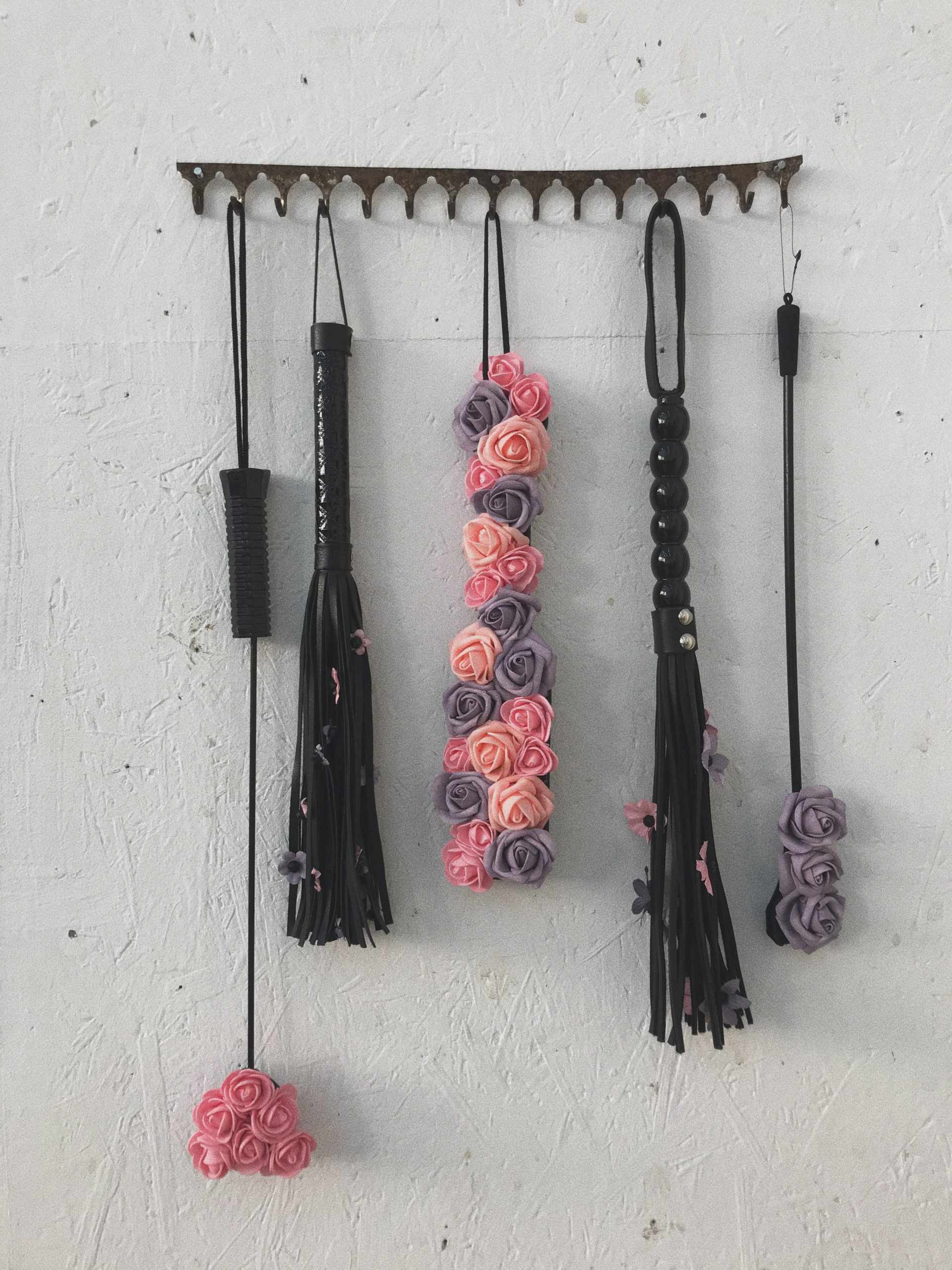
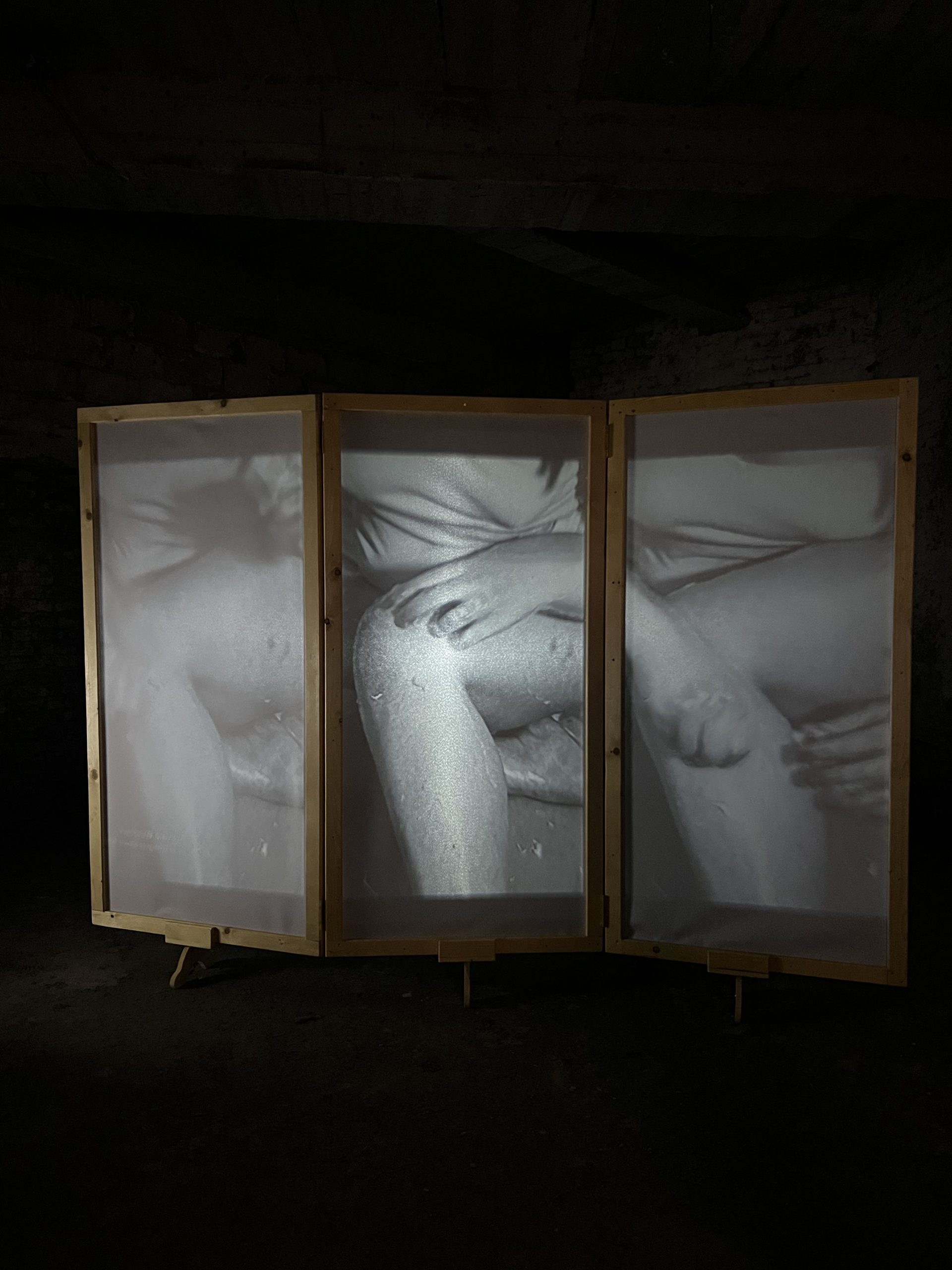
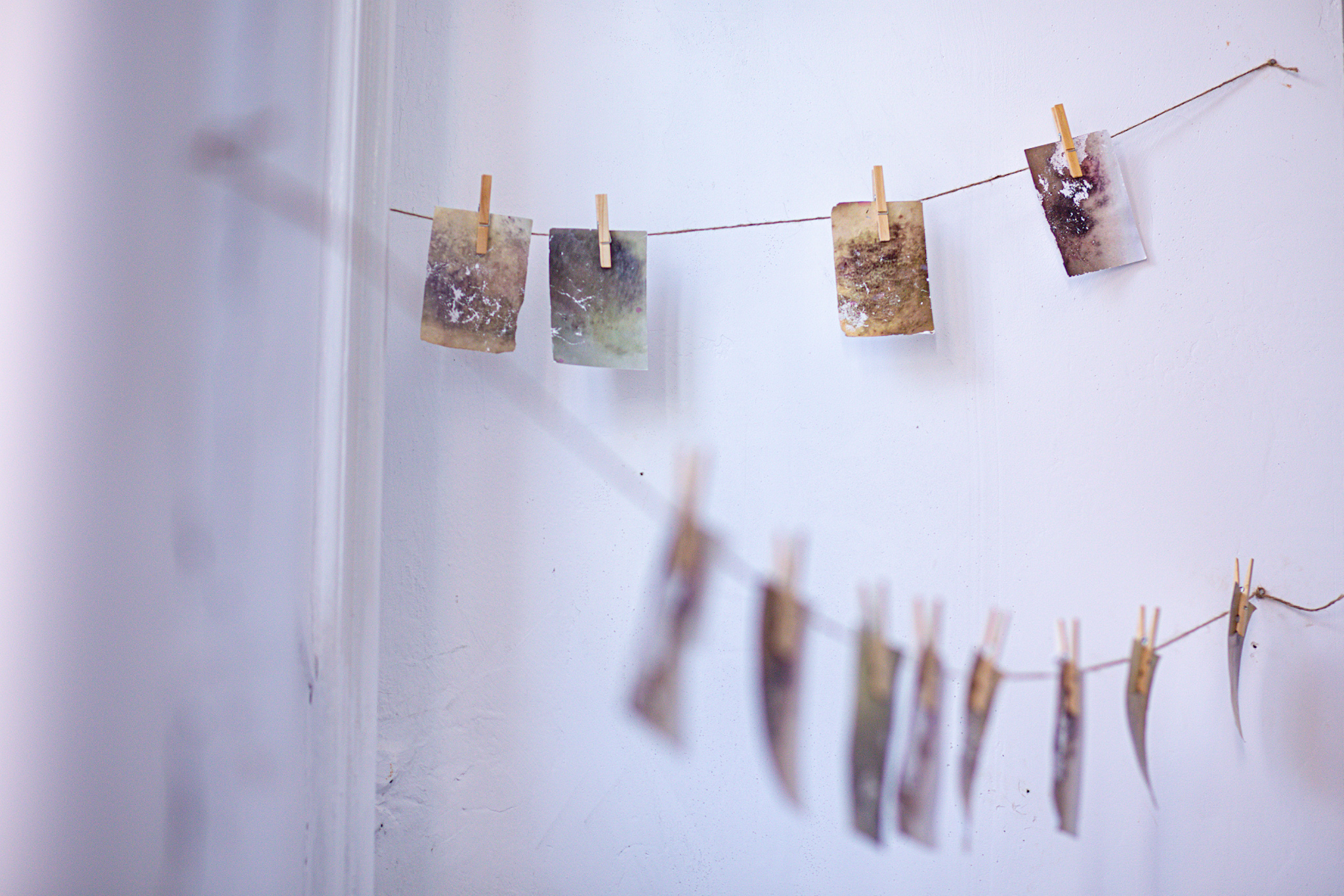
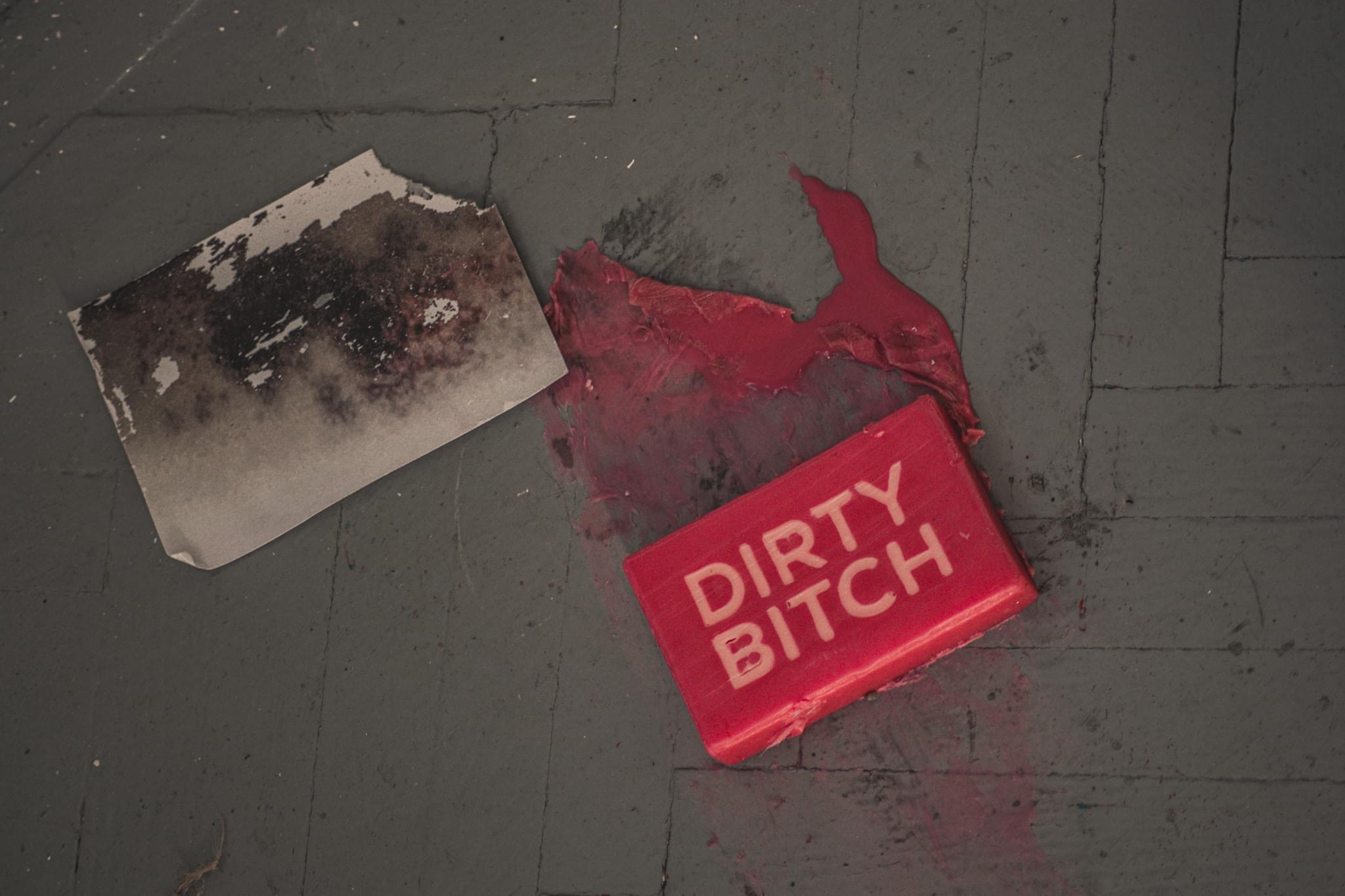
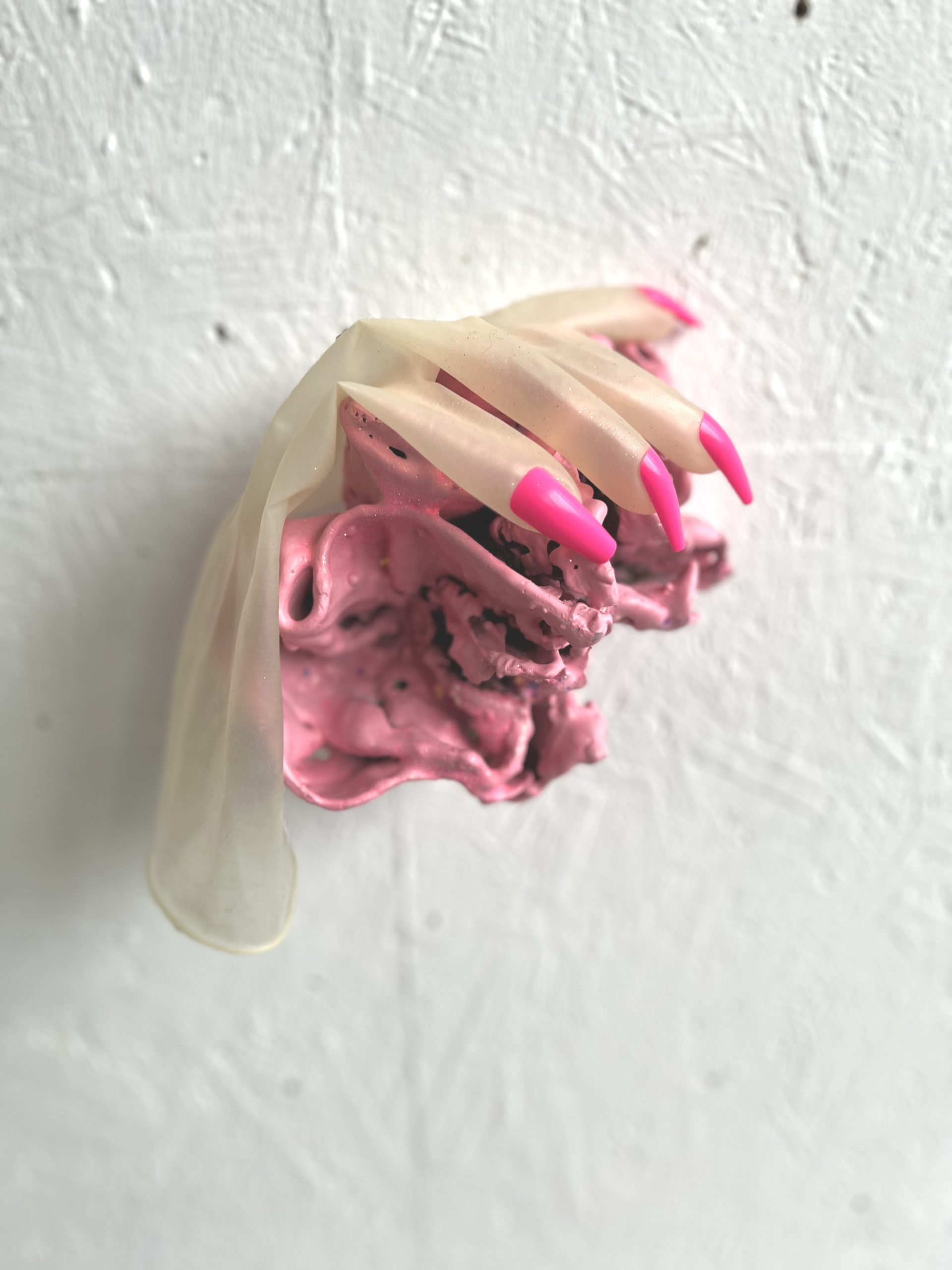
A.G.: My artistic practice explores the relationship between the body, the gaze, and the cultural construction of femininity. I primarily work with sculpture and installation, and I am interested in how vulnerability and authority coexist and influence one another.
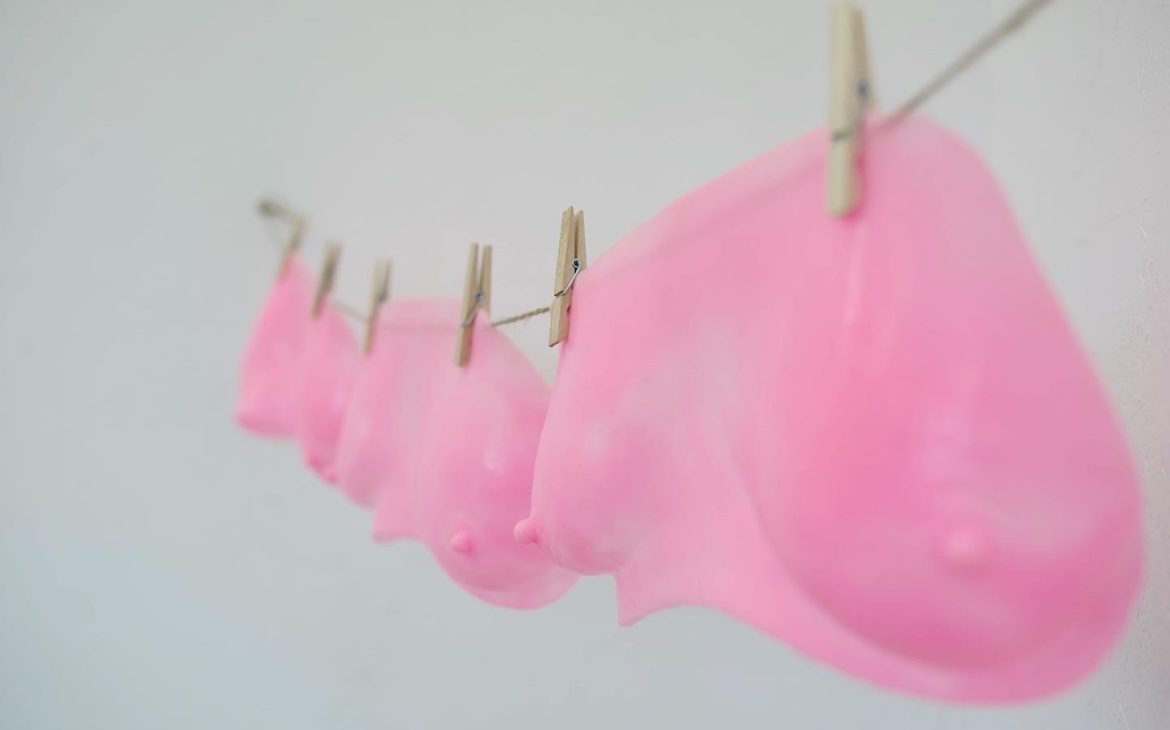
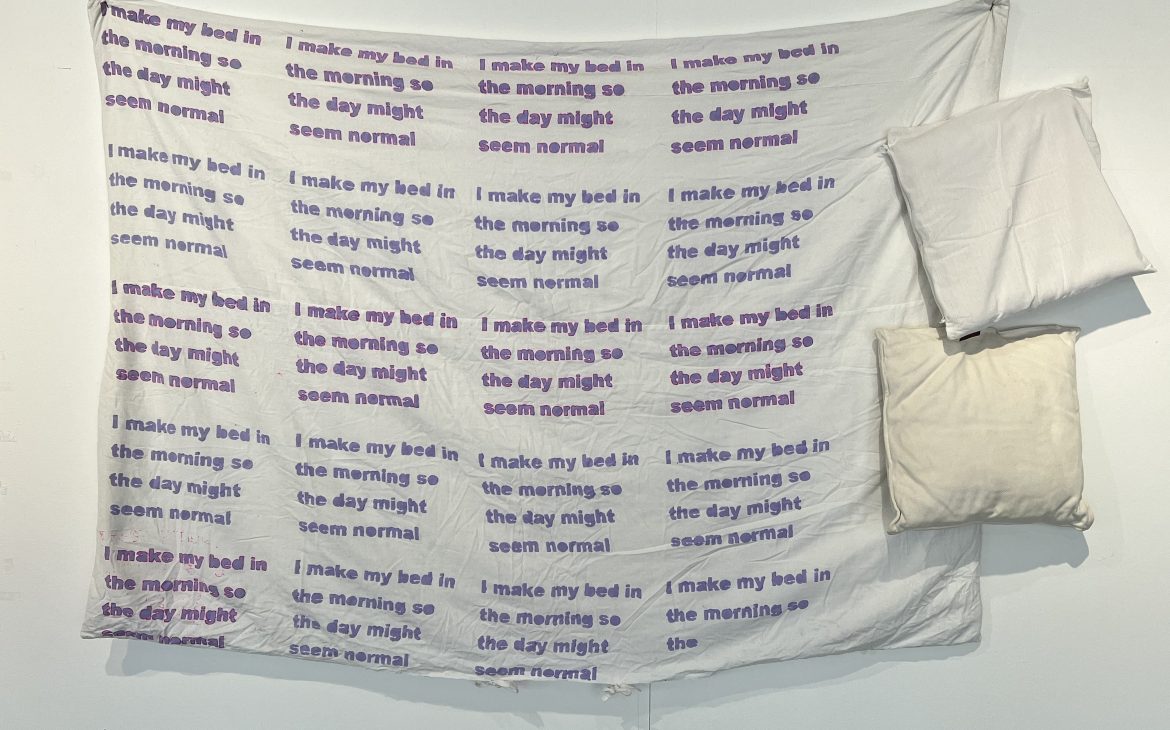
I often start from personal experiences, but my approach goes beyond the autobiographical. I am concerned with how shame, sexuality, and the need for protection are shaped by social norms and collective expectations. The body thus becomes a space of negotiation, a place where intimate identity and external pressure meet.
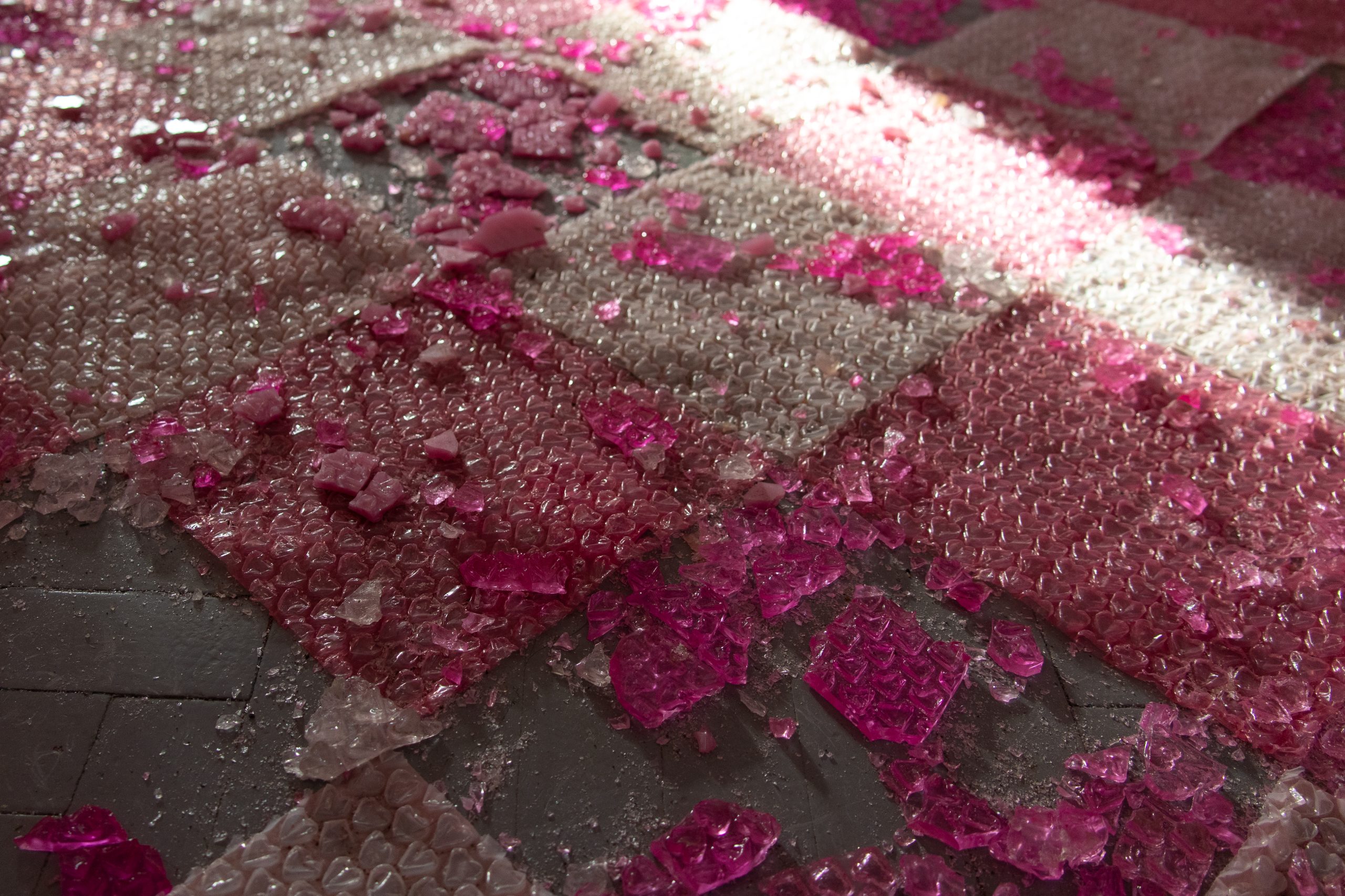
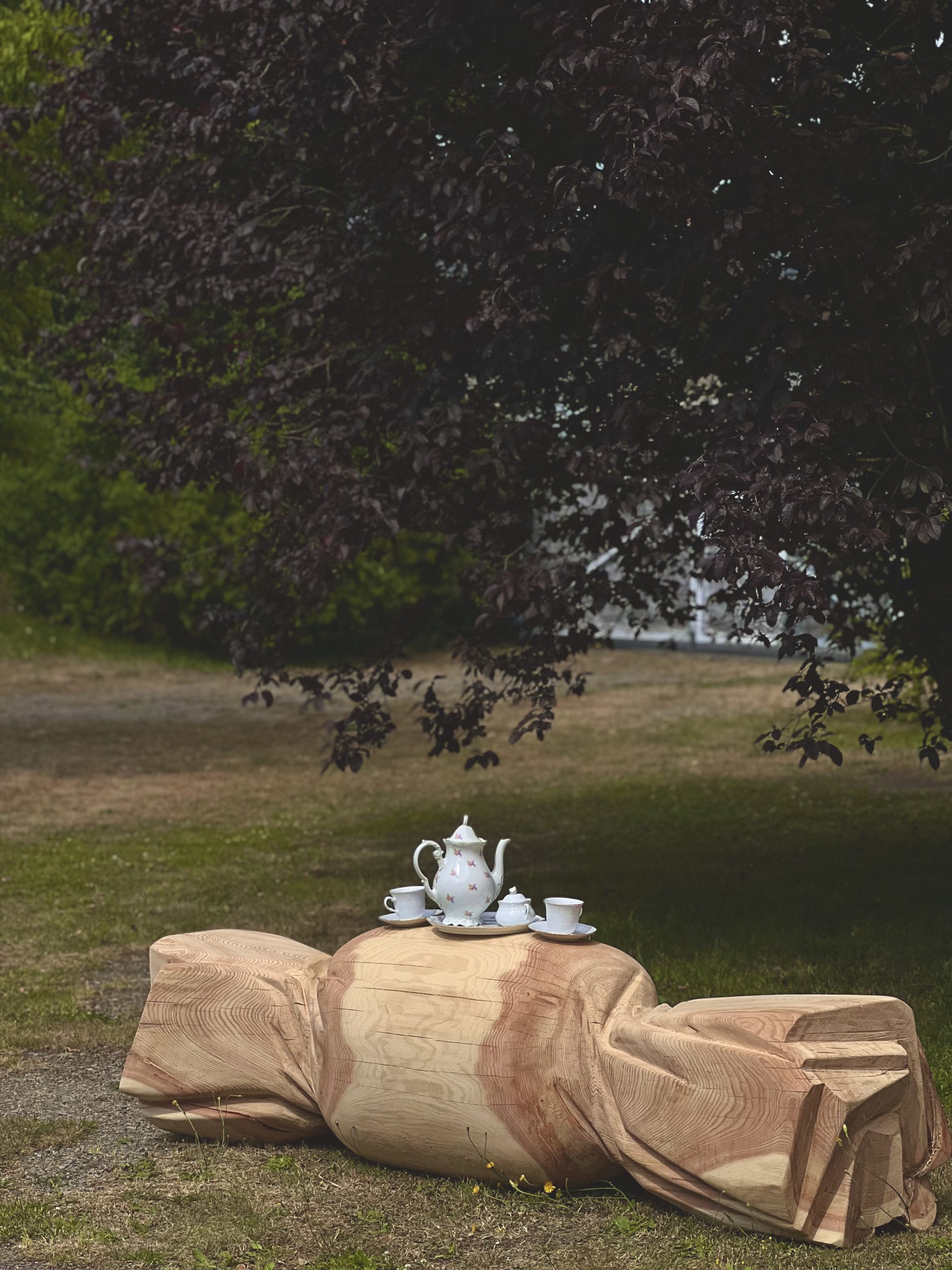
Formally, I frequently use materials and visual registers associated with delicacy or fragility. This choice is strategic: it creates a contrast between appearance and the conceptual weight of the work. I aim to construct situations in which the viewer is visually attracted, but then confronted with a tension that compels them to reflect.
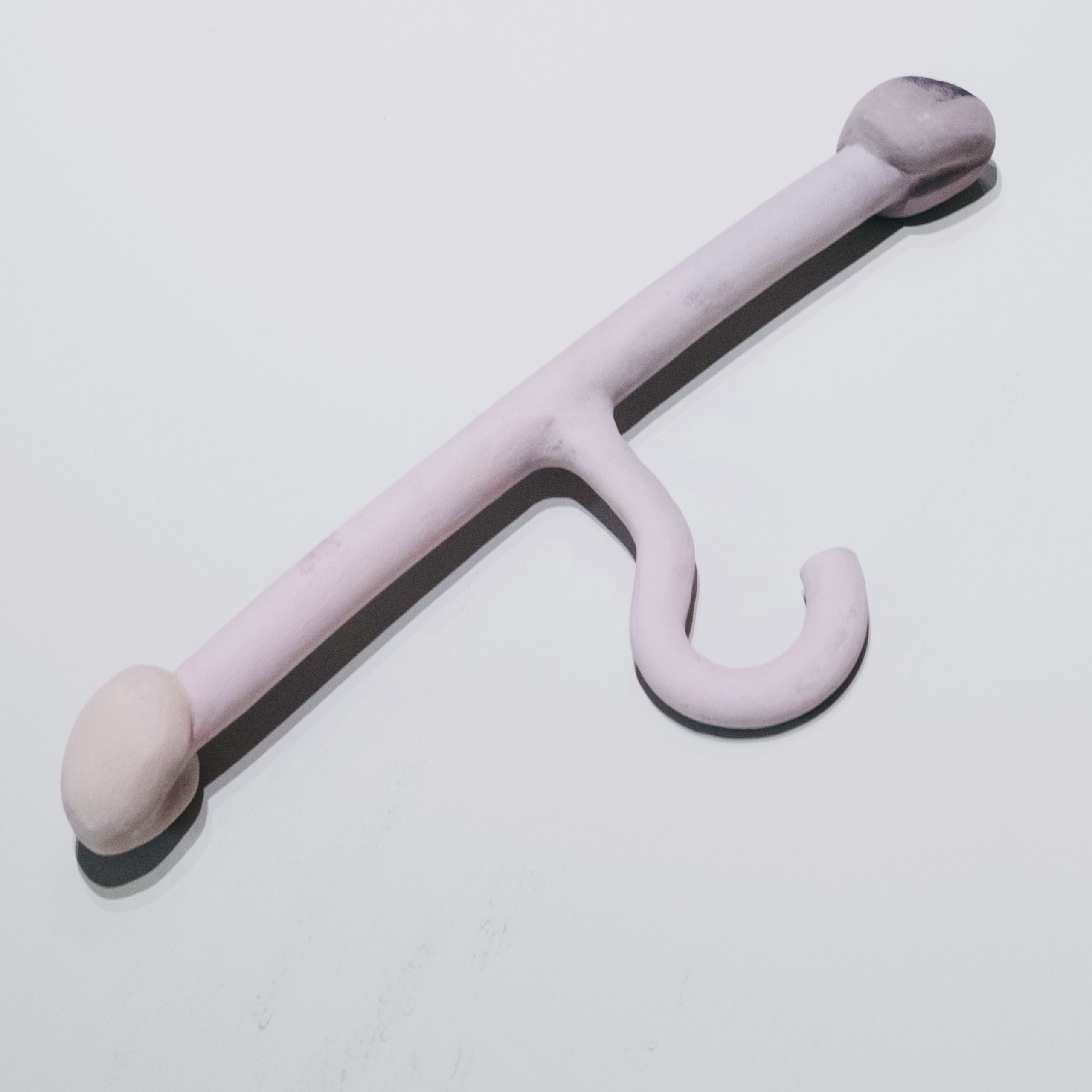
An important aspect of my practice is the recontextualization of symbols associated with power. By placing them in intimate or vulnerable contexts, I destabilize them and turn them into objects of analysis. I am not interested in shock, but in a form of critical lucidity.
Today, I am interested in how fragility can become an assumed position and how art can create spaces where the mechanisms of identity construction become visible. What takes precedence in my work is this careful investigation of the tensions between body, power, and gaze.
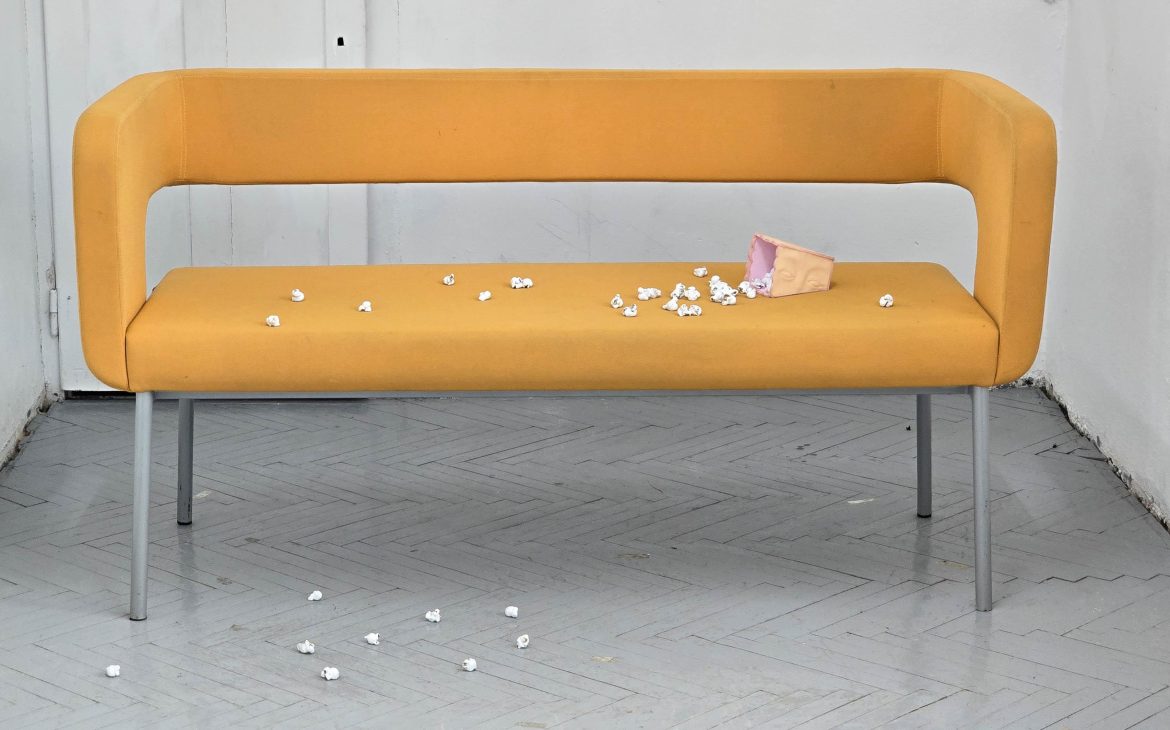
How important is it for you to convey a message through your art?
A.G.: For me, art does not function as a vehicle for direct messages or closed conclusions. I do not start from the idea that I must convey something clearly and unambiguously. Rather, I am interested in creating a situation in which certain tensions become visible and can be felt.
I believe that works which “say” too clearly what they mean risk closing the dialogue. I want the opposite: to open a space for reflection. If there is a message, it is not imposed, but constructed in the relationship between the work and the viewer. Each person brings their own experiences, sensitivities, and limits into that dialogue.
At the same time, I do not believe in neutral art. The fact that I choose to work with themes such as vulnerability, shame, or the relationship between body and gaze is already a form of positioning. I do not feel the need to formulate a slogan, but I take responsibility for the direction I pursue.
For me, art is less about transmitting a message and more about formulating a question. And if the work manages to create a fissure, a hesitation, or a sincere reflection, then I feel it has fulfilled its purpose.
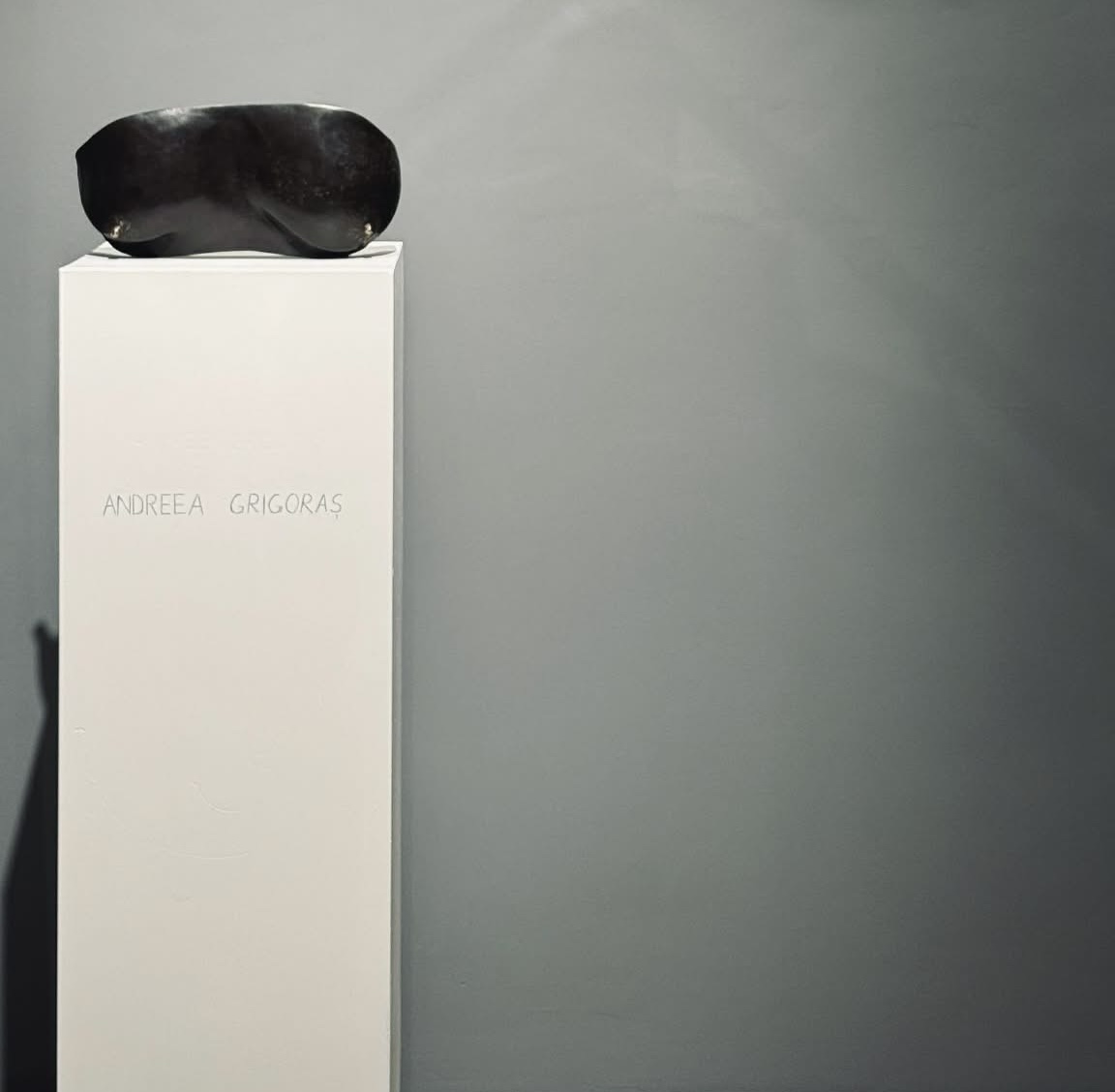
The work “When I Grow Up” brought you to the attention of both art professionals and the art-loving public. In this piece, you recontextualize the phallic symbol in a playful yet critical way. What is the story behind this work, and how was it received by the public, as well as by those close to you — your parents?
A.G.: The work “When I Grow Up” emerged from a reflection on the idea of growing up and on the moment when childhood begins to confront the rules and structures of the adult world. The question in the title seems simple, almost naive, but it conceals a tension: what does it actually mean to become “grown up”? At what point does someone gain legitimacy, authority, or the freedom to take their place in the world? I was interested in this transition between innocence and awareness, between play and responsibility.
The installation is constructed as a space reminiscent of a playground, but a slightly unsettling one, where familiar symbols begin to shift their meaning. At its center appears the phallic symbol — a sign historically associated with power and dominance. In this work, it is removed from its solemn position and placed in a playful register. This shift in context makes it appear both recognizable and fragile. The swinging motion introduces a simple yet suggestive image: power is not fixed — it moves, it is negotiated, lost, and regained.
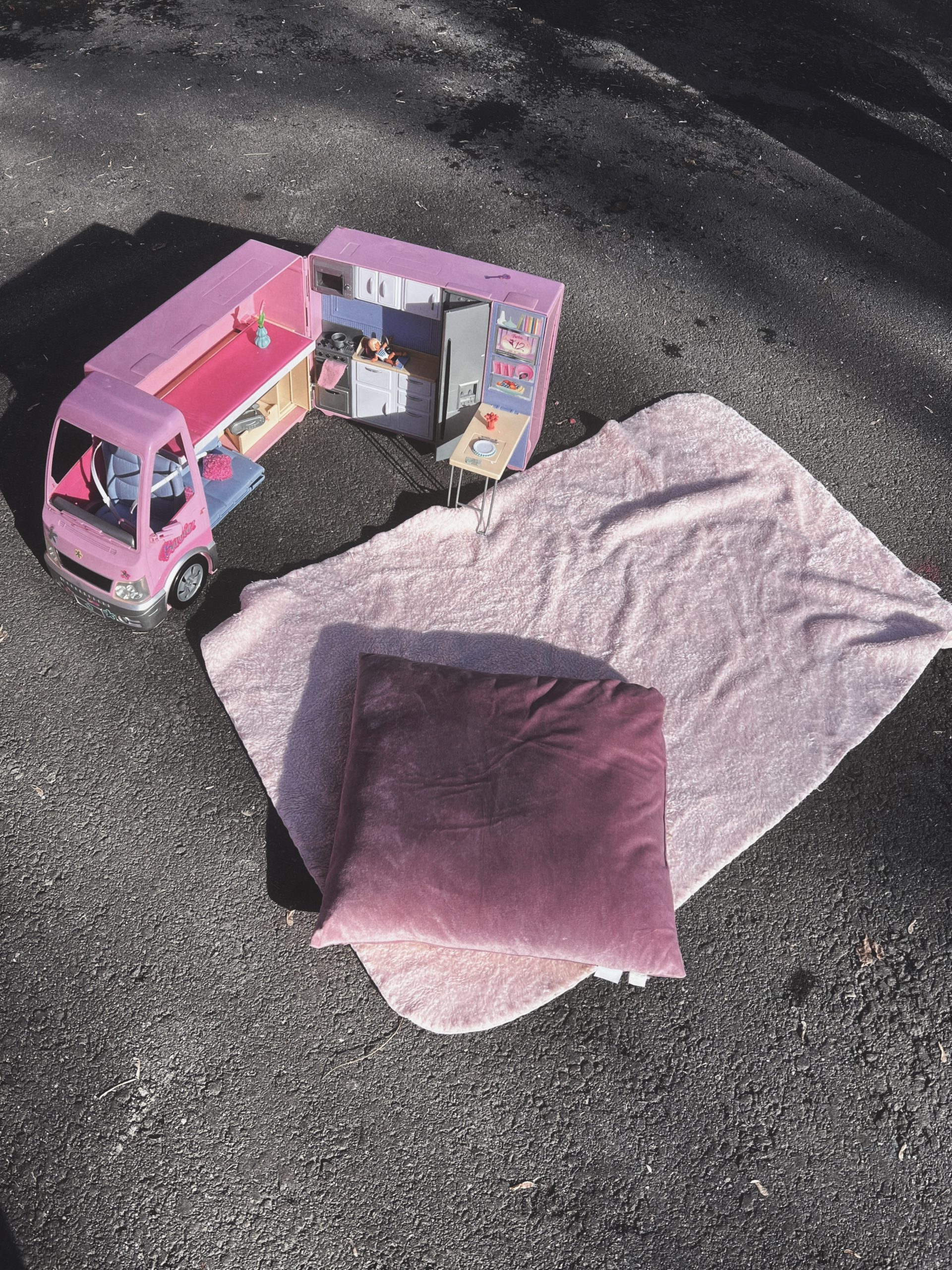
Behind this space of play is also the figure of a young girl observing the adult world with a critical curiosity. Childhood becomes here a vantage point from which rules can be seen differently. I am interested in this gaze that can ask uncomfortable questions and that does not automatically accept the structures adults take for granted. In this sense, the work also speaks about how girls grow up within a context shaped by norms and taboos related to the body, shame, and sexuality.
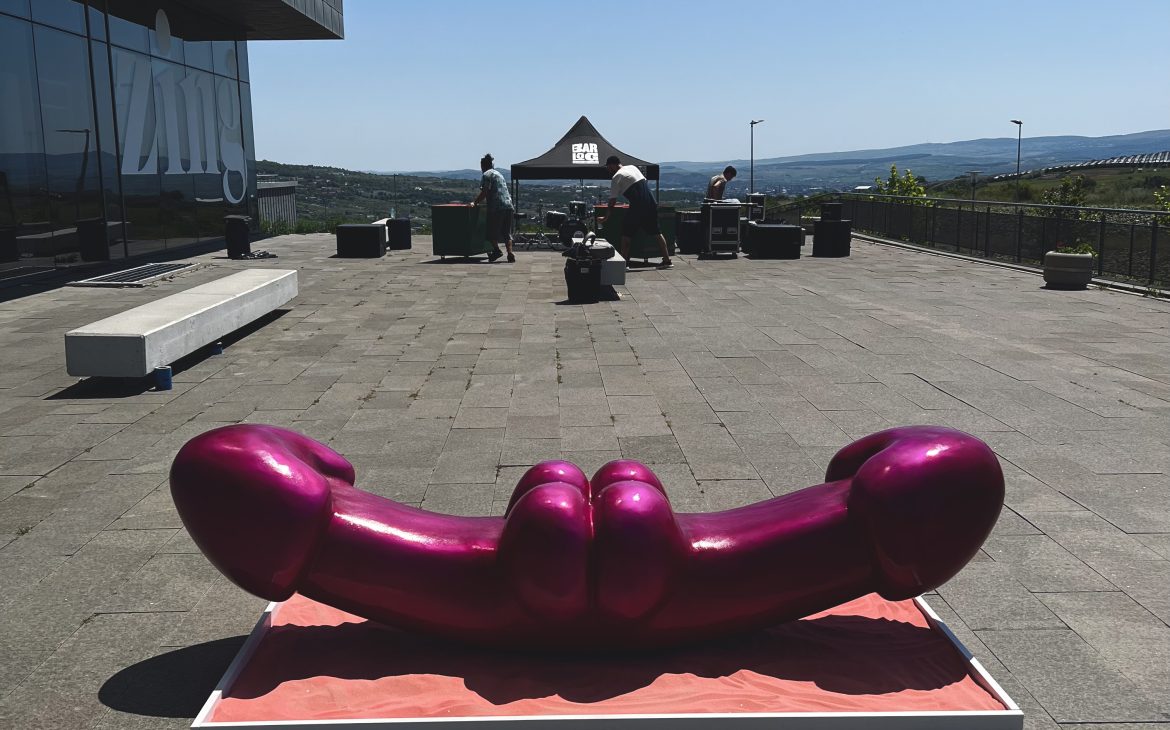
Public reactions were very different. Some immediately entered the playful atmosphere of the work and perceived the irony behind it, while others were surprised or even unsettled by the presence of the phallic symbol. I like to observe audience reactions from a certain distance, in order to see their genuine responses, uninfluenced by the presence of the artist. For example, at the graduate exhibition, I noticed a man who kicked the work. At the other extreme, there were people of all ages who got on the swing and took photos. For me, this ambivalence is important, because it shows how powerful this symbol remains in our collective imagination.
On a personal level, the reactions were initially more reserved. Although it was not the first time I used the phallic symbol in my work, my mother initially told me she found it shameful and did not understand why I chose to work with such imagery. Over time, however, through conversations, she began to see the work beyond that instinctive reaction and to understand that it is not about vulgarity, but about a reflection on how symbols of power function.
For me, the fact that the work generated both public interest and conversations, as well as collaborations, is significant. It means that it opens a space for reflection in which the symbols we consider stable can be viewed from a different perspective. And it is precisely this area — between play, vulnerability, and critique — that I am interested in working within.
At present, what is your biggest challenge as an artist?
A.G.: At the moment, one of my biggest challenges is the financial aspect. Like many artists at the beginning of their careers, I have had to maintain a full-time job in order to support myself, and this sometimes creates a real tension between work and artistic practice. It can be quite difficult to find a balance between a work schedule, time in the studio, and the energy needed to develop new projects.
Artistic practice also requires resources: materials, workspace, production costs. All of these demand constant investment, and when time and resources are limited, the process becomes slower than one would wish. Sometimes it feels like a kind of vicious circle: you work in order to sustain yourself, but that reduces the time you can dedicate to art.
That said, I try to see this situation as a form of discipline as well. Having to juggle work and art forces me to be very attentive to the time I have and to the projects I choose to pursue. Of course, I sometimes think I might have progressed faster if I had more time dedicated exclusively to my practice, but at the same time, this experience strengthens my determination to continue and to gradually build a stable artistic trajectory.
What are your expectations from the art scene? What do you think is the responsibility of cultural institutions — including galleries and collectors — towards the new generation of artists?
A.G.: I believe the art scene has the responsibility to create an environment in which young artists can exist and develop without the constant pressure to immediately prove success or relevance. At the beginning of their careers, artists need not only visibility, but also time and trust to build their own language. From this perspective, cultural institutions and galleries play an essential role in creating contexts where emerging artistic practices can be supported and understood.
It is important that these institutions function not only as exhibition spaces, but also as spaces for dialogue and critical support. Curators, galleries, and institutions can contribute significantly to the development of young artists through residency programs, mentorship, or projects that provide time for research and experimentation. For many emerging artists, the opportunity to work within such a framework can make a real difference.
At the same time, I think the art scene should be more attentive to the material realities of artistic practice. Many young artists are forced to juggle work and art in order to sustain themselves financially, and this directly affects the time and resources they can dedicate to their work. For this reason, grants, fees, institutionally supported production, or acquisitions by collectors can have a very concrete impact.
As for collectors, their role is important not only through acquisitions, but also through their ability to support artistic trajectories in development. When collectors choose to invest in young artists, they contribute to the consolidation of a more vibrant and dynamic art scene.
In general, I believe the responsibility of the art scene is to remain open and attentive to new voices. A healthy art scene is one in which there is space for experimentation, for diverse practices, and for artists who are still searching for their direction. It is precisely this diversity that keeps the scene relevant and in constant transformation.
What would you change in the local artistic ecosystem to make it more sustainable and perhaps more open?
A.G.: I think one important change would be greater transparency and accessibility within the artistic ecosystem. For someone at the beginning of their journey, the art scene can sometimes feel quite opaque: it is not always clear how certain opportunities arise, how collaborations function, or how works circulate between institutions, galleries, and collectors. A more open environment, in which these mechanisms are more visible and accessible, could make the art scene more inclusive.
At the same time, I believe a stronger culture of collaboration would be important. Artists often work in relative isolation, and the connections between artists, curators, institutions, and other creative fields could be much more active. Collective projects, interdisciplinary collaborations, or artist-led initiatives can generate very fertile contexts and bring new energy into the art scene.
Another thing I would like to see is more curiosity toward artistic processes, not just the final result. Often, the public only sees the exhibition or the finished work, while the process behind it remains invisible. If the art scene created more contexts in which this process could be shared—through open studios, discussions, meetings with artists — I believe the relationship between the public and art would become closer.
Ultimately, a sustainable artistic ecosystem is not defined only by resources or infrastructure, but also by how the people within it choose to collaborate, to share, and to remain open to one another.
Who would you like to collaborate with?
A.G.: I would like to have the opportunity to collaborate with galleries, curators, or institutions abroad, especially in order to see how my artistic practice is received in a different cultural context. Sometimes, when works are taken out of the environment in which they were created, they acquire new meanings or are read from different perspectives, and I find this very valuable for an artist’s development.
I have to admit that, in several situations, I felt that I did not always find the necessary openness here for certain directions or themes that I explore. For this reason, the idea of working in an international context appeals to me, as it could offer a broader framework for dialogue and a different perspective on my work.
I am particularly interested in collaborations that arise through artist residencies or curatorial projects where there is a genuine interest in the artistic process and in research. I believe such contexts can be very important for an artist, as they provide not only visibility, but also the opportunity to engage with other practices, ideas, and ways of seeing art.
How do you see the future?
A.G.: I try to see the future more as a natural continuation of the research I have already begun, rather than as a very rigid plan.Recently, I have been busy preparing a group exhibition, “Brain Bloom”, at /SAC Malmaison.
During this period, I am also trying to stay active in terms of professional opportunities. It is a time with many open calls, so I set aside part of my time to apply to as many as possible. I consider these contexts important not only for visibility, but also for testing my work in different environments and for connecting with new spaces and collaborators.
In the longer term, I would like to develop more ambitious projects, especially installations that can transform space and create a more complex experience for the viewer. I am drawn to the idea of working on a larger scale. For example, I would like, at some point, to create a monument. At the same time, I would also like to have a solo exhibition.