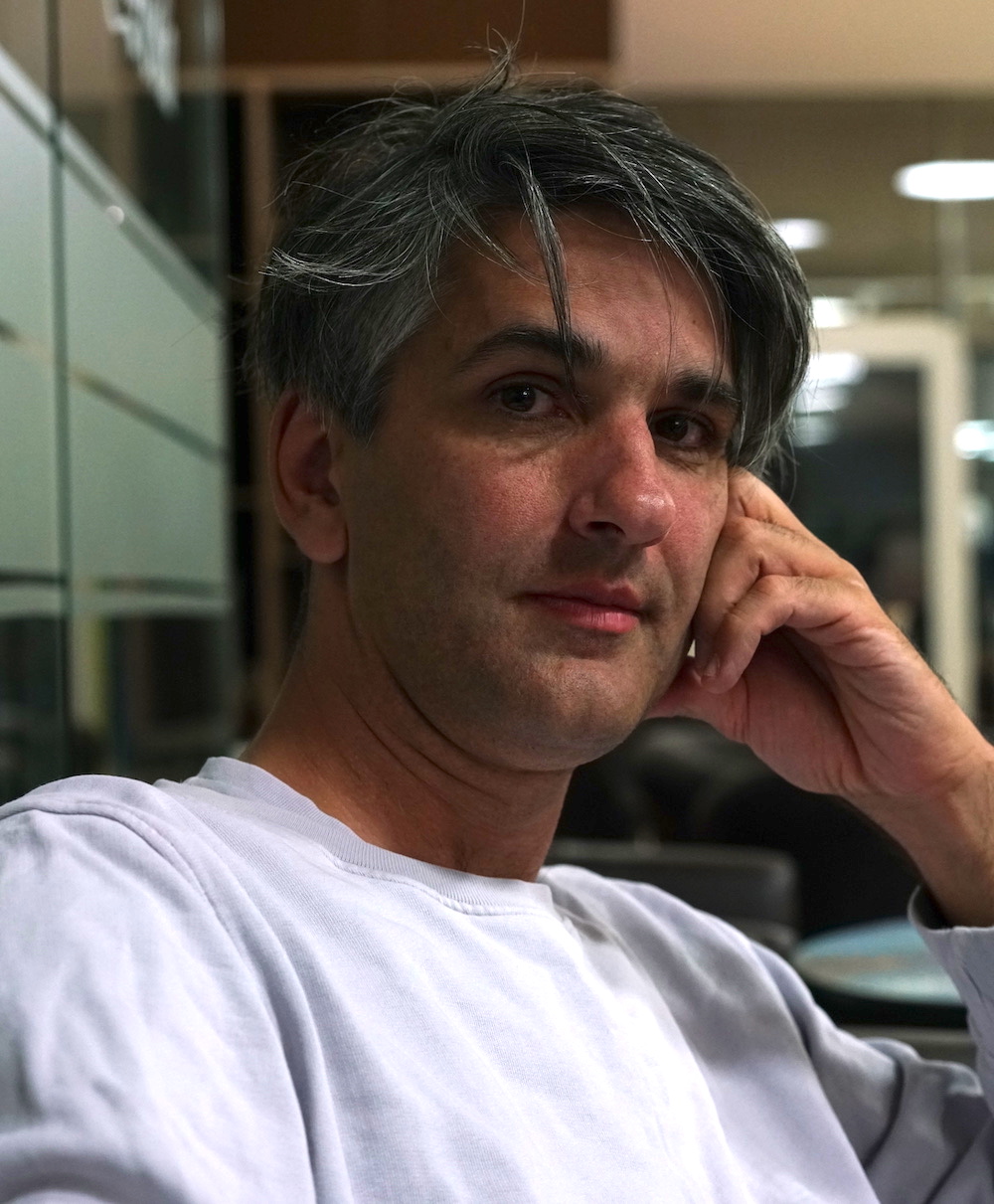
Filip Caranica’s artistic practice investigates sound as an aesthetic phenomenon, but especially as a social, political, and affective medium. In his works, sound becomes an invisible force that mediates the relationship between bodies, spaces, and personal histories, producing forms of resonance that transcend the limits of visual perception. Caranica approaches sonic material not as a mere formal component, but as a critical instrument for interrogating reality — a way of making audible the tensions between identity, memory, and trauma.
In the following conversation, the artist speaks about his intuitive working process, the ways in which his biography as a migrant shapes the themes he explores, and how sound can become a space for reflecting on social and affective interactions. His participation in the exhibition “Breaking The Silence: A Visual Narrative on Emotions Left Unspoken!” marks a symbolic return to Bucharest, his hometown, at a moment of biographical reconnection and exploration of the topic of mental health.
Through this conversation, the portrait that takes shape is of an artist who understands sound as a form of responsibility — an aesthetic gesture that provokes critical thought and opens up the possibility of reconciliation between memory, the body, and space.
Ada Muntean: Your works treat sound not only as an aesthetic phenomenon, but also as a social and political environment. How did you arrive at this approach and how do you structure your creative process when working with sound?
Filip Caranica: I think an important factor that influenced me to develop a critical thinking about sound is composers like Stockhausen or John Cage. After the Second World War, they sought to break away from the tradition of classical music. A feeling of discomfort emerged from the experience that classical music could be used very effectively as a tool of totalitarian propaganda. This prompted composers to reflect on the suggestive nature of sound and to see their artistic practice as a form of social responsibility. Both my visual and sound material are chosen from the perspective of the question of their significance in relation to sound generation and resonance. Beside this, the question of our emotional relationship with the material is always considered. I have an ever-growing collection of audio and visual materials that I find interesting. As soon as I discover combinations that captivate me, I start working with them — often for long periods of time — in a rather intuitive way.
A.M.: You mentioned that you see sound as an invisible interaction between bodies. How does this idea translate into the experience you create for the audience?
F.C.: Yes, that’s right. In my view, sound or noise is a kind of remote control. For example, when a door slams somewhere in the neighborhood and my windows start to vibrate, or when music recorded long ago by people far away is played again and ends up influencing the course of a conversation happening right now in a bar near me.
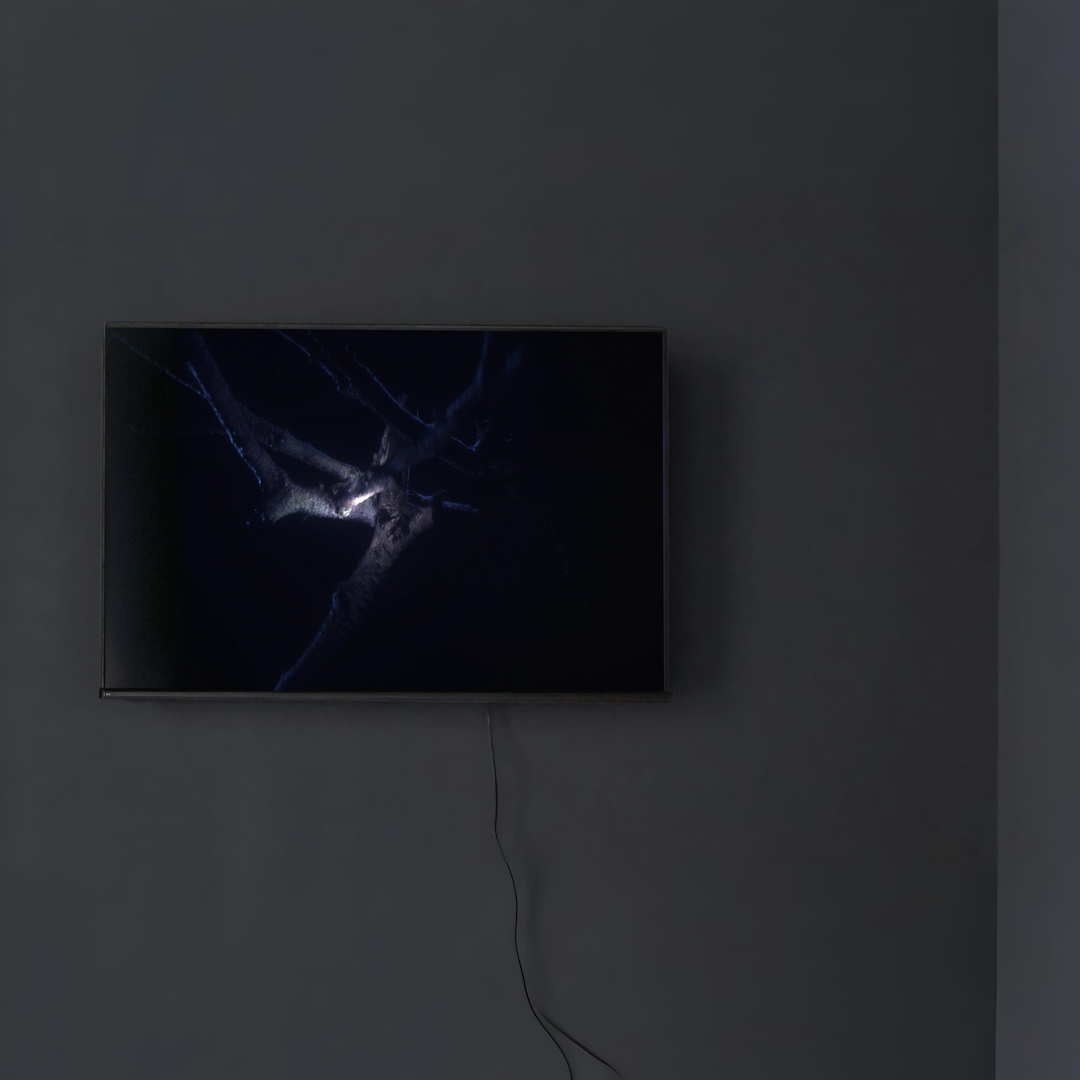
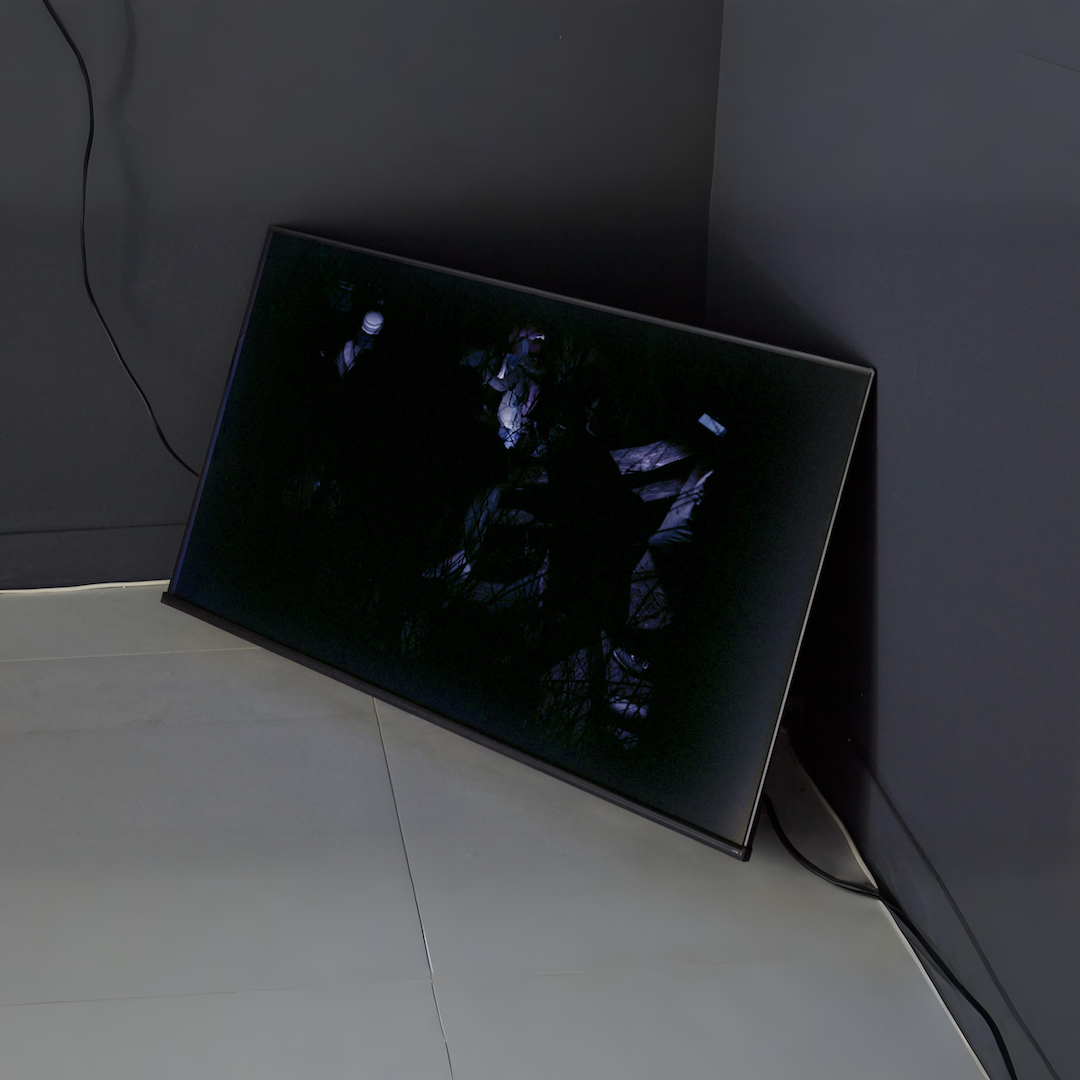
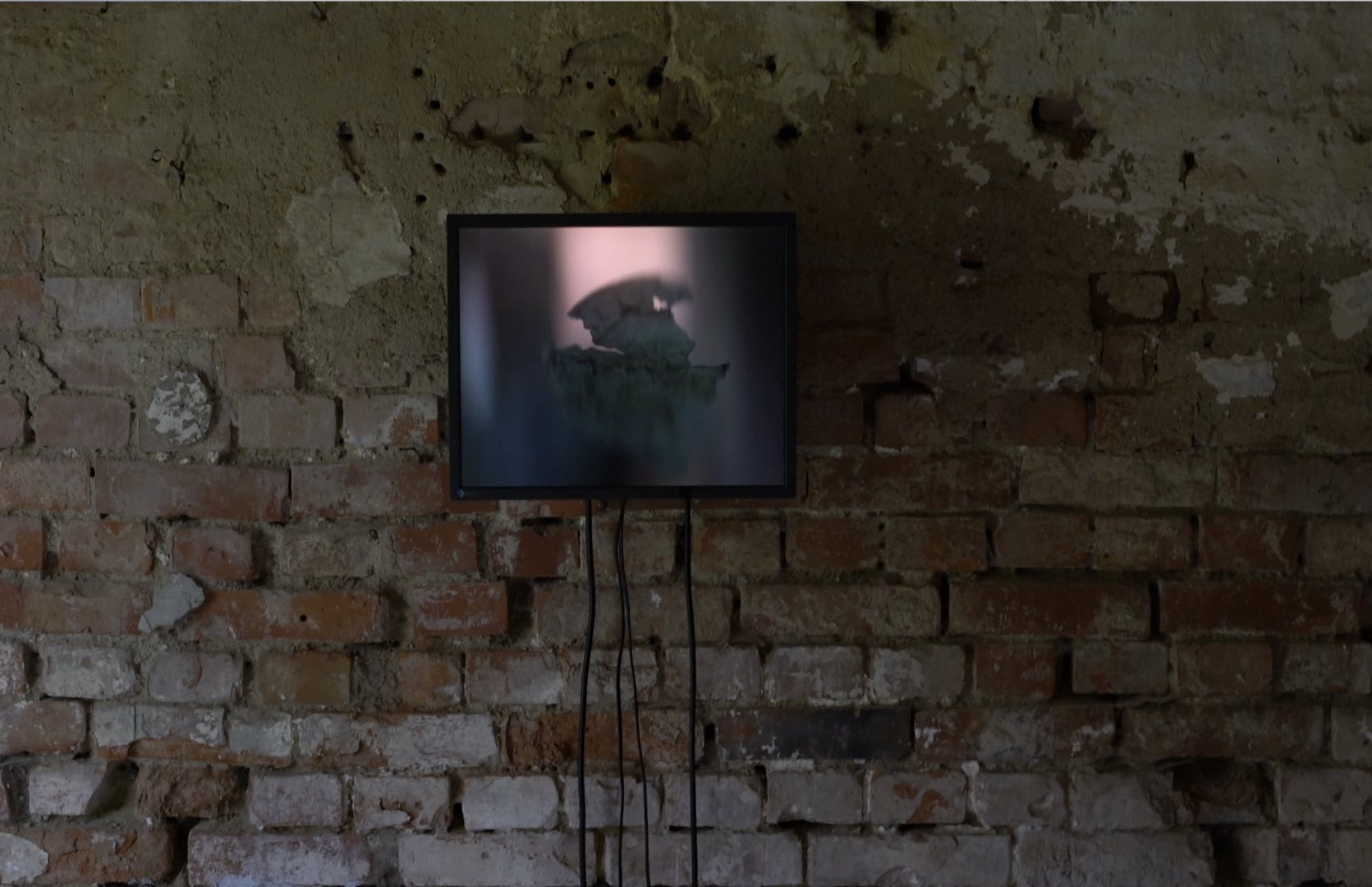
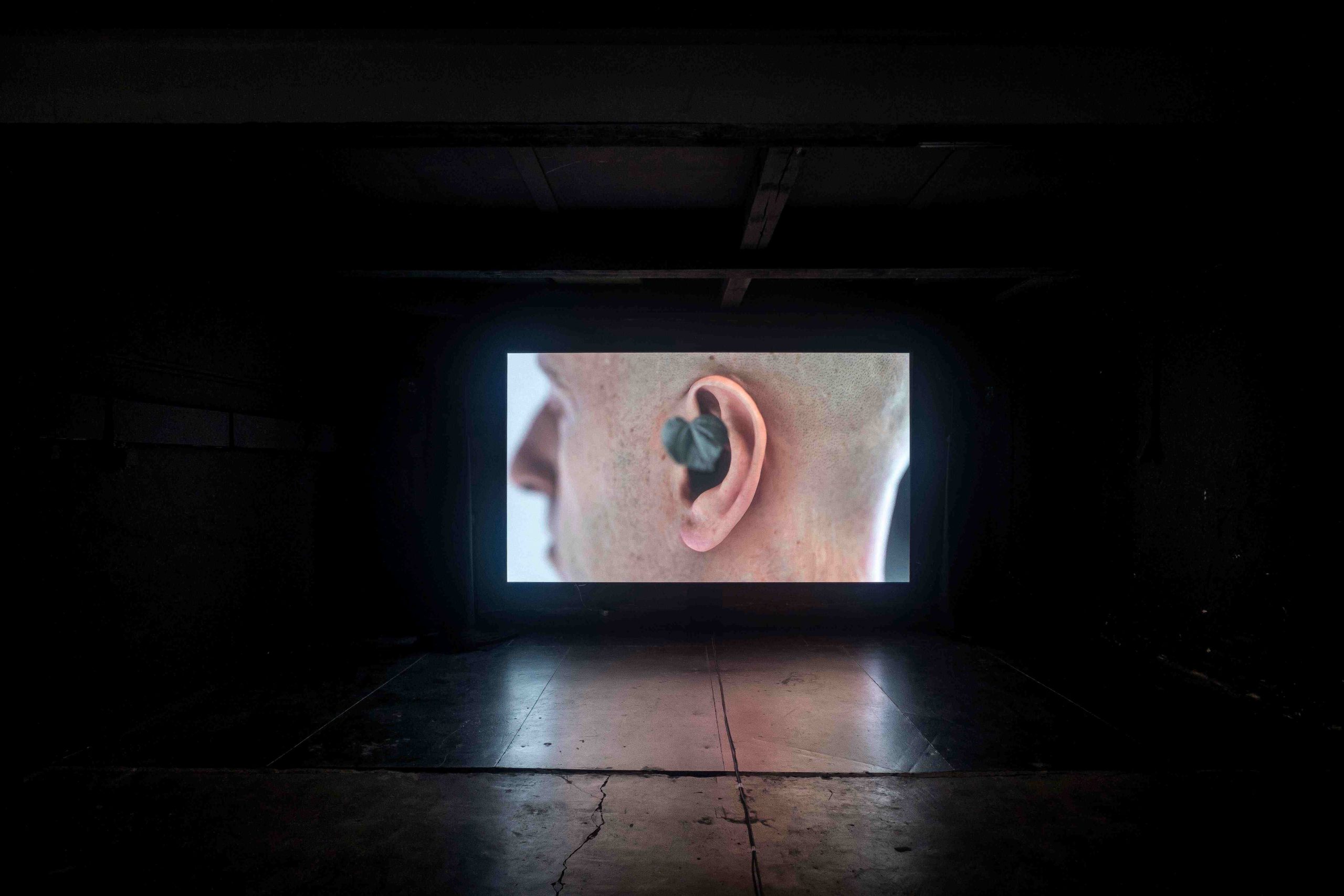
I like working with various forms of connections between image and sound. Precise, faulty, or free synchronizations between the movements of bodies that do not touch. Connections between these movements and sound. Connections between collisions and light, between darkness and background noise, etc. In time-based media, it is wonderfully simple to suggest the existence of invisible, external influences solely through various forms of simultaneity between media layers. In this way, it becomes possible to reflect on how, for instance, our social interactions function and what motivates them.
A.M.: In your work you touch on themes such as national identity and migration. How does your own artistic and personal biography inform the way you approach these topics?
F.C.: As with many other families who had to go through the political and economic unrest of the 20th century, my family’s legacy also carries traces of a trauma. It is well known that trauma can become an obstacle when trying to develop your own identity. Instead of focusing on the possibilities of creating, you end up being preoccupied with precautionary measures. In Germany, where I have lived since I was a child, you are not necessarily encouraged to integrate your migrant reality into the formation of your identity. The more I began to think about these matters — trauma and migration — the more interested I became in the theme of identity. I now realize that since my early works, they were already exploring these subjects — whether through pieces like the sound work G.H.O.S.T. (2014), which investigates the imitation of cultural codes, or through works beginning with 2018, in which sound is presented as an invisible force influencing the state of bodies.
A.M.: You have worked in collective projects and group exhibitions. What does artistic collaboration offer you that you cannot get in solo practice?
F.C.: I think it offers me the opportunity to be frequently reminded, during my working process, that I am a real physical and social being, and that the value of my art is never reflected solely in the works themselves, but also in their temporal, spatial, and social context. Often, this context brings along a series of surprises and broadens the range of criteria by which I judge.
A.M.: How does the concrete space (gallery, performance site, public space) influence the conception of a sound work or installation?
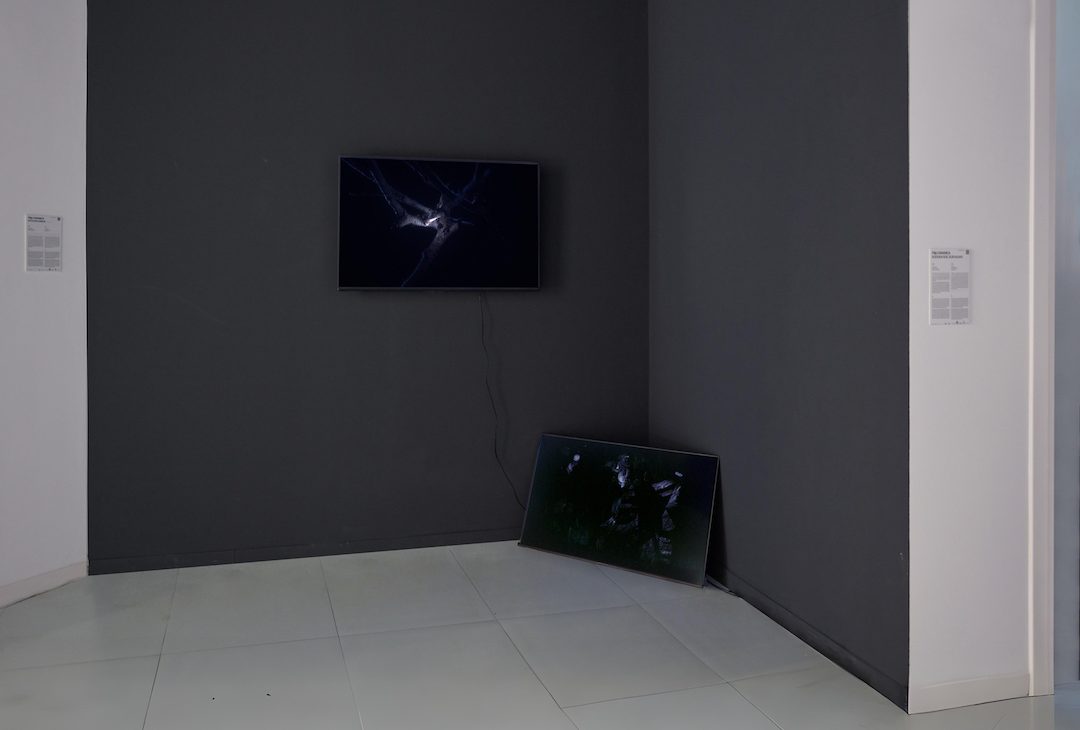
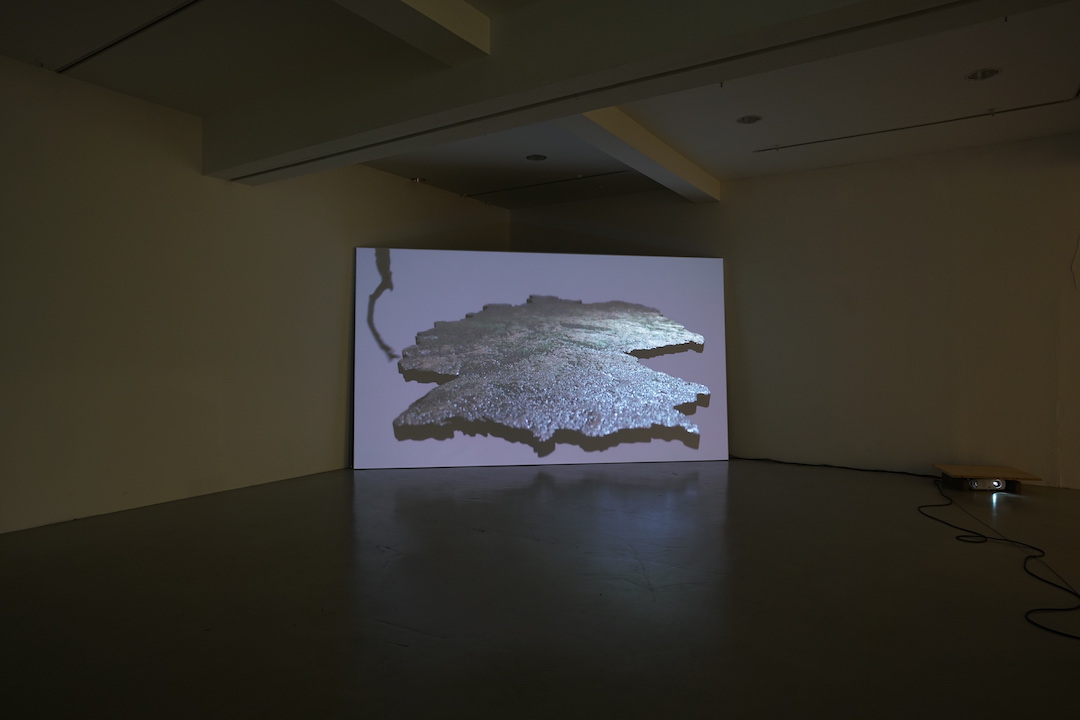
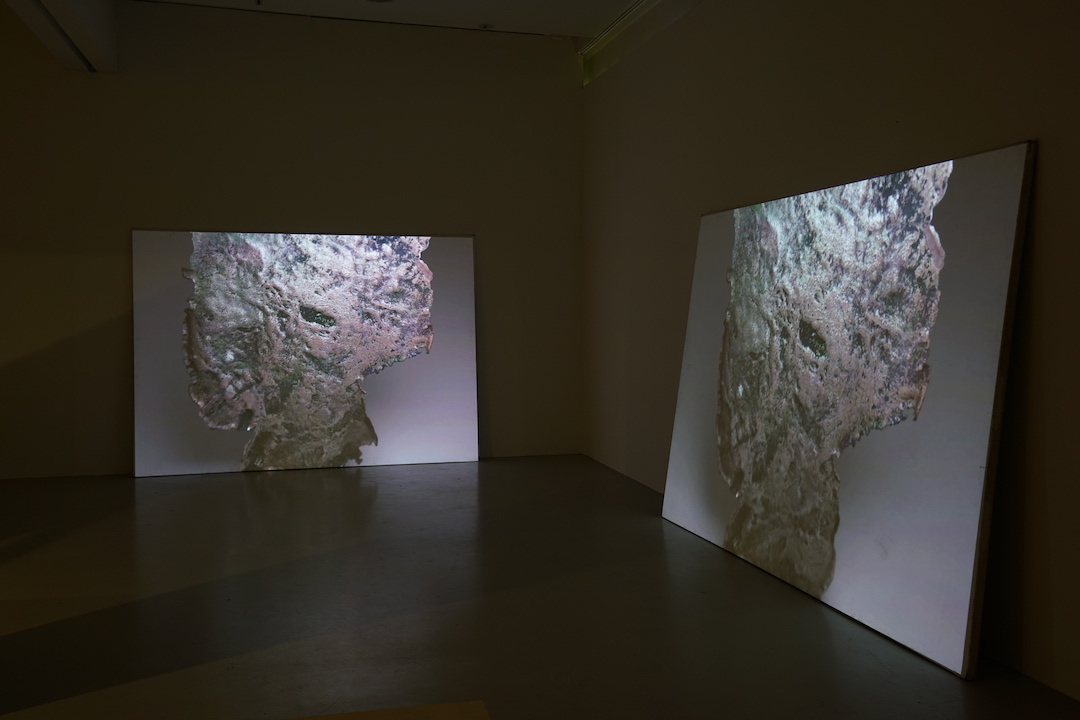
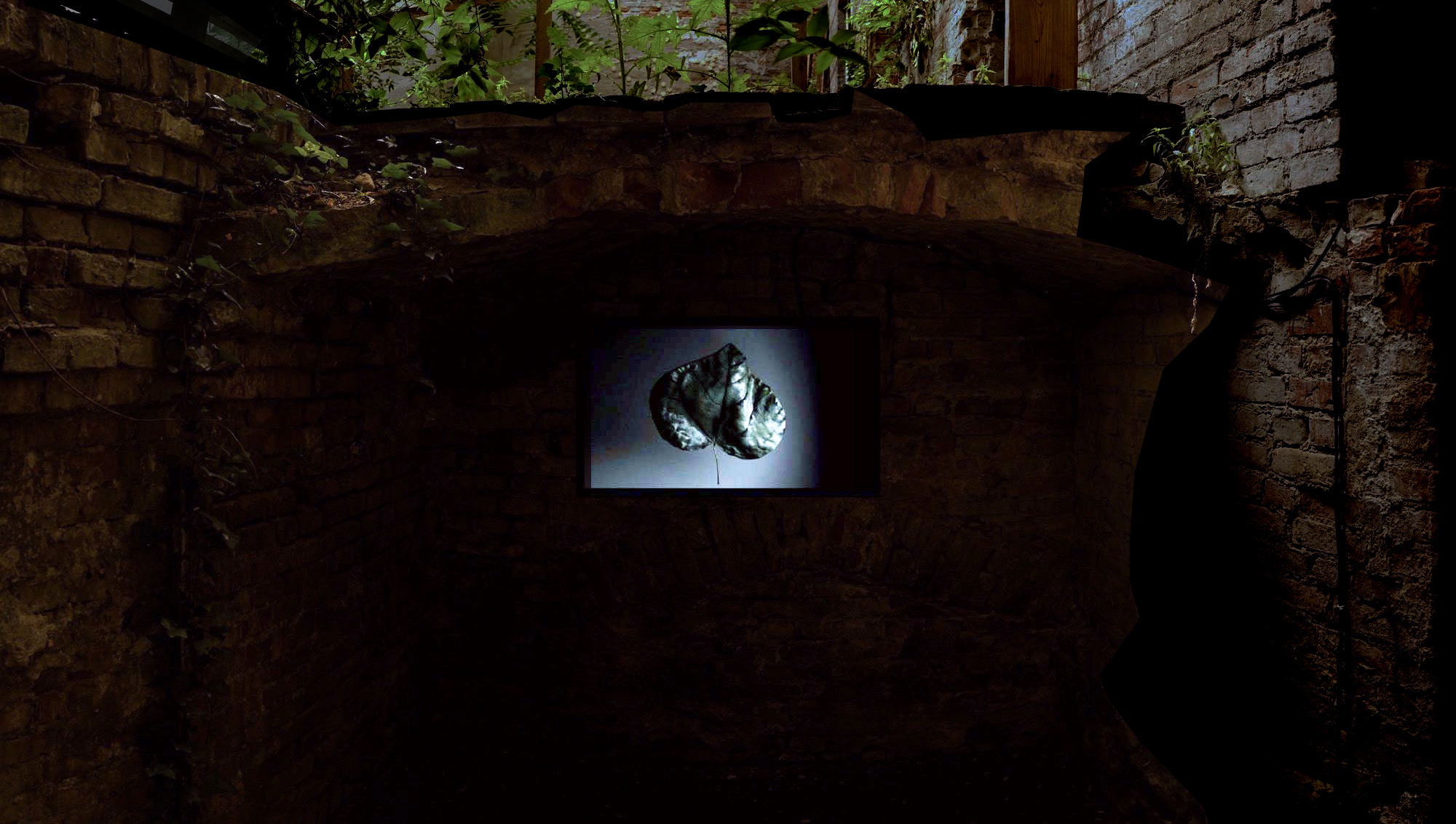
F.C.: I work a lot in relation to the place. Until now, I have often used the space as a kind of camouflage for my works. For example, for the exhibition of my video work “Scherzo For No Hands”, I scanned the exhibition space with a 360° camera, which then became the background for the 3D animation, so that I could render the video content in exactly the same lighting as that of the exhibition place. I also worked with 3D scans of the area surrounding the space. Thus, I feel the work as a whole had quite a suggestive effect. Now, I can very well imagine an opposite strategy. Works that strongly resist adaptation. I think that would be an interesting way to reflect on the theme of identity. Perhaps a good motto for my next work.
A.M.: What are the artistic questions that obsess you now and that you want to explore in future projects?
F.C.: At the moment, I am working on a new series of works that will include sound performances within my installations. There I intend to use my own voice, to collaborate with invited performers, and create a show of sensory overload. Through this, I want to address the theme of the identity oversaturated by stimuli.
A.M.: What attracted you in regards to the concept of the exhibition “Breaking The Silence: A Visual Narrative on Emotions Left Unspoken!” and how did you feel you could integrate a personal project in this context?
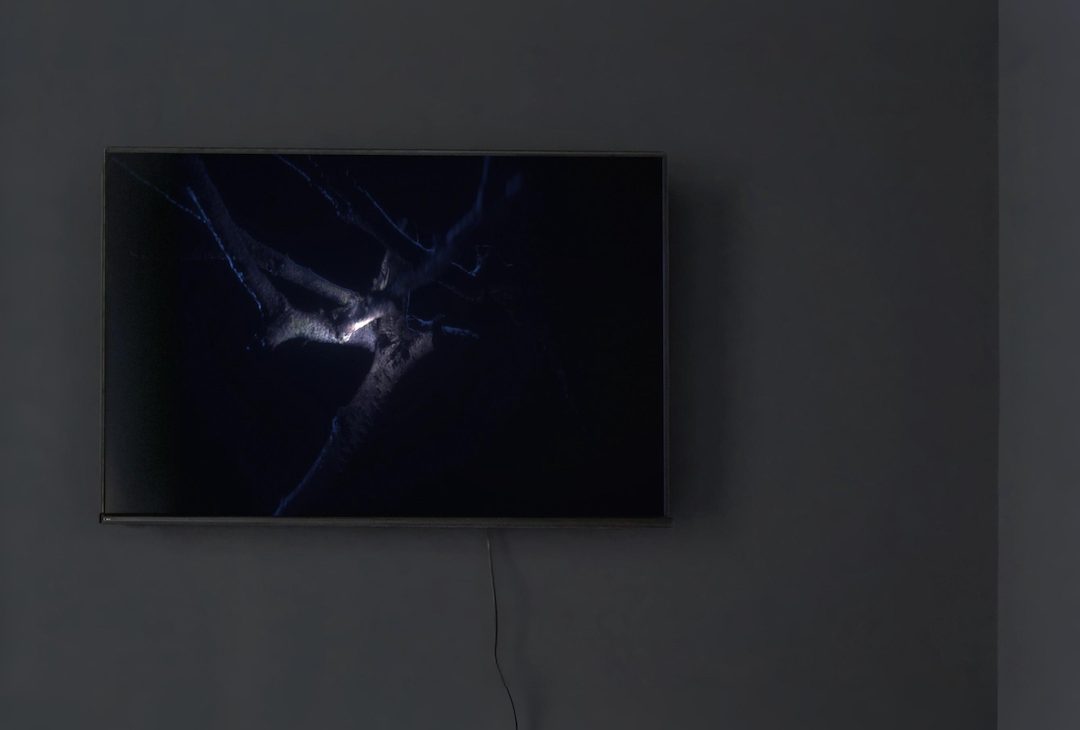
F.C.: Participating in the exhibition “Breaking The Silence: A Visual Narrative on Emotions Left Unspoken” was my first opportunity to exhibit in my hometown, Bucharest — a Bucharest that has profoundly transformed since my birth during the Ceaușescu dictatorship until today. It is a city where I hope people will stop stigmatizing the topic of mental health and will instead see it as a legitimate and ever-present aspect of life. A Bucharest where people are beginning to address related issues such as depression and to offer future generations a healthy foundation.
After my father passed away in 2023 in Bucharest, I went through a period of mourning and biographical reflection. That was when I realized how beneficial it is for me to look more closely at the connection between my work and my biography. It felt like a coincidence to be invited during this time to an exhibition in Bucharest centered on such an important theme as mental health. My participation was a personal opportunity to rethink my relationship with the city of Bucharest. Although for me this city had long been associated with a feeling of being conditioned by external factors, now I was able to experience it as a place where I can be active — and to which I have already been able to contribute a bit. In a way, I managed to bring the city of my late father back into my beloved native city.
A.M.: What were the actual challenges in creating your work for “Breaking The Silence: A Visual Narrative on Emotions Left Unspoken!” — in technical, conceptual or practical terms — and what did you learn from them?
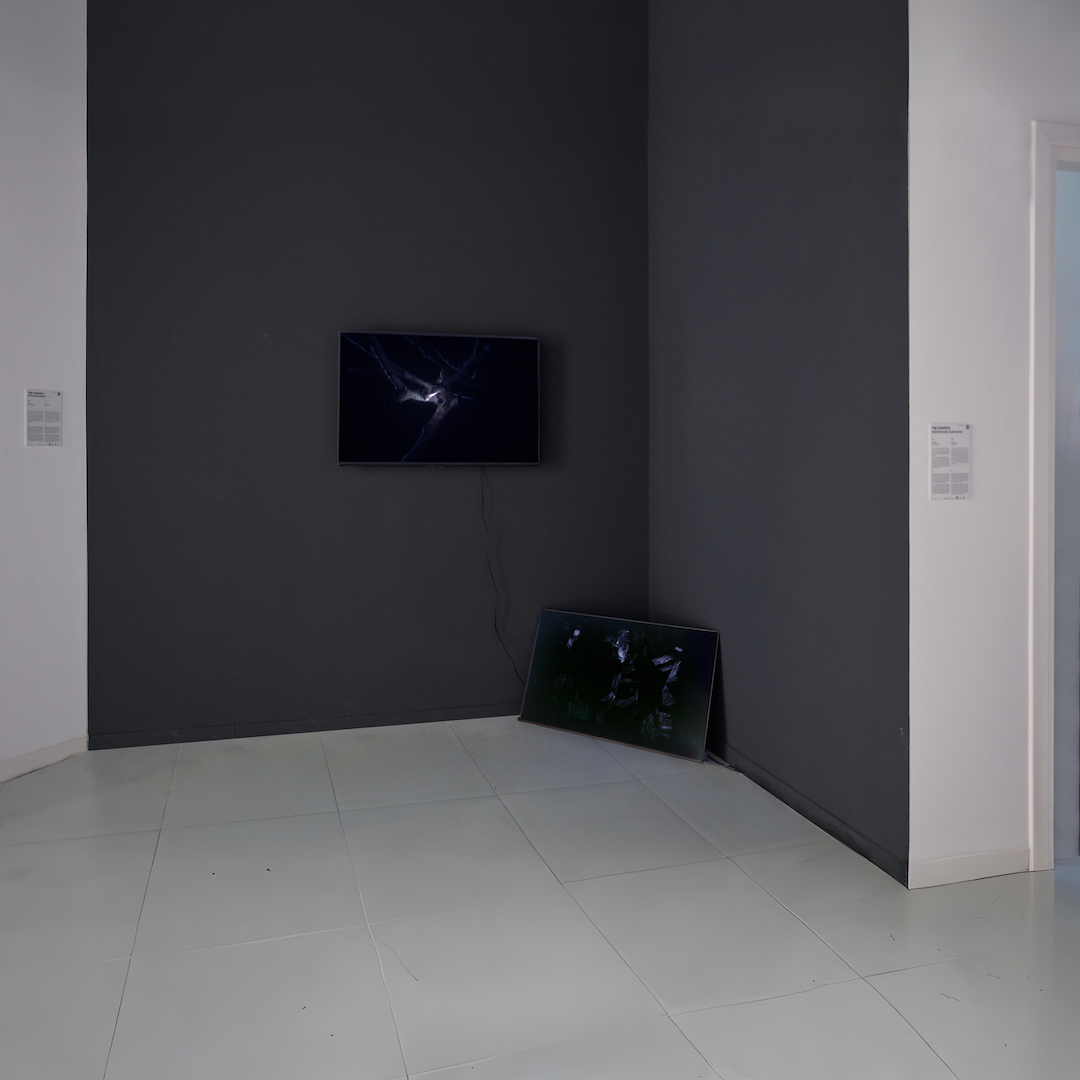
F.C.: Since I was not in Bucharest during the production phase until the day before the opening, I couldn’t plan as precisely as usual, considering that I like to work in relation to the place. Exhibiting in a space with a strongly defined function, such as a mall, involves many factors that can lead to changes in plans. This was the case here, and a few weeks before the opening, we had to change the location of my installation within the mall. I viewed this as an exercise in learning to improvise, and in the end, everything went quite well.
A.M.: How do you think visual art can contribute to opening up social discourse about emotions we keep secret — in communities, relationships, cultural contexts?
F.C.: I hope it can do that. I believe that good works exhibited in places accessible to a wide audience can achieve this. They should be works that are open to everyone and should not make visitors feel as if they are facing something elitist in which they cannot participate. The works should be open to addressing existing issues and encourage people to do the same on their own, in one way or another. In general, I think art, whether or not it focuses on the theme of mental health, can open a space for reflection in which judgment or function are not immediately at play. Creating such a space of experience is in itself a statement in support of mental health.

The interview was conducted as part of the cultural project “Breaking the Silence: A Visual Narrative on Emotions Left Unspoken”, co-financed by the Administration of the National Cultural Fund (AFCN). The project does not necessarily represent the position of the Administration of the National Cultural Fund. AFCN is not responsible for the content of the project or for the way its results may be used. These are entirely the responsibility of the beneficiary.