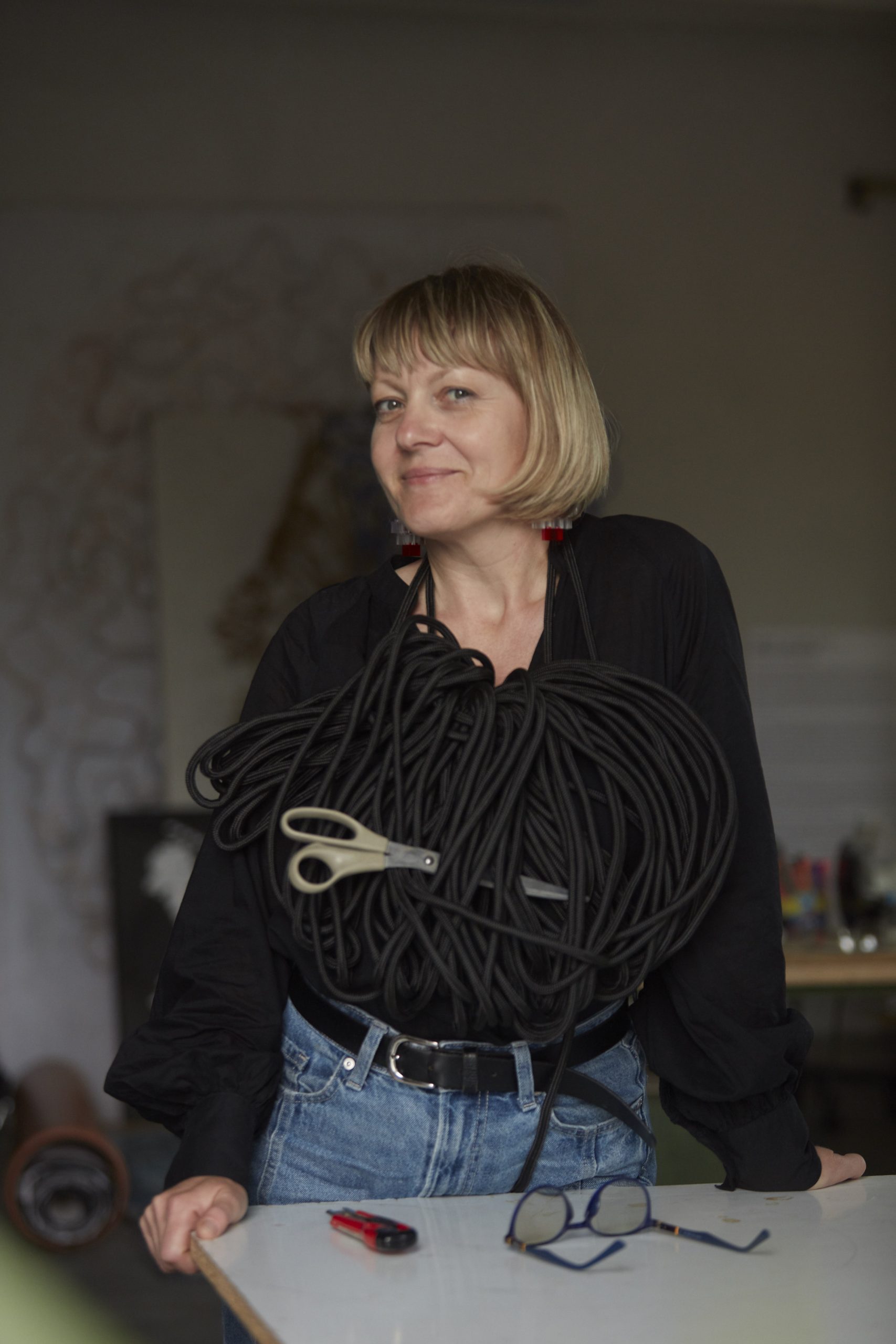
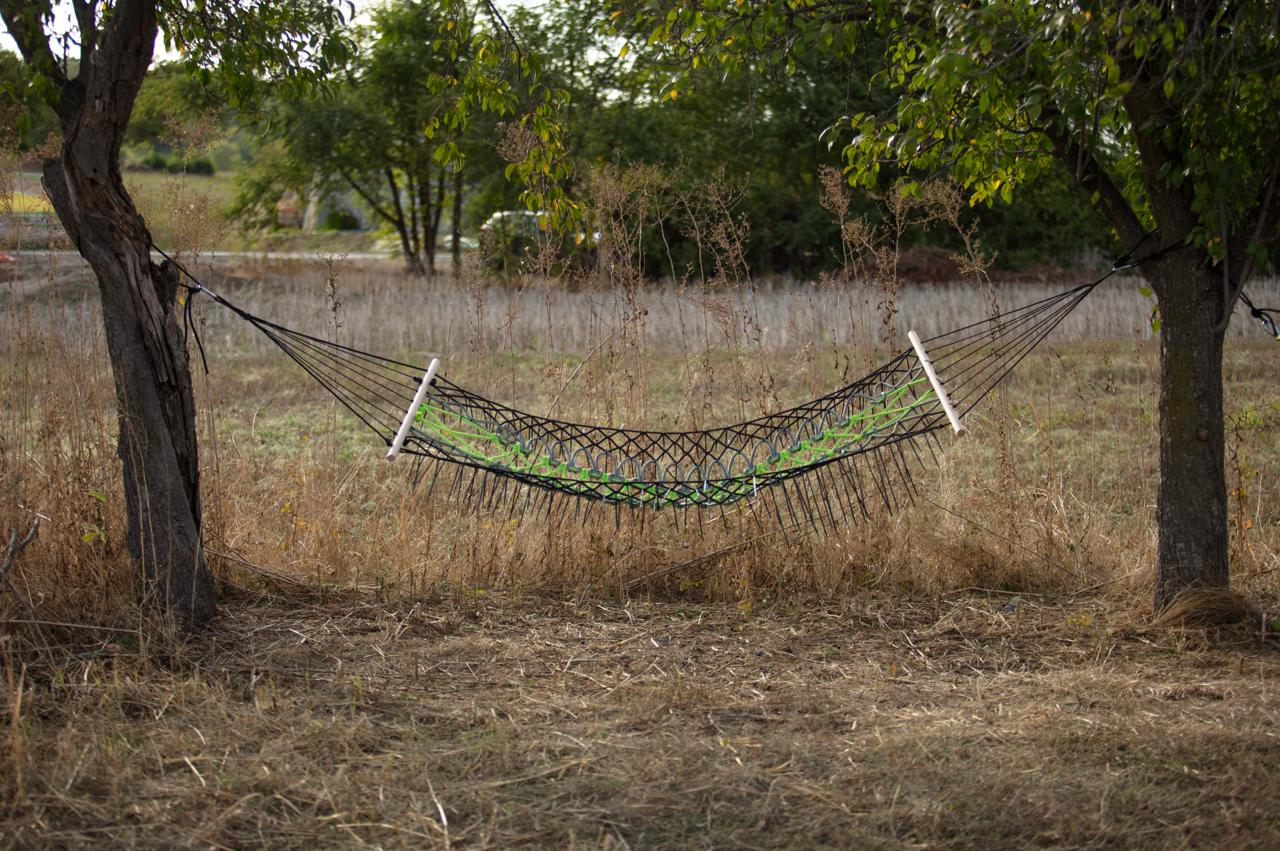
At a time when textile art is increasingly reclaiming its place in contemporary discourse, Mihaela Moldovan proposes a lucid and subtle artistic practice, built at the intersection of craftsmanship, personal memory, and critical reflection on the feminine condition. With an aesthetic that favors fragility, repetitive gesture, and recognizable materials – paper, string, natural fibers – the artist transforms simple materials into carriers of deep meaning, often silent, but always laden with memory.
In this interview, the artist talks about the ethics of material, the role of the artistic community in her process, and the need to rethink, through textiles, a visual language of silence as well as of transformation. Her practice is defined by curiosity, perseverance, and a profound awareness of time – of work, of the body, and of memory.
Ada Muntean: How do you perceive your own fragilities and vulnerabilities, which you transfigure in your works — do you avoid them, highlight them, or transform them?
Mihaela Moldovan: I believe every artist works, in some way, with their own cracks. I don’t hide them, but I don’t dramatize them either. I try to transform them into something that communicates – a form of healing through exposure. In the studio, what was once a weakness gains a different nature: it becomes a space for reflection, sincerity, and creativity.
I chose paper as my main material because of its fragility, but also for its ability to retain traces and layers of memory.
A.M.: Describe your relationship with the materials and visual media you use. What connections exist between them and the subjects/concepts you explore?
M.M.: The materials I use are always tied to personal memory and the emotions of childhood. I grew up in a domestic universe full of textures, lace, and threads intertwined with time. That’s why I choose to work with simple, recognizable materials – paper, string, textile fibers – but I amplify the scale to transform the familiar into something monumental.
A.M.: In your artistic practice, you’ve worked with local fibers (cotton, hemp) and used recycled wood. How important is sustainability and ecological awareness in the construction of your textile works?
M.M.: For me, sustainability is not just a practical choice, but a form of respect – for resources and for time. I grew up in a modest family, where nothing was wasted and objects always had a second life. That’s why I often choose local natural fibers – cotton, hemp – and recycled wood. Still, in some newer works, the size or structure requires using more durable materials, but even then, I try to reduce waste by reusing leftover string or fabric from previous projects.
A.M.: As your artistic practices expand toward sustainability, recycling, local fibers, and natural dyeing, how do you envision the ideal dialogue between rural and urban in your art — as a bridge between tradition and experimentation?
M.M.: Although I don’t work constantly with local fibers or natural dyeing, I enjoy experimenting with these techniques from time to time. I’m inspired by the simplicity and authenticity of the rural world, but I approach it through a contemporary lens, filtered by urban life experience.
For me, the ideal dialogue between rural and urban in art means balance: bringing nature and authenticity into the city space, while also opening the village to experimentation and innovation. I believe this exchange can create a common language, where tradition doesn’t oppose modernity, but complements it.
A.M.: In what way do you think the medium of textiles – traditionally considered “feminine” – offers you a space for expression and subversion? How does your artistic practice relate to your membership in group ~28?
M.M.: The textile medium offers me a deeply personal freedom of expression. I’ve worked with textiles since childhood, and this constant practice has developed a strong manual skill and an intuitive understanding of the material. Textiles, though traditionally considered “feminine,” hold a special strength for me – they are a space of resistance, but also of tenderness, a space where I can turn domestic gestures into artistic ones.
Belonging to group ~28 complements this dimension, because my relationship with the group’s members formed during our university years. We are friends, but also collaborators in experimentation, and together we explore the area between performance and installation, where body, material, and idea naturally meet.
A.M.: How would you rethink the polarity between “high art” and “craft” in the case of textile arts? What prejudices have you encountered and how have you overturned them?
M.M.: Yes, there’s still a gap between what is considered “high art” and craft, and the prejudices around this divide persist. However, I choose to view craft as a form of knowledge passed down through generations – a language of the hands that carries memory, discipline, and sensitivity.
I try to value these traditional skills not as nostalgic gestures, but as resources. For me, the boundary between art and craft is not a limitation, but a fertile ground for dialogue.
A.M.: What projects would you like to develop in the future that you haven’t yet had the chance to realize?
M.M.: My projects usually take shape as I go. Although I make plans and directional sketches, I like to remain open to new contexts, such as open calls or unexpected collaborations that can change the initial path. Still, I would like to have more time to develop a large-scale solo exhibition, coherently built around a central theme.
The art scene in Romania is still limited in this sense – large spaces are rare, and access to established galleries often happens through informal recommendation systems. Even so, I believe flexibility and adaptability are part of the reality and beauty of today’s artistic practice.
A.M.: If you had to sum up your artistic practice in one word, what would it be?
M.M.: Curiosity.
A.M.: How do you relate to the concept of the exhibition Breaking the Silence: A Visual Narrative on Emotions Left Unspoken, and how did you develop your artistic intervention in this project?
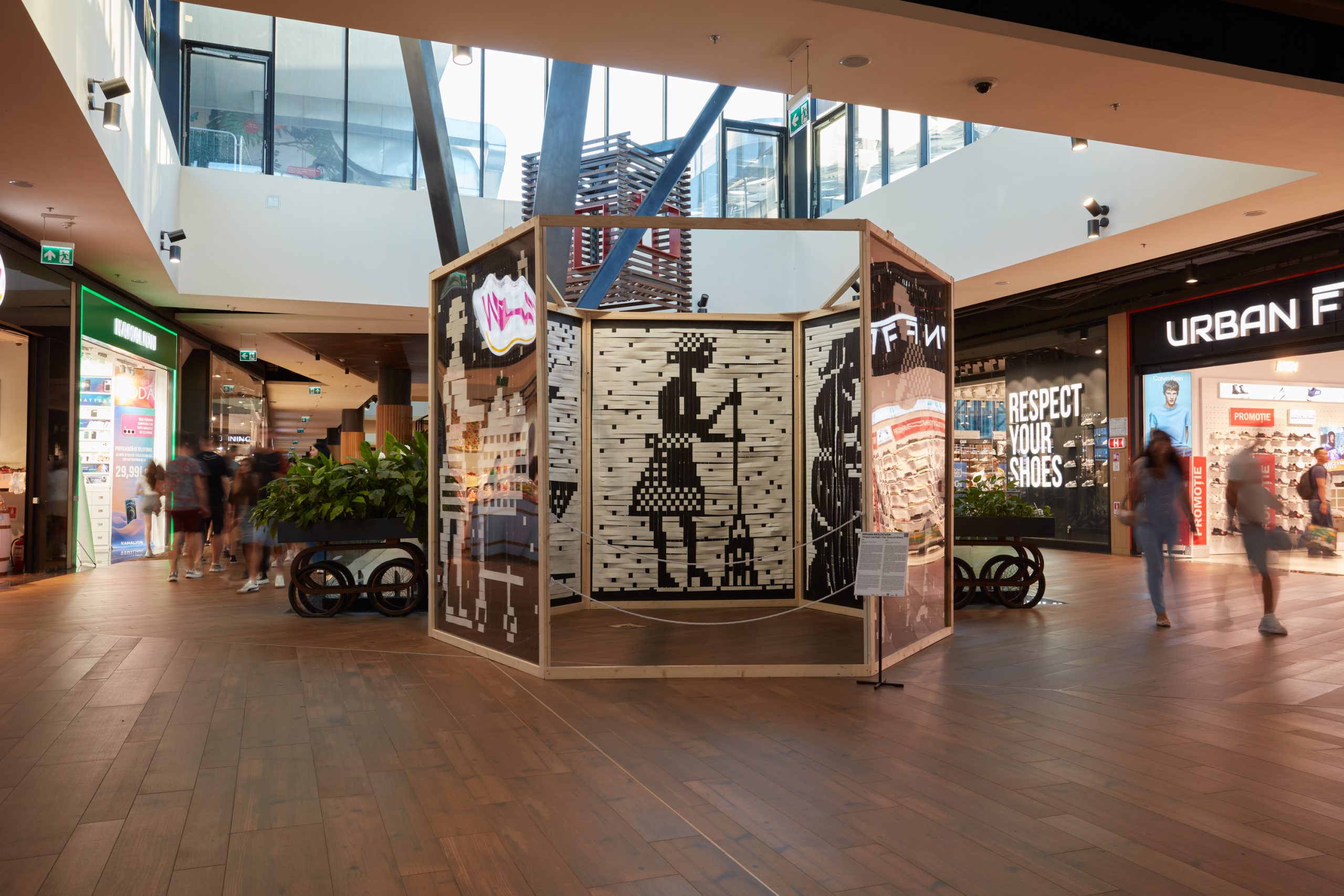
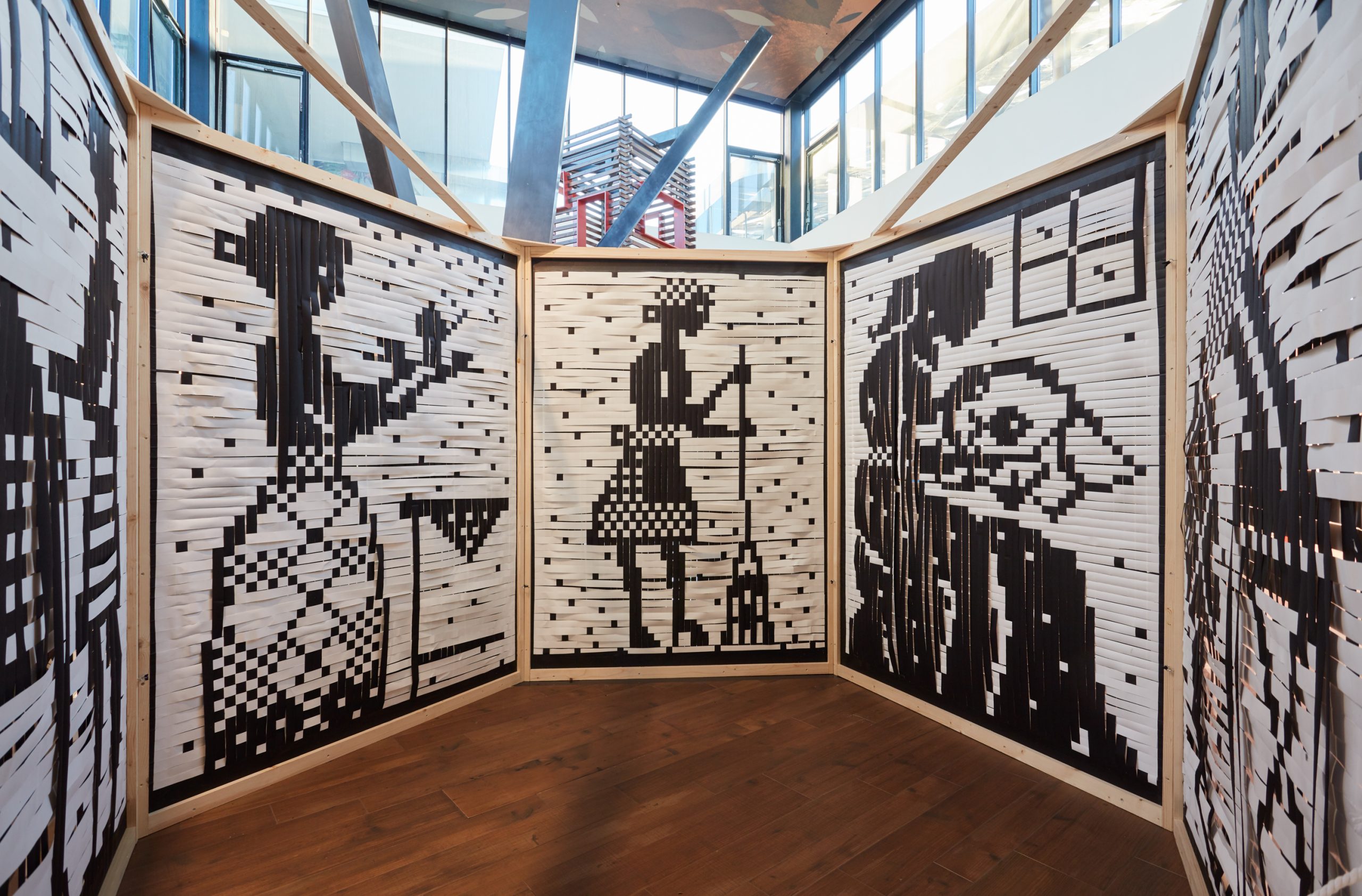
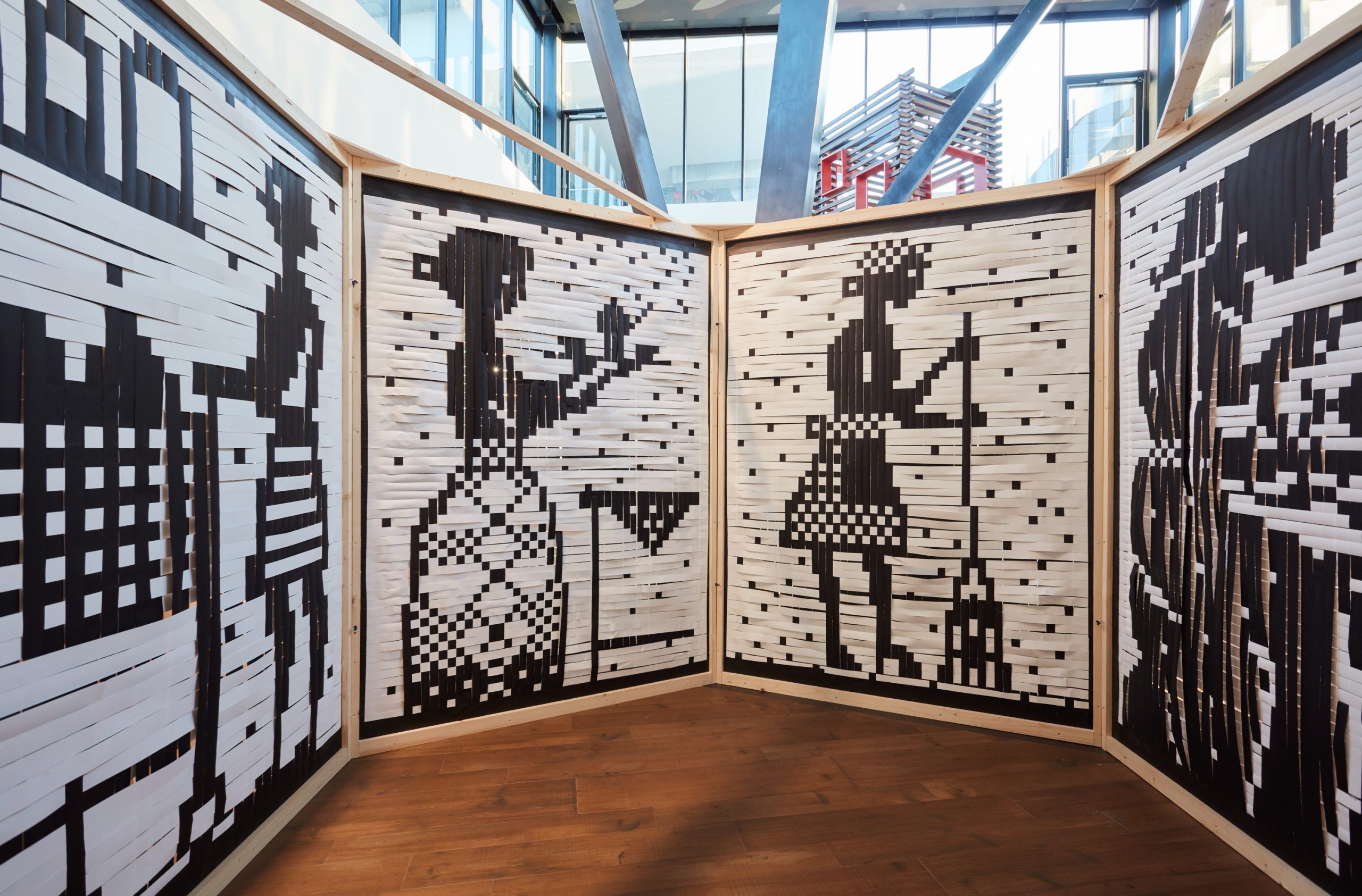
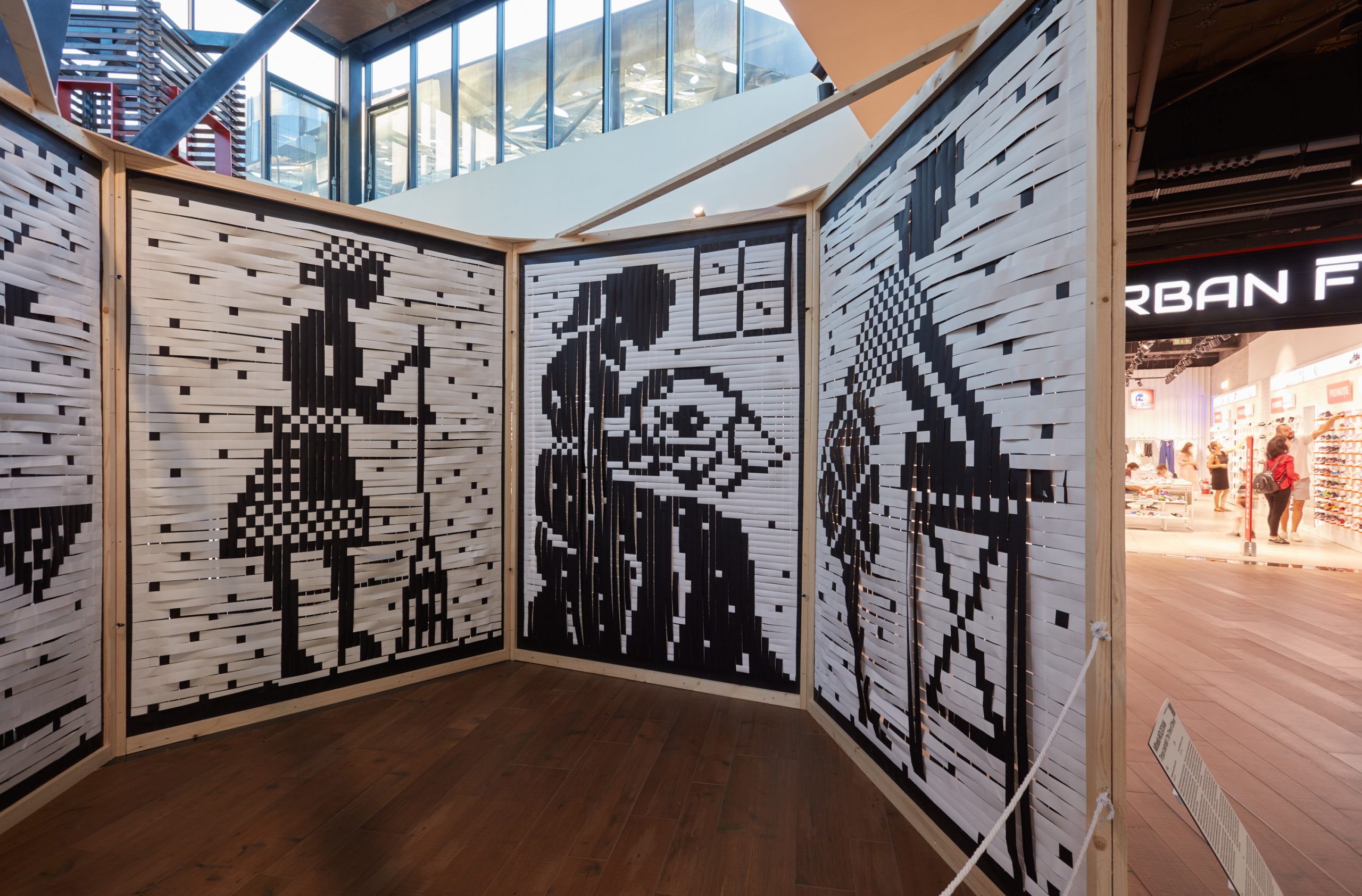
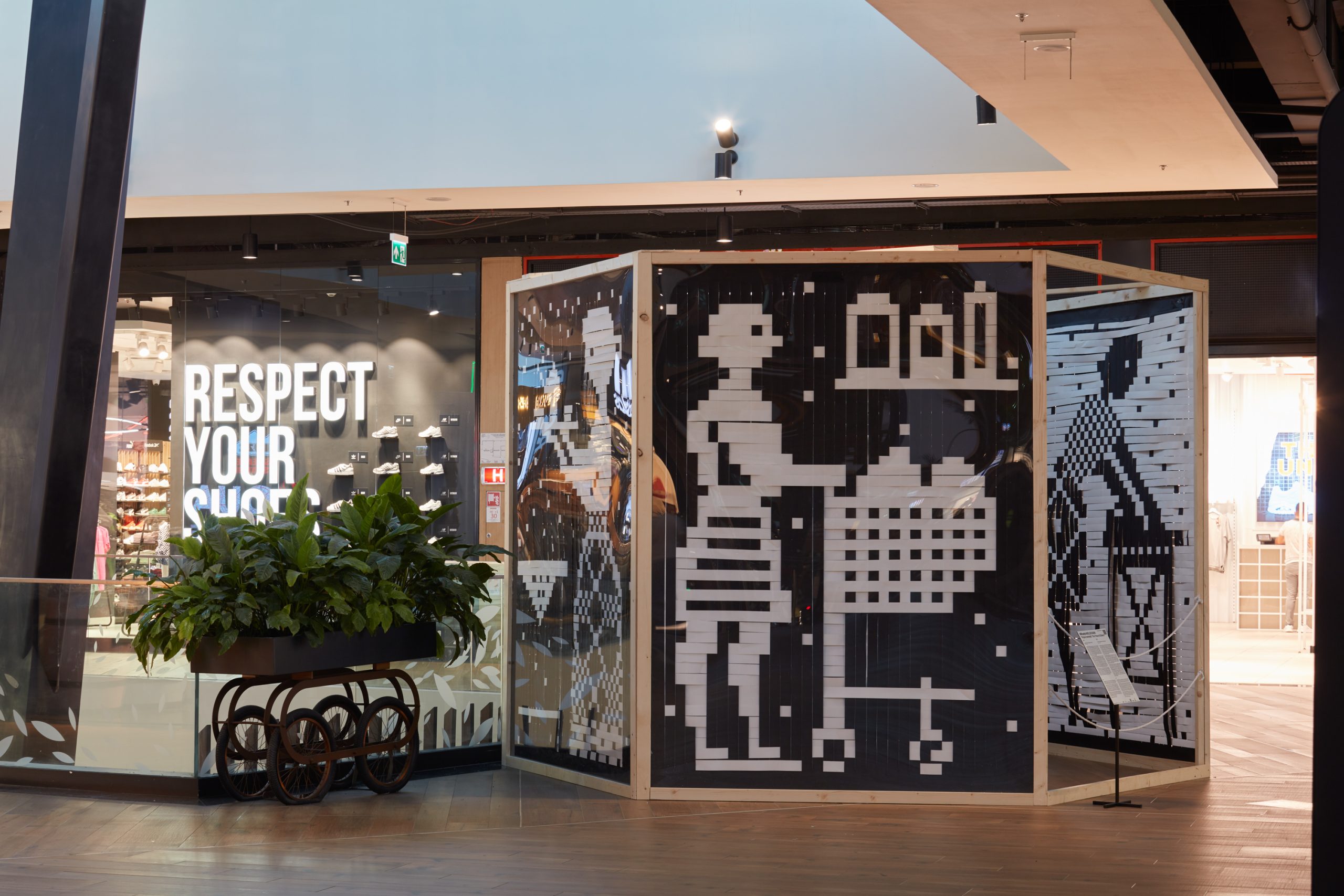
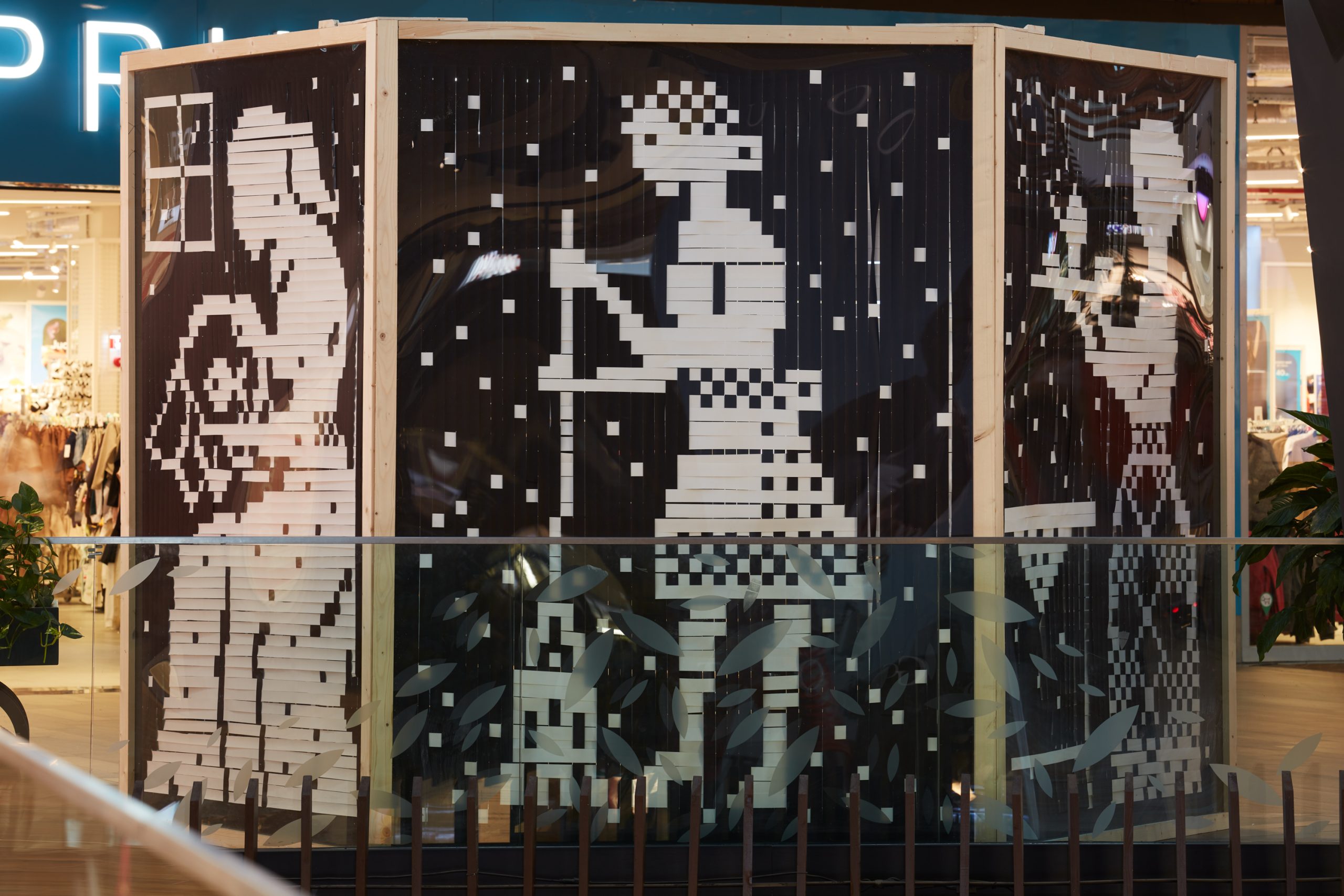
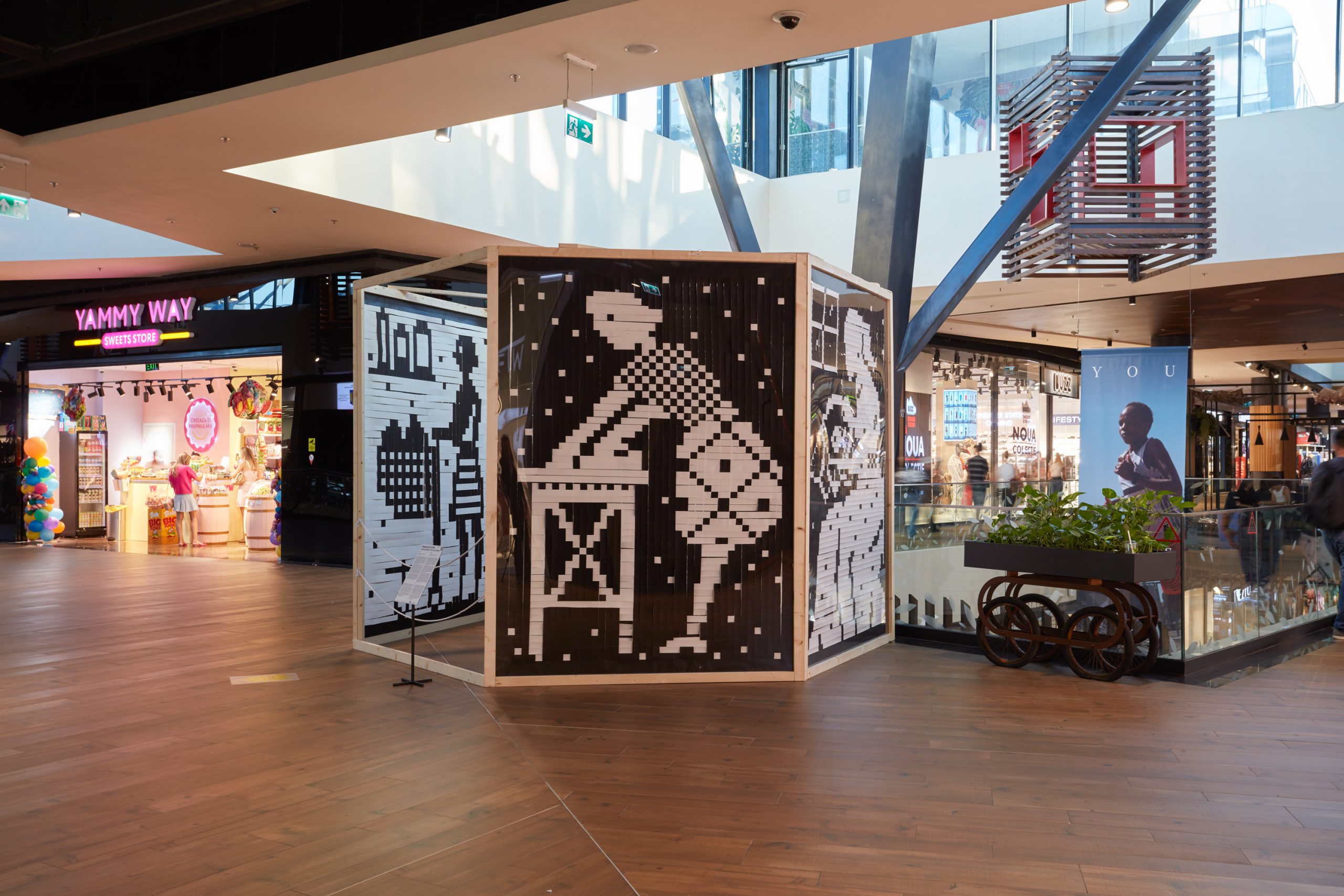
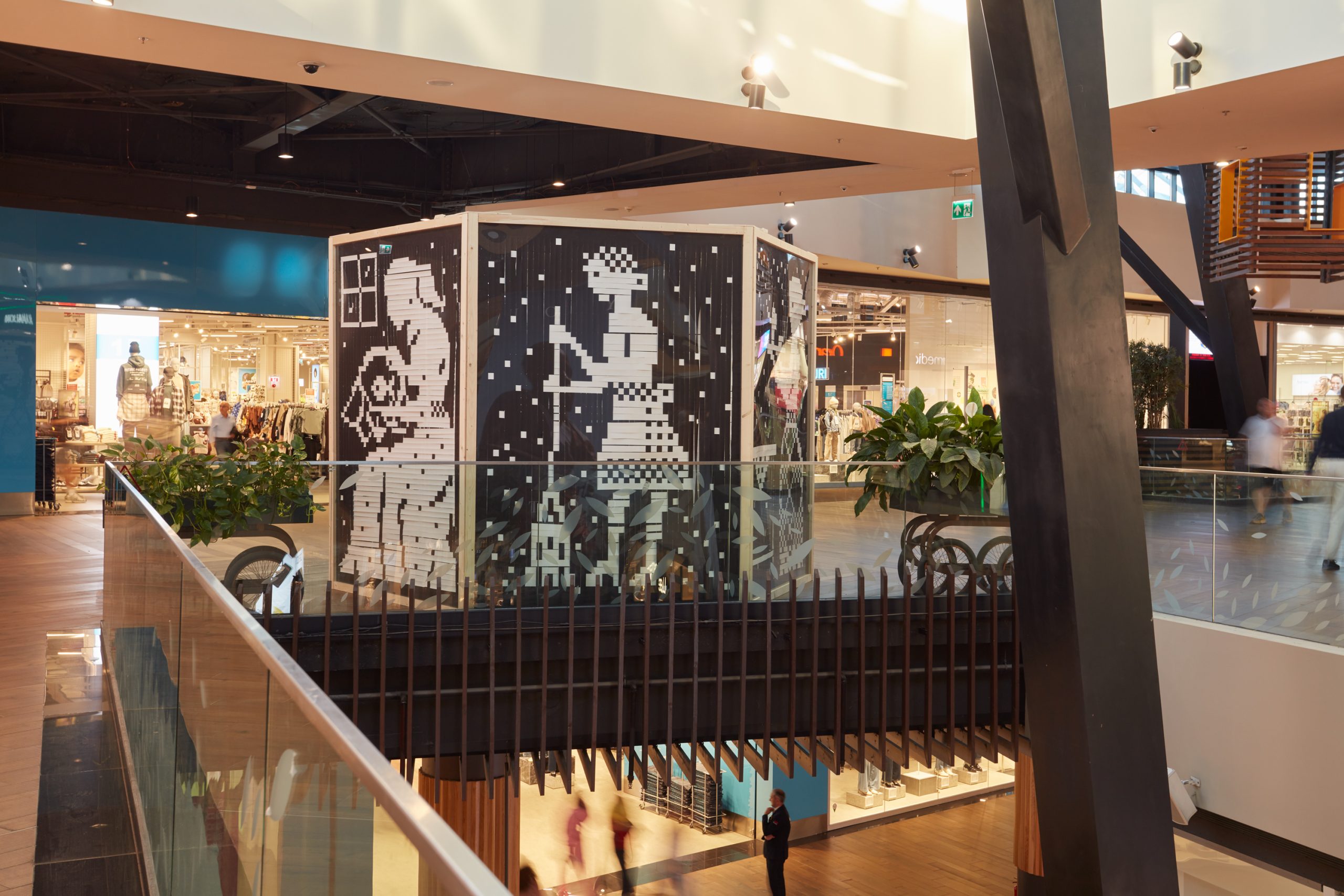
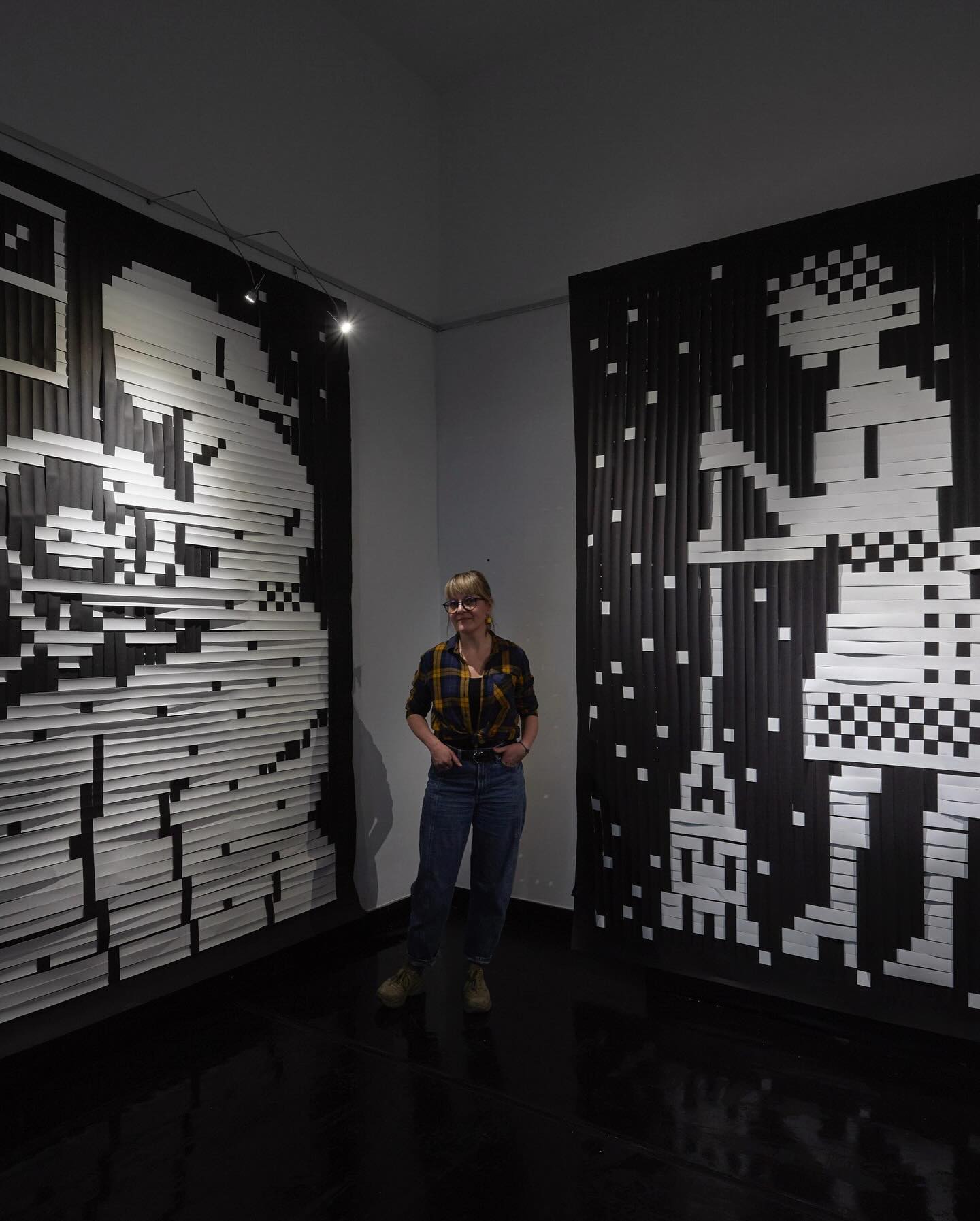
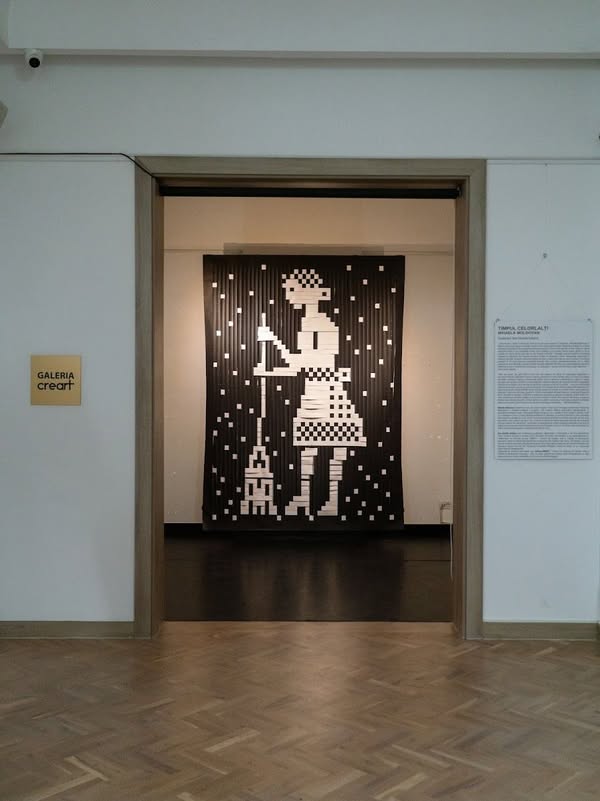
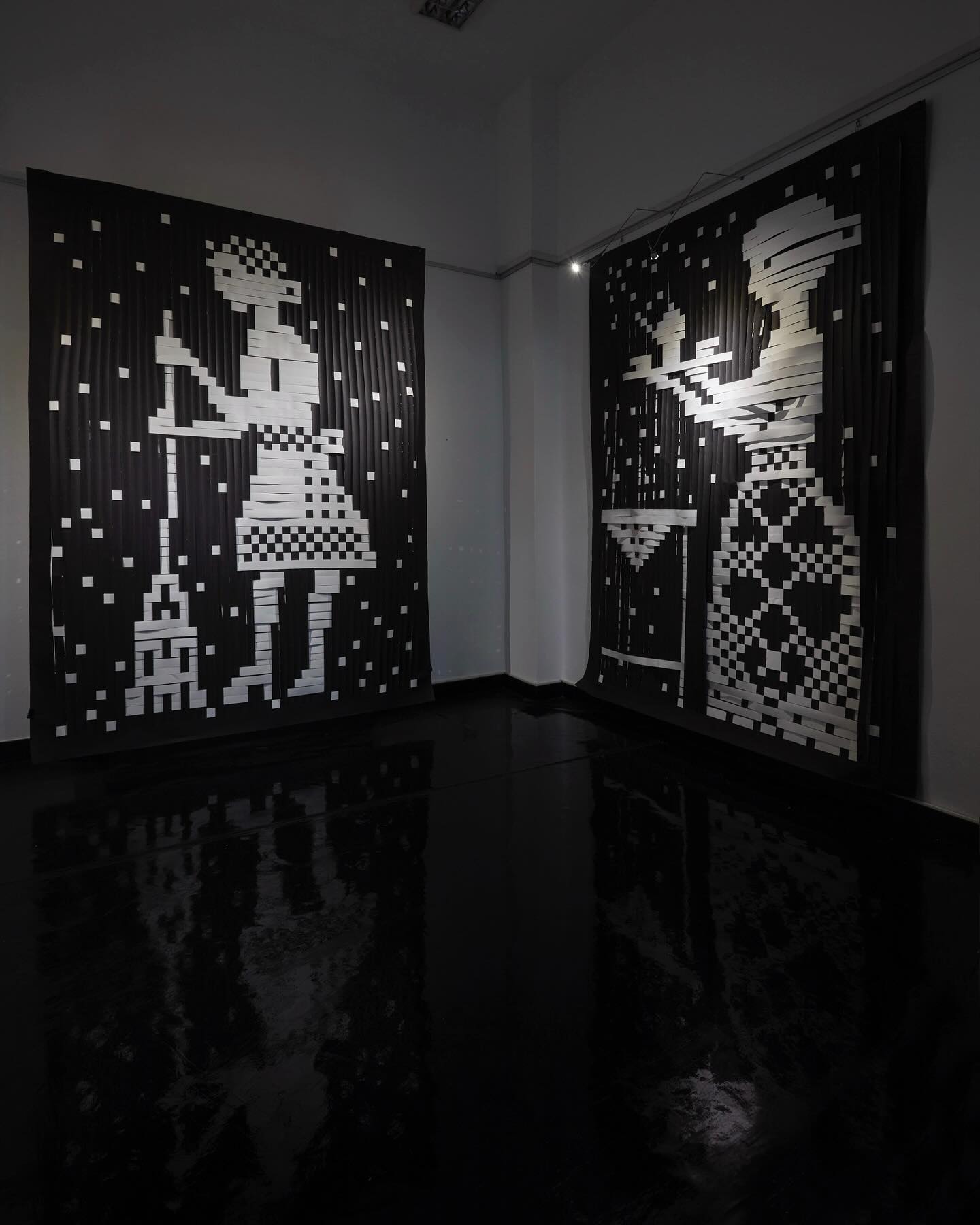
M.M.: My participation in the “Breaking the Silence” project was an opportunity to reflect on the daily silences born from women’s domestic activities – those repetitive and invisible gestures that structure everyday life but often strip it of personal time.
The theme of the project deeply resonated with my artistic concerns about imposed roles, sacrifice, and the need for self-rediscovery through creation.
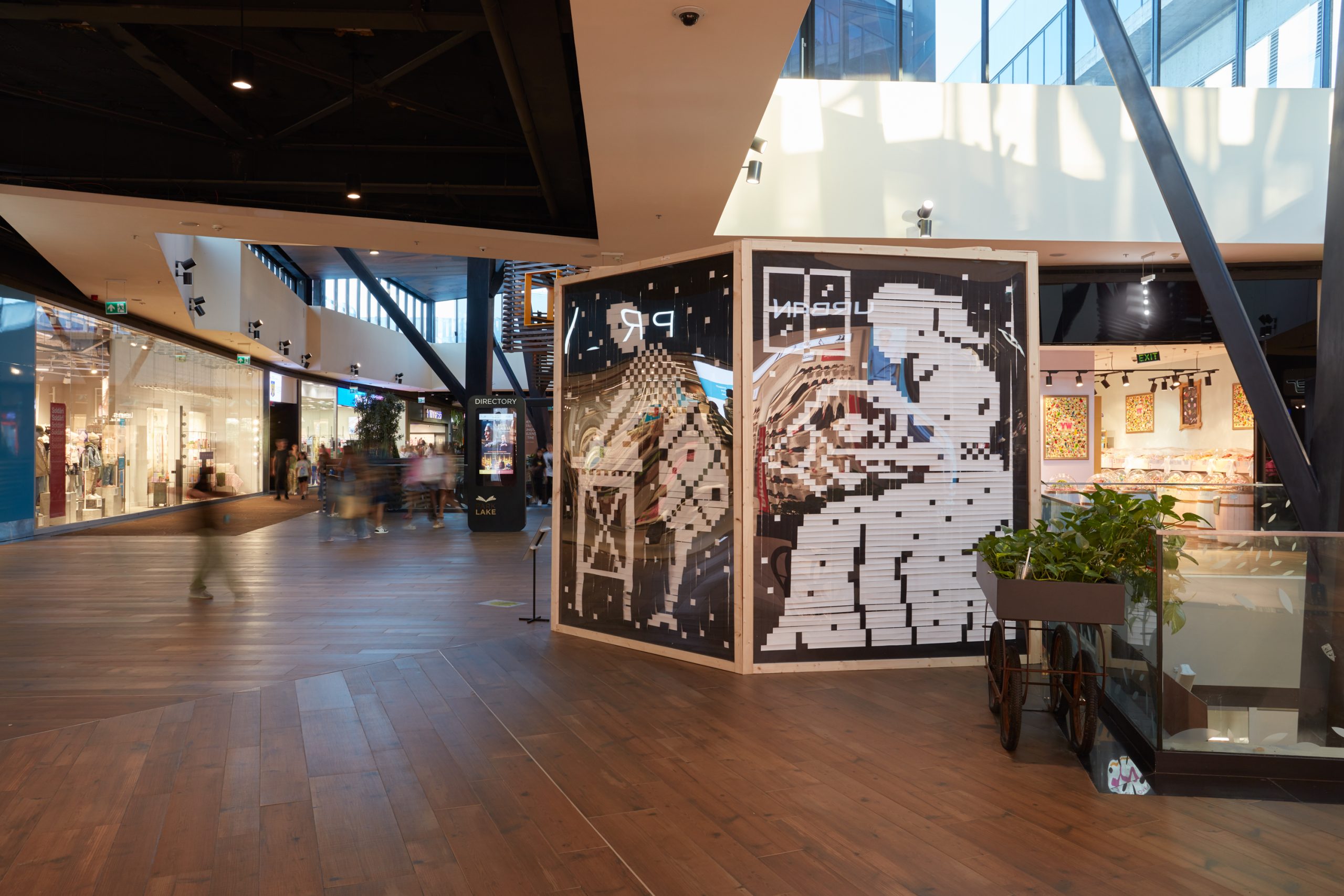
The large-scale compositions, framed in a hexagonal shape with one open side, symbolically invite the viewer to enter this intimate, domestic space.
My work speaks about the interior of a domestic life and its double meaning – one visible and orderly, the other hidden and often neglected. That “open side” is a metaphor for openness – the possibility to see, to acknowledge, and to transform silence into dialogue.
For me, art becomes an instrument of healing and of reclaiming one’s own voice, where routine and duty have taken over.
The interview was conducted as part of the cultural project “Breaking the Silence: A Visual Narrative on Emotions Left Unspoken”, co-financed by the Administration of the National Cultural Fund (AFCN). The project does not necessarily represent the official position of the Administration of the National Cultural Fund. AFCN shall not be held liable for the project’s content or any use to which the project outcome might be put. These are the sole responsibility of the beneficiary of the funding.