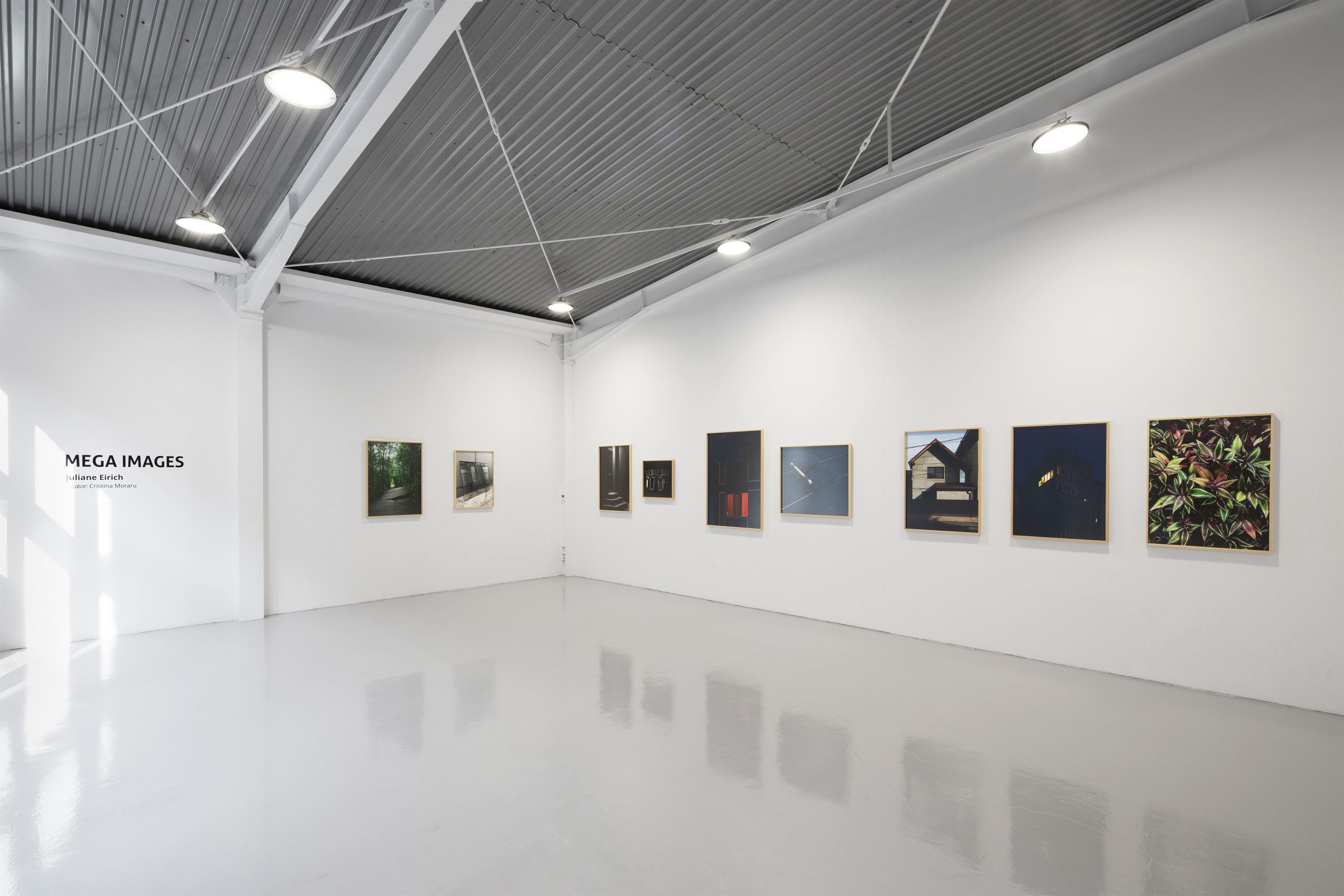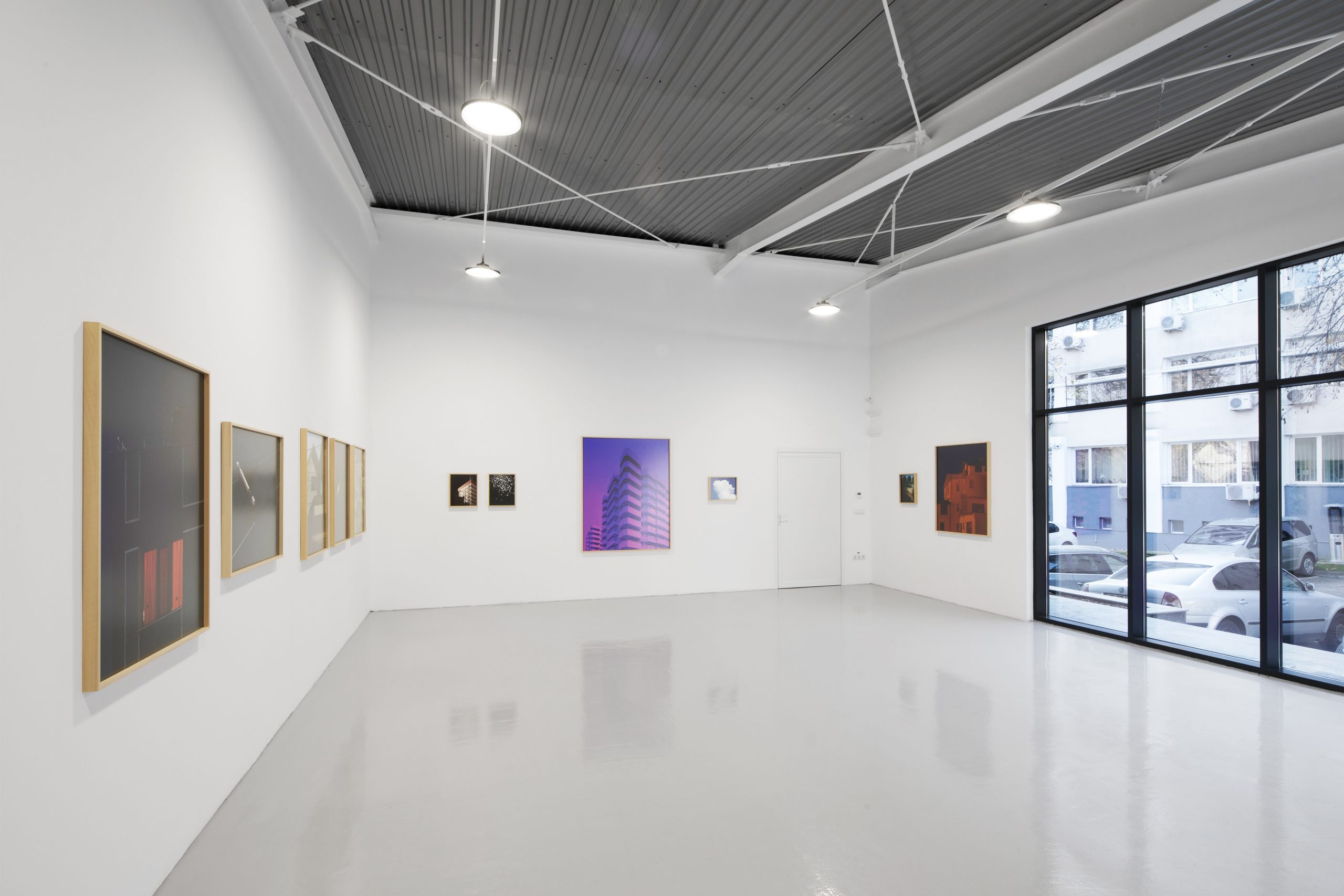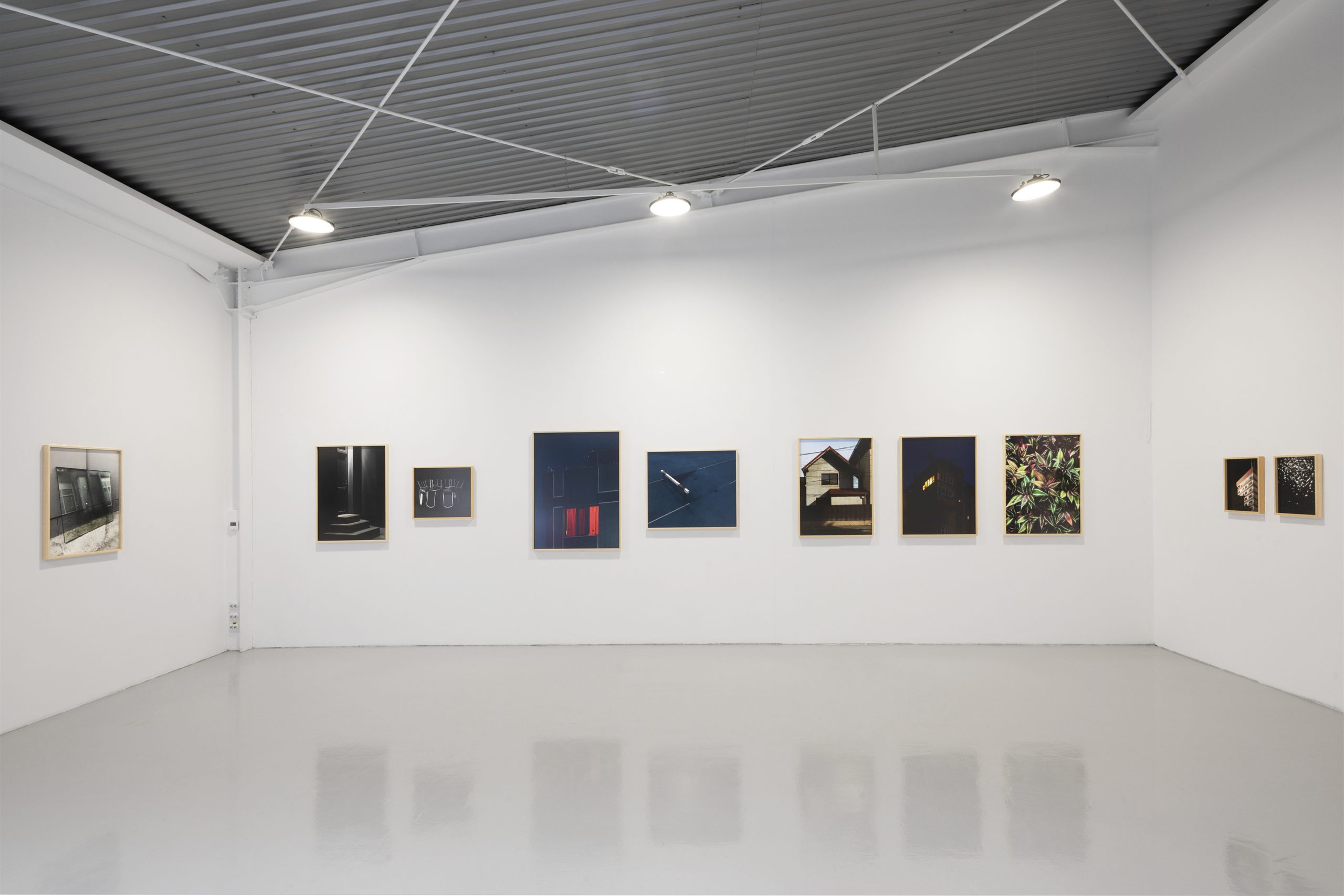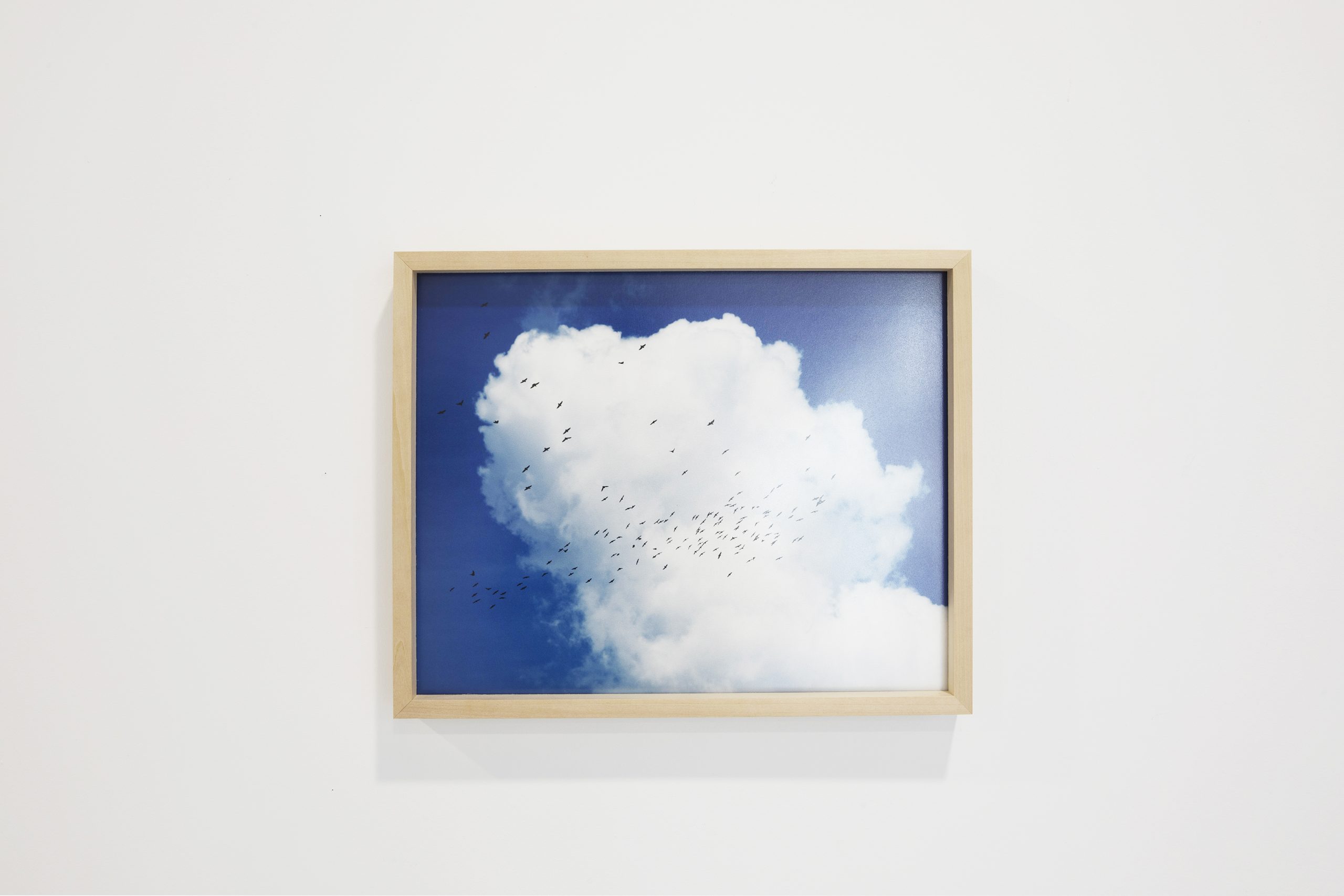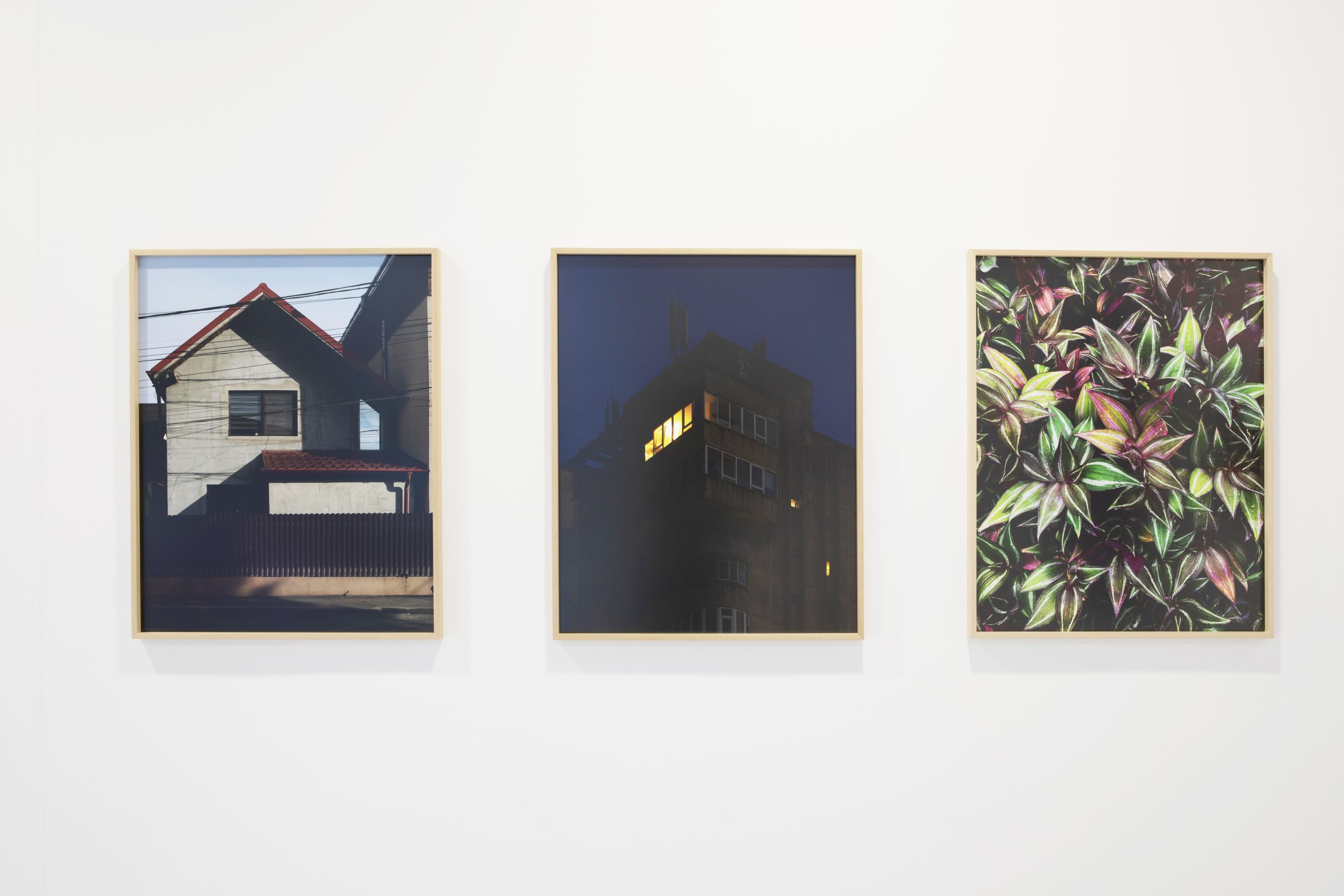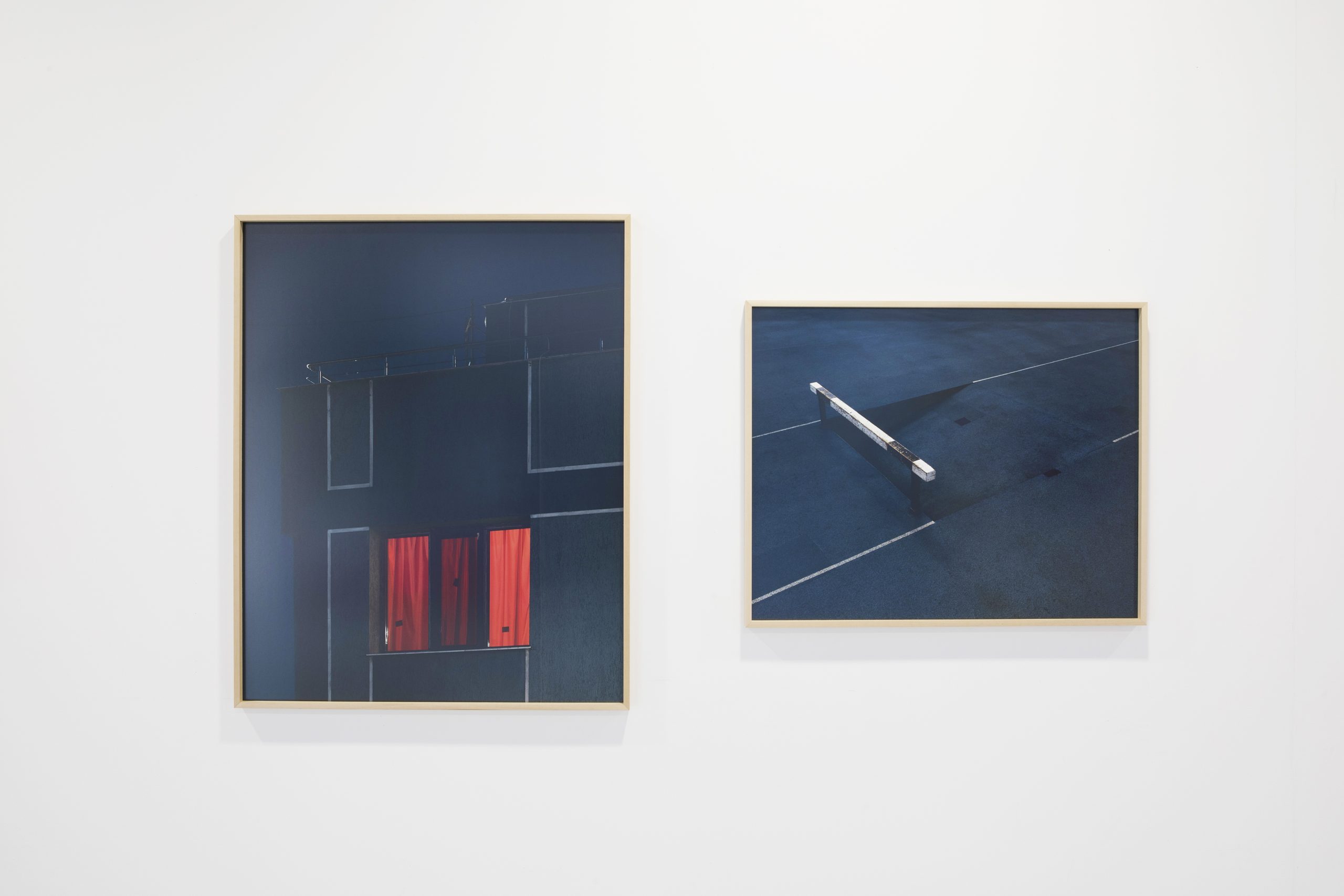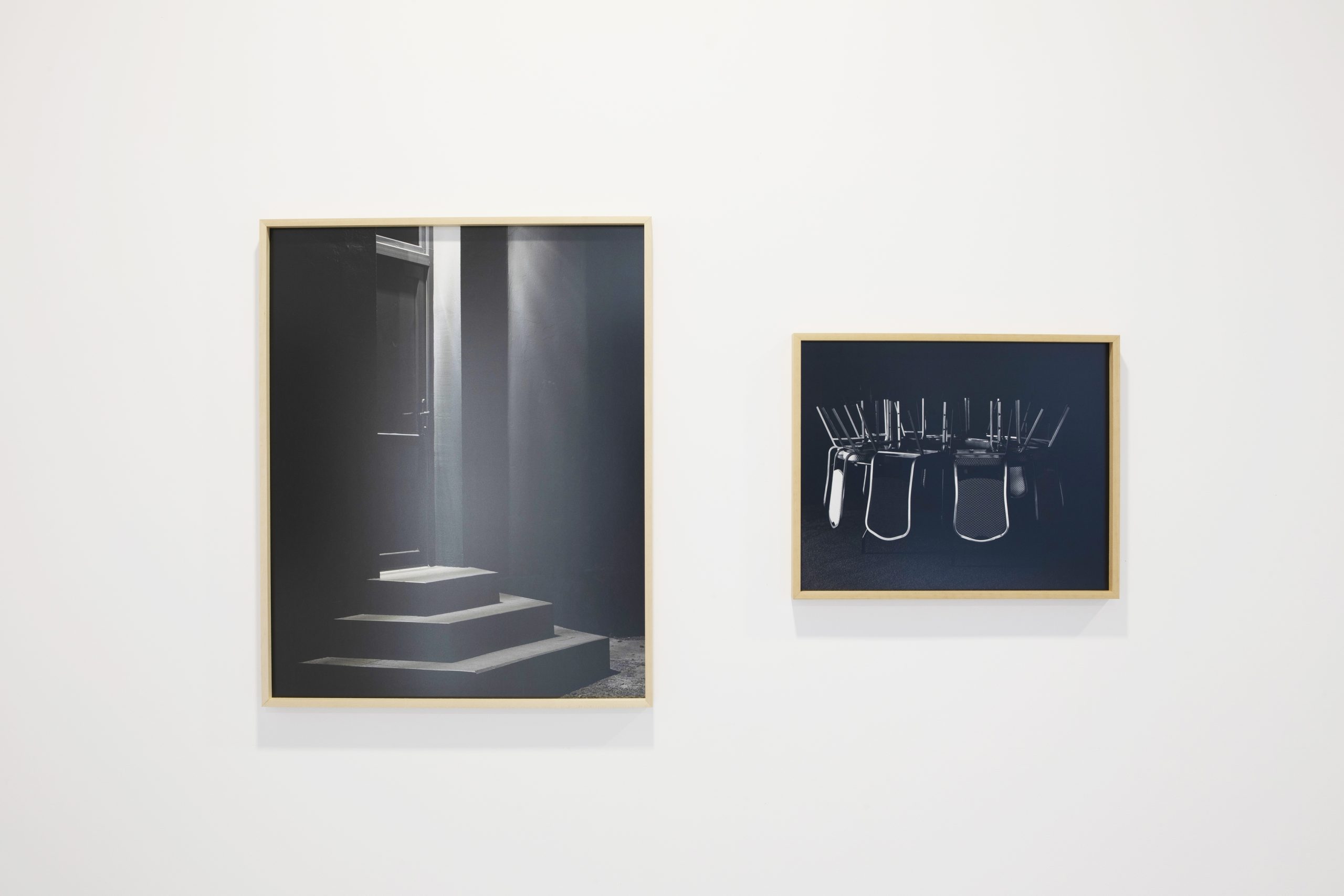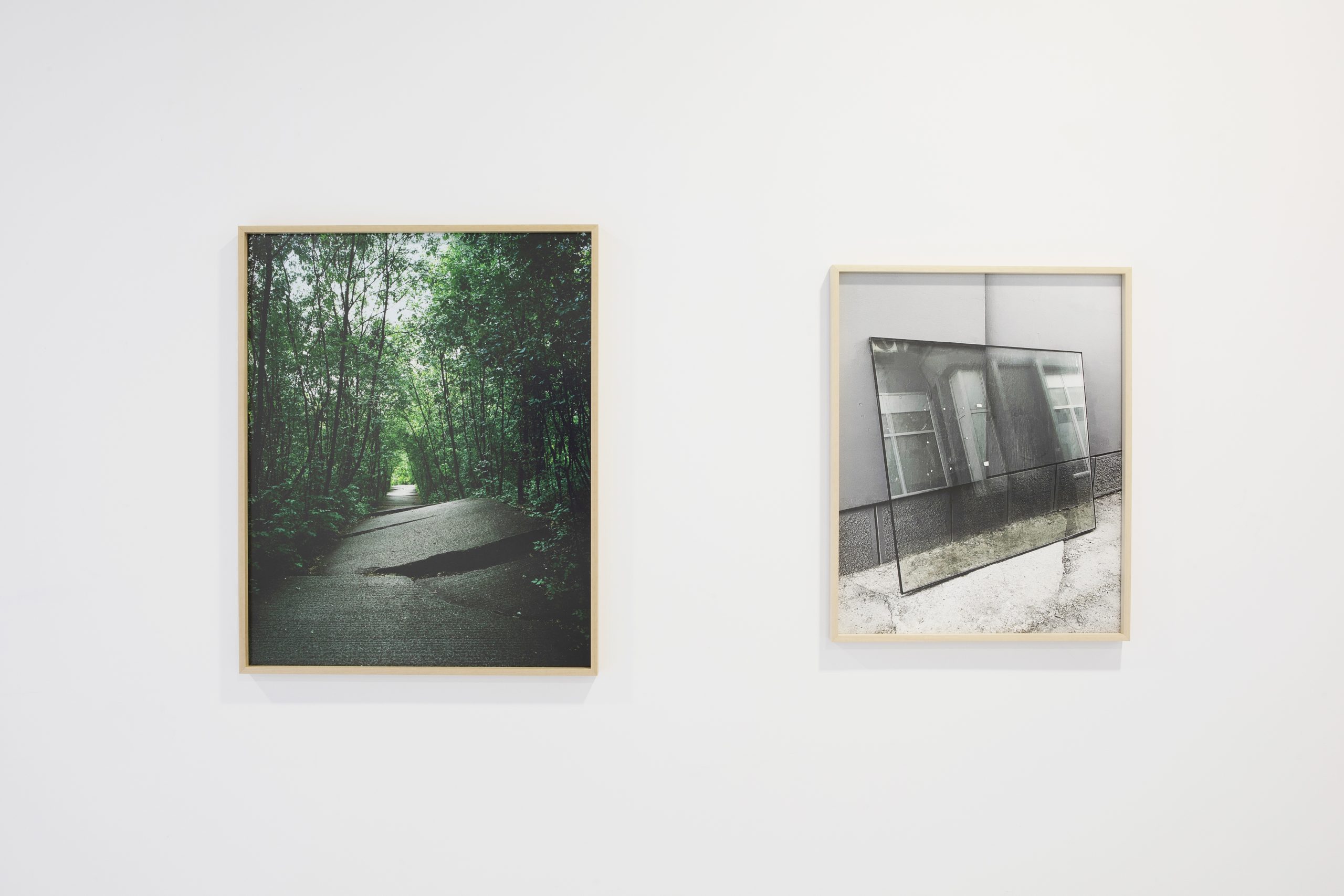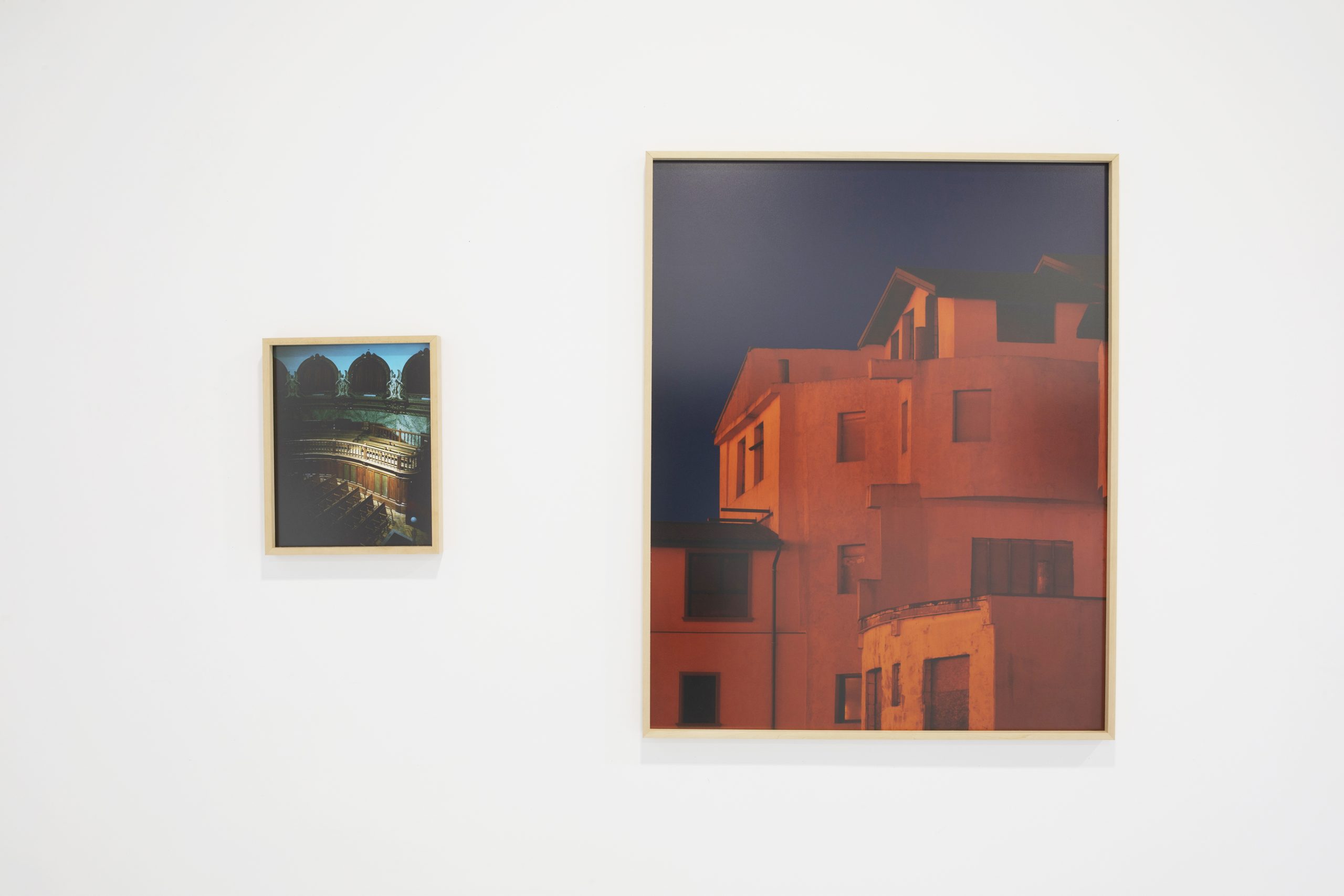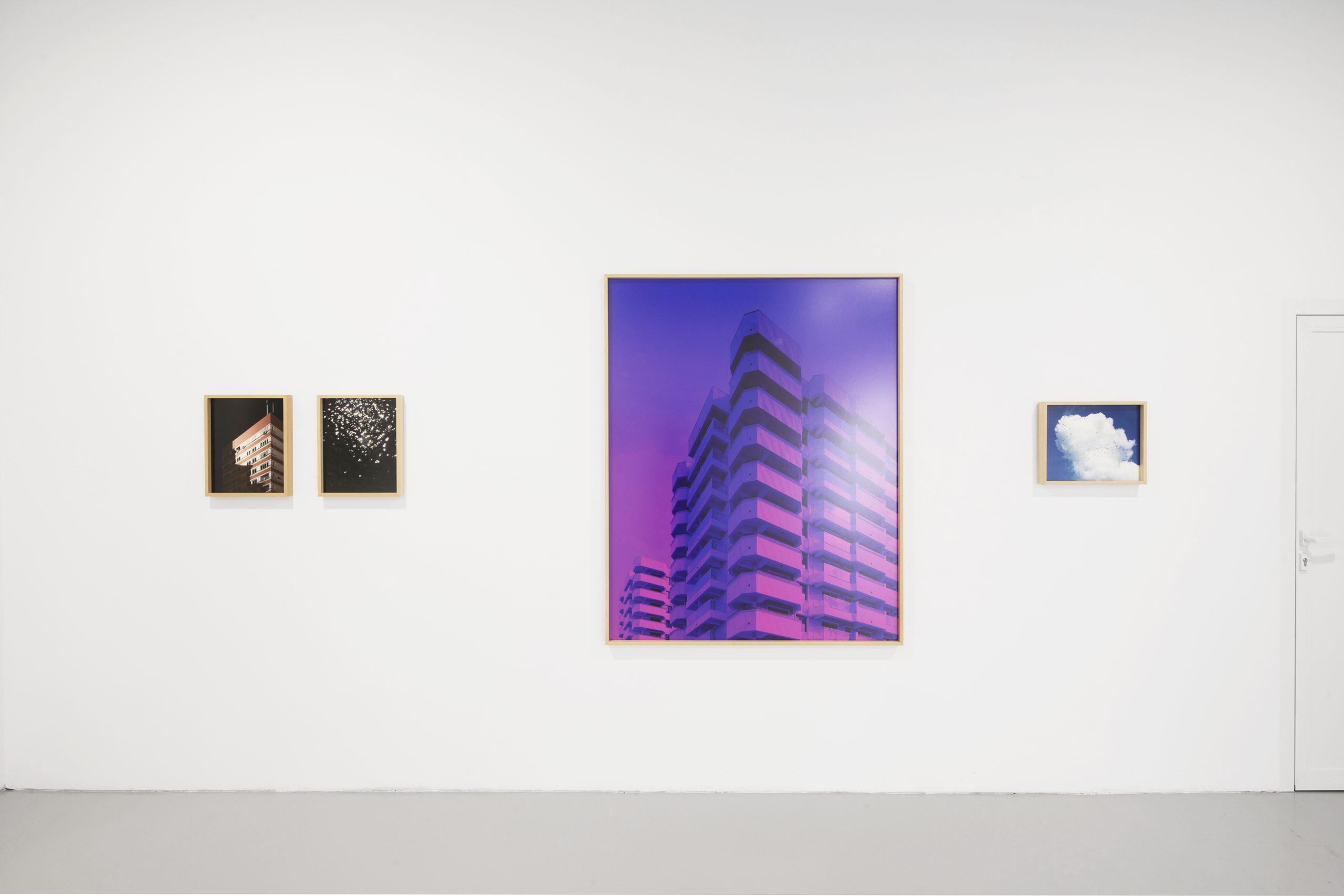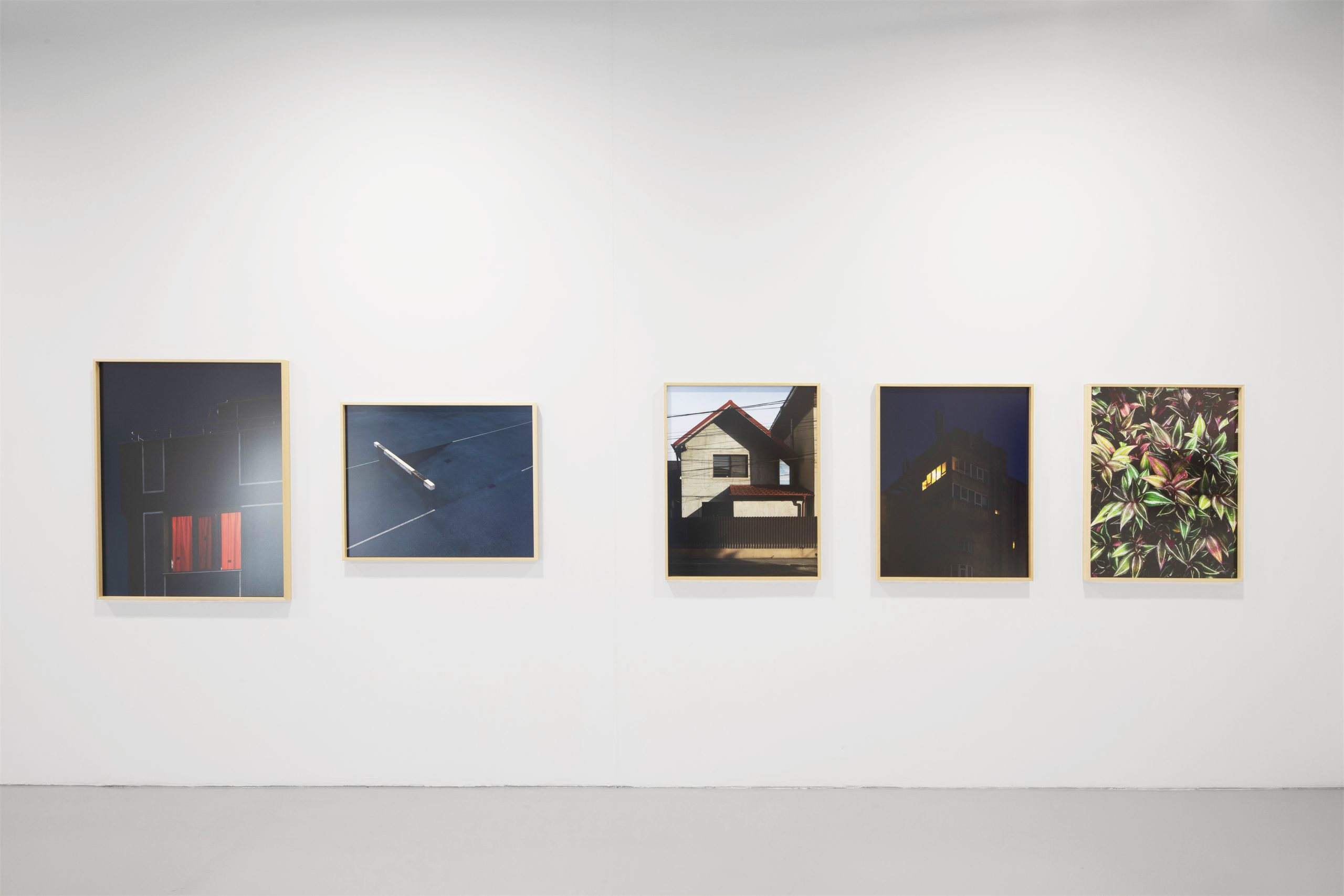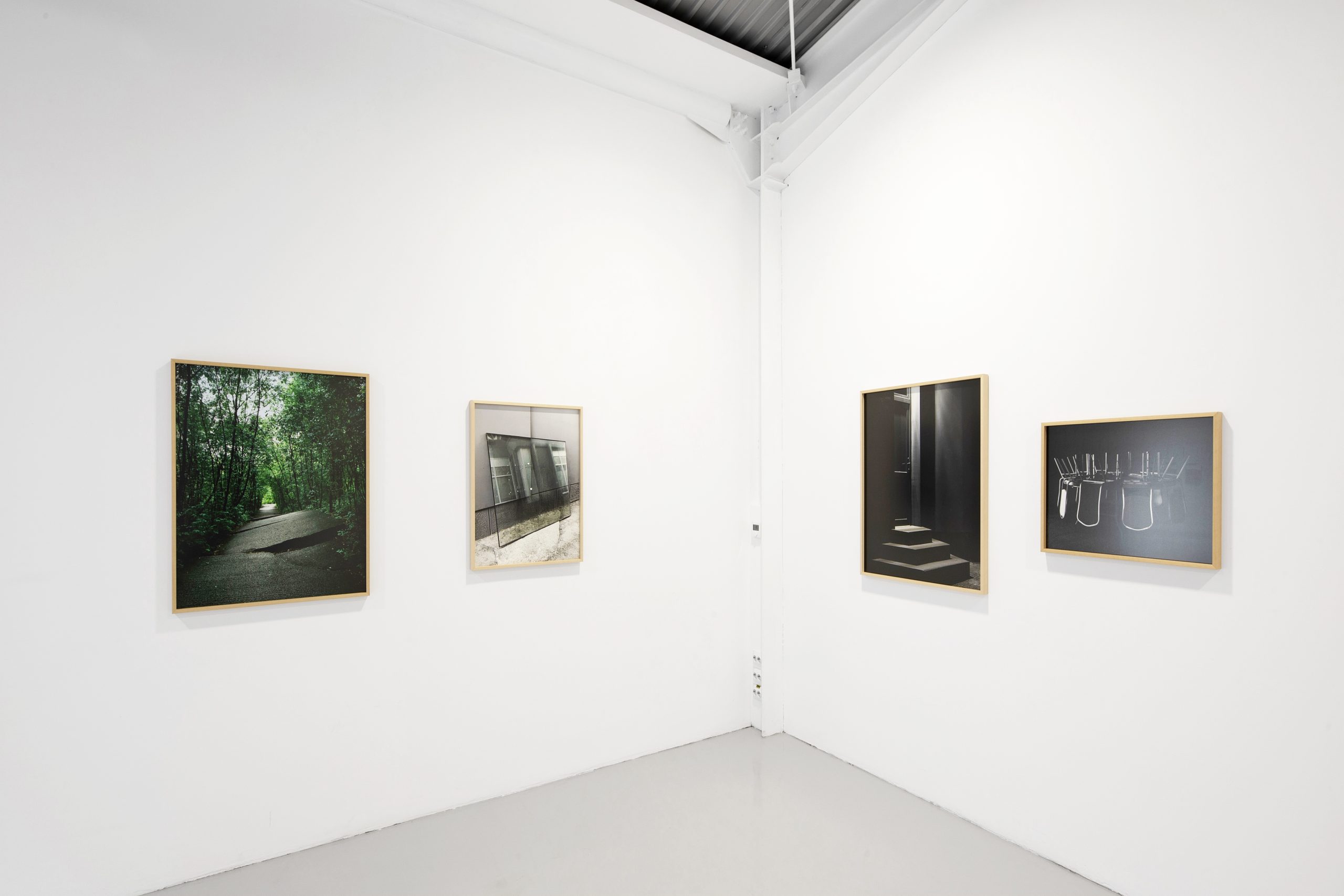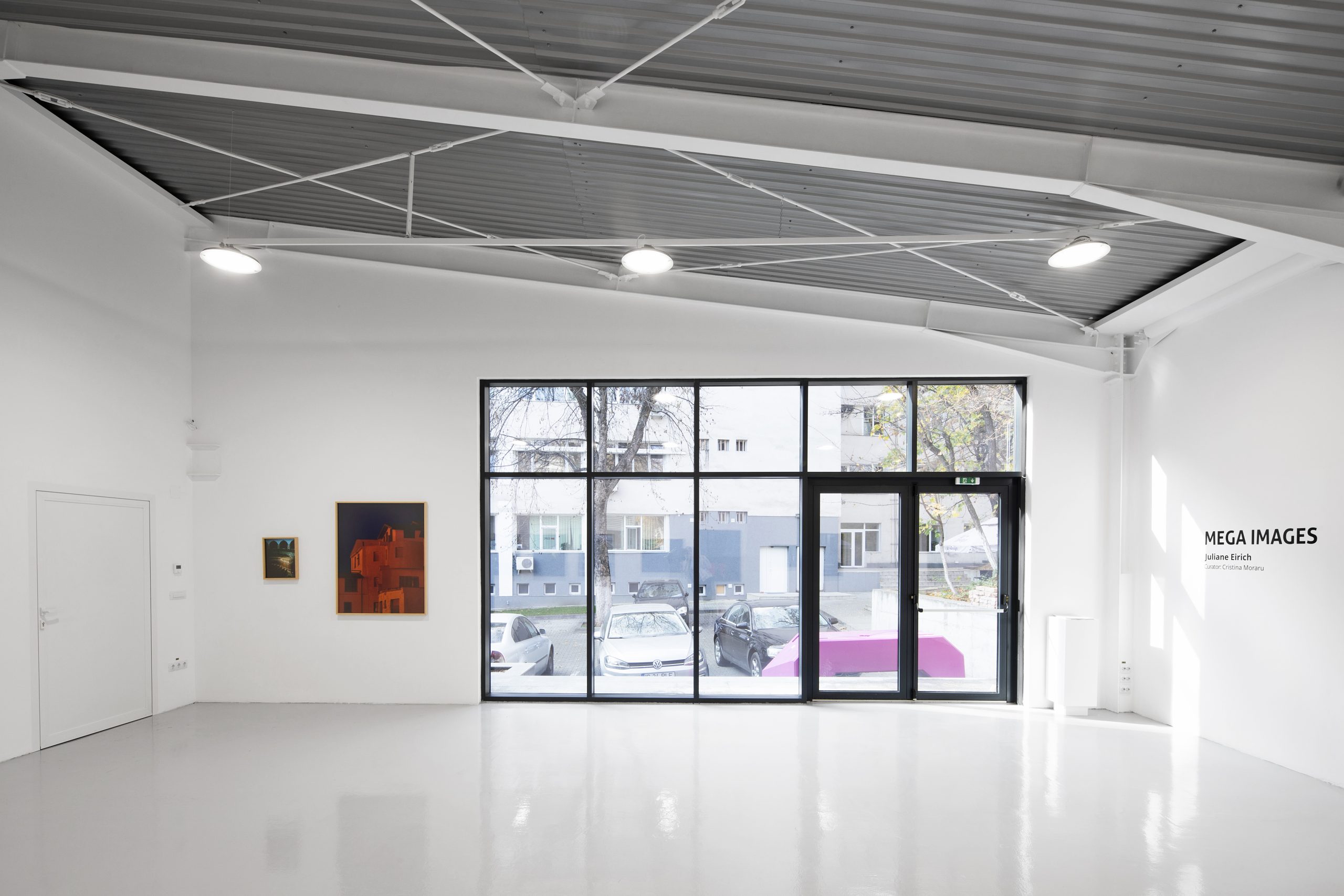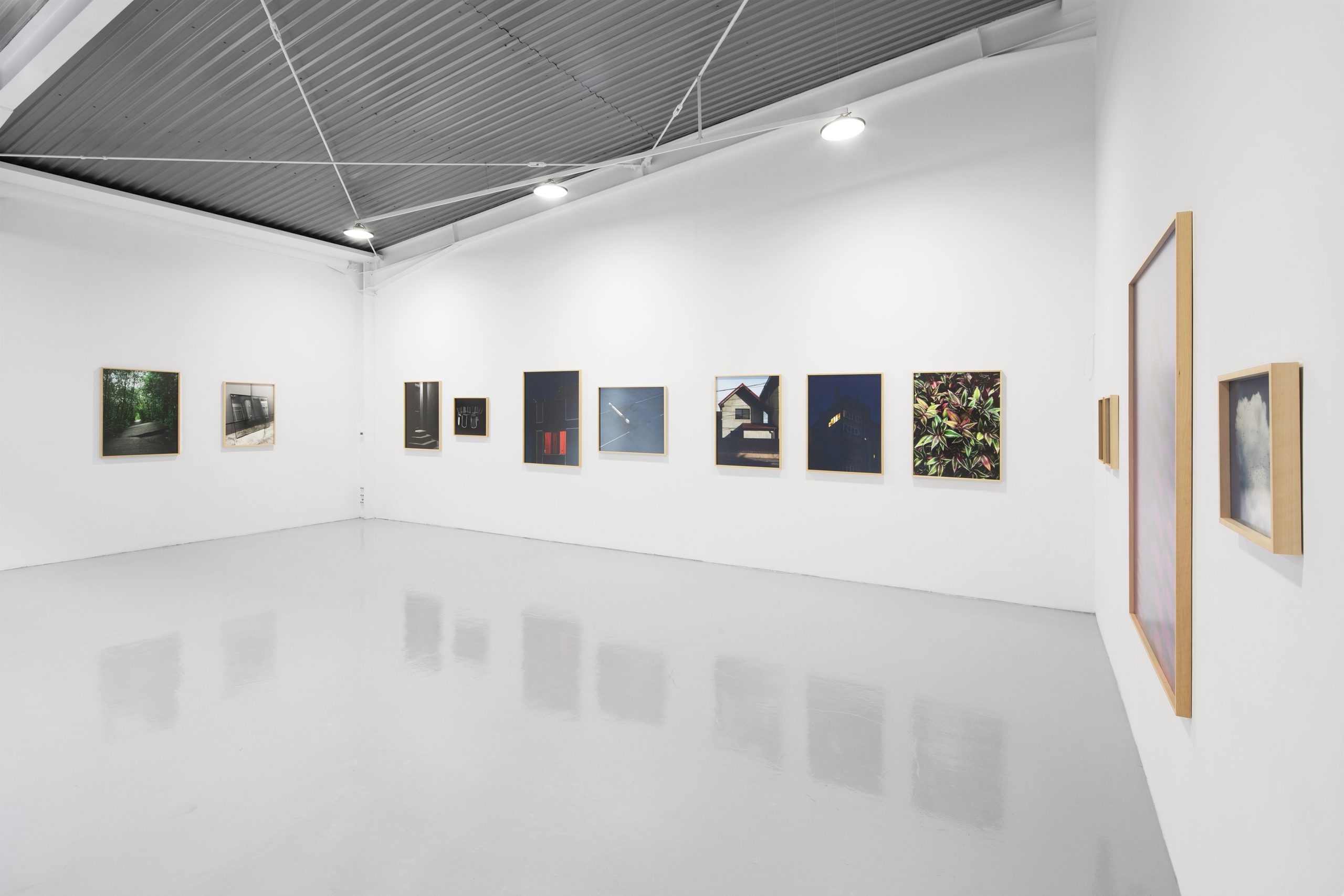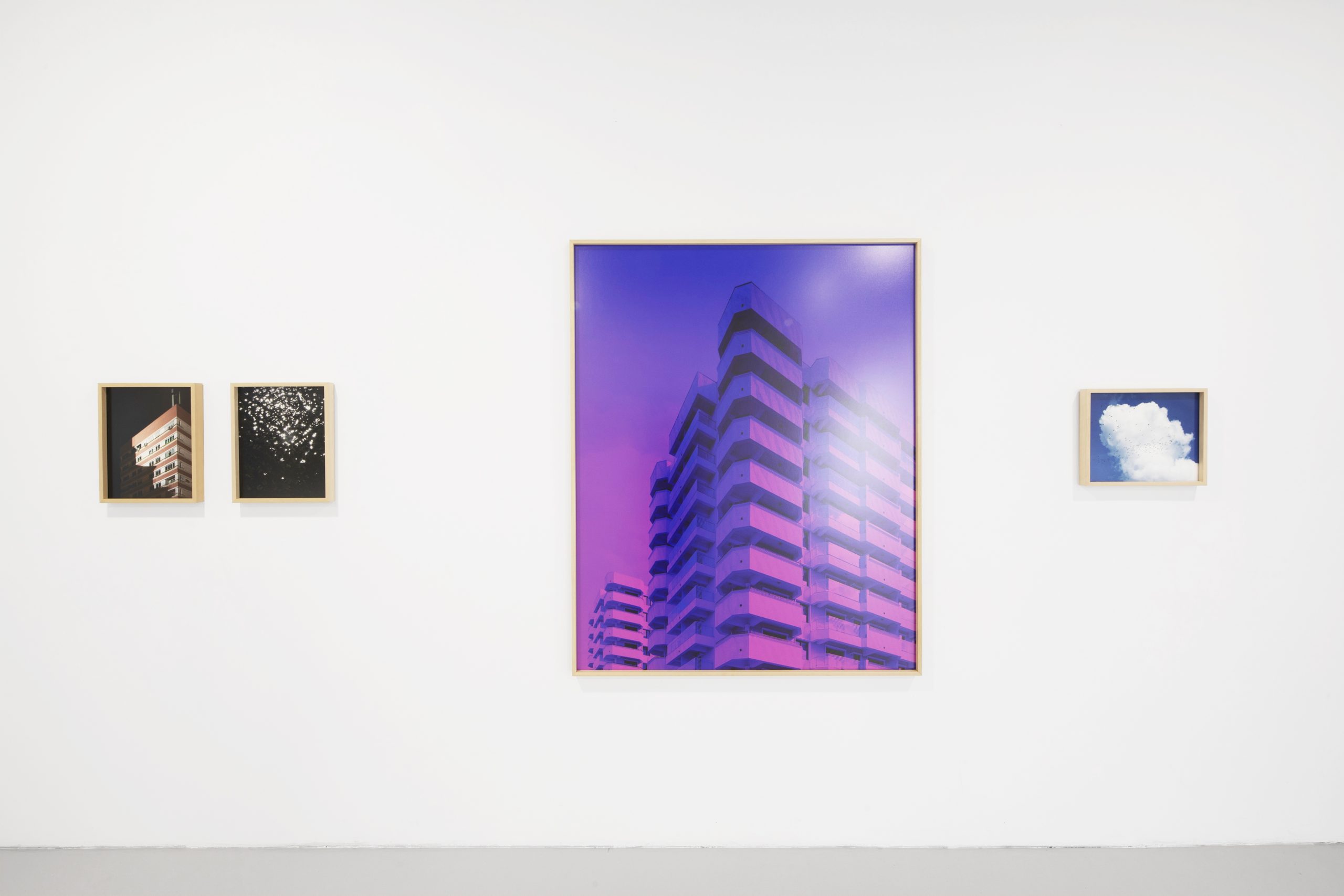
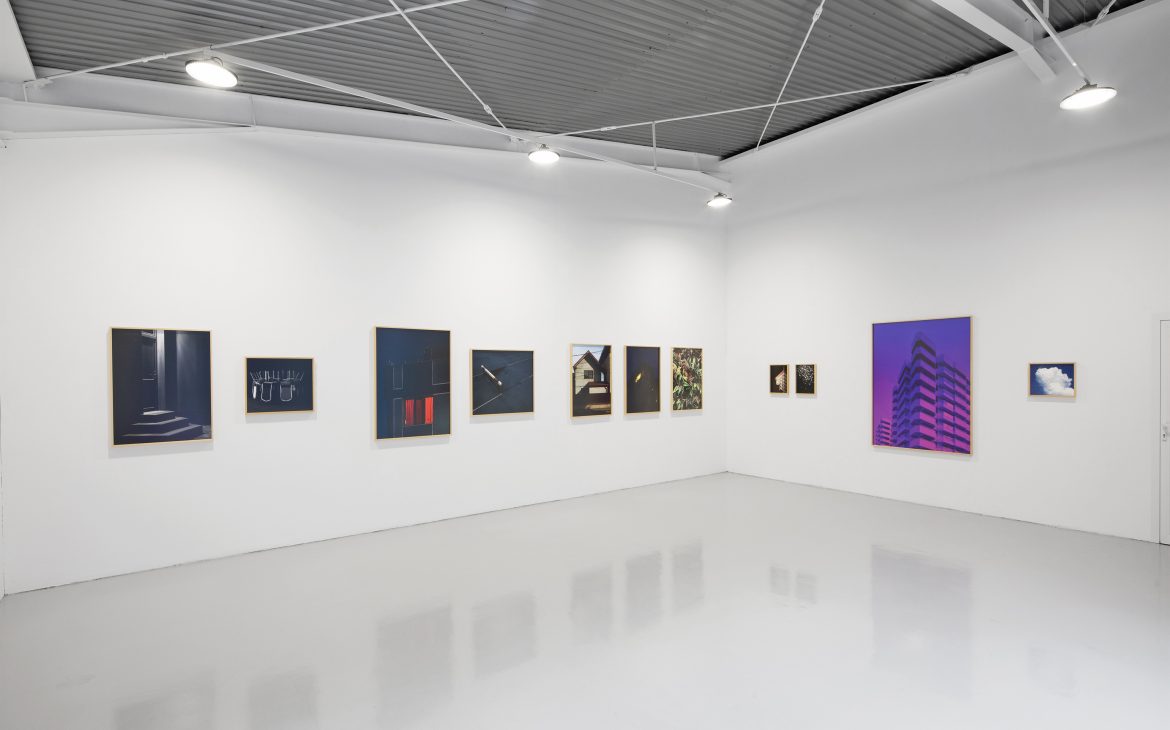
Borderline Art Space presents the photography exhibition “Mega Images” of the German artist Juliane Eirich. The exhibition is the result of a three-week artist residency held in July in Iasi.
The Mega Images exhibition marks the launch of the collaborative project between Juliane Eirich and the writer Lavinia Braniște (author of the novels “Interior zero” and “Sonia raises her hand”). Photographs by Juliane Eirich are complemented by Lavinia’s confessional writing: “How long until the future?”, “Teach me to fight for you”, “I keep wondering how I would arrange the house if it were mine”, and “I thank God that there is Mega Image in my life”.
The title of the exhibition reflects “the moment of debunking false appearances” and refers to the Mega Image supermarket chain. During the three weeks spent in Iași during the creative residency, the artist Juliane Eirich discovers that Mega Image is not a photography studio or a print shop that processes images, as the name of the supermarket would suggest.
During the three-week residency, frequenting the Mega Image supermarket becomes part of the artist’s daily routine, although her artistic discourse is built against the globalization of the commodity market.
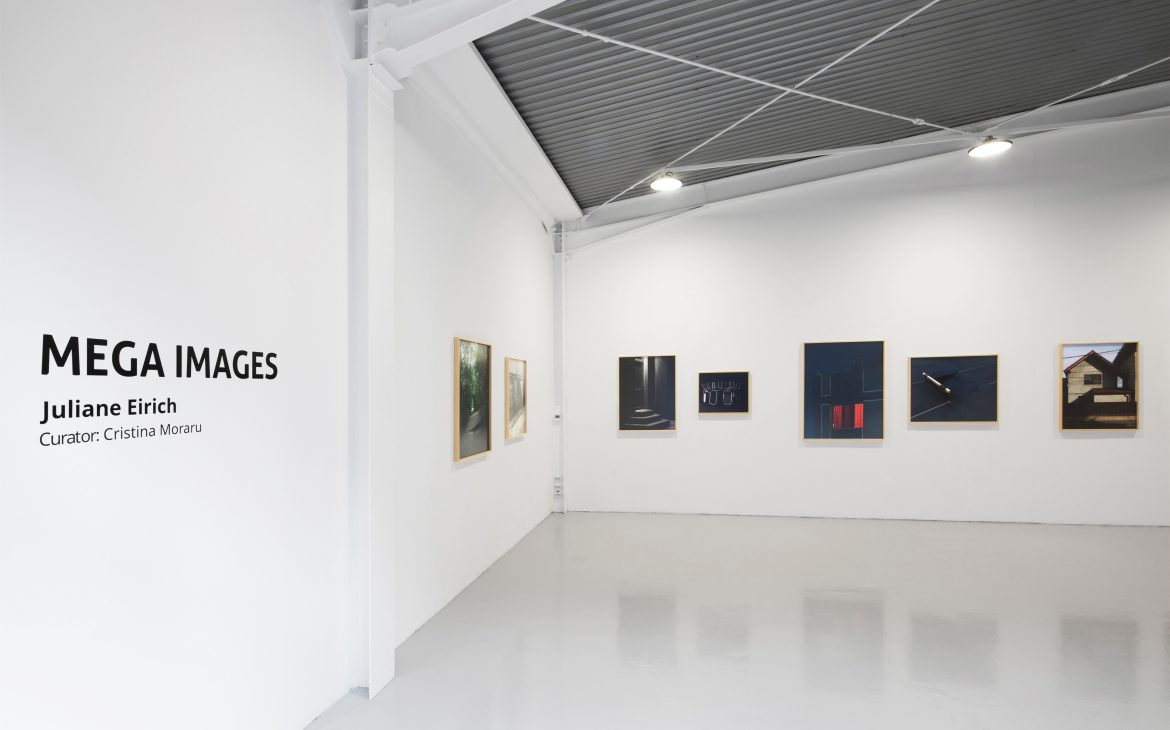
” Juliane Eirich investigates ways of inhabiting a space, tracing conceptual relations between nature − as the signifier of a cosmic constitution that resides in every lived experience − and the urban environment, as the dynamic interstice of an annular causality that perpetuates standardized beliefs and behavioral typologies. By photographing the shadow of Sfinții Trei Ierarhi monastery cast over a residential building, Juliane Eirich captures the essence of the local identity constitution over which the ‘shadow’ of religiosity governs. In a Derridean reading, living in the shadow of the Three Holy Hierarchs monastery refers to the spectrality of Orthodox faith, constituted as that which is never present in itself, but can be sensed at the level of its absence. For Derrida, spectrality is neither substance, essence, nor existence, but it is what establishes the politics of memory and cultural heritage.
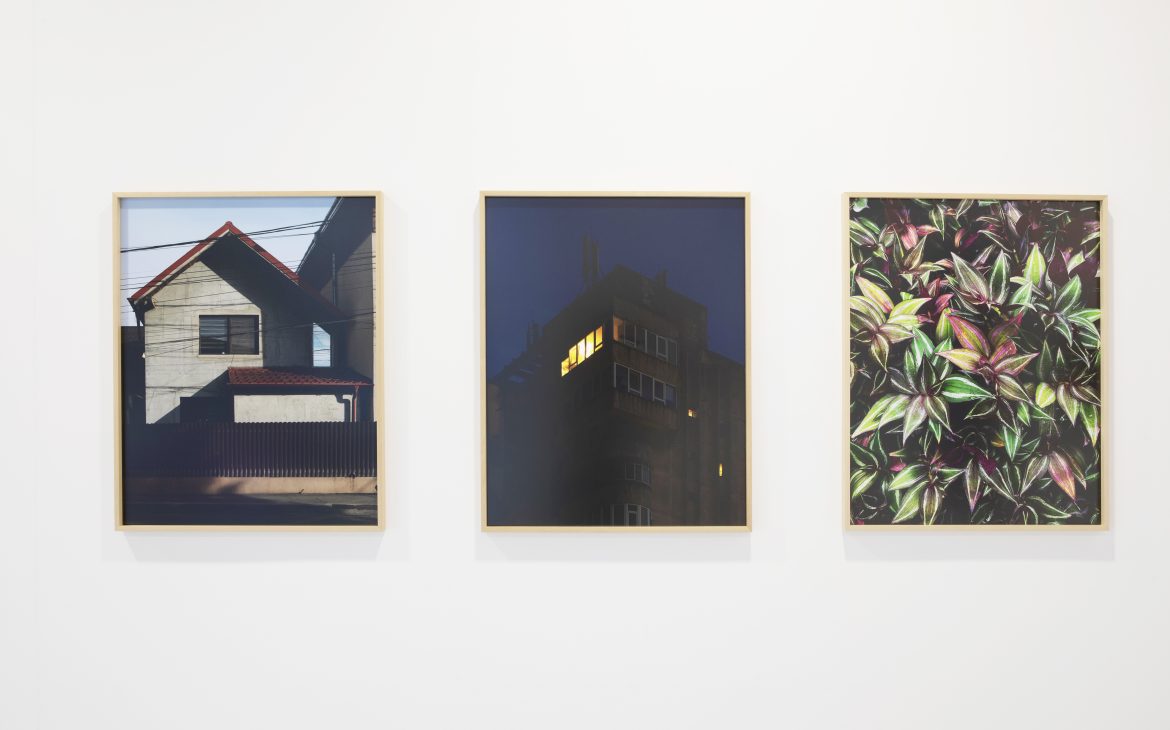
The photograph of the Three Holy Hierarchs monastery’s shadow refers to the problematization of absence felt at the level of the ambiguity generated by alternations between presence and absence. The outline of the monastery, so deeply rooted in the collective mind, can be recognized in this photograph, but it retains a certain ambiguity found in the ‘undecidability’ of its shadow. In other words, although the monastery is missing as a representation from this image, its absence is not constituted as a lack of presence − identifiable at the level of its signification − but as a terrain of ‘undecidability’.
For Derrida, ‘undecidability’ describes inflections of the relation between presence and absence, between what is unhidden and what remains hidden, in a manner that reconsiders the origin of any system of signification. In this sense, Juliane Eirich challenges us to reflect upon the significance attributed to the shadow of the Sfinții Trei Ierarhi monastery as that which remains hidden at the level of visual representation even though it constitutes a significant presence in the city of Iași.
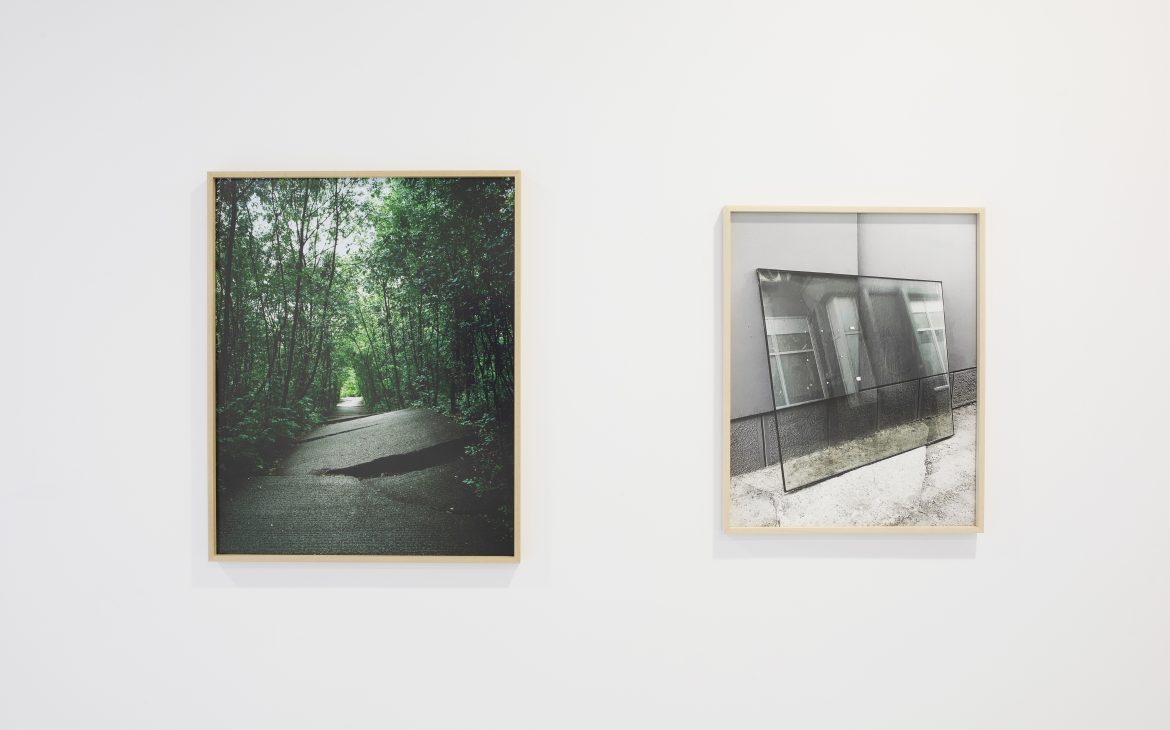
Many of Juliane Eirich’s photographs for the Mega Images exhibition are metaphors for the absence of human presence, the ambiguities between presence and absence drawing conceptual correlations between different types of instantiations that problematize the future of humanity, ecology, or history. The photography of the crumbling terrain in the botanical garden sends a possible apocalyptic scenario of the disappearance of humanity, with nature taking over the entire urban territory and destroying the city’s infrastructure. Similarly, the empty stadium, the conference room photographed at the end of the working day, the abandoned glass panel found on a street in Iași, and the petrified stairs under a diffused light describe a different kind of time, a suspended time, constituted differently from the accelerated time of our actuality, a time subtracted from the logic of capitalism, a time of reflection, an alternative time of inhabitation, a time that reduces daily activity to a minimum to facilitate the flow of thought.
In many of the photographs, human presence remains only insinuated by the relations drawn between light and dark, exterior and interior. As a symbol of inhabitation, the lit light not only signals human presence, but also describes typologies of behavior that can be intuited by interpreting the intensity of light, its temperature or its color.” (Cristina Moraru – excerpt from the curatorial argument)
The exhibition “Mega Images”, curated by Cristina Moraru, can be visited until December 12, 2022.
Juliane EIRICH was born in Munich, Germany. After completing her studies at the Academy of Photographic Design in Munich, Juliane settled in New York and Honolulu where she continued to develop her artistic practice.
Over time she participated in several creative residencies (18 months in 2007-8 in Seoul, South Korea with a DAAD scholarship, residency at Studio Kura in Itoshima, Japan, July 2011, residency at Nordic Artists Center from Dale, Norway, 2014)
She has exhibited in the USA, Canada, Syria, Tunisia, Italy, Switzerland, France, and Germany.
Her photographs have appeared in numerous publications, including New York Times Magazine, ZEIT Magazine, Süddeutsche Zeitung Magazine, M le Magazine du Monde, Monocle, and European Photography.
She has worked for clients such as Studio Olafur Eliasson, PRADA, Adidas, Daimler, and BMW. Her first monograph ‘Itoshima’ was published by Peperoni Books, Berlin.
Since 2009 she lives and works in Berlin
Borderline Art Space (Bulevardul Carol I, no. 4, Iași) is a contemporary art gallery from Iași that promotes the creations of emerging artists and artists with an articulated and recognized practice on the art scene. Borderline Art Space has an educational role through the cultural events it organizes, thus contributing to the development of the artistic institutional structure.
Project co-financed by AFCN and Iași City Hall.
Sponsor: Gramma.
Partner: German Cultural Center, FAPT.
Media partners: Radio Romania Cultural, RFI, Ziarul de Iași, Modernism.ro