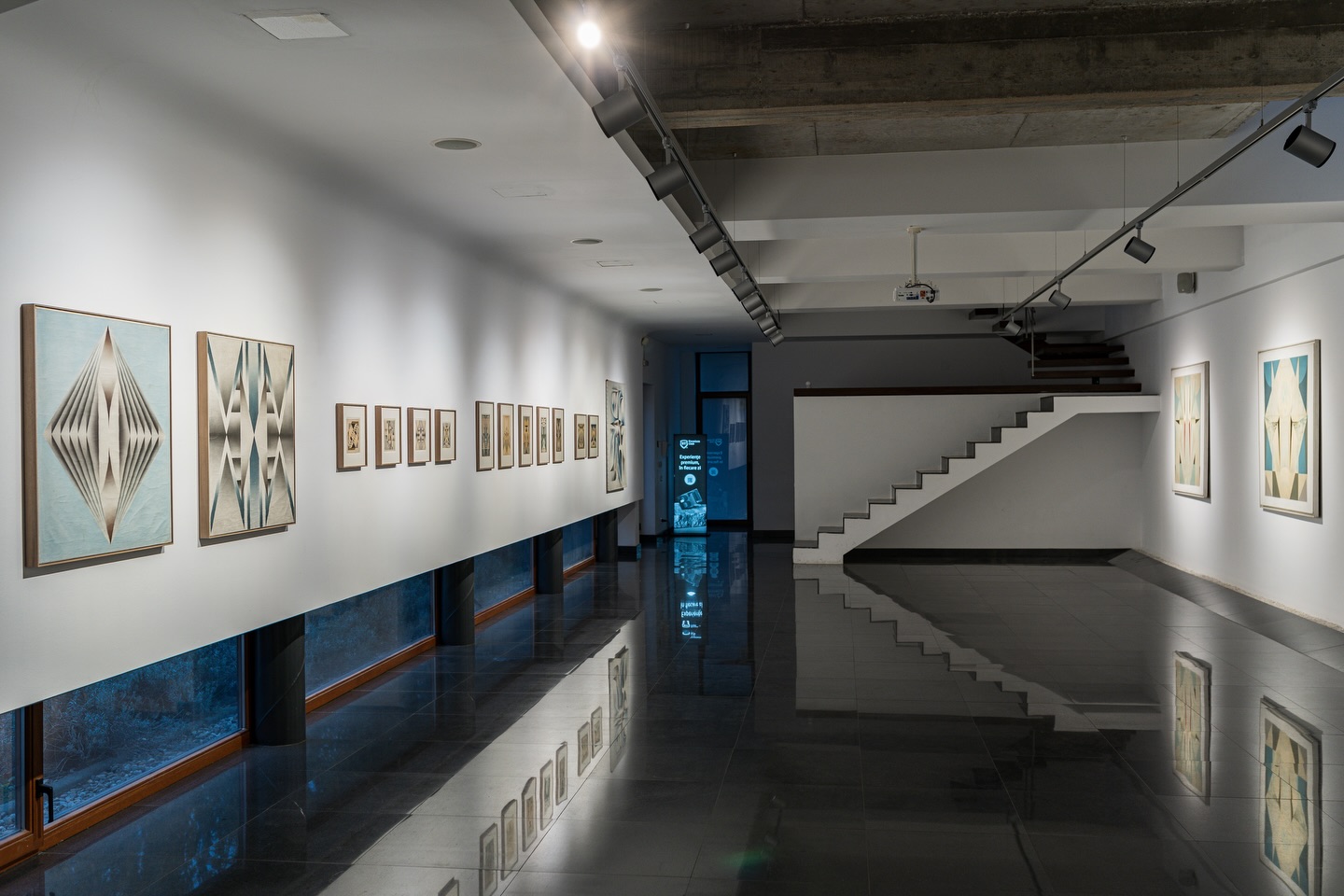
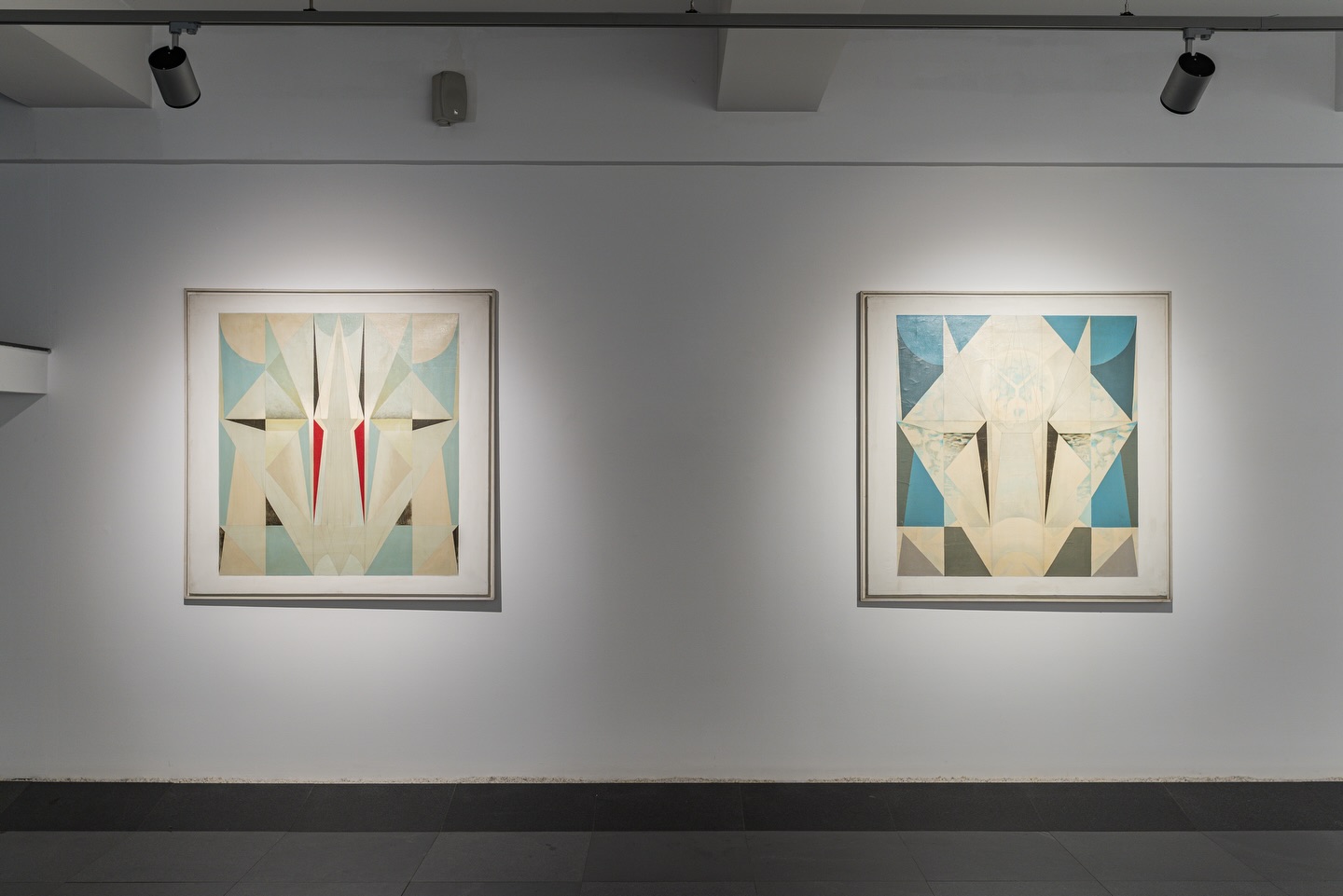
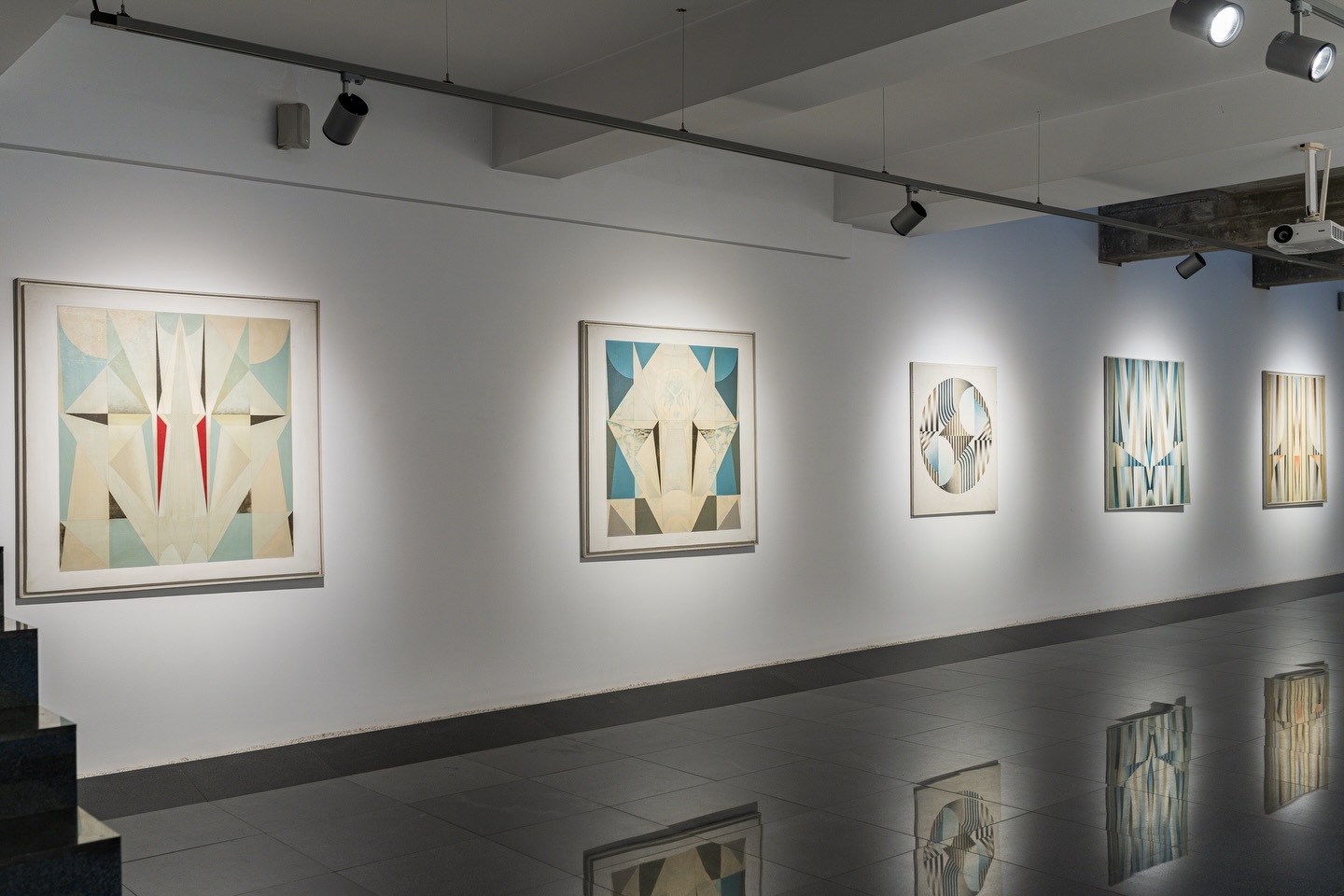
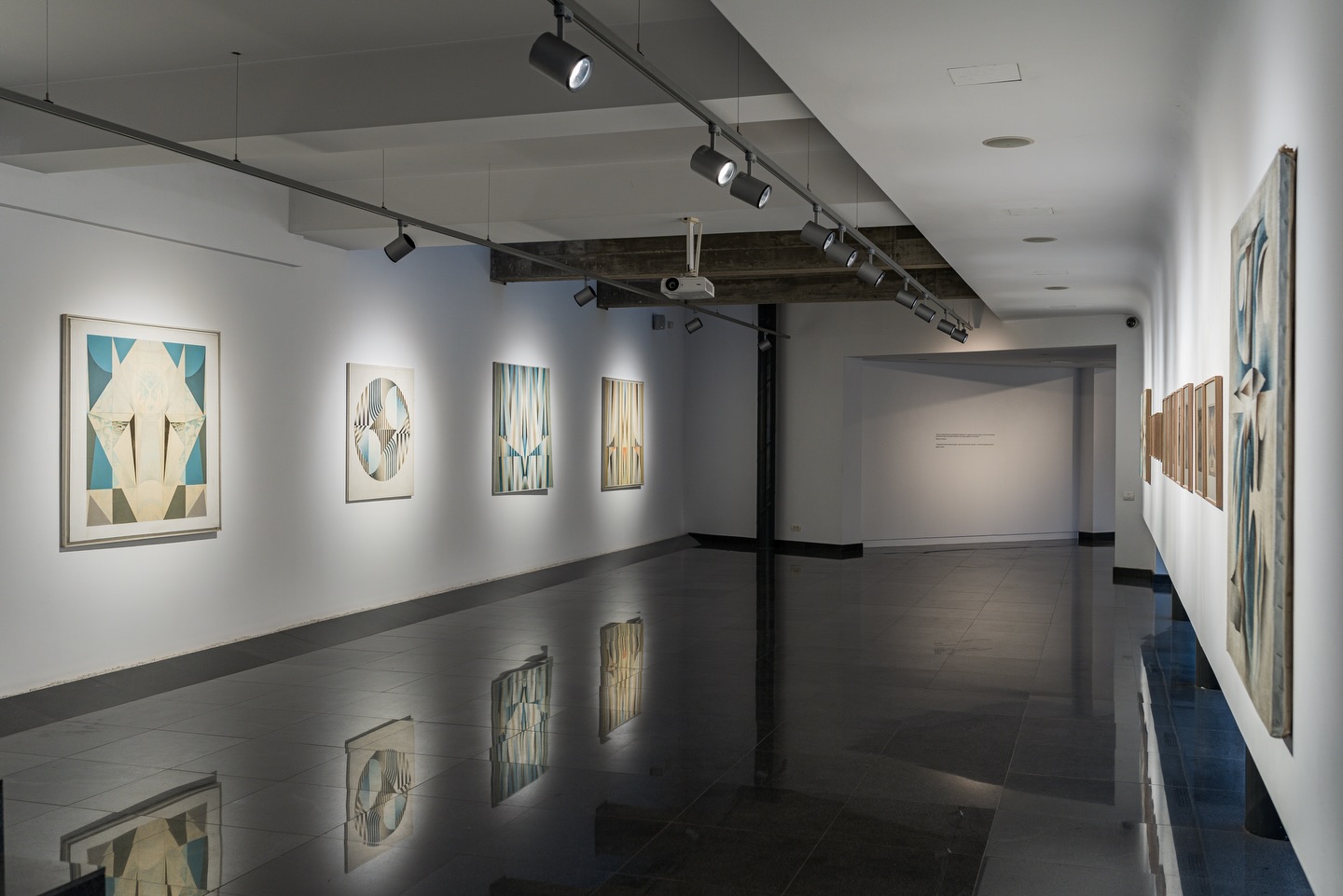
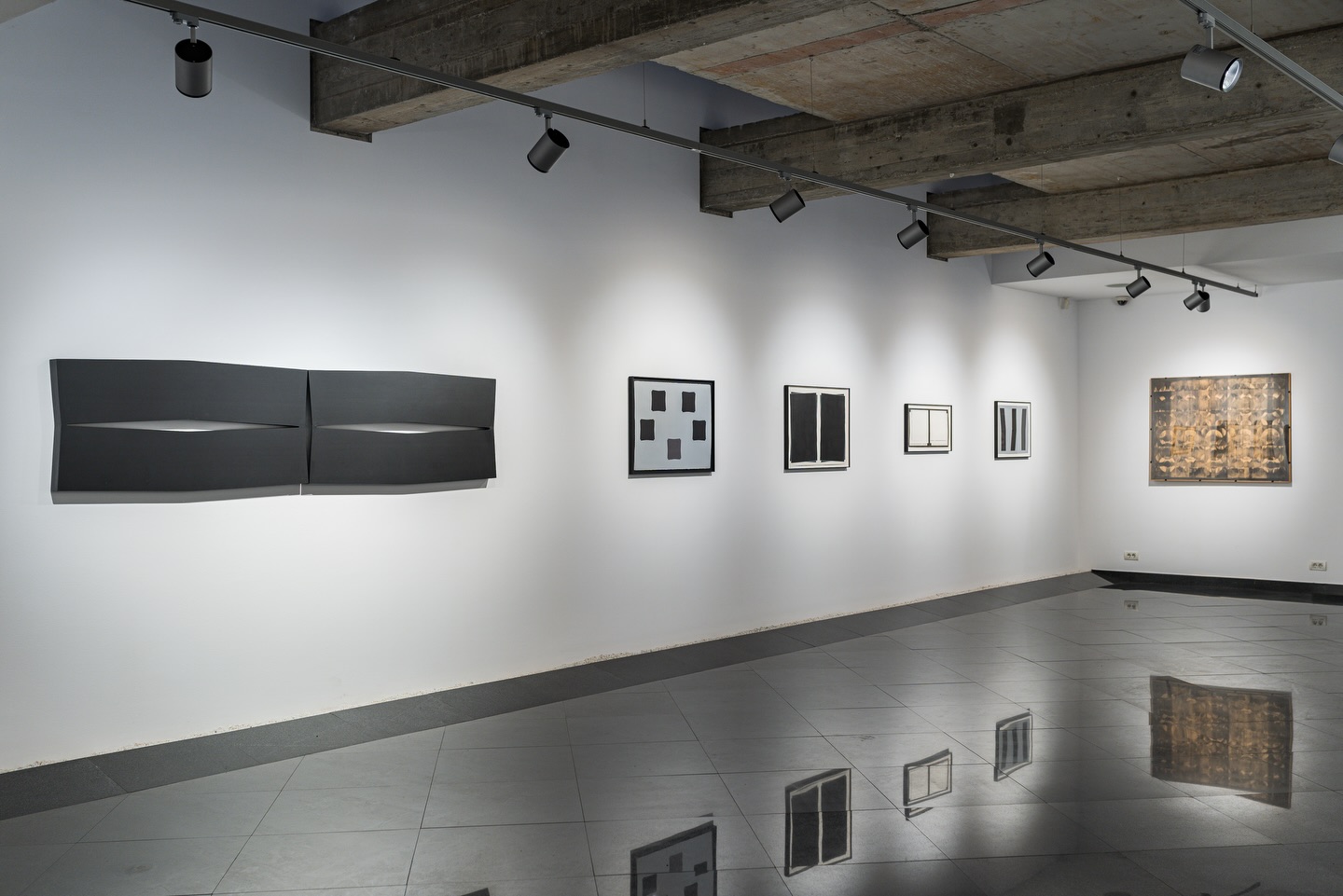
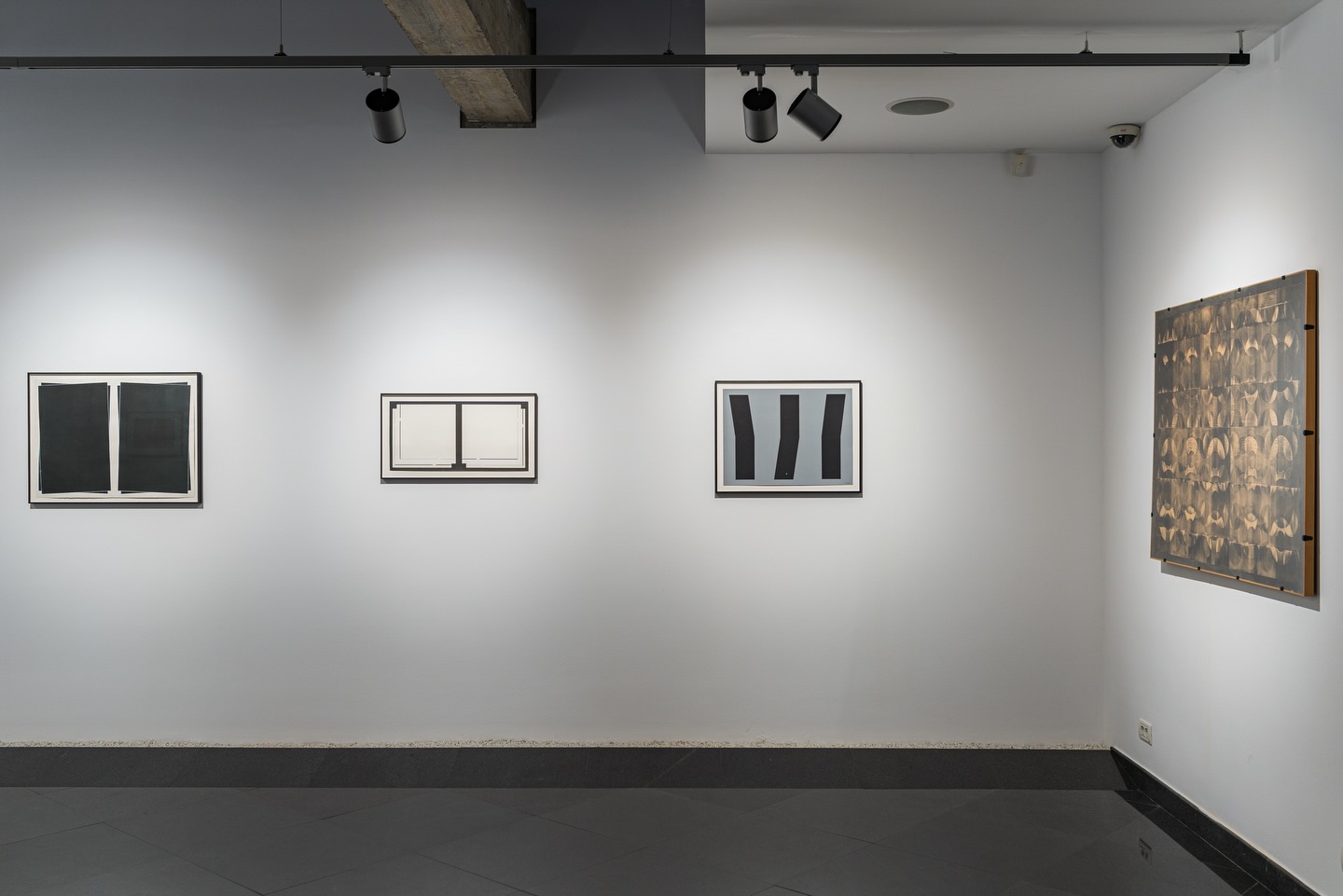
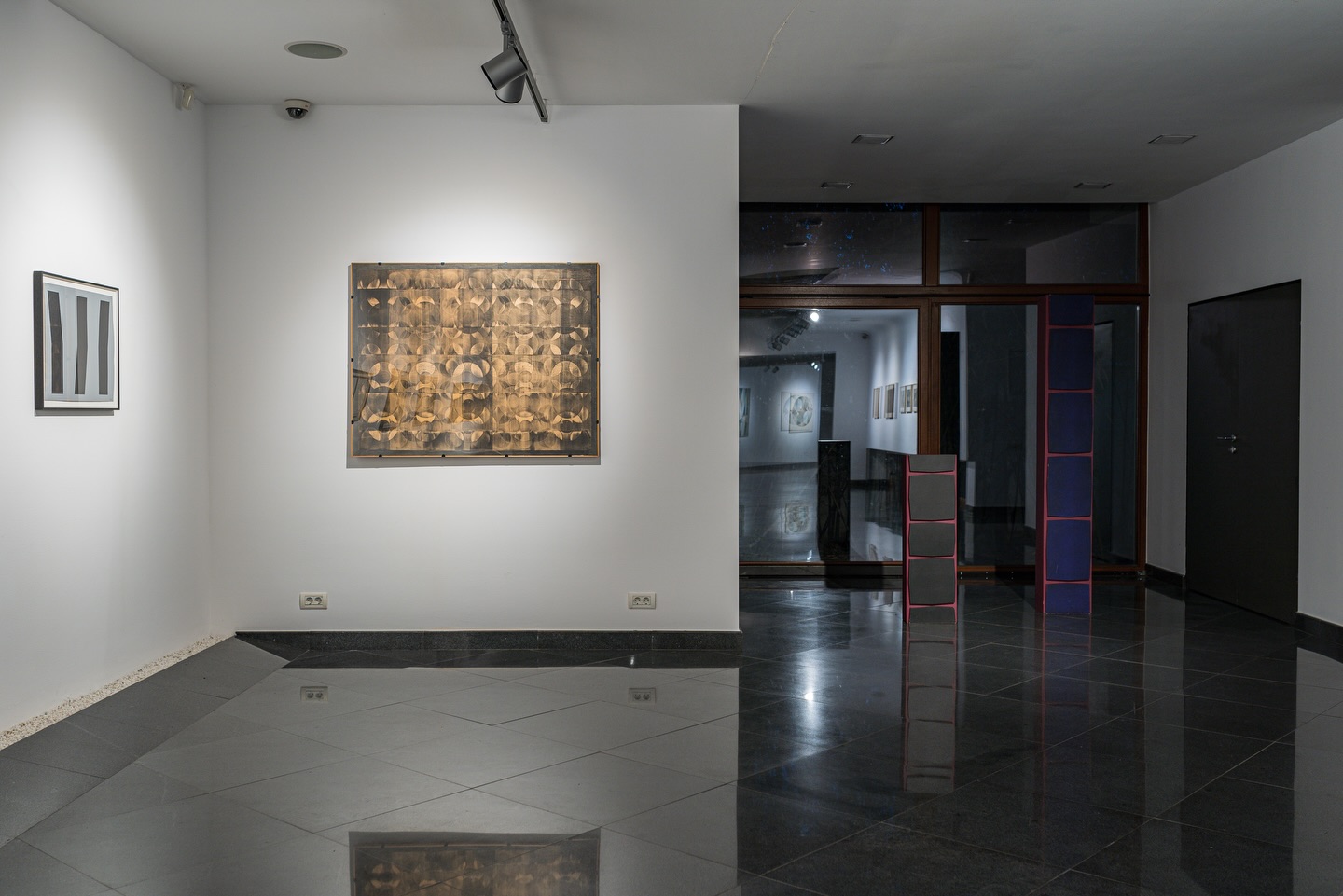
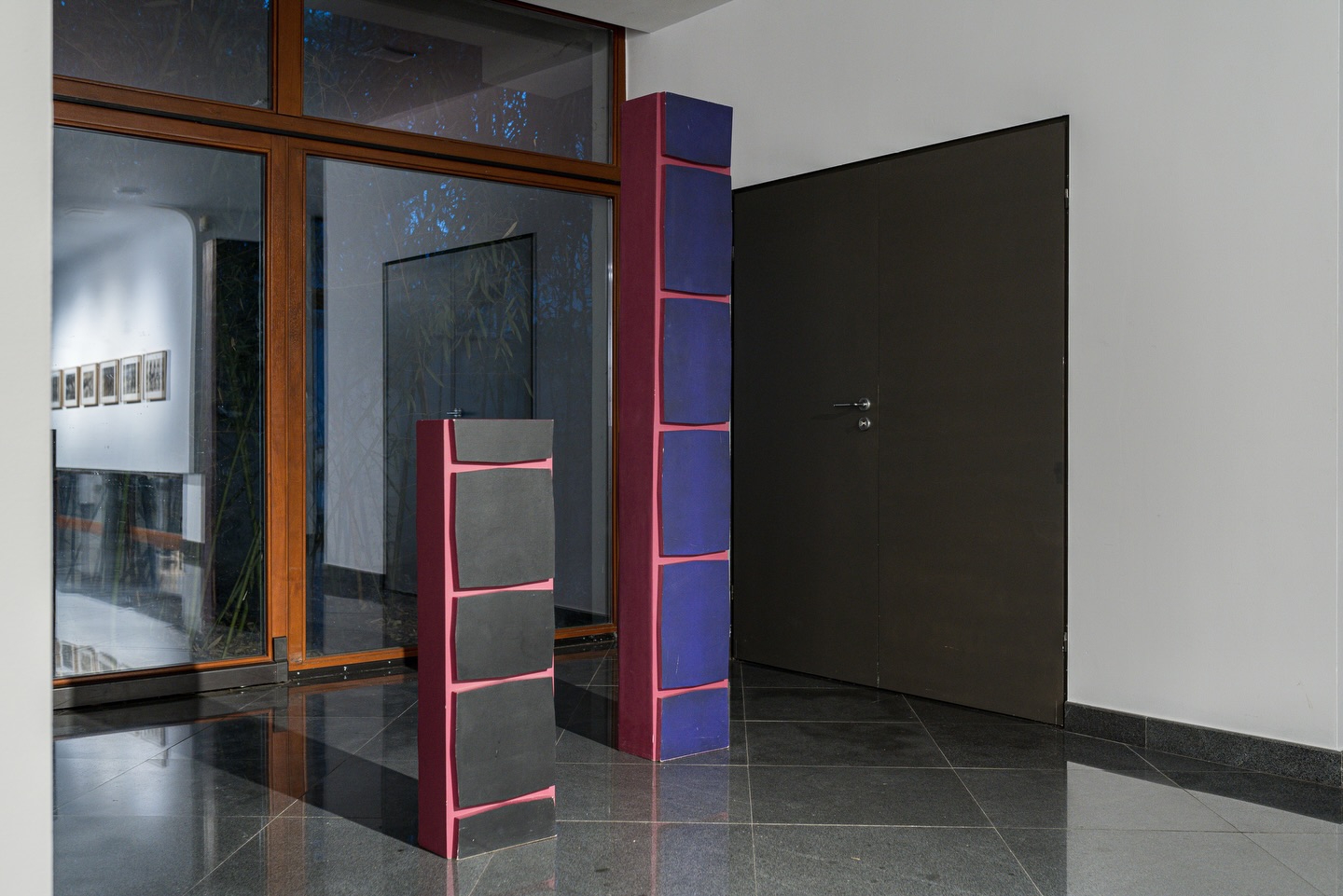
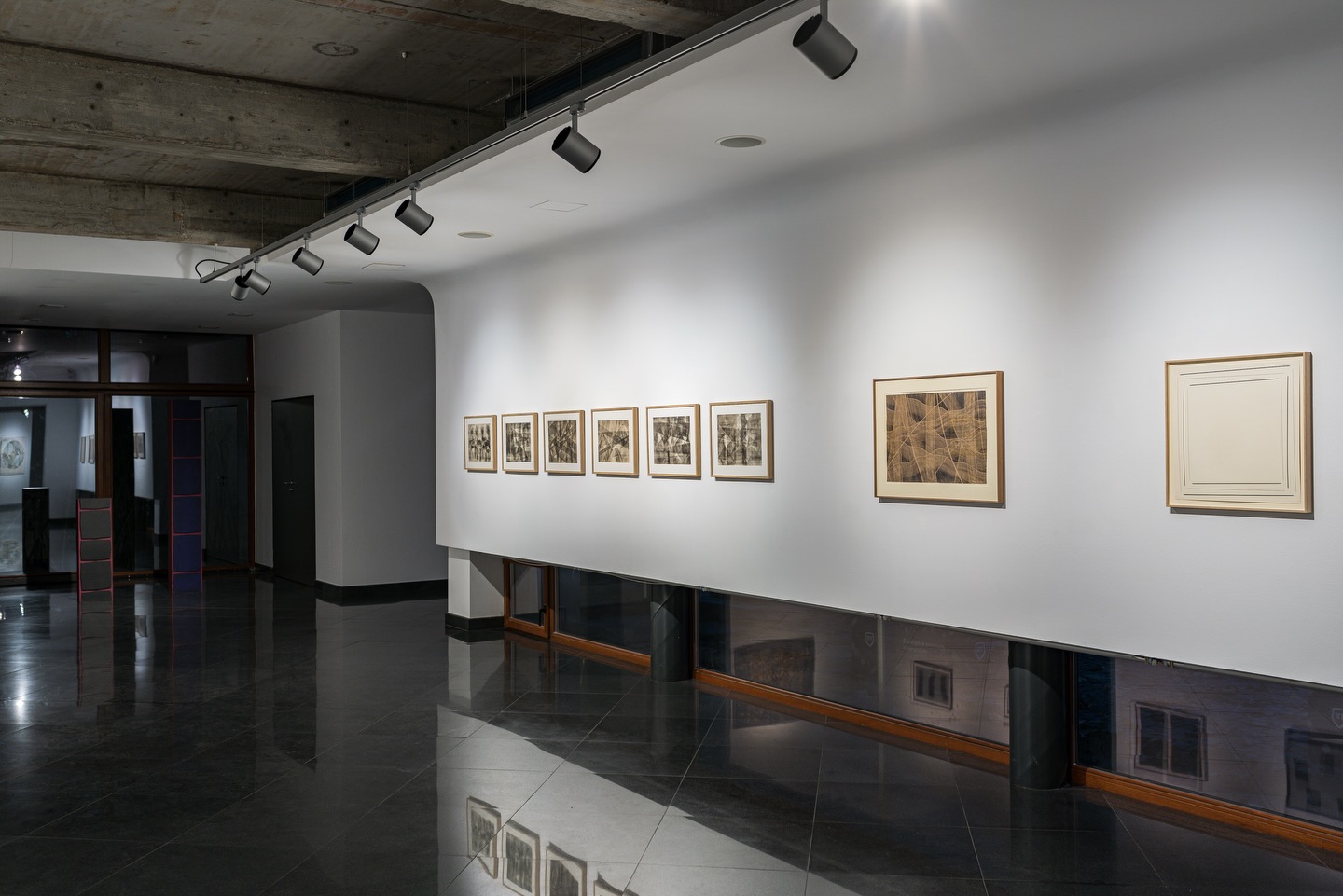
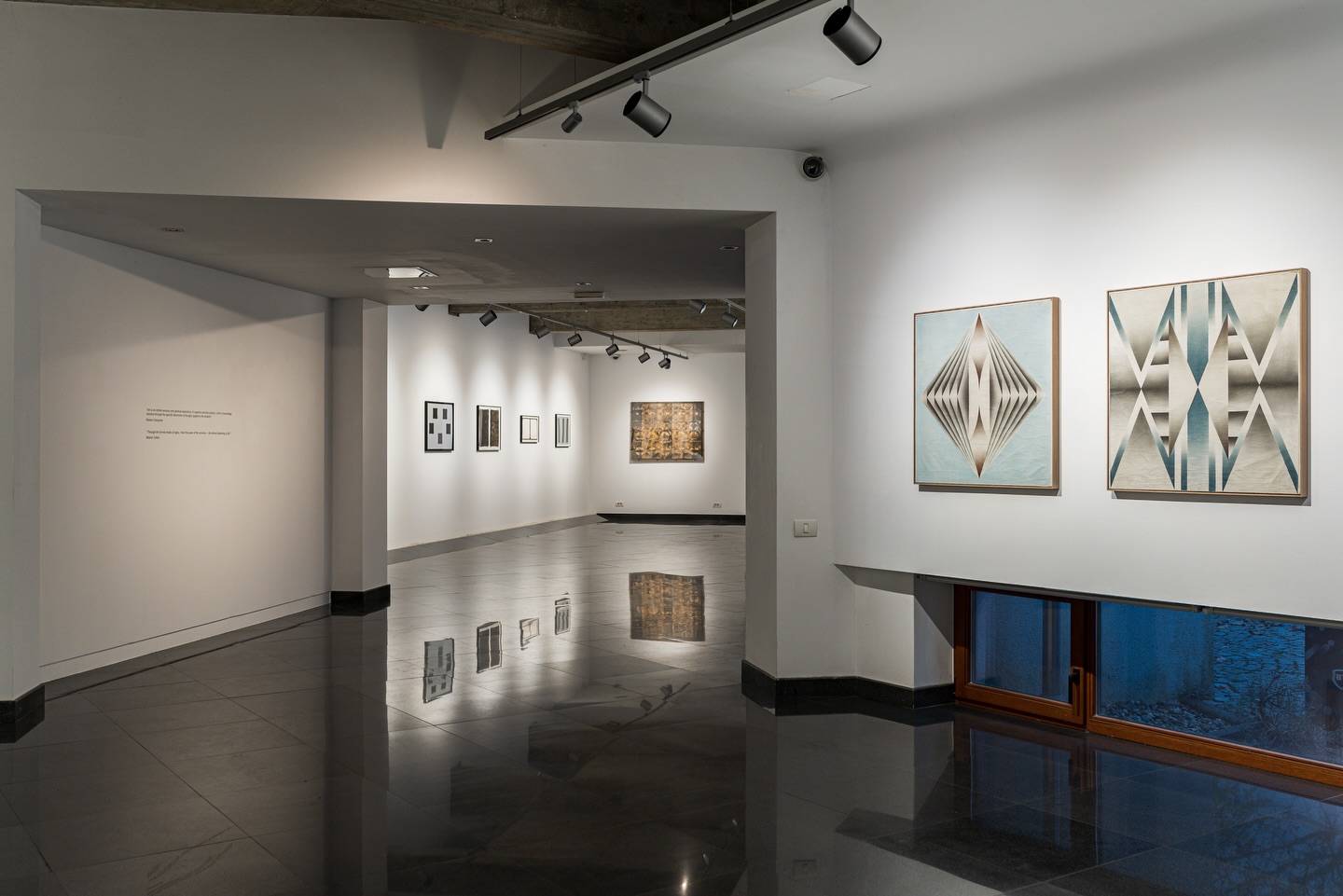
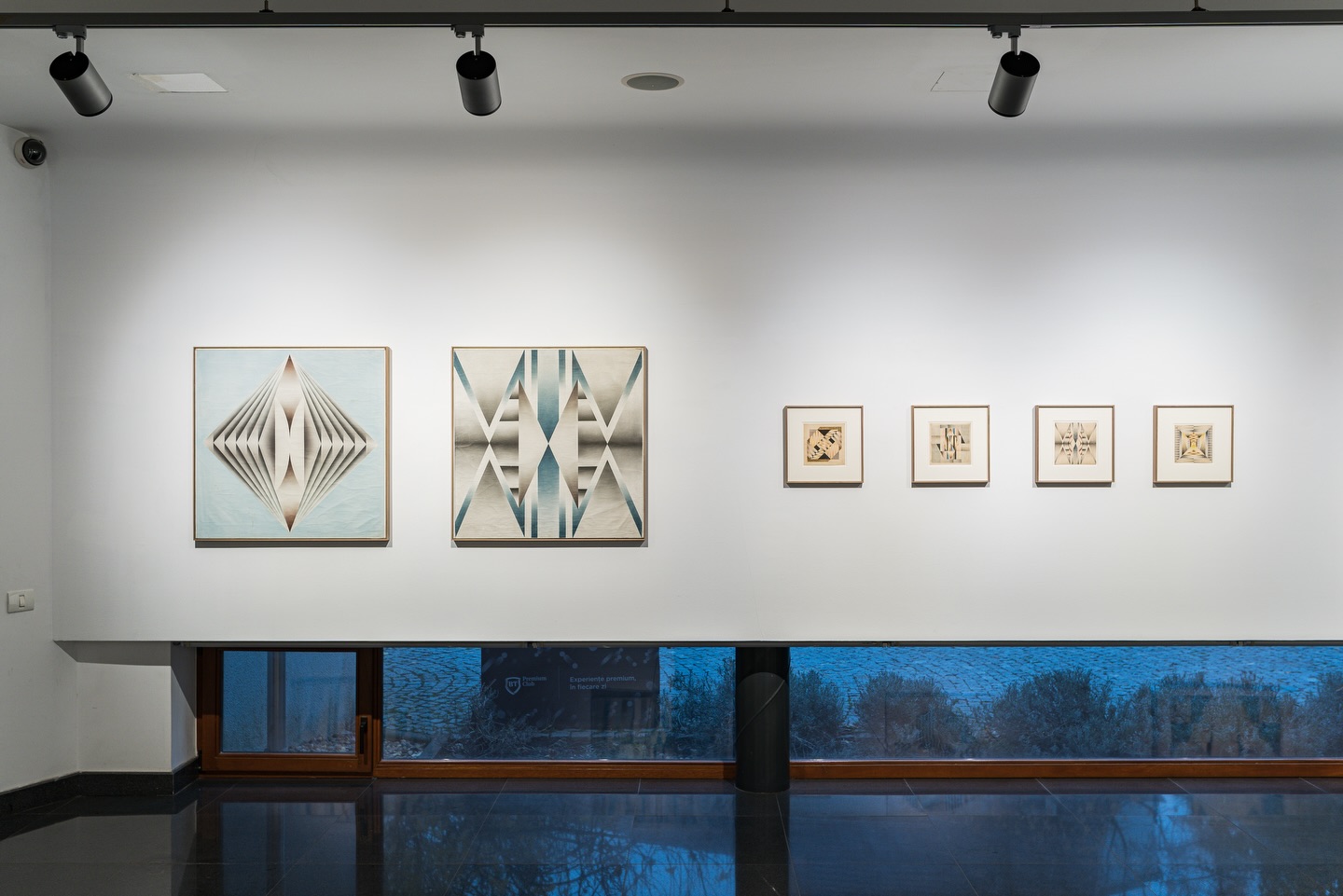
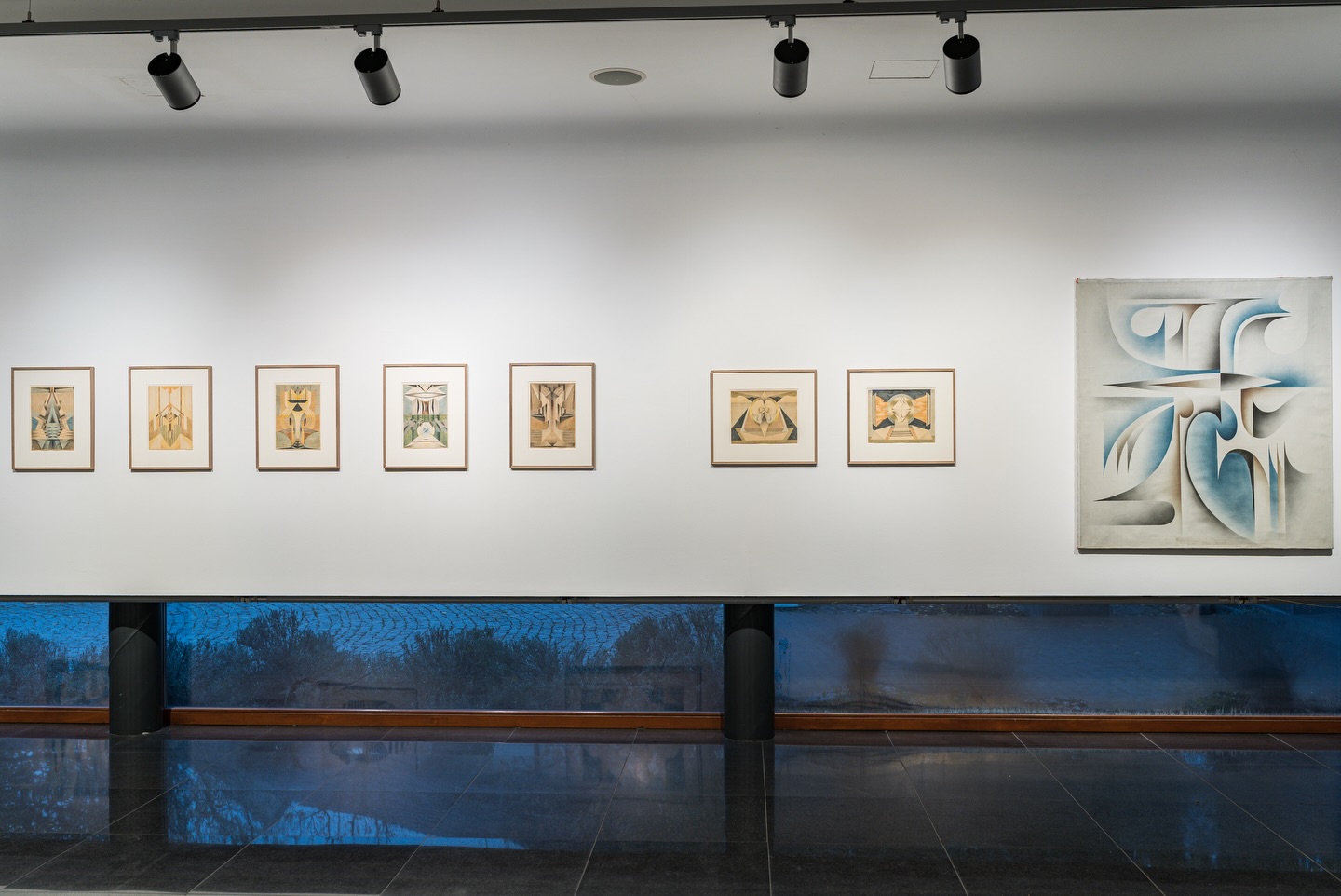
The exhibition Decentralized Games at Jecza Gallery in Timișoara proposes a dialogue between two emblematic artists for articulating the visual modernity of Timișoara in the 1960s – Roman Cotoșman and Molnár Zoltán.
Though distinct in medium and expression, their practices converge within a shared territory of systemic thinking and formal order, where geometric discipline becomes a means of exploring visual freedom. These themes defined not only their individual trajectories but also the broader artistic collective of Timișoara during the 1960s and 1970s, one of the most coherent and representative movements in postwar Romanian art.
A founding member of the 1+1+1 Group (1966–1969), alongside Ștefan Bertalan and Constantin Flondor, Roman Cotoșman is one of the defining figures of Romanian constructivist art. After a brief period of figurative and informal explorations, the artist turned to a rigorous, geometric language, where composition becomes an autonomous, rational and clearly articulated system. In 1967, alongside Ștefan Bertalan and Constantin Flondor, he represented Romania at the Nuremberg Constructivist Art Biennial.
After 1970, Cotoșman emigrated, first to Germany, then to the United States, settling in Philadelphia. There he continued his artistic activity in a minimalist spirit, through drawings, collages and objects that reflect a lucid reflection on pure form. After 1989, his works returned consistently to important exhibitions in Romania, and in 1995 he participated in the Venice Biennale, in the Romanian Pavilion. His practice remains a bridge between Romanian constructivism and the international avant-garde landscape.
A graduate of the “Ioan Andreescu” Institute of Fine Arts in Cluj-Napoca, Molnár Zoltán was close to the artists of the 111 and Sigma Groups, sharing with them an interest in art, science and interdisciplinarity. After a period of teaching activity at the Faculty of Arts in Timișoara (1963–1972), he dedicated himself to creation and scenography, collaborating with the Hungarian State Theatre and the National Opera in Timișoara.
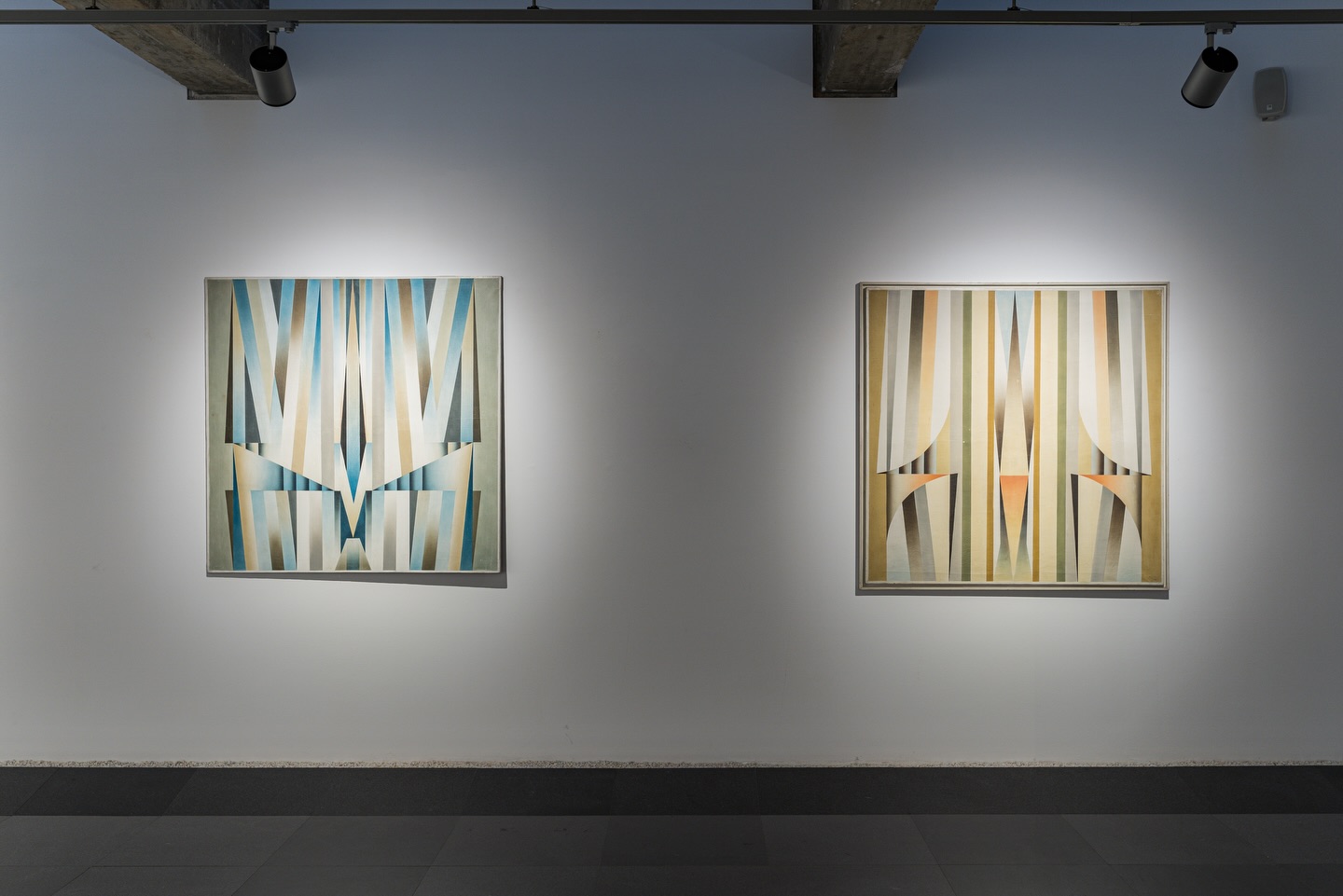
Molnár Zoltán is recognized for his explorations in visual art, where he organically combines kinetic art and op art with deep spiritual themes. His practice goes beyond the traditional visual experience, using vibrant colors and geometric shapes to create compositions that resonate with a musical harmony and structural precision. The artist believed in the power of art to reach the essence of existence, stating:
„I hear through the media of the signs the pulse of the universe, the eternal commencement of life.”
Molnár’s art is one of abstraction as an end in itself, an exploration of forms, rhythms and chromatics in an almost musical balance. In his works, geometry meets harmony, and structure becomes a form of visual meditation.
The Decentralized Games exhibition thus functions as a symbolic reunion between two complementary visions of abstract art. For Roman Cotoșman, geometric construction becomes a form of rational meditation, a process through which order and structure transform into a search for the spiritual. For Molnár Zoltán, the same formal discipline converts into a pictorial language with musical resonances, where rhythm, color and form coexist in an almost sonorous balance. (exhibition text)
The Decentralized Games exhibition has been extended until January.