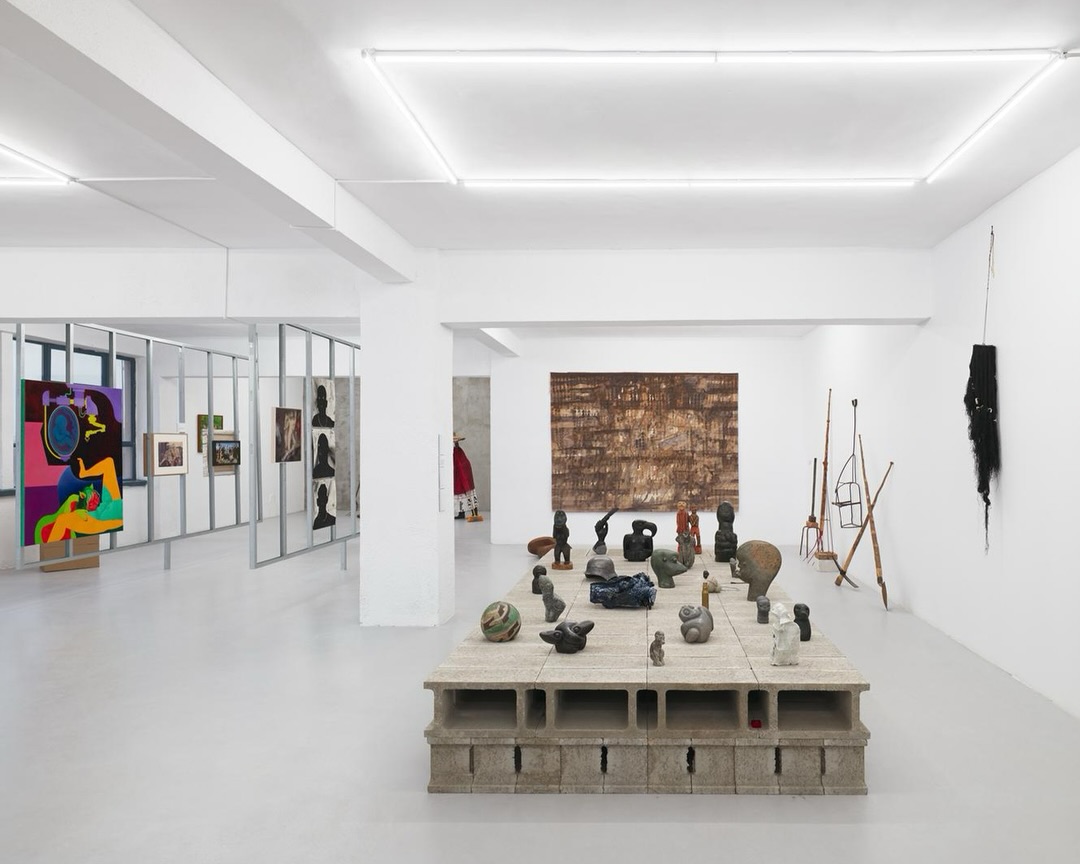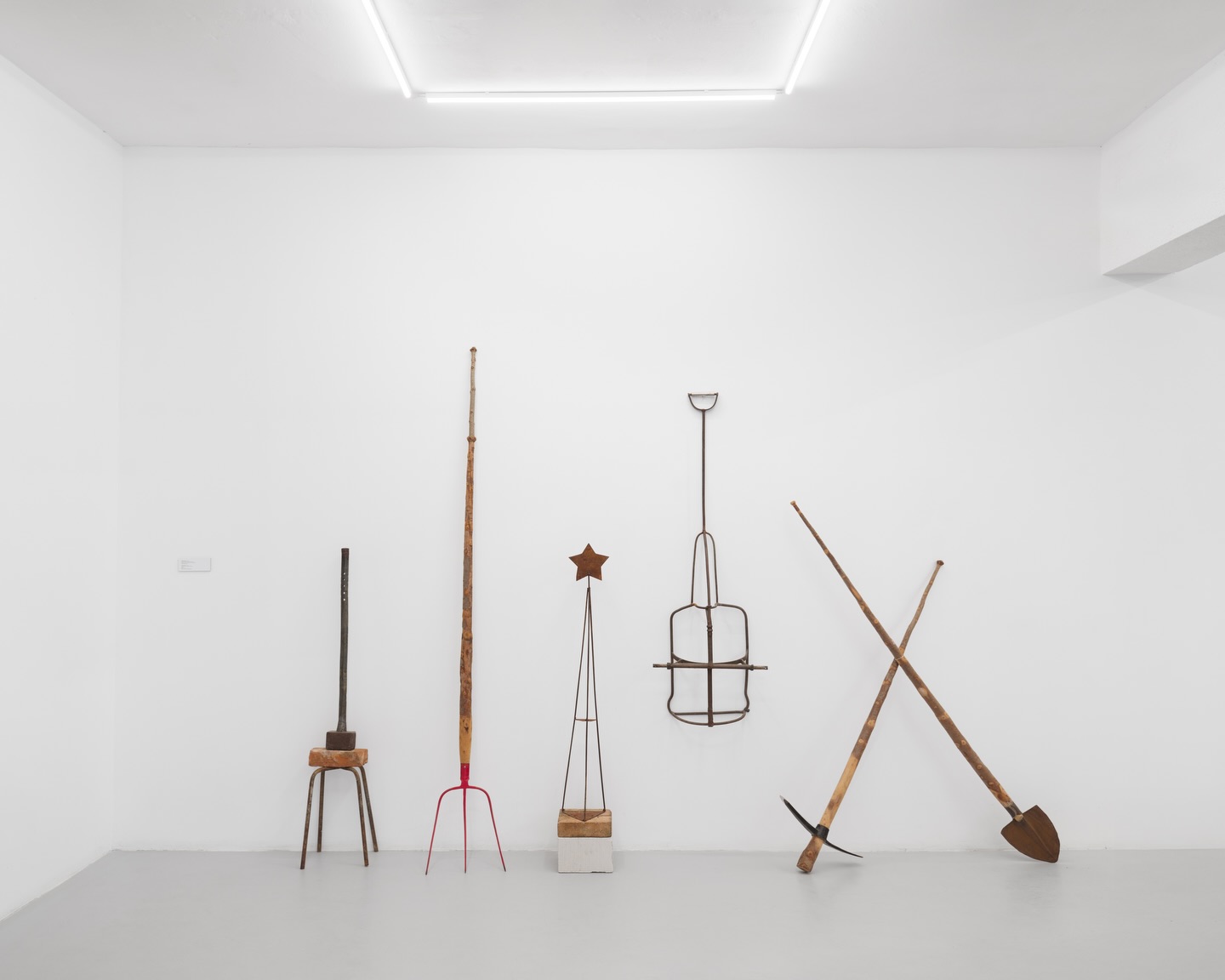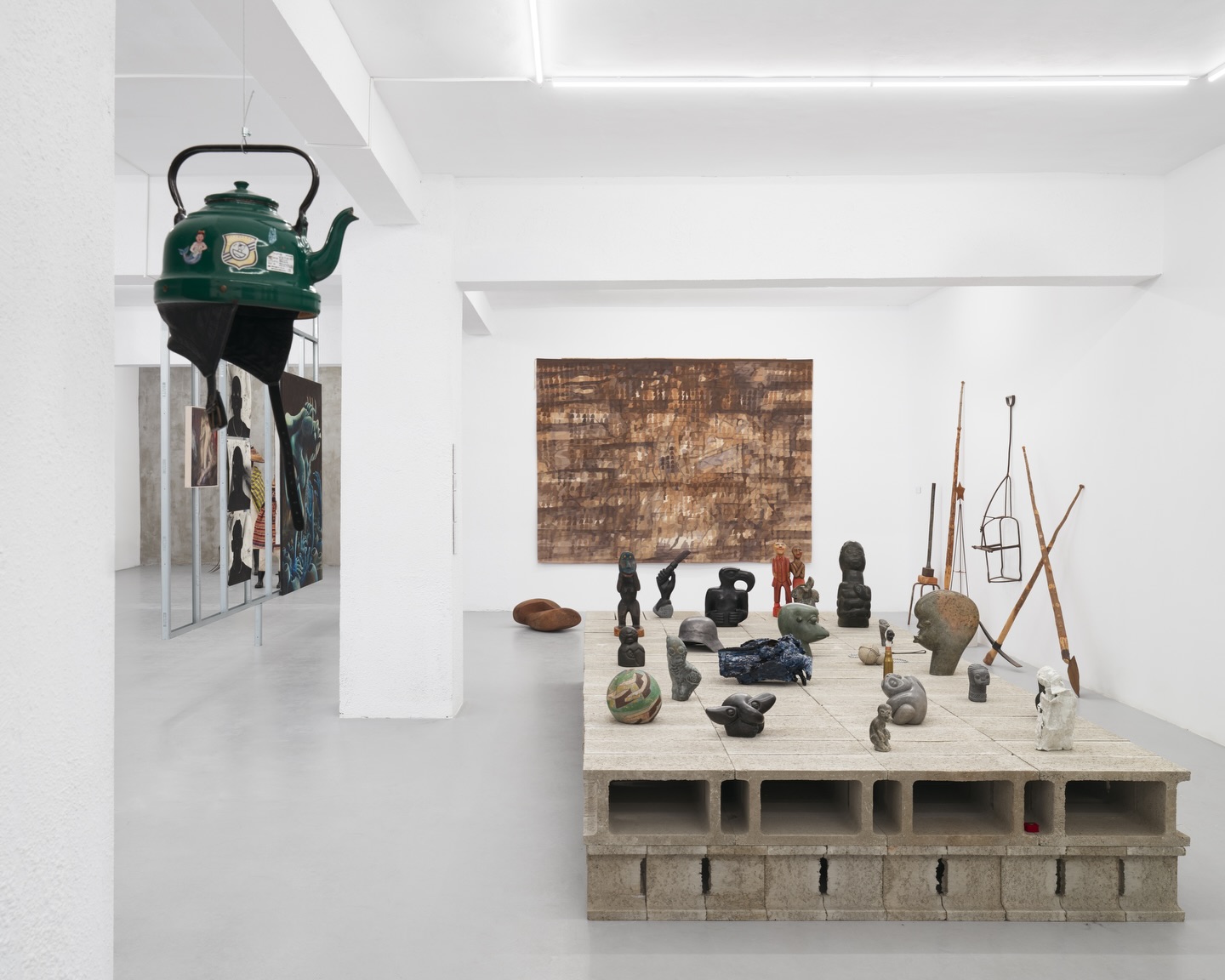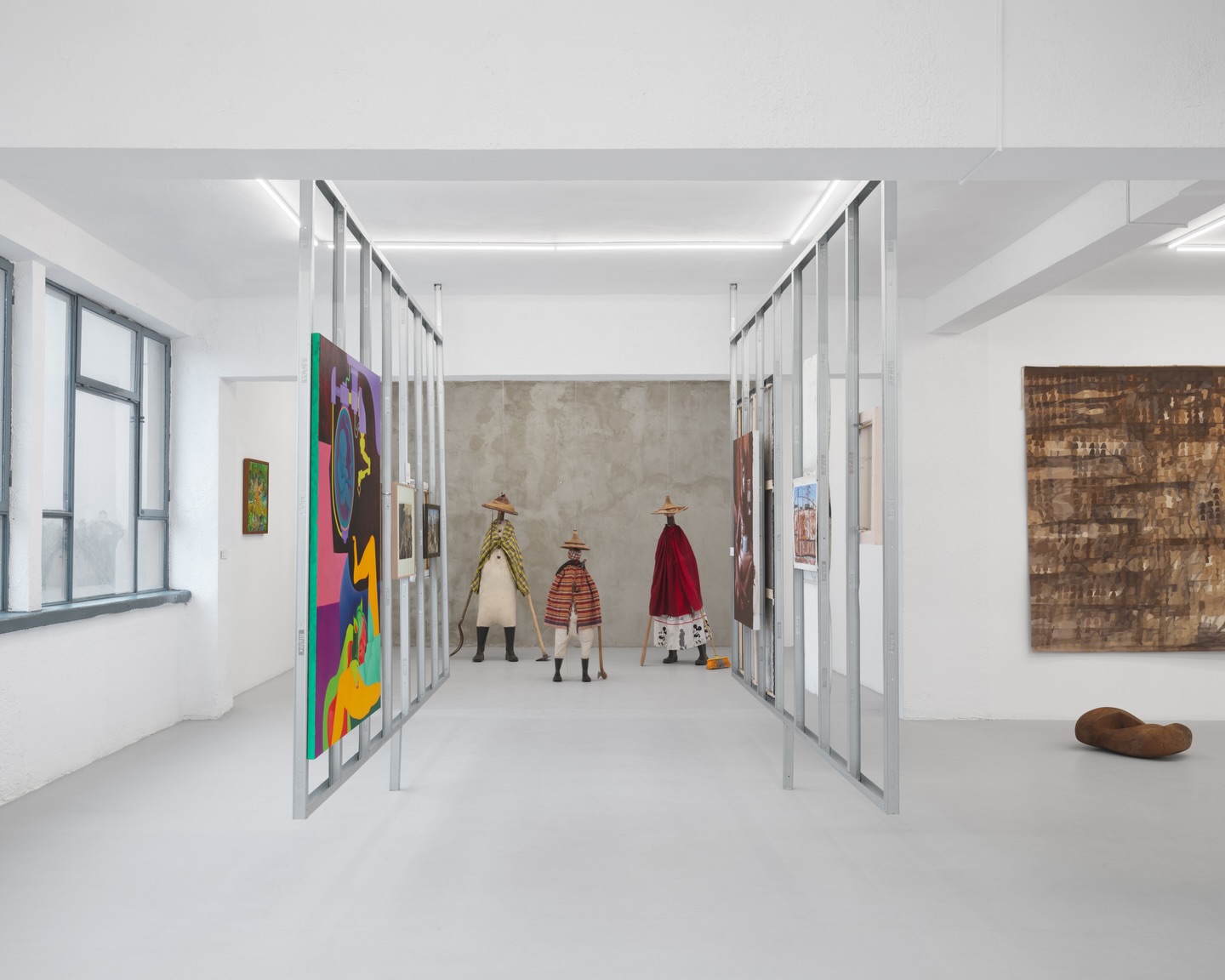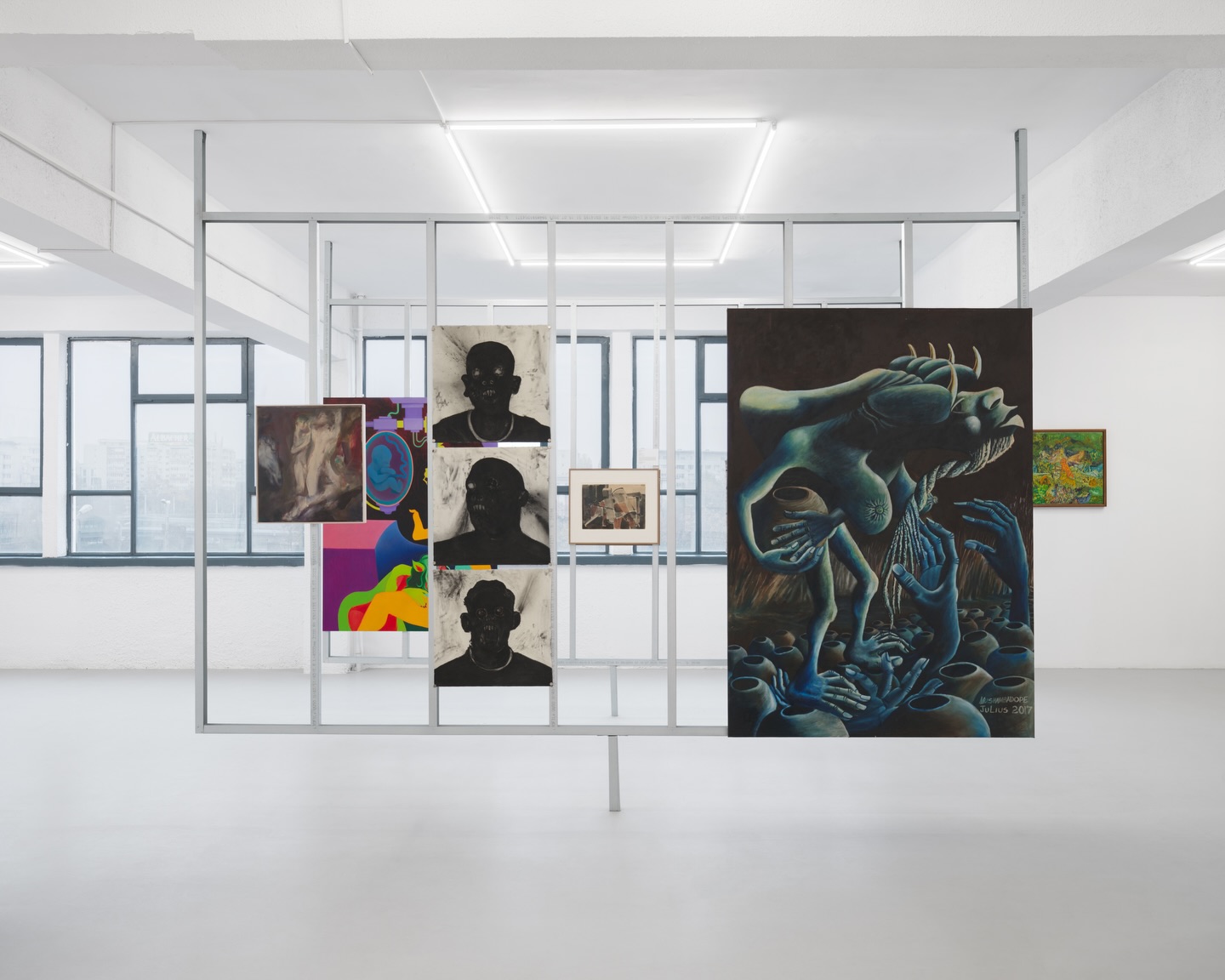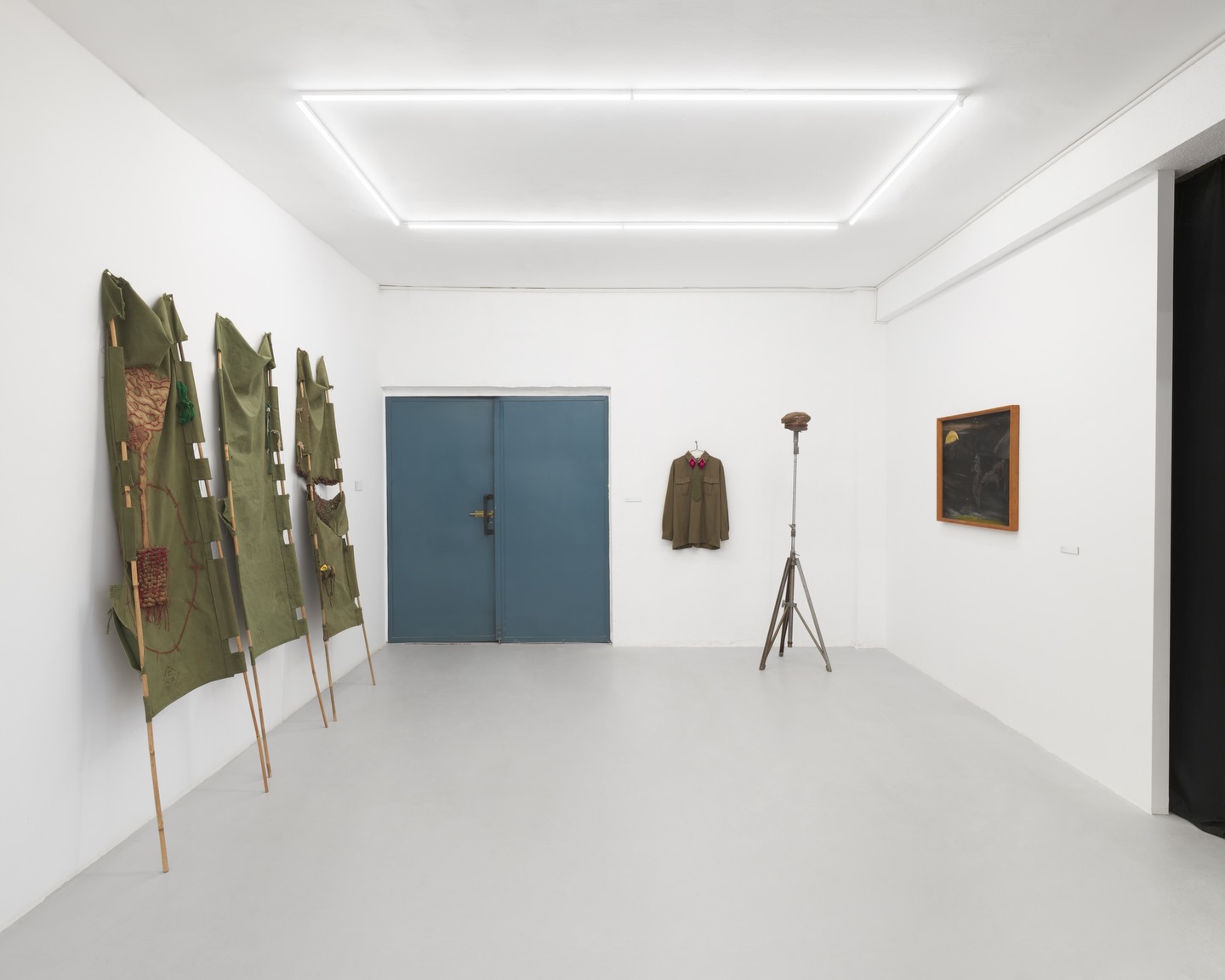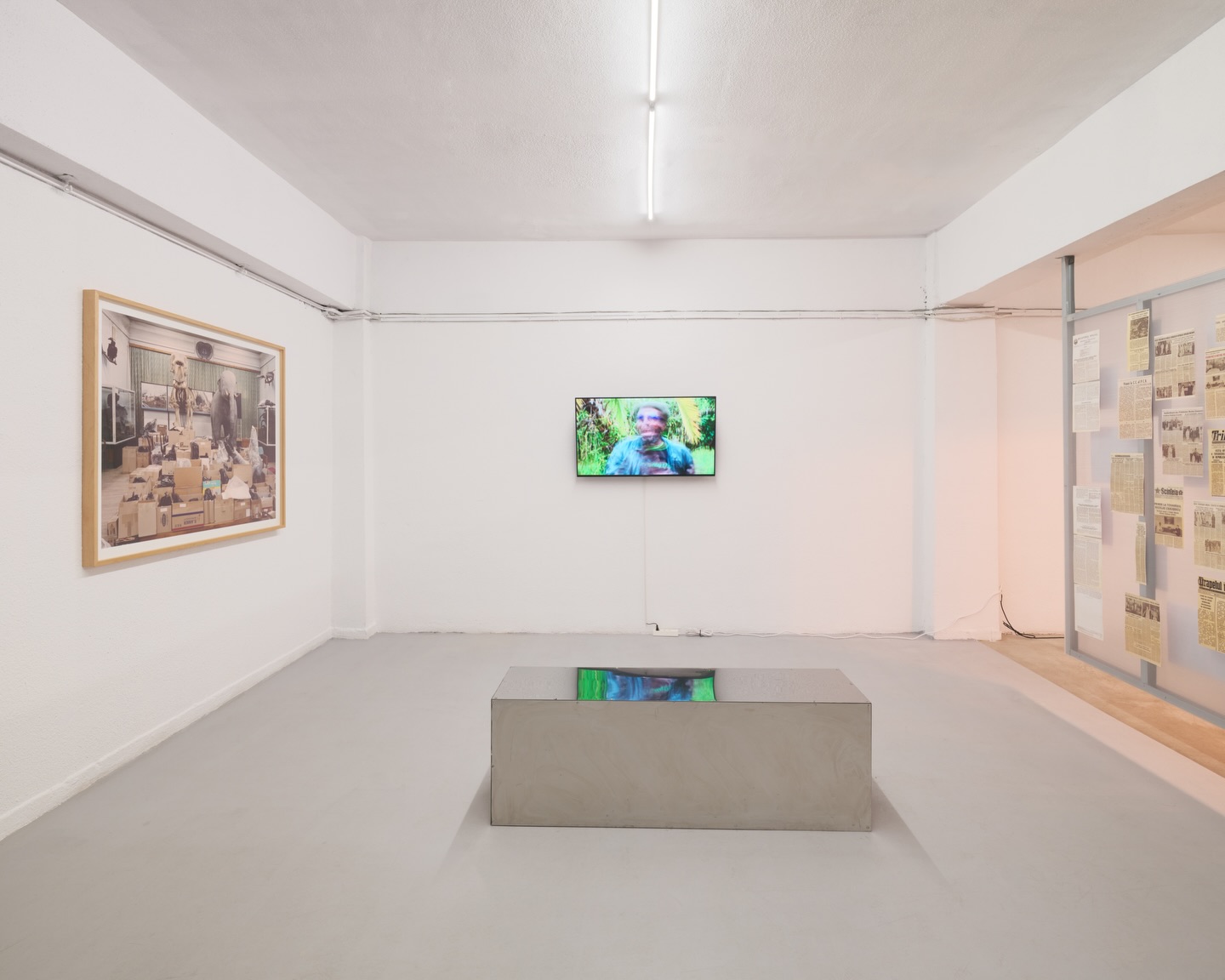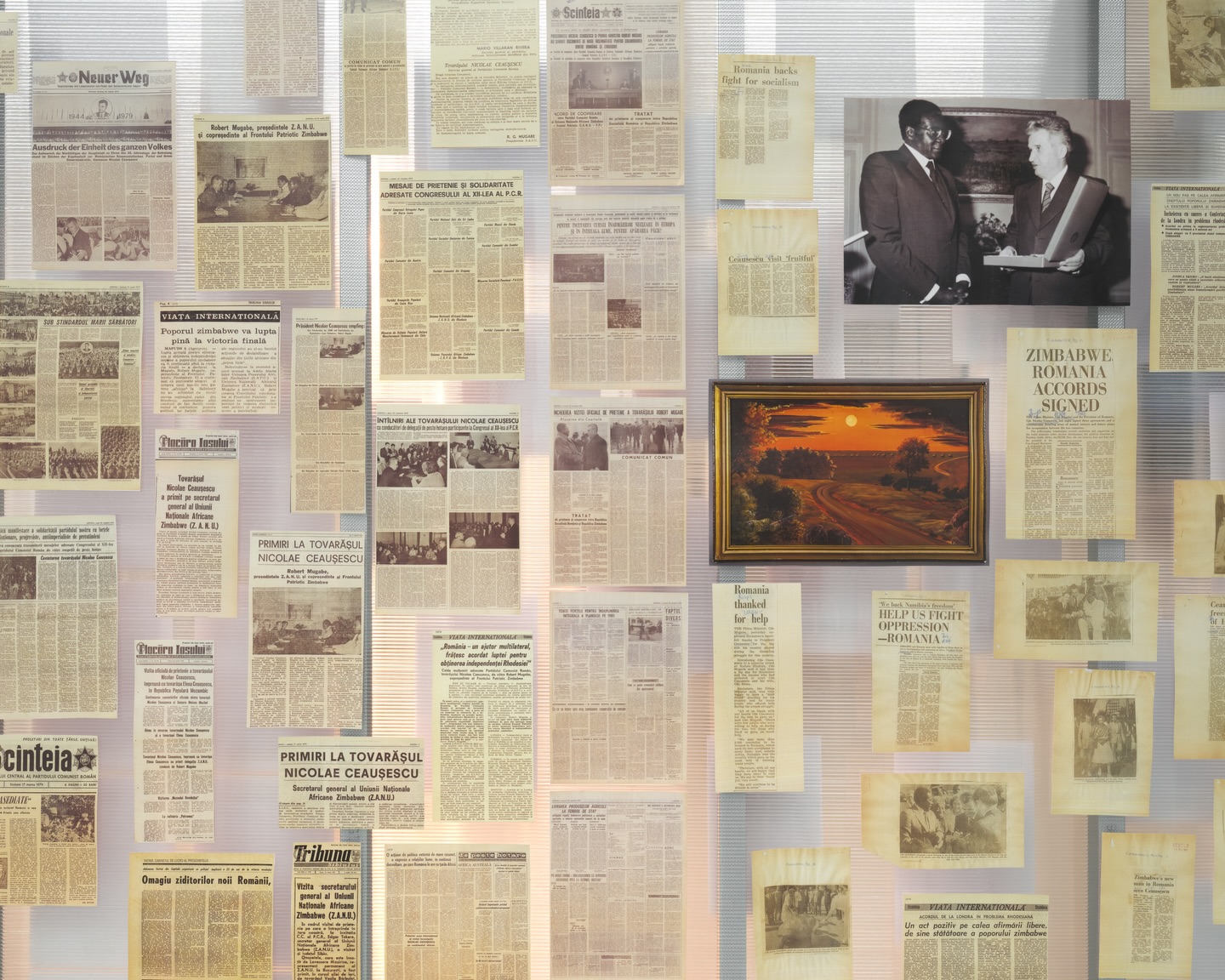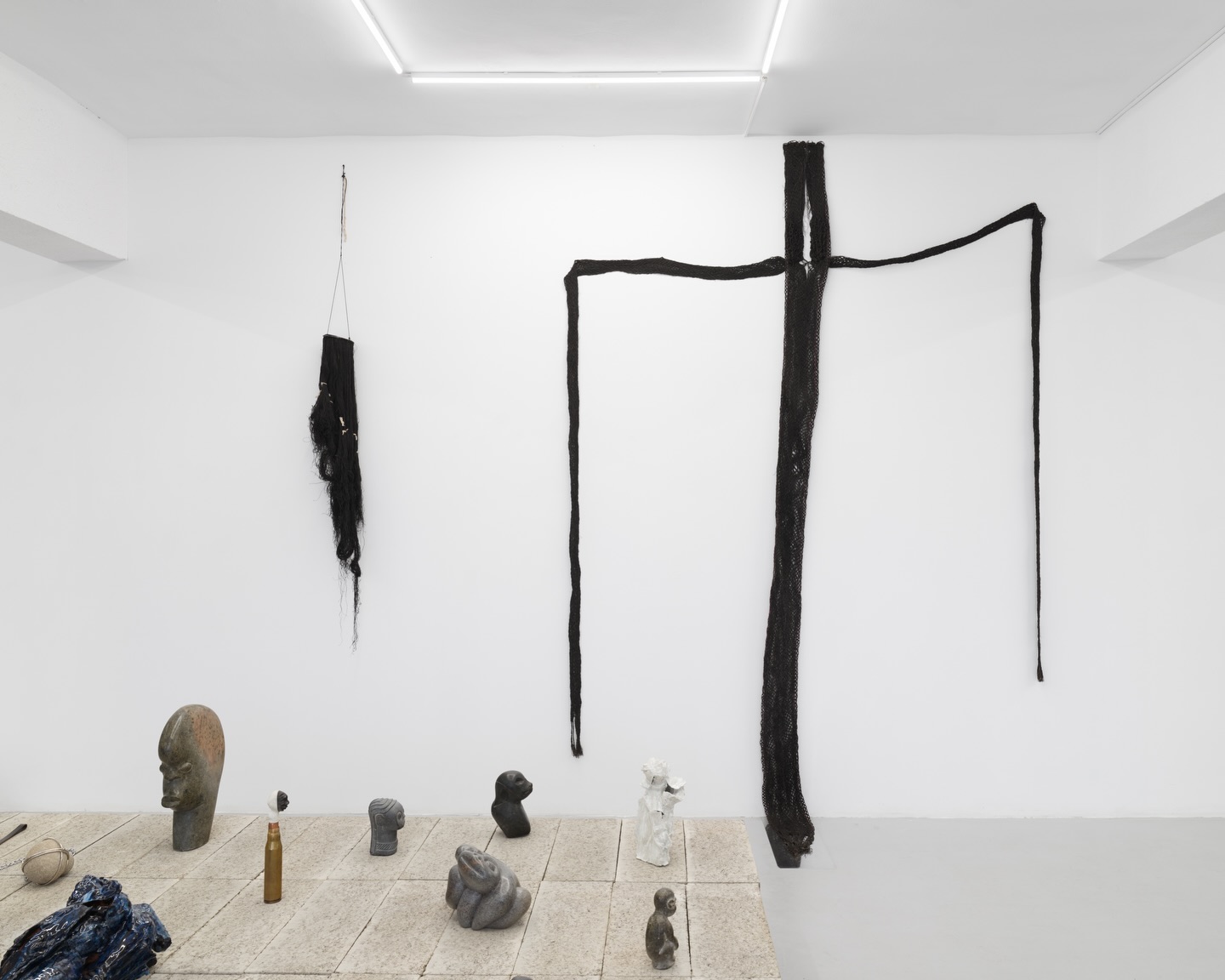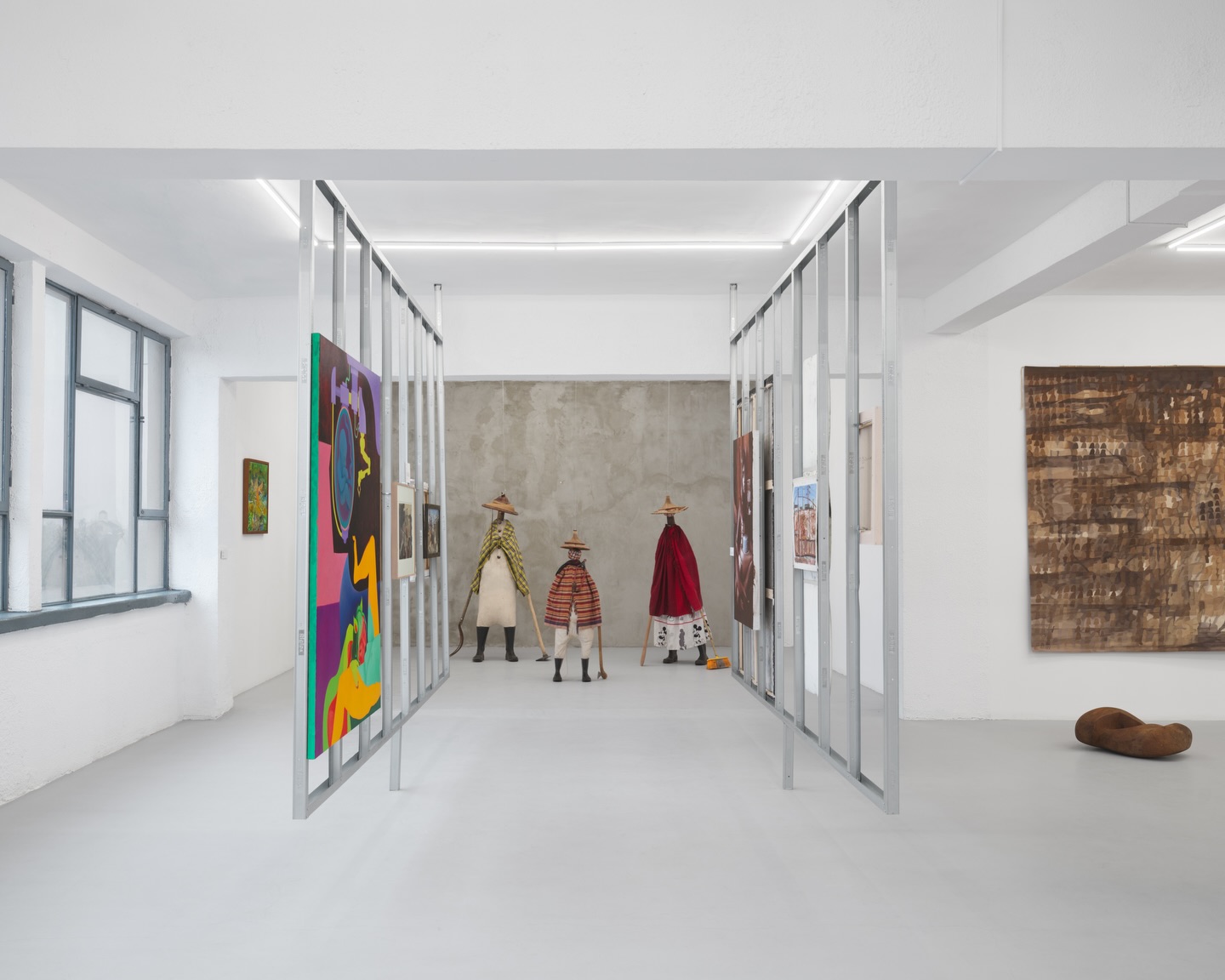
Catinca Tabacaru Gallery presents a large-scale, research-driven project that brings to light a largely overlooked chapter of Romanian foreign policy: its active support for anti-colonial liberation movements, and in particular, its decisive role in Zimbabwe’s struggle for independence throughout the 1970s and leading up to its independence in 1980.
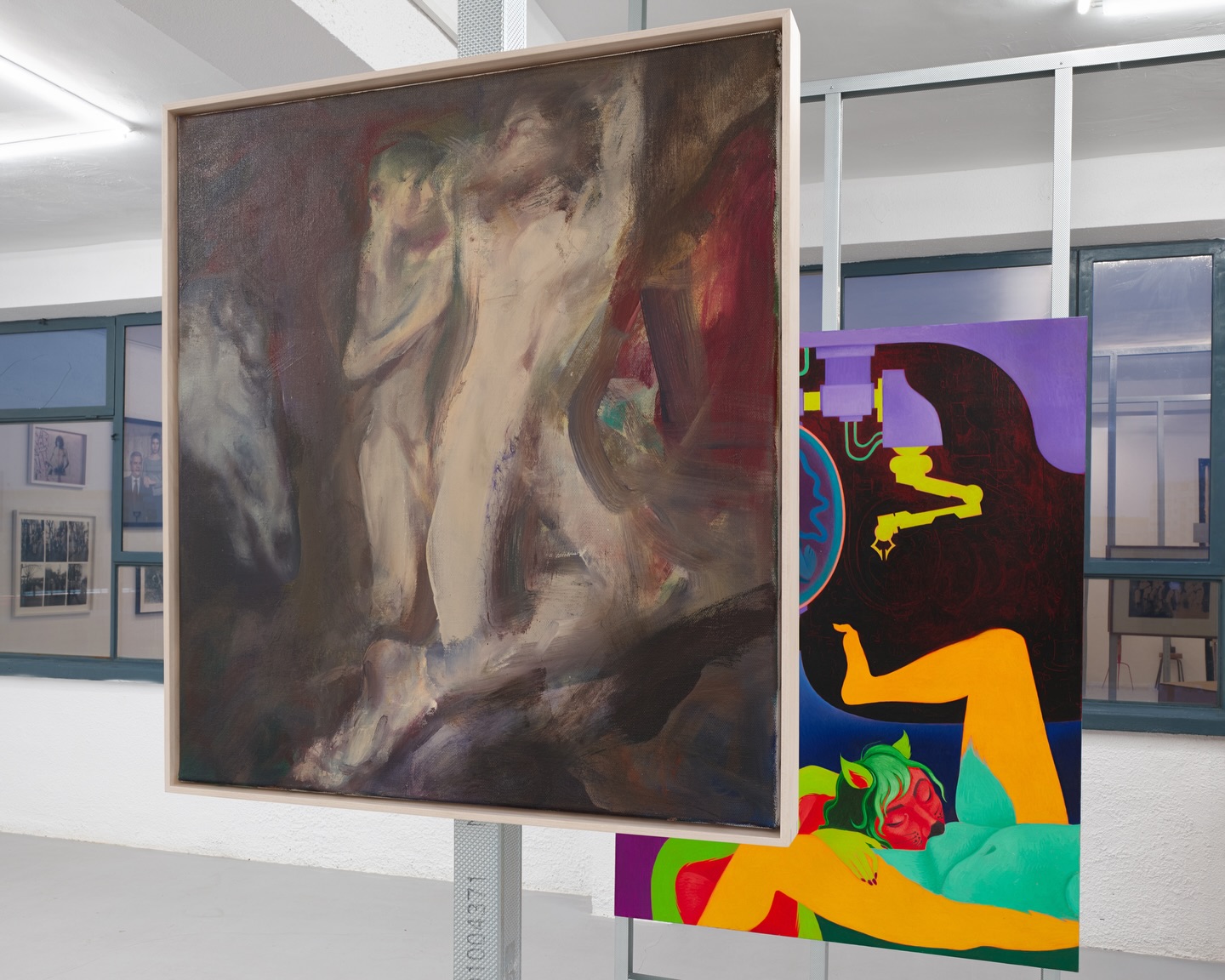
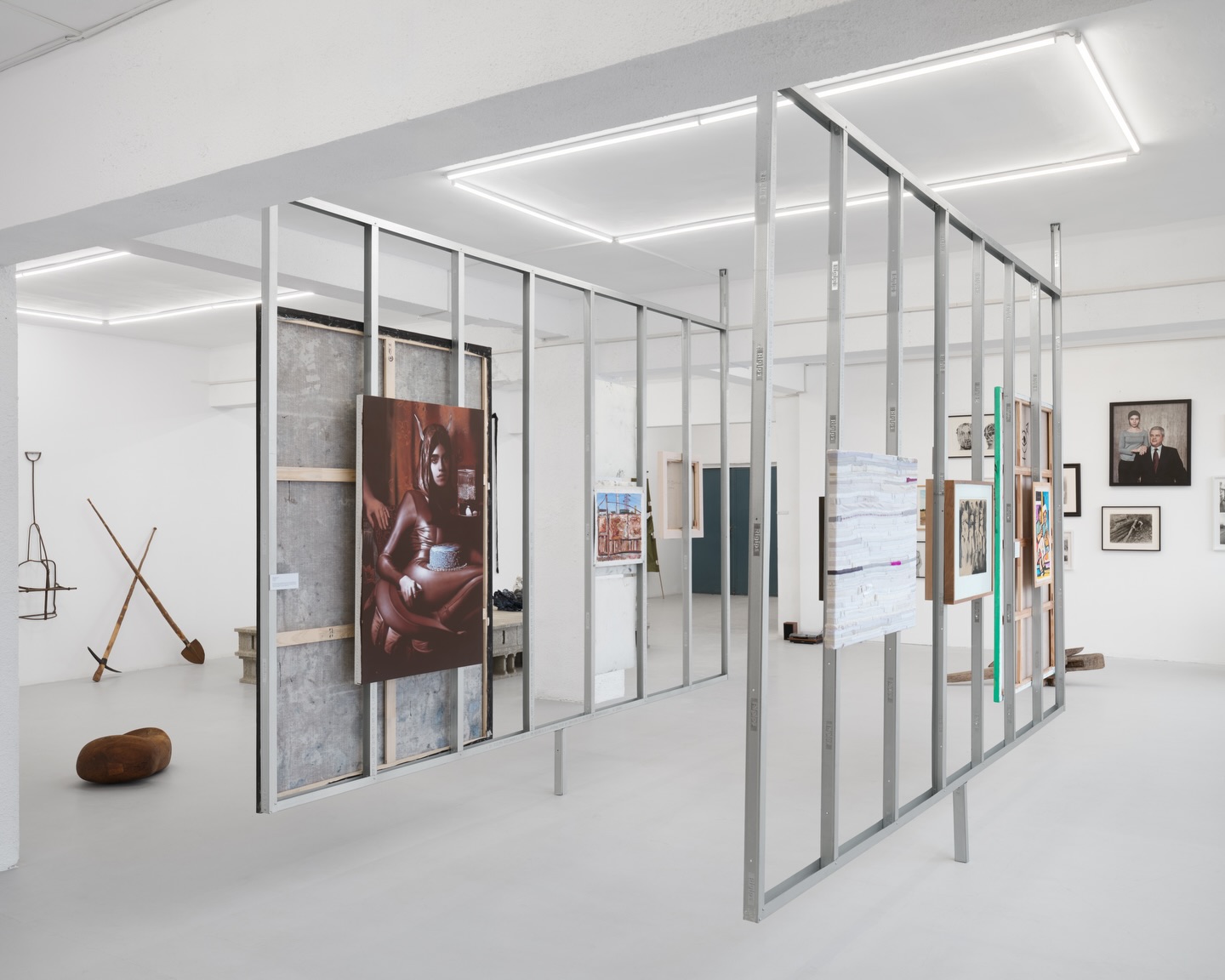
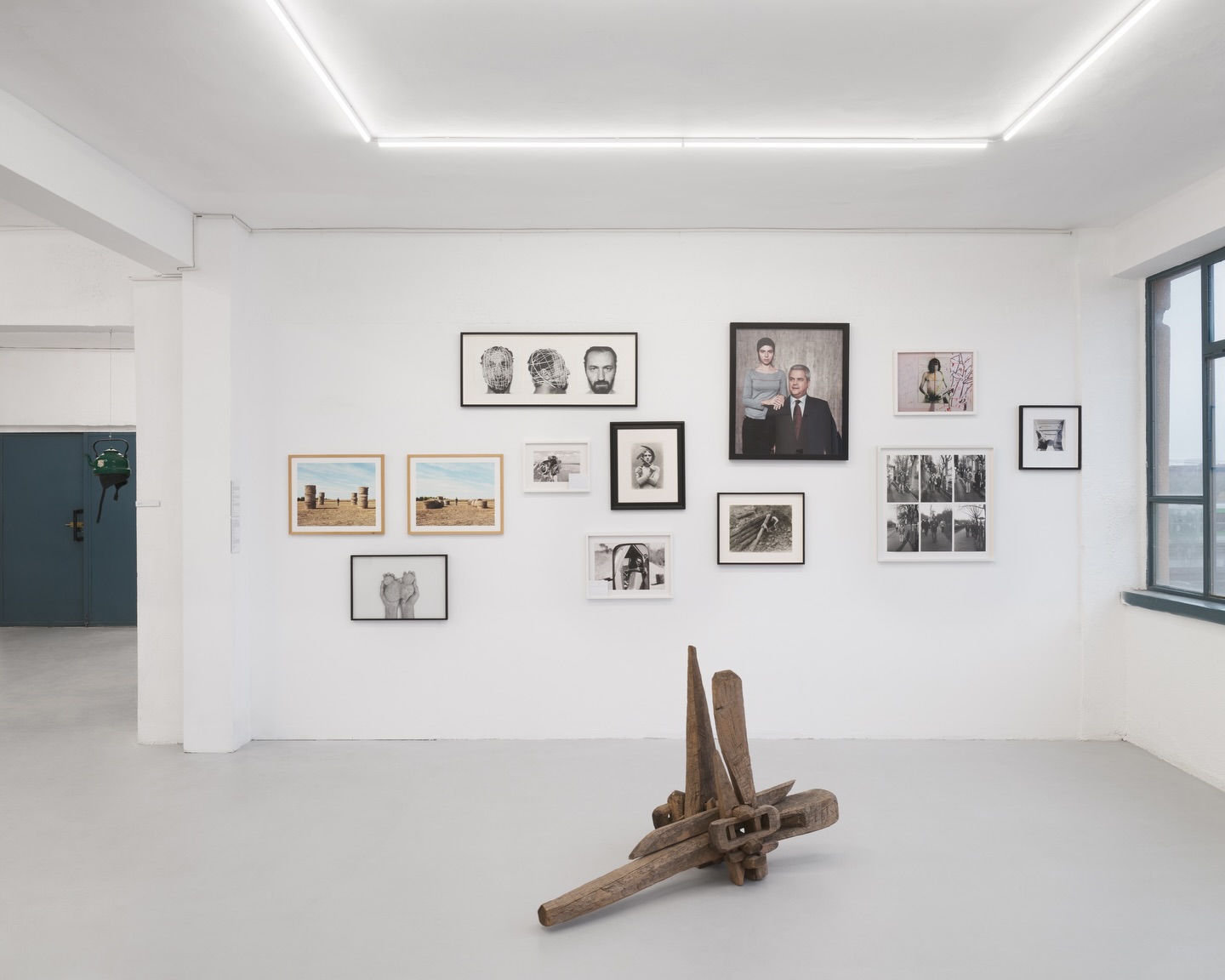
The exhibition examines how cultural production reflects, archives, and challenges narratives of state ideology and international alignment, bringing together Romanian modernist and neo-avant-garde artists—Ion Bitzan, Geta Brătescu, Ion Grigorescu, Ana Lupaș, Wanda Mihuleac, and Mihai Olos, who defied aesthetic and ideological constraints through deeply personal and experimental practices—and Zimbabwean masters Thomas Mukarobgwa, Nicholas Mukomberanwa, Sylvester Mubayi, and Joseph Ndandarika, whose work emerged amid the struggle for independence. Alongside them, contemporary artists Tapfuma Gutsa, Nona Inescu, Hortensia Mi Kafchin, Ciprian Mureșan, Terrence Musekiwa, Kresiah Mukwazhi, Gareth Nyandoro, Ștefan Sava, Șerban Savu, Felix Shumba, Mark Verlan, and Portia Zvavahera revisit these intertwined legacies, questioning what remains of the solidarities that once linked the socialist East and the decolonizing South.

Opening in Bucharest on October 30, 2025, the first volume of a multi-part exhibition brings together over 60 artists and situates Romania within a wider global network of post-colonial solidarities, offering new insight into how cultural diplomacy, ideological alliance, and military exchange shaped international relations during the Cold War. Through an extensive body of archival materials—digitized for public access for the first time—alongside historical and contemporary artworks by artists from Zimbabwe and Romania, and first-hand video interviews with veterans of the Zimbabwean Liberation Front conducted by the exhibition’s curator Raphael Guilbert and gallery founder Catinca Tabacaru, the project advances a revised understanding of Romania’s geopolitical agency and its intersection with African liberation movements, specifically the dissolution of the Rhodesian settler regime and the emergence of independent Zimbabwe.

Creating a dialogue between contemporary and historical artistic practices, the exhibition reflects on the long-term cultural effects of political solidarity and ideological projection. It explores how artistic vocabularies have both responded to and resisted state narratives, while tracing the ways artists from Romania and Zimbabwe are re-engaging with these legacies today—challenging inherited geopolitical frames, recovering personal and collective memories, and rethinking the entanglements of power, resistance, and transregional identity. The interlocking histories of the two countries serve as a bridge for broader conversations about their national pasts, presents, and futures, revealing—through the compounded perspectives of Zimbabwean and Romanian artists across time, geography, and medium—the multiplicity of lived experiences shaped by political and ideological pressure.

In doing so, the exhibition extends its inquiry beyond the historical frame, speaking to the urgency of the present—where the echoes of past solidarities reverberate against ongoing struggles for justice. At a moment when apartheid structures, settler violence, and asymmetries of power continue to define global realities, this reexamination of shared histories becomes not only an act of remembrance but an imperative gesture of solidarity. The exhibition insists on the continued relevance of these connections—reminding us that cultural and political solidarities remain vital tools in confronting enduring systems of domination.
The exhibition “Have No Doubt of the Omnipotence of a Free People”, curated by Raphael Guilbert, can be visited until February 28, 2026.