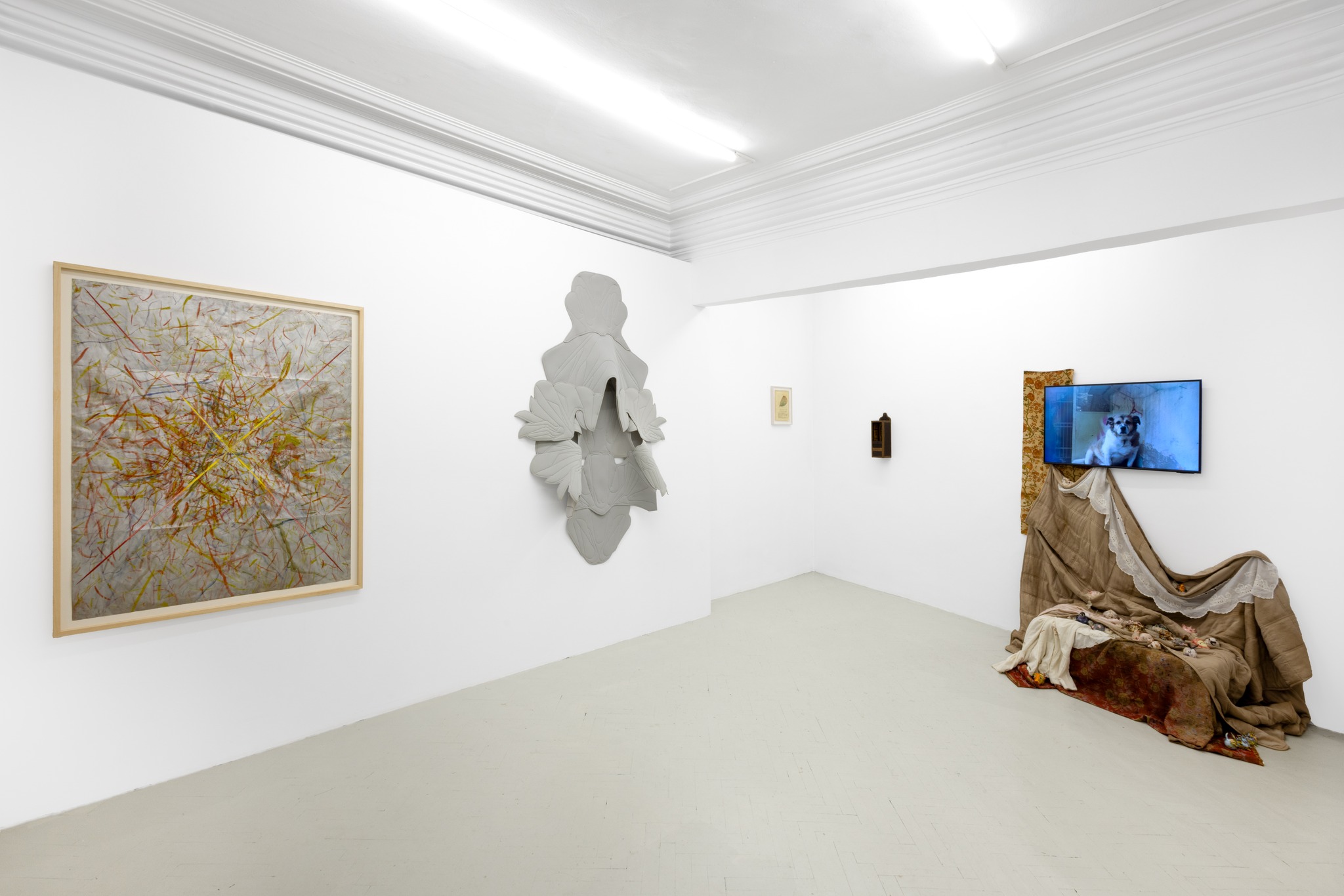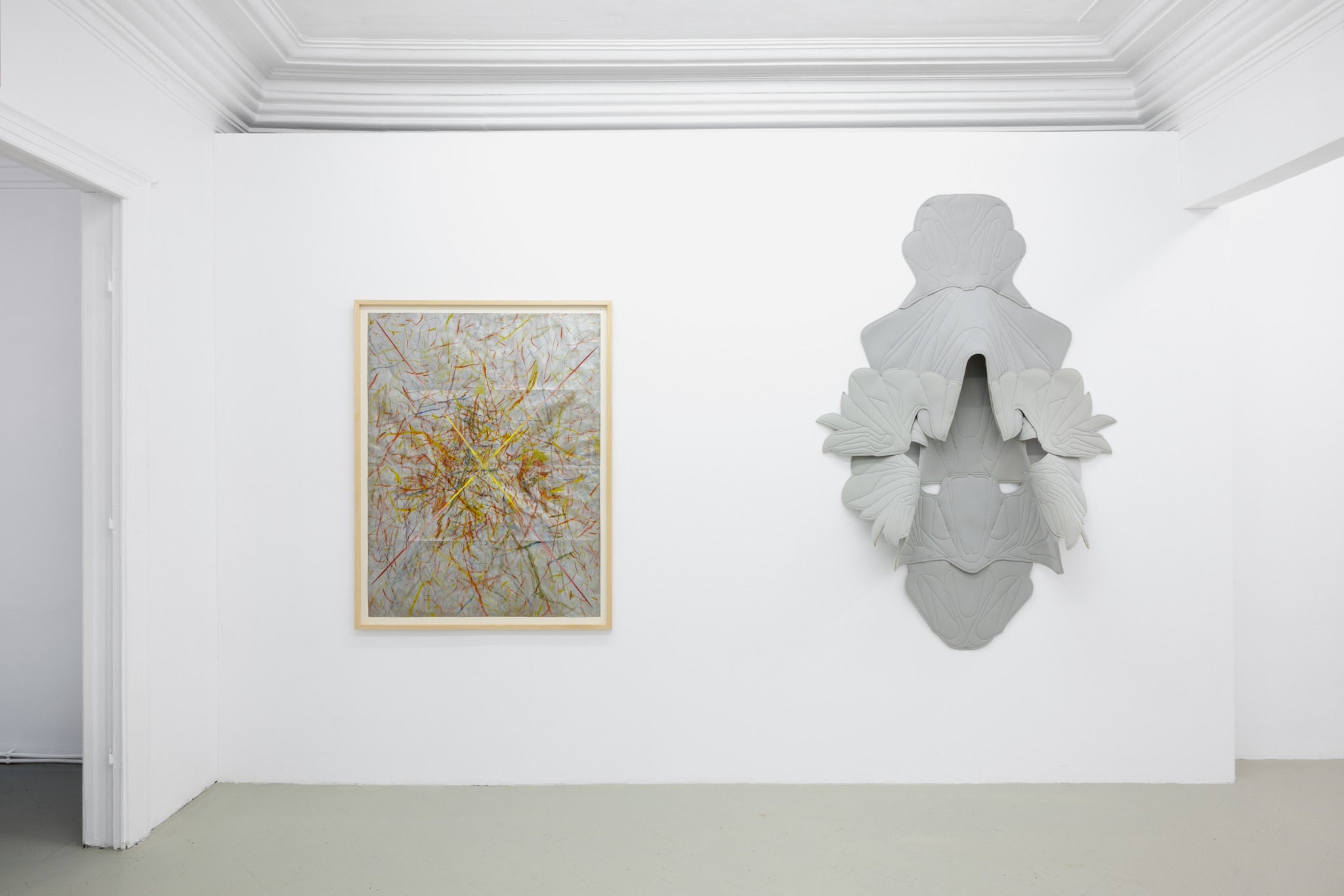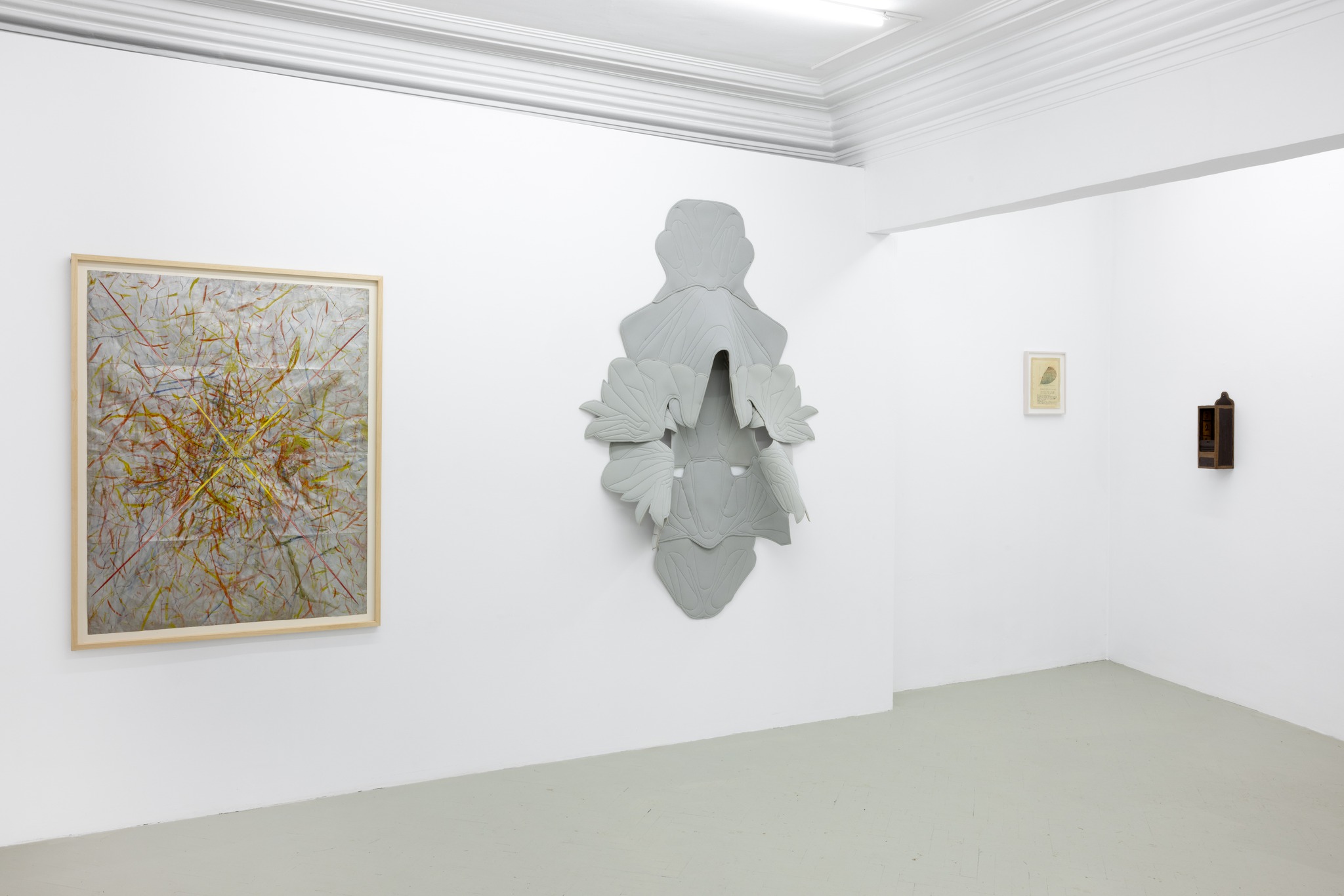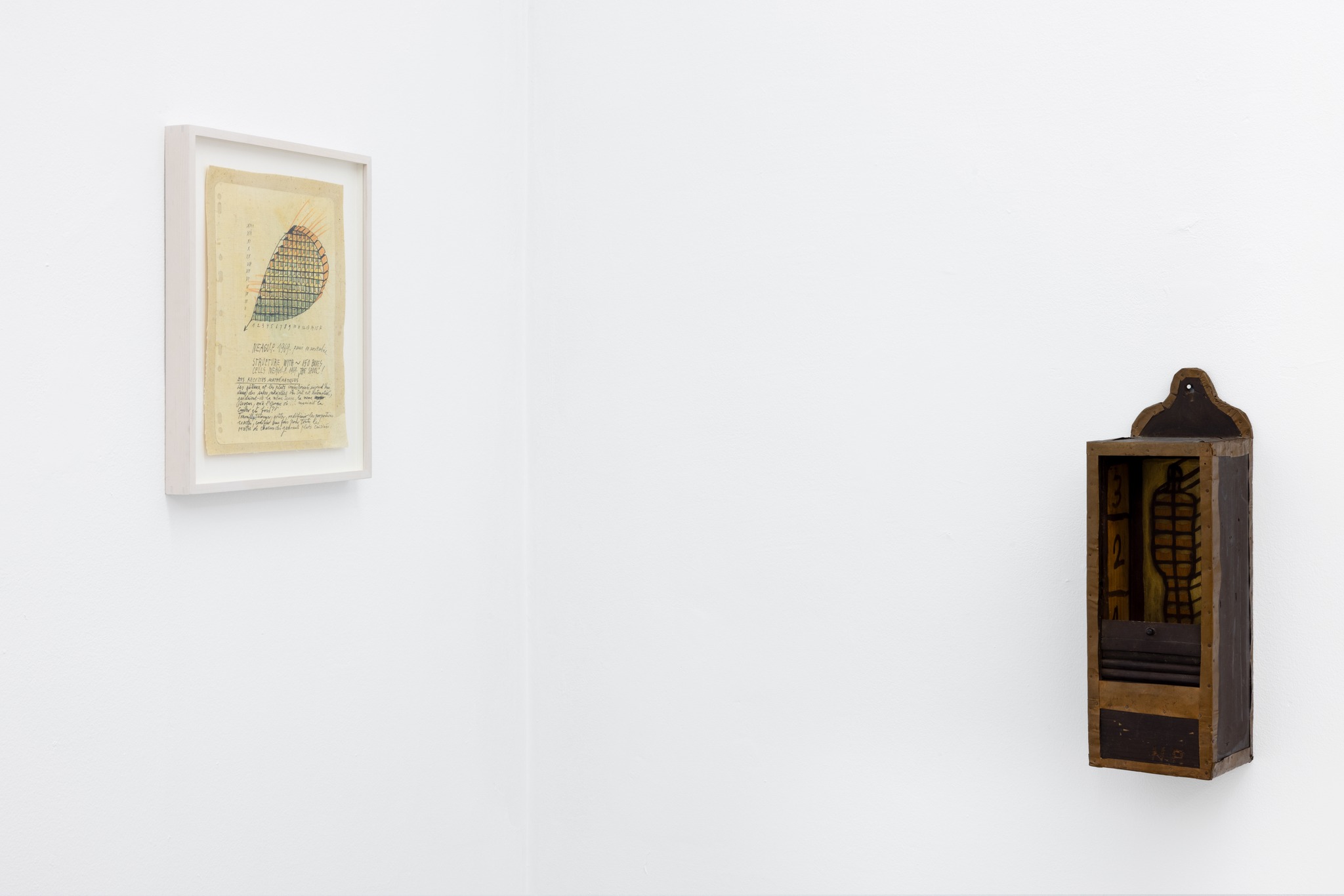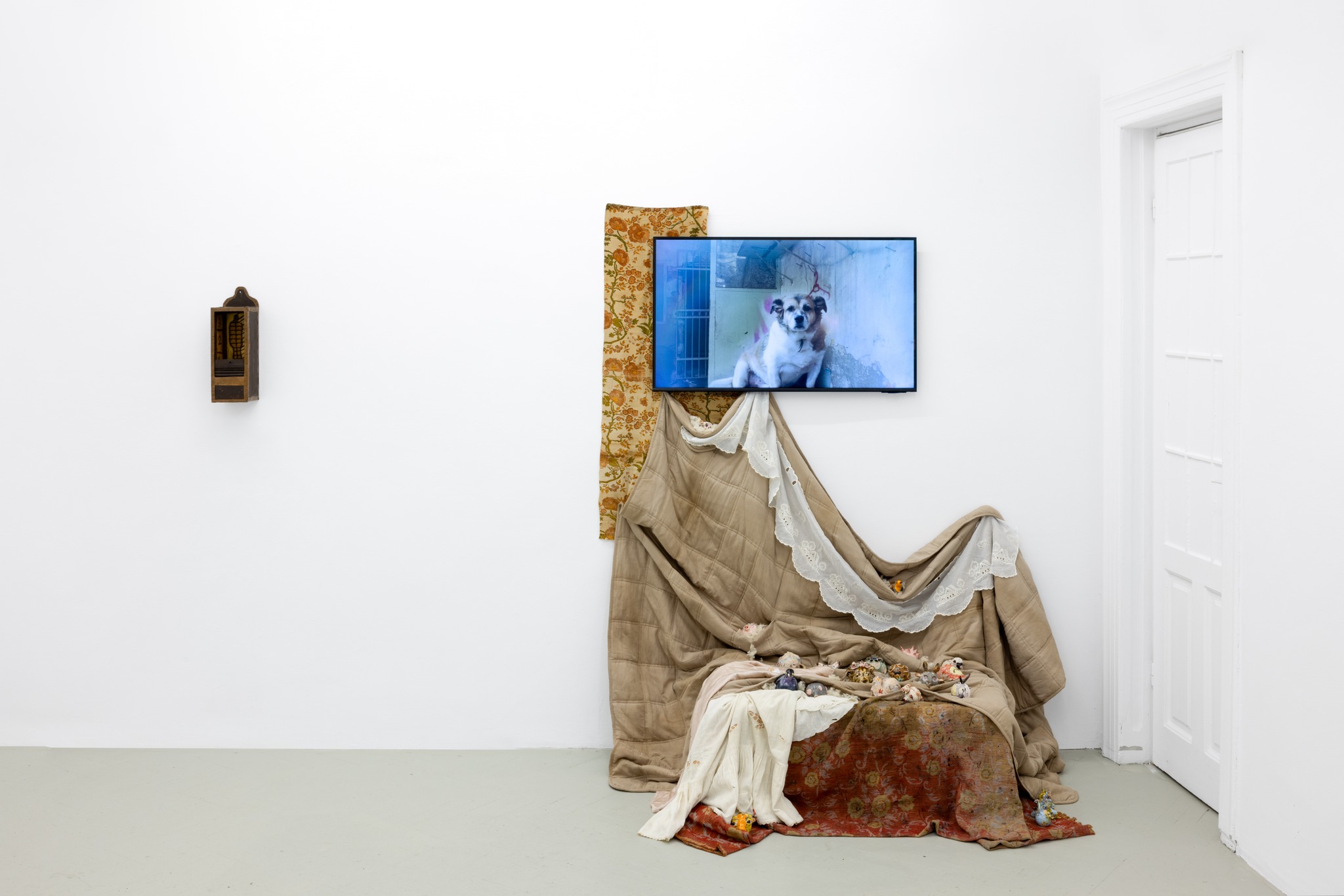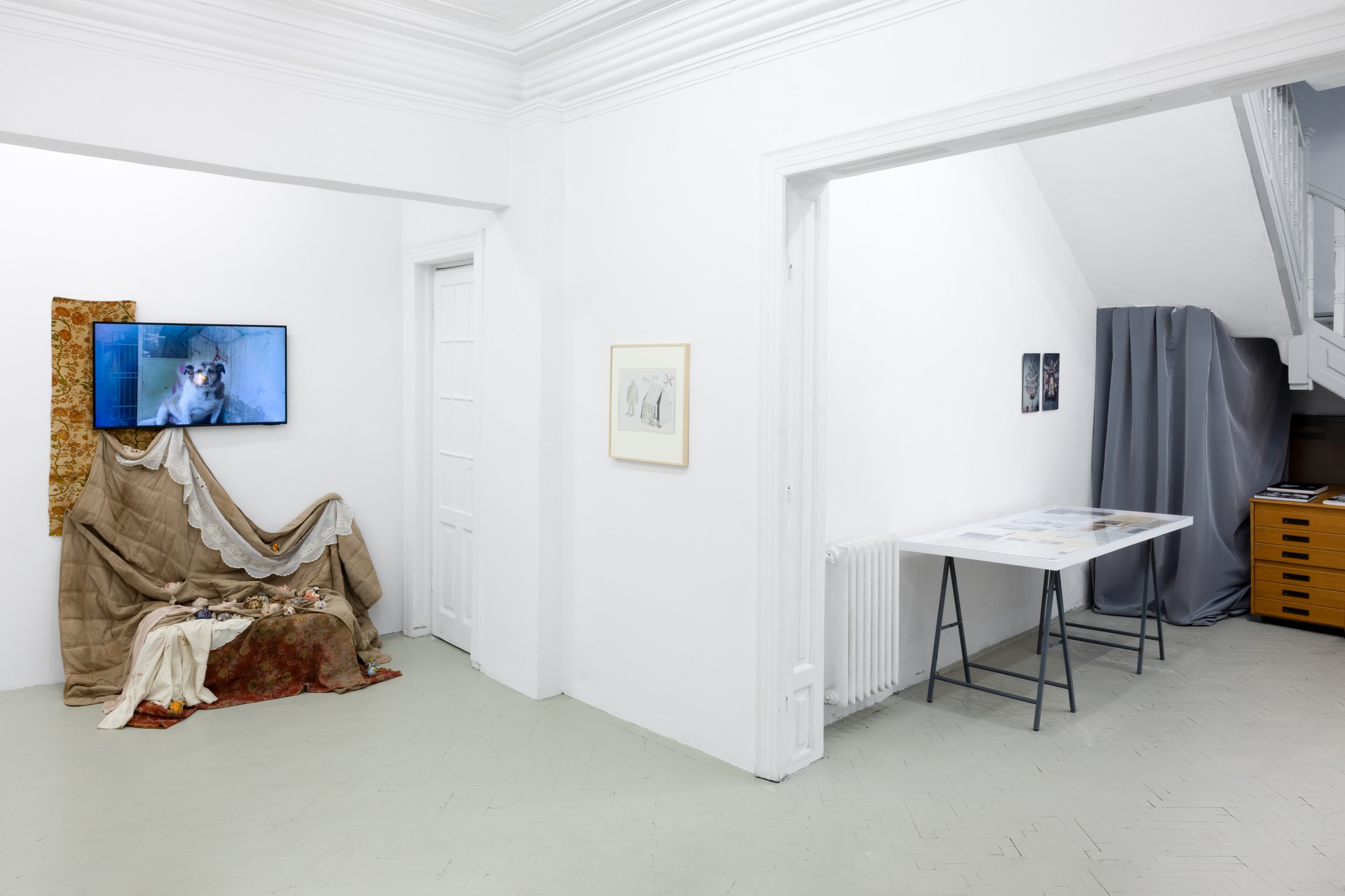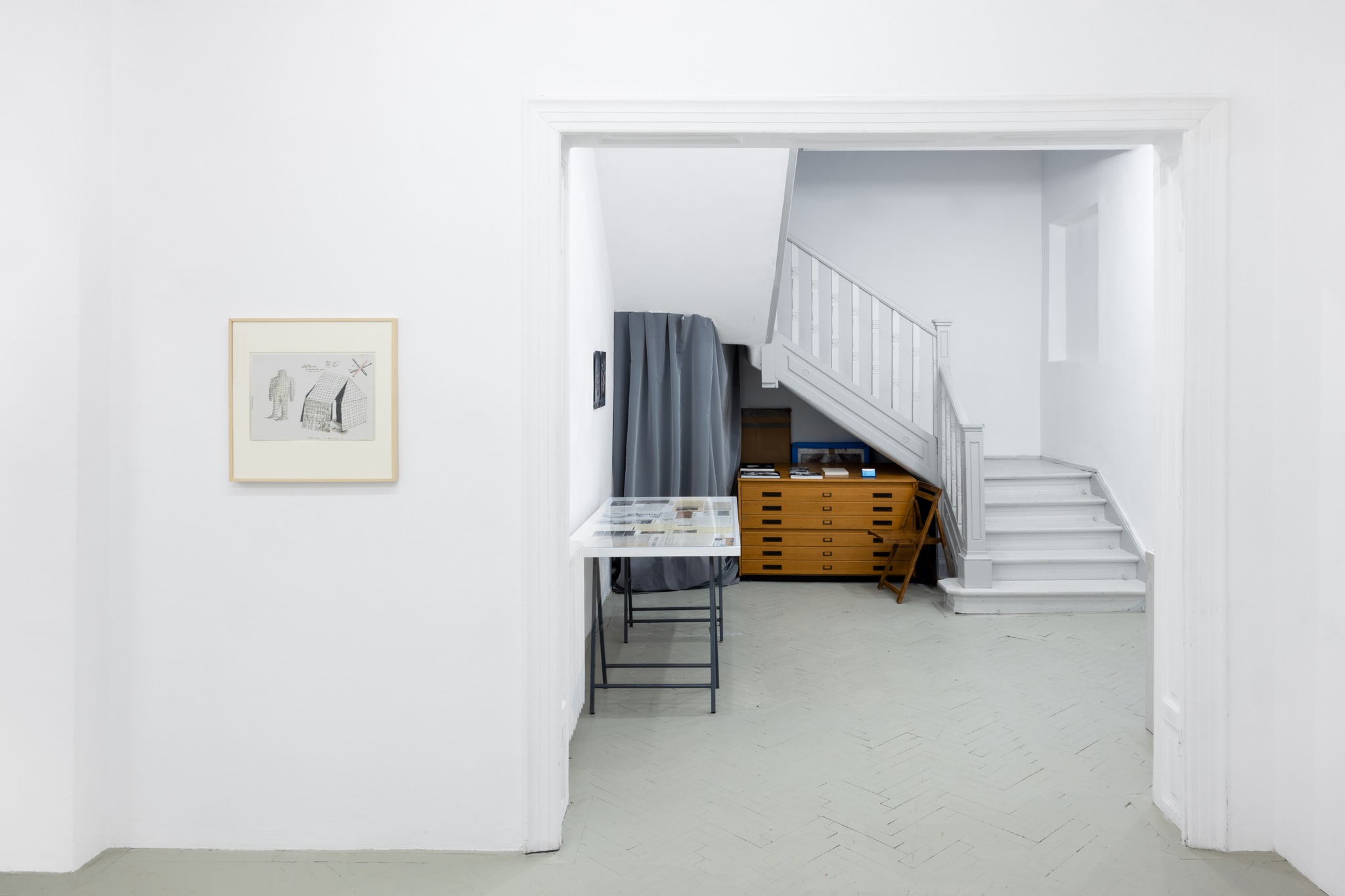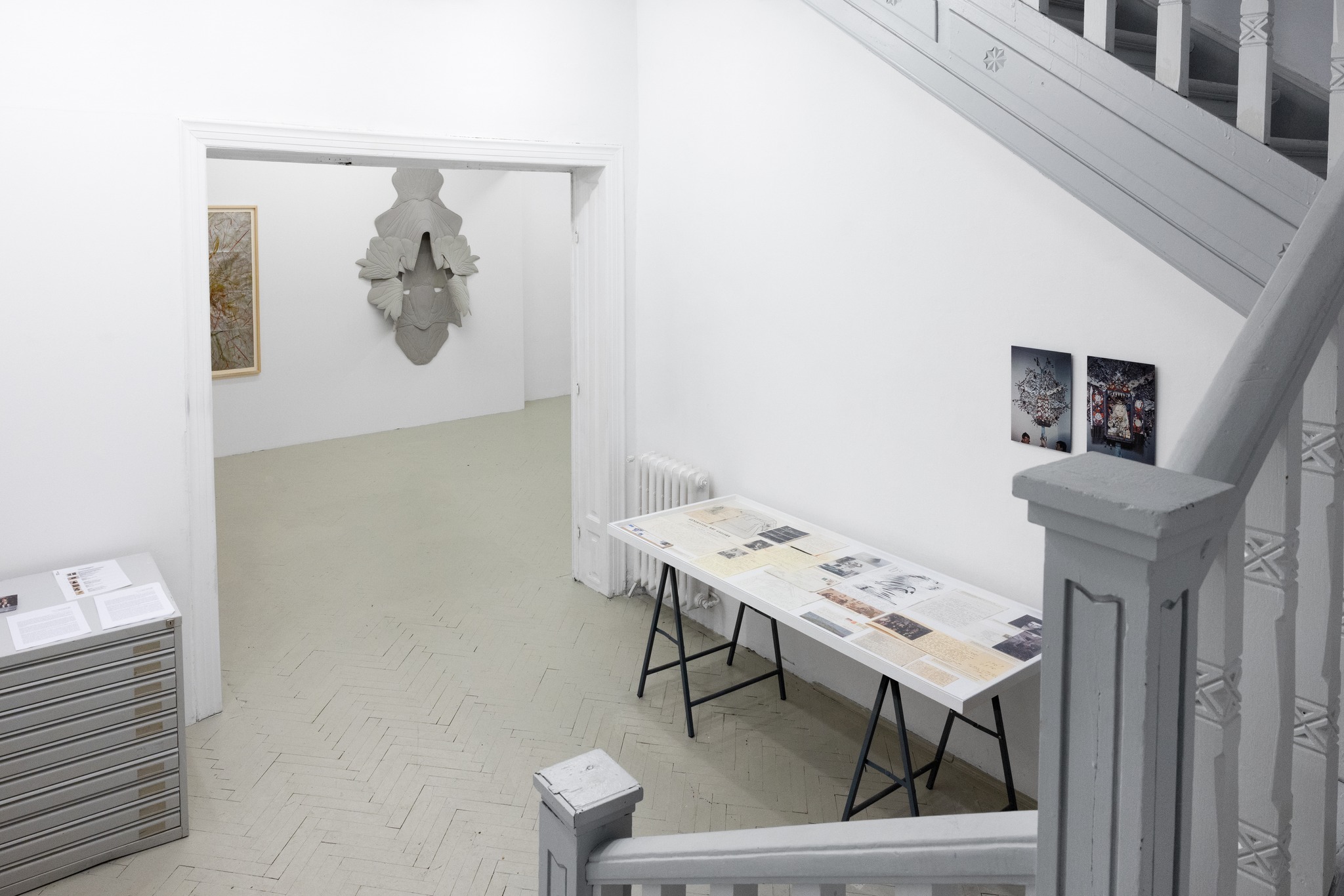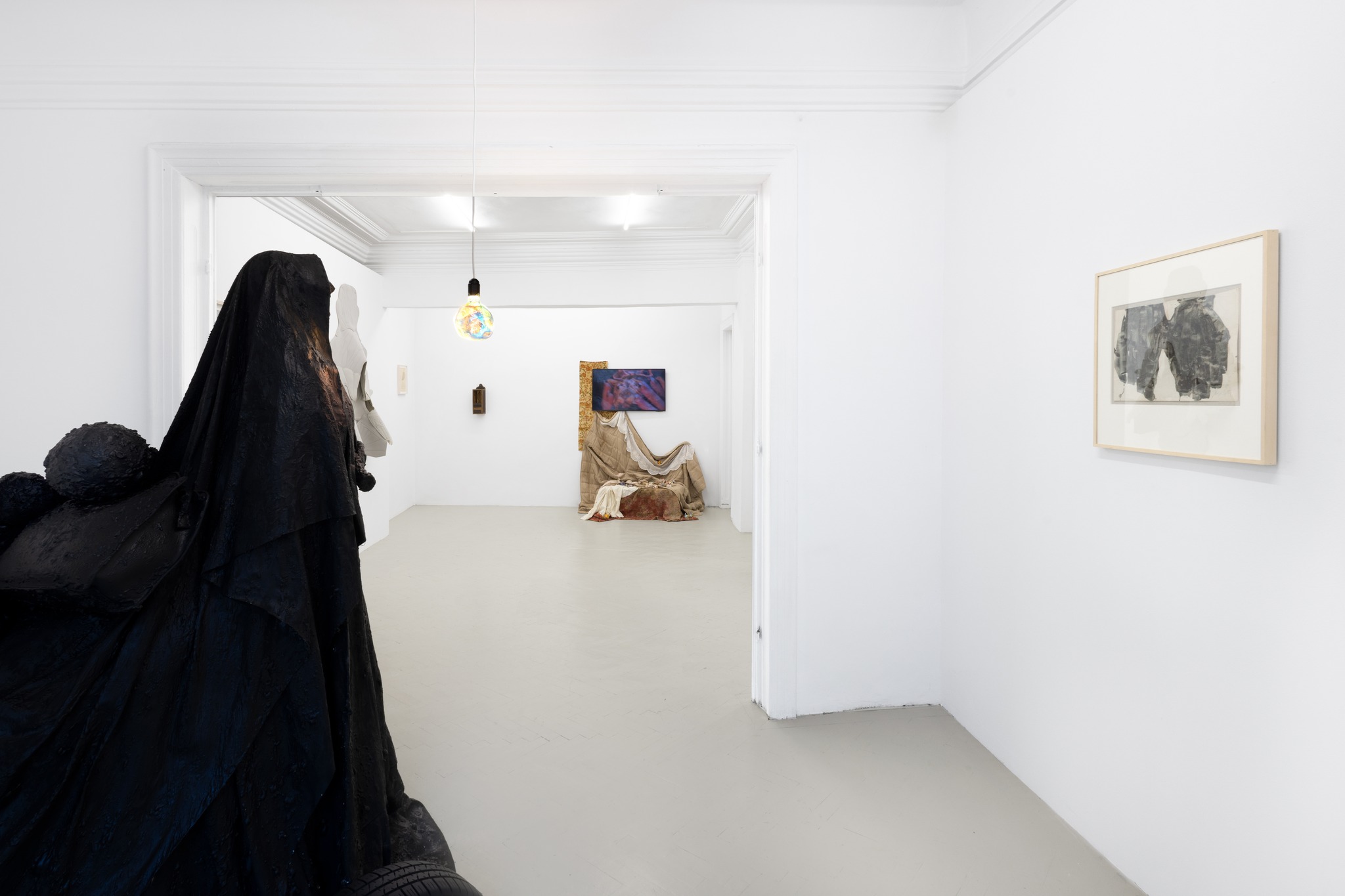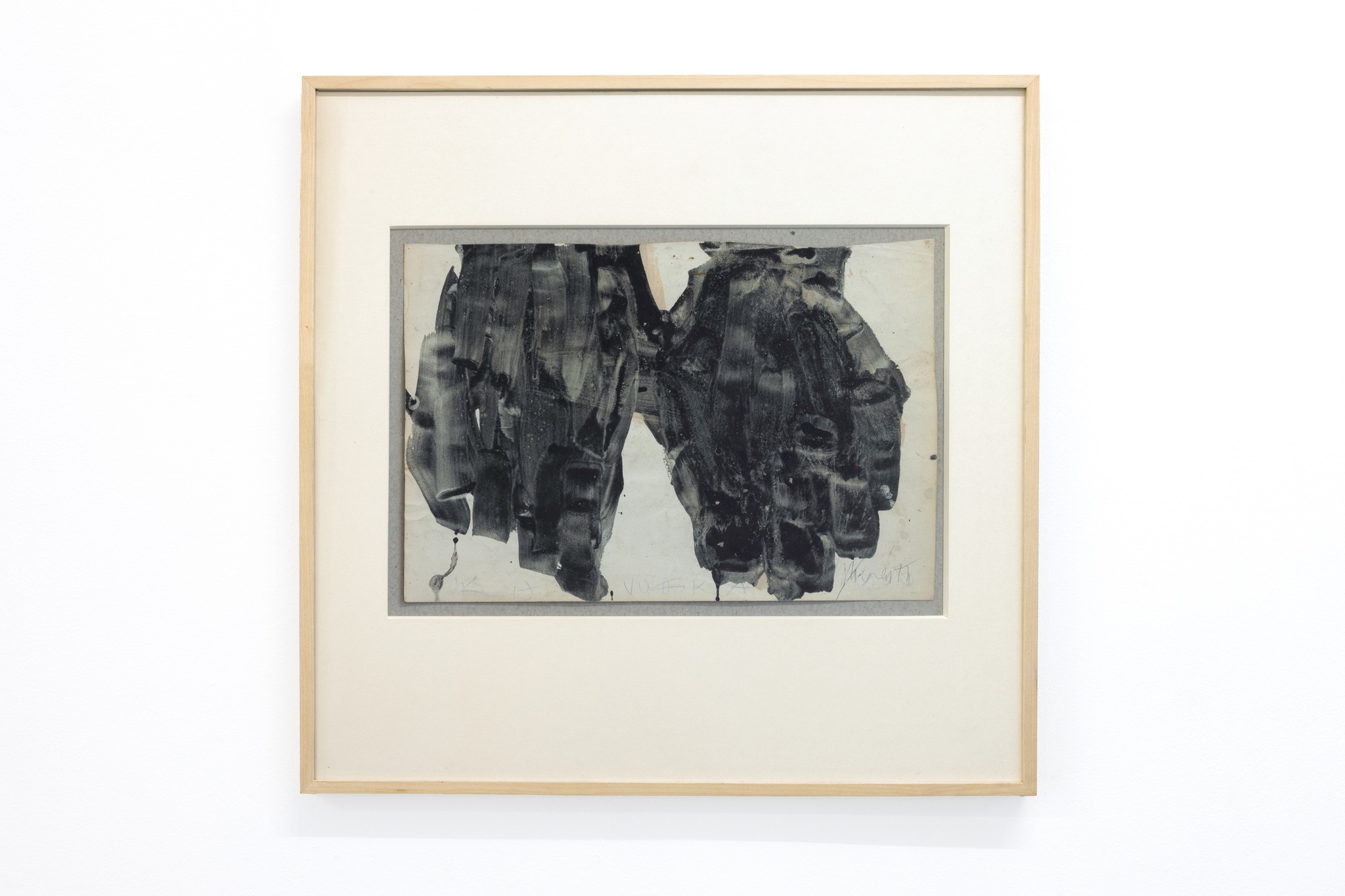
Between November 6 – December 17, 2025, Ivan Gallery hosted “steaua. young and innocent days – Part I”, a group exhibition curated by Alexandra Croitoru, featuring works by Horia Bernea, Doru Covrig, Giulia Crețulescu, Iulian Mereuță, Ioana Mincu, Mono Mihai, and Paul Neagu.
“The exhibition takes as its point of departure the action Steaua (The Star) and functions as a prelude to its upcoming presentation at the National Museum of the Romanian Peasant. In the winter of 1968, a group of scenography students from the Institute of Fine Arts crafted a star from various materials collected for theatre sets and costumes, and set out on the streets of Bucharest to visit and carol their professors. Their route was abruptly cut short by the Securitate (the Romanian secret police), but the star was saved, recently recovered, and restored. The main initiators of the action were Miruna and Radu Boruzescu, a couple of scenographers who emigrated to Paris in the 1970s and went on to have a remarkable international career that left a lasting mark on the history of contemporary theatre.
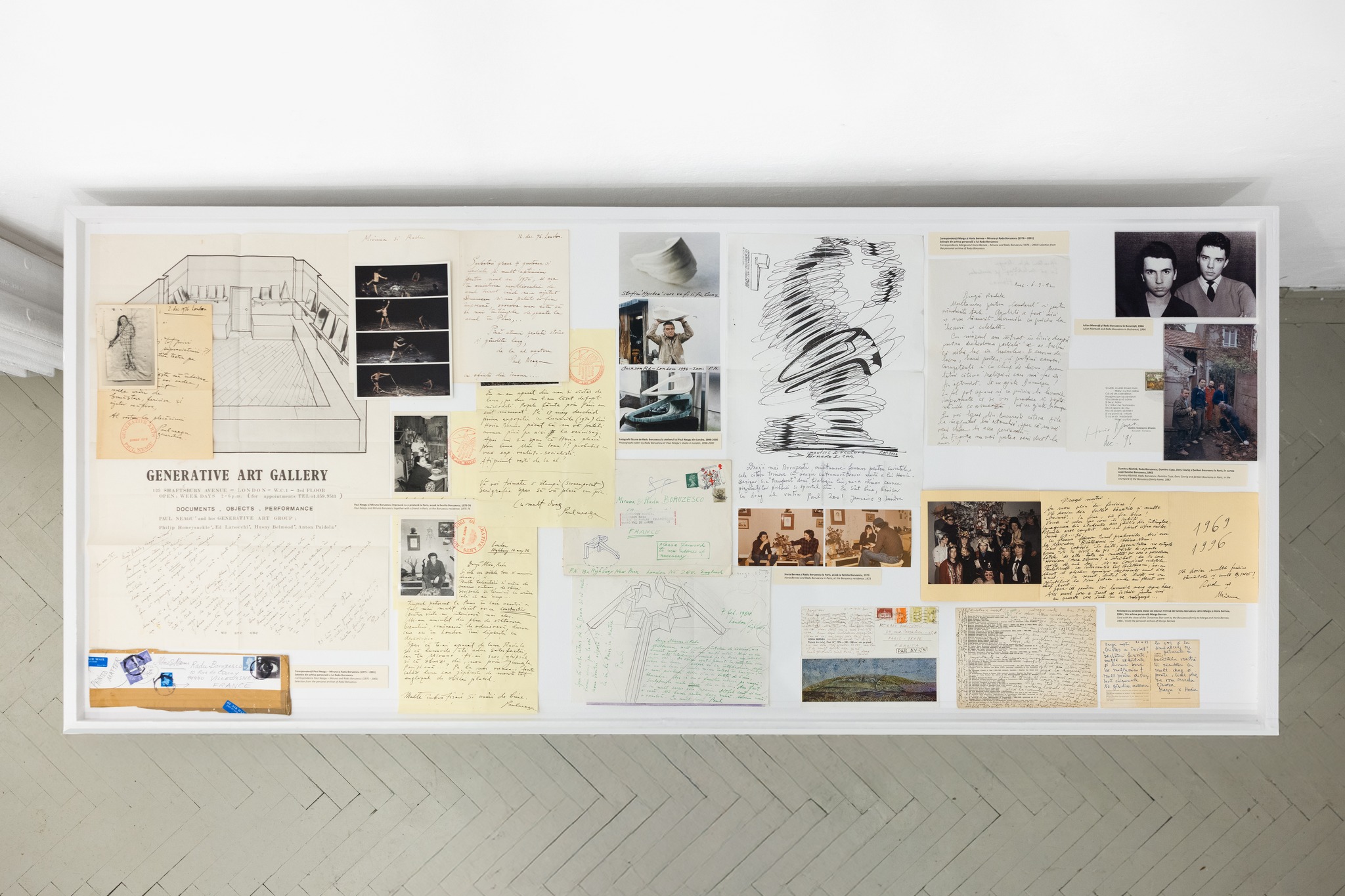
The exhibition brings together contributions from artists with whom the Boruzescu family maintained long-term relationships, such as Horia Bernea and Paul Neagu, or Iulian Mereuță and Doru Covrig, the latter also settling in France. The late 1960s marked a moment of both political and cultural opening in Romania — a time when East-West cultural exchanges became possible, and a new generation of artists began to explore alternative forms of expression aligned with international art movements. As a result of this brief political and economic thaw, they gained access to contemporary publications, were able to travel, and laid the foundations of a dialogue that not only informed their practices with new ideas but also enabled some of them to relocate to the West in the following decade. The friendships and networks of solidarity formed in that period endured across time and distance — reflected here through archival materials from Radu Boruzescu’s personal collection.
Alongside these historical contributions, which trace key artistic practices shaped during the political thaw, three contemporary artists were invited to create new works inspired by The Star of 1968 and the social context in which it emerged.
Upon first encountering the object itself, Giulia Crețulescu saw it as a “silent manifesto of handwork,” drawn to both its structural force and the alchemy of its everyday materials. Her work refers to the idea of hyper-manuality, understood as a method of turning inward — a form of therapy that neutralizes the hostility of the outside world, a healing process that helps us rediscover the courage to reconnect with the communities we depend on.
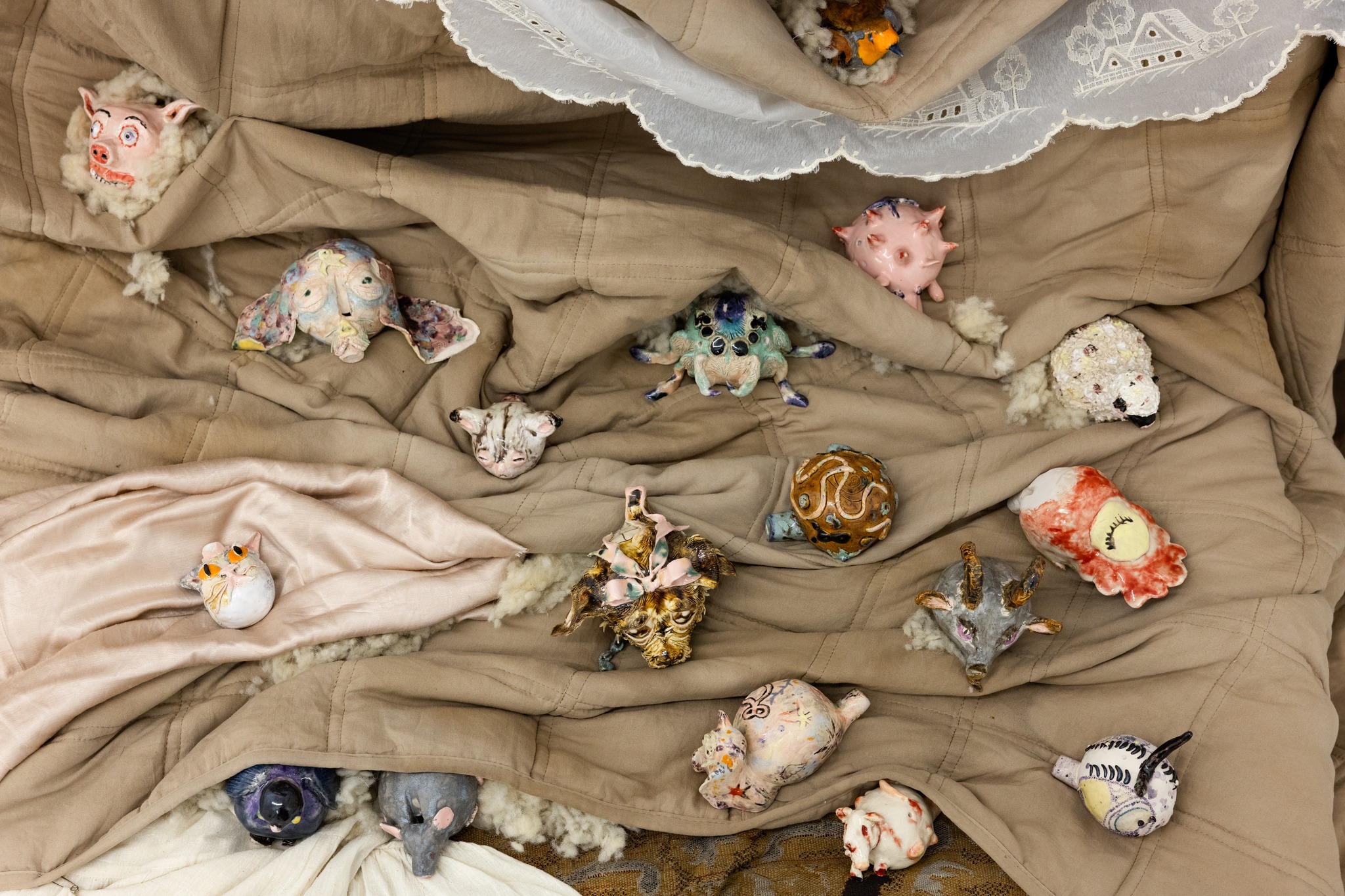
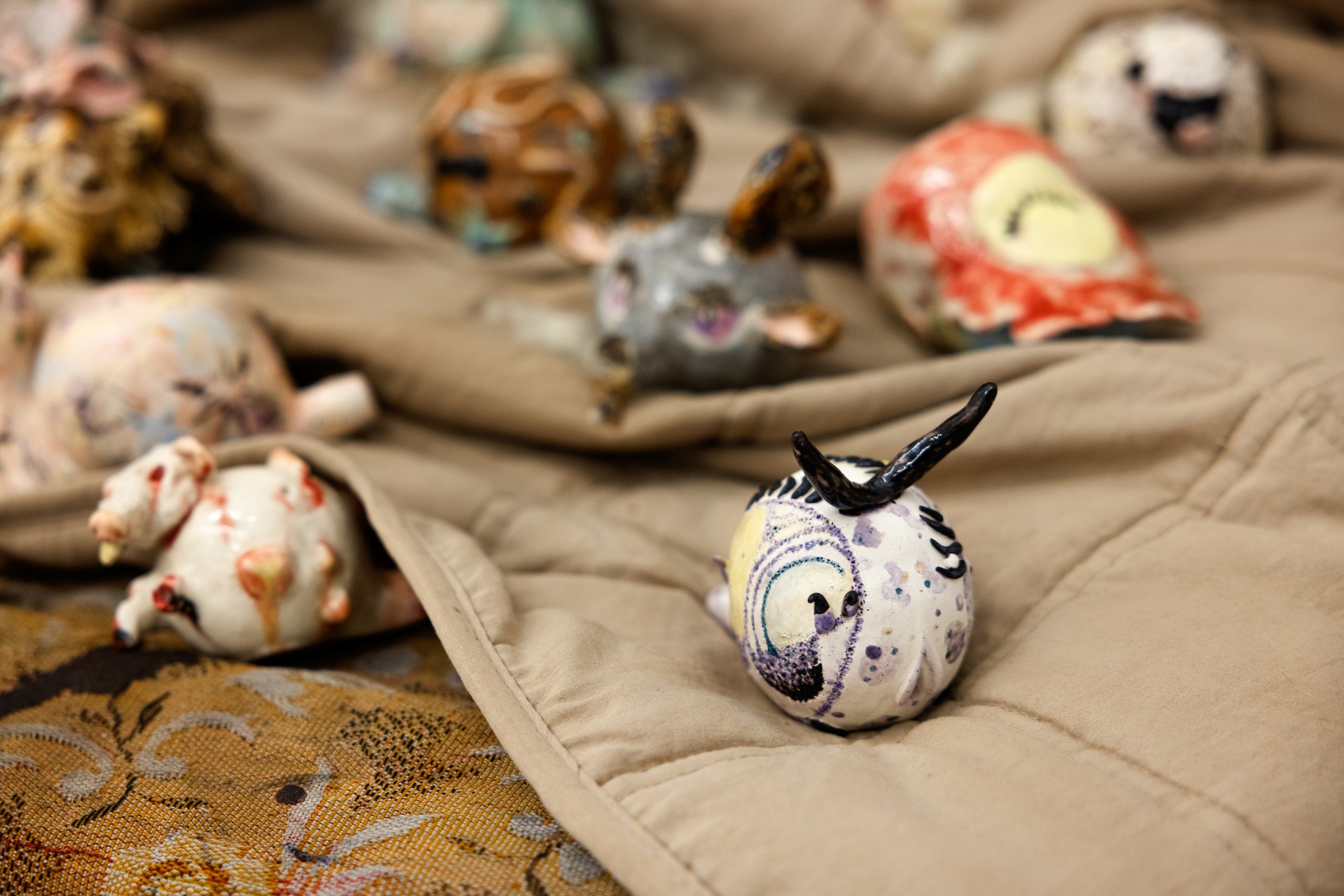
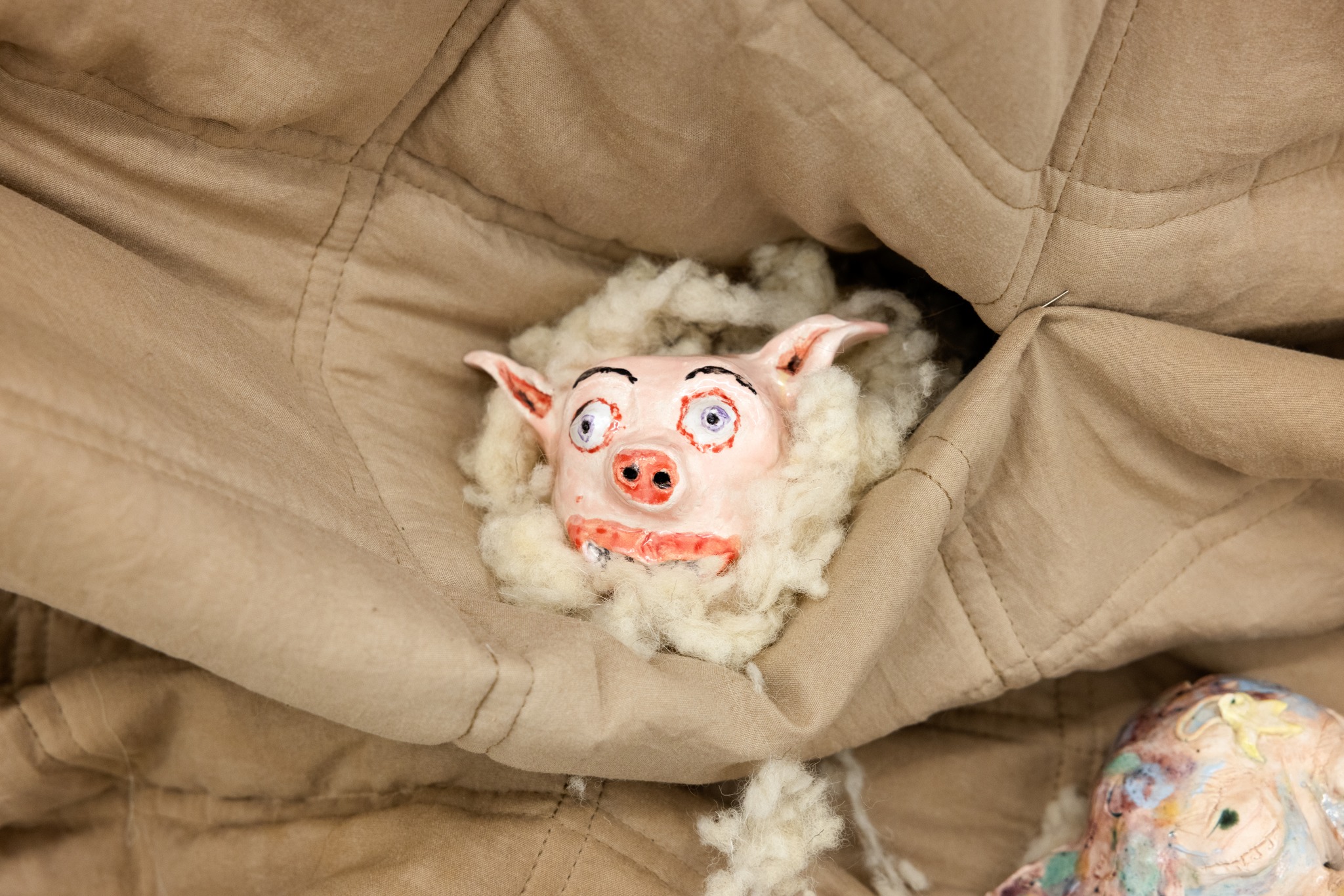
Ioana Mincu focuses on the performative aspect of Steaua, on the tension between a simple collective gesture, ritualistic enactment, and its politicization within public space. Her project includes a participatory component and imagines a fictional celebration as a counterpoint to the consumerism of our times, which has replaced community spirit with the accumulation of objects and experiences. The ritual proposed by Ioana brings attention back to people — and to the other urban creatures we coexist with — asserting a form of solidarity with all fragile life around us.
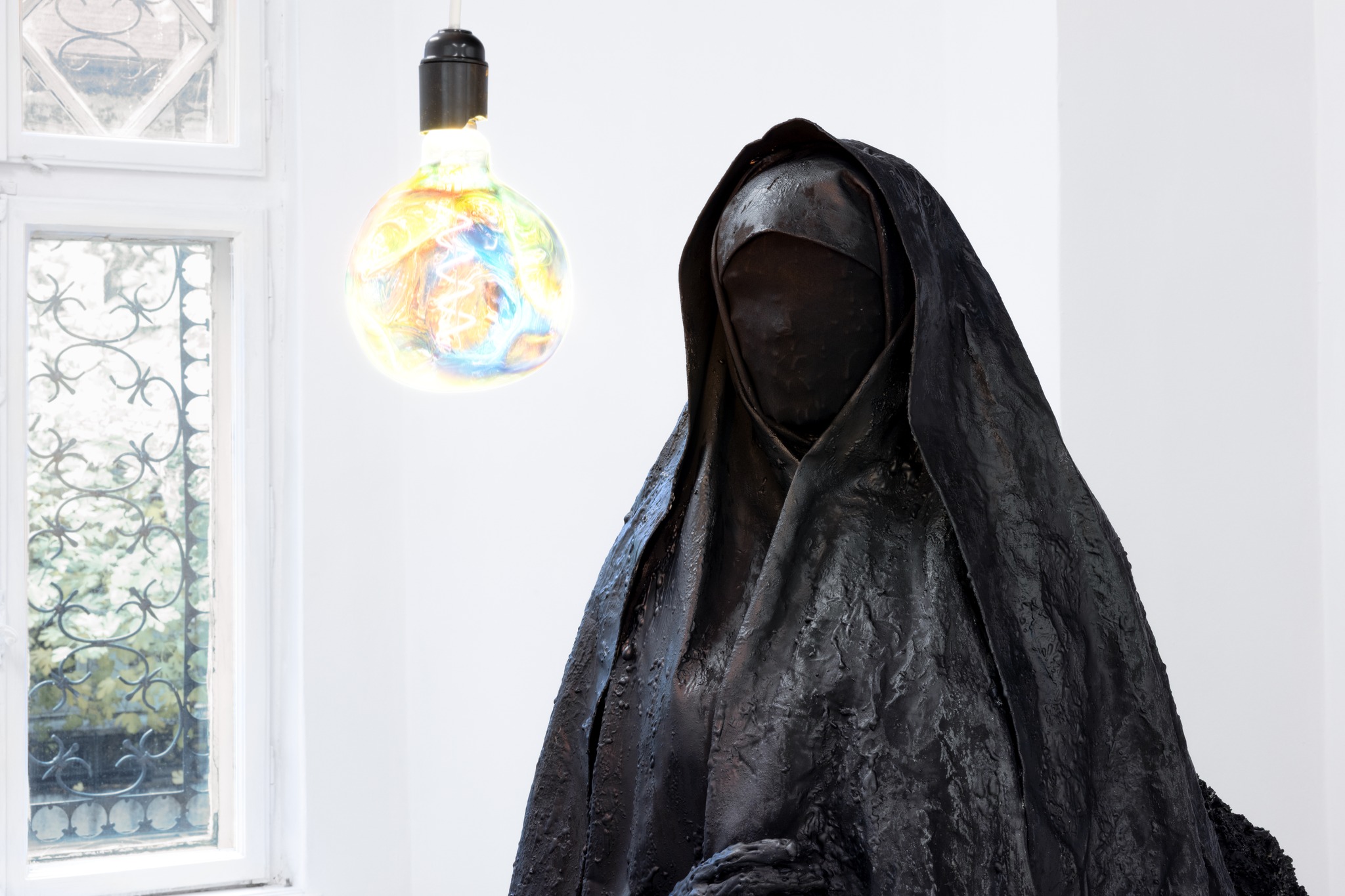
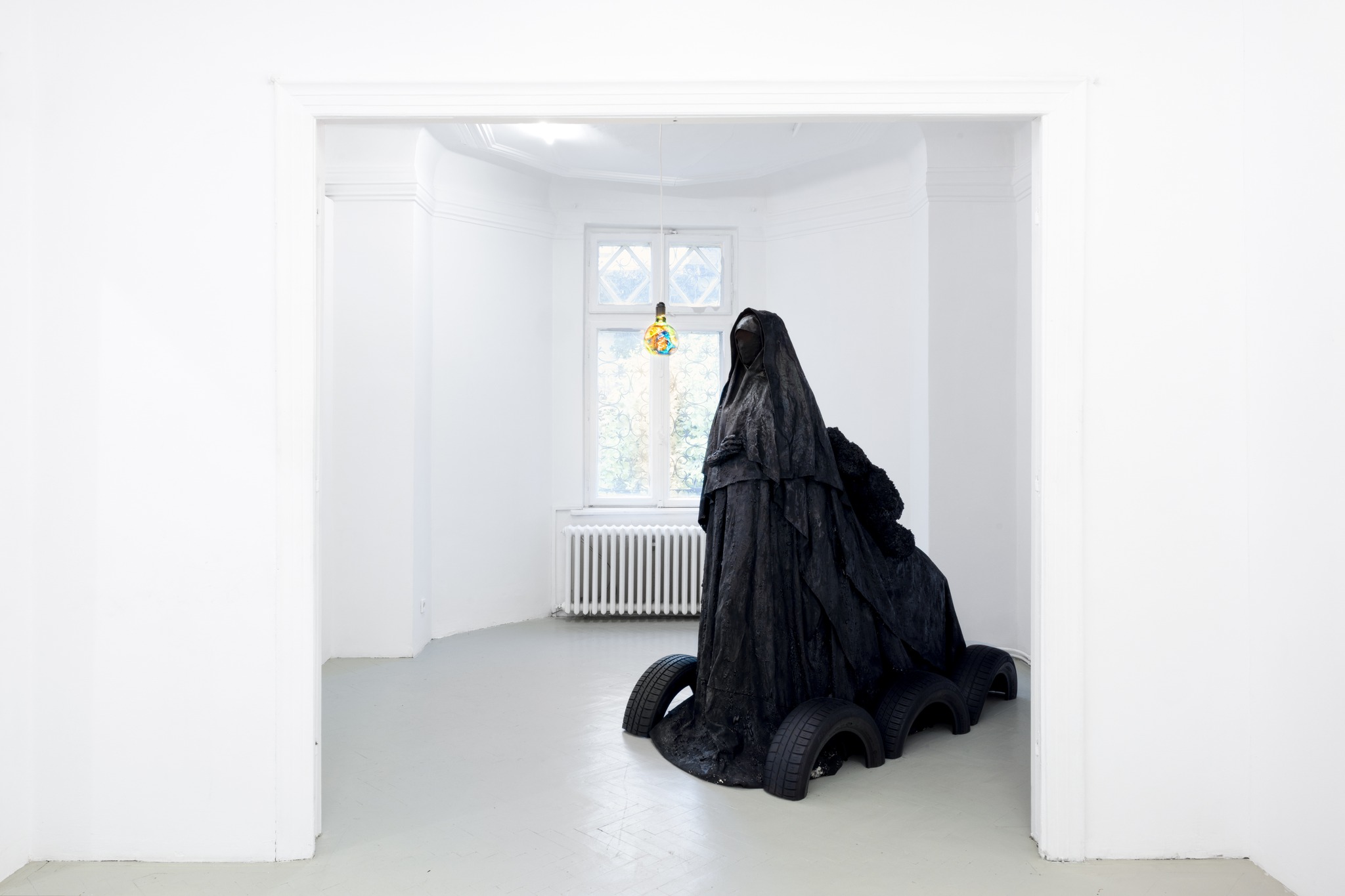
Mono Mihai approaches the project through a more overtly political lens, investigating the mechanisms through which a spontaneous public action comes to be perceived as protest — a rebellious act that inevitably provokes a harsh response from authoritarian power. Drawing a parallel between the biblical story evoked by the Christmas star and the contemporary refugee crisis, he proposes a “monument to the refugee mother,” anchored symbolically in the tragic realities of today, such as the humanitarian crisis in Gaza and the transnational movements of solidarity with the Palestinian cause.” (curatorial text)
The second exhibition in the project, configured around the Star and the historical context in which it was created, is open at the National Museum of the Romanian Peasant until January 11, 2026.
Works on loan by courtesy: Cristina Clisson, Horia Bernea Foundation, Sector 1 Gallery, The Paul Neagu Estate UK & RO.